


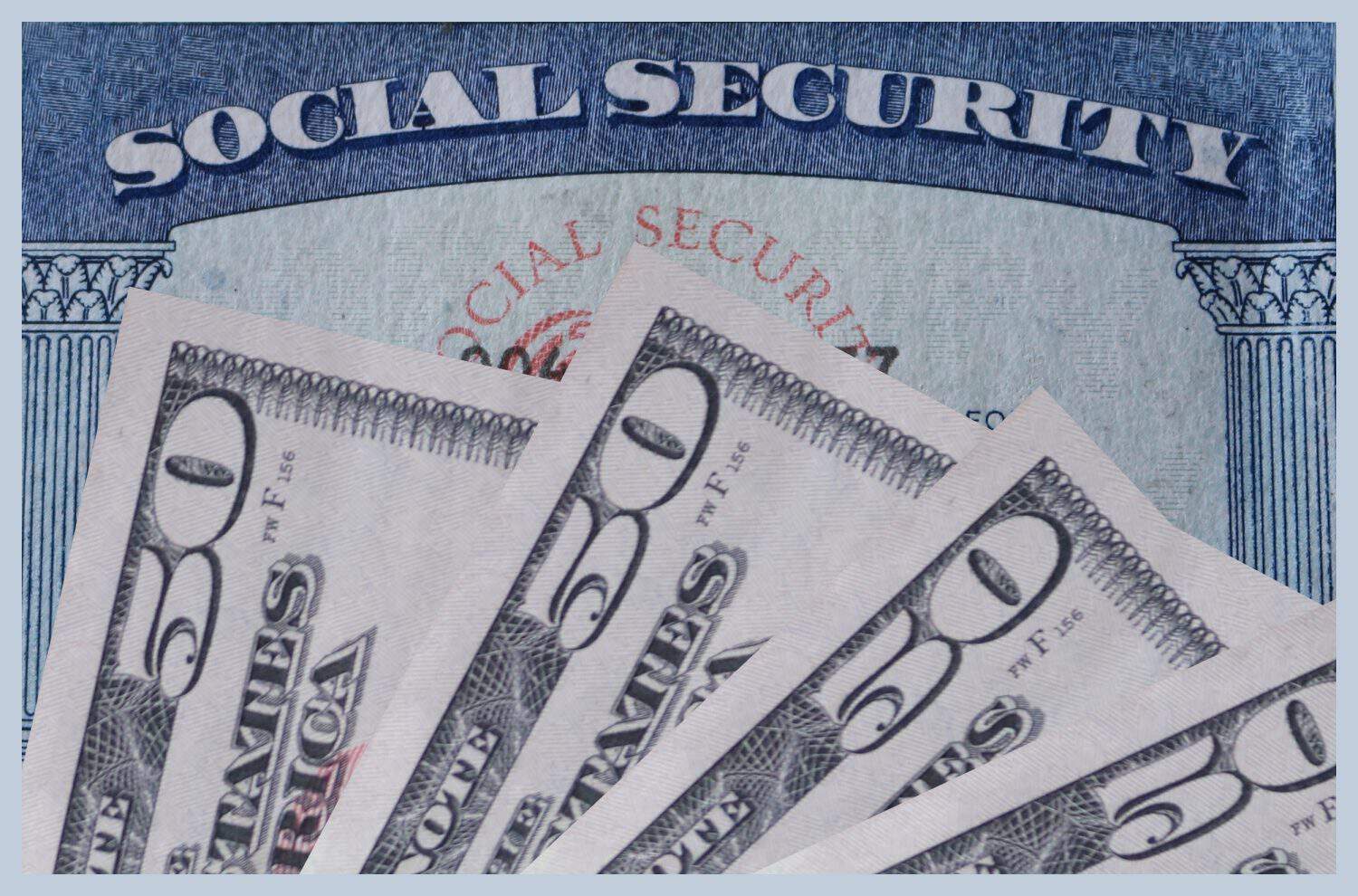
Social Security serves as a lifeline for many retirees. But it’s not just older Americans who get to collect Social Security.
Social Security also pays disability benefits. And it pays benefits to people whose spouses pass away.
If you’re married and your spouse passes away, you’ll generally be eligible for survivor benefits equal to the benefit your spouse would’ve been entitled to if they pass before becoming eligible for Social Security themself. And you generally need to be at least 60 to claim survivor benefits, though you can file as early as 50 if you have a disability.
But in some cases, people can get Social Security much sooner. Here’s a situation where benefits may become available in your 40s, though it’s not necessarily an optimal one.
How to get Social Security in your 40s
If you become a widow in your 40s and have children under the age of 16 in your household, you may be eligible for Social Security. In that case, if you’re caring for a deceased spouse’s child under 16 or who’s disabled at any age, you may be entitled to a benefit worth 75% of your spouse’s primary insurance amount, regardless of your age.
So let’s say you have a spouse who passes away at age 47, and you’re 42. Let’s say you also have a 15-year-old at the time. That means you should be entitled to monthly checks worth 75% of your spouse’s primary insurance amount for Social Security. Those benefits should then continue until your child turns 16.
At that point, you’ll lose that benefit. But you can then claim survivor benefits once you’re old enough.
Now that said, if you claim survivor benefits before your full retirement age (FRA), they’ll be reduced. If you were born in 1960 or later, FRA is 67.
You may also have survivor benefits reduced if you’re working and haven’t reached FRA. In that case, benefits are typically withheld but paid back to you later.
If you think you’ll be reliant on Social Security to cover your expenses in retirement and you’re looking at survivor benefits, you may want to wait until FRA. That way, you’ll get 100% of the benefit your spouse who passed away was eligible for.
It’s important to know the rules
Social Security is an extremely complex program. Because it pays so many different types of benefits, including disability benefits, spousal benefits, and survivor benefits, it’s important to read up on the rules as they apply to your situation.
If you lose a spouse at a time when you still have fairly young children at home, know that you may be entitled to benefits from Social Security — even if you’re nowhere close to your 60s. But again, it’s important to know how those benefits work and under what circumstances you might lose them, such as remarrying.
It’s also important to file for survivor benefits right away when eligible, because for some claims, the Social Security Administration will pay benefits from the time you apply – not from the time your spouse actually passed. And you don’t want to lose out on money you’re entitled to.














 Top Gaining Stocks
 Top Losing Stocks