


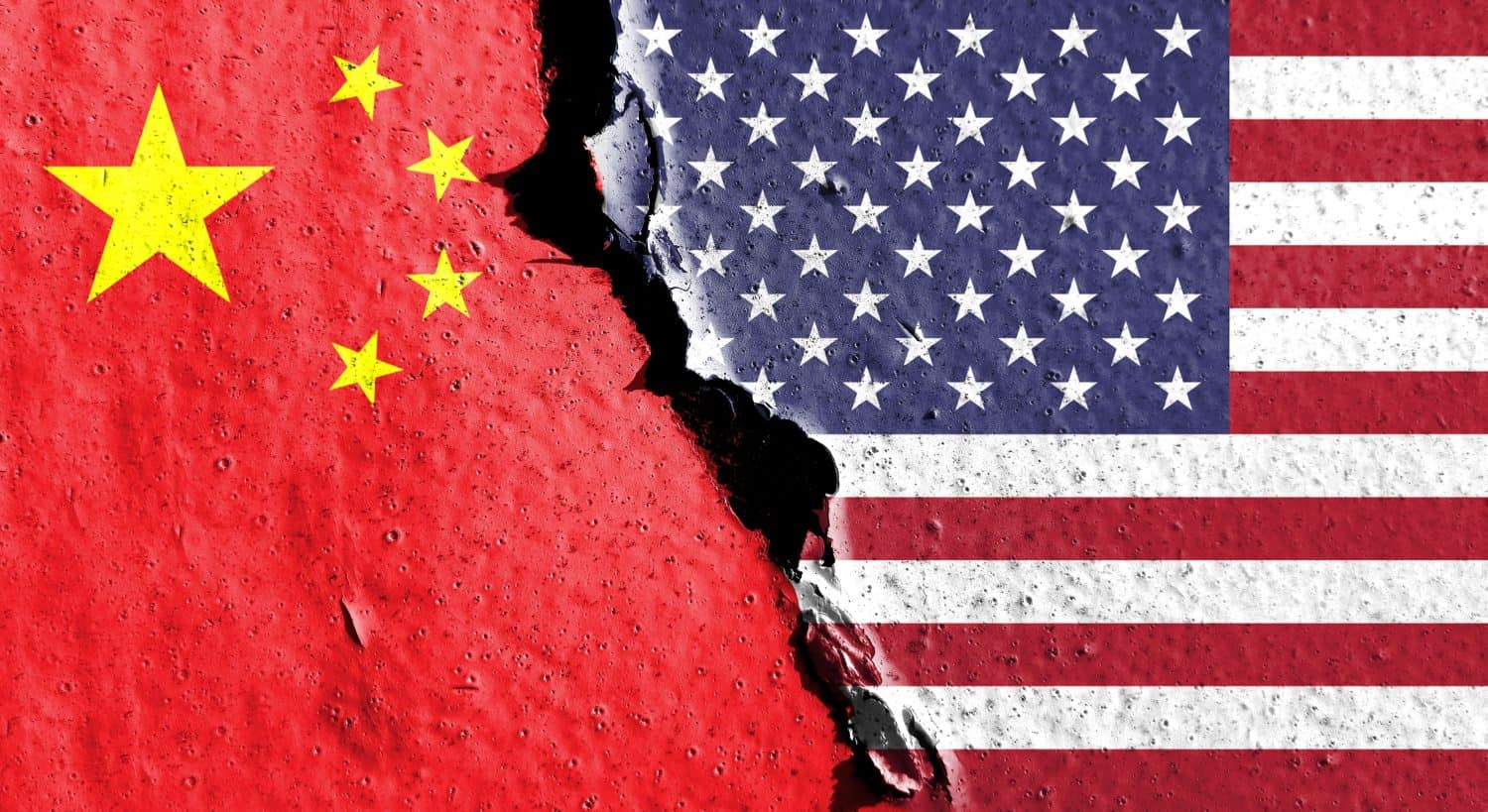
The trade war between the United States and China began in 2018 and escalated into one of the most significant economic conflicts in recent history. The tension originally centered on issues like intellectual property theft, trade issues, and market access. Following the initial dispute, both nations imposed a series of escalating tariffs. Hundreds of billions of dollars’ worth of goods were affected, on both sides of the aisle. Global supply chains were drastically disrupted, markets altered significantly, and uncertainty was rampant across multiple industries from agriculture to technology.
While the conflict was often portrayed in political terms, its economic impact was felt far beyond Washington and Beijing. Tariff announcements often triggered major stock market reactions, influenced currency valuations, and led to altered manufacturing strategies. Rounds of negotiation swiftly shifted between patient optimism and abrupt hostility. During this time, business-related planning became completely unpredictable.
This slideshow reviews the main moments of the trade war. We highlight how policy decisions and economic data joined to shape the conflict’s evolution. We present important moments, from the first tariff lists to current, on-going tensions between the rival countries. Read about each turning point that marked a moment of diplomacy and much-needed leverage. Here are 10 pivotal events that define the U.S.–China trade war, including market responses.
March 2018: First Tariff Announcement
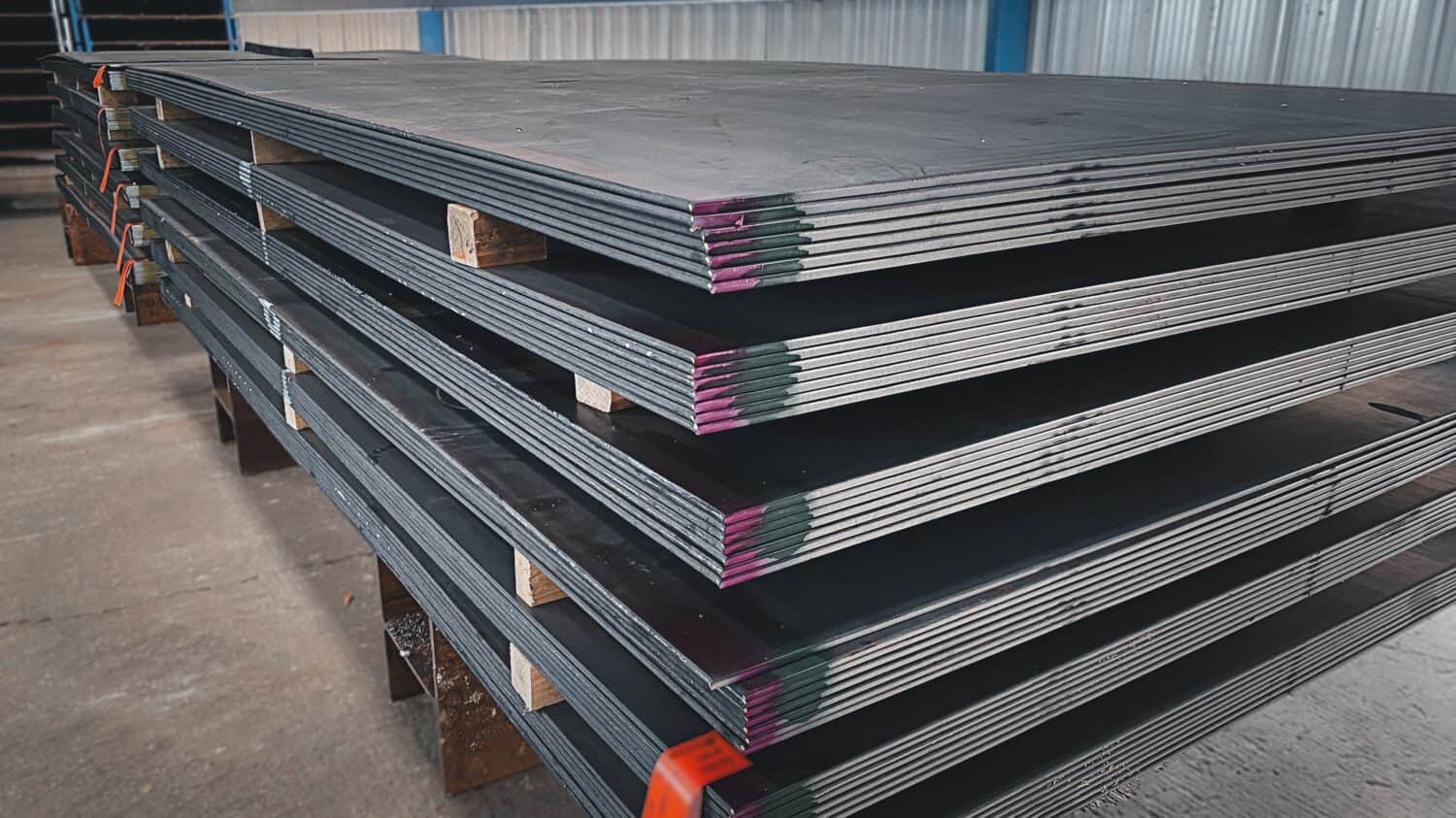
- The U.S. announced tariffs on steel and aluminum imports, sparking initial tensions with China.
- China responded with its own tariff threats on U.S. goods.
- Stock markets showed immediate volatility following the announcements.
April 2018: China Retaliates

- China imposed tariffs on 128 U.S. products including pork and wine.
- This marked the first significant retaliation in the trade conflict.
- Agricultural markets, especially soybeans, saw price drops.
July 2018: America Expands Tariffs List
- The U.S. implemented 25% tariffs on $34 billion worth of Chinese imports.
- China quickly matched with tariffs on U.S. goods of equal value.
- The escalation began impacting global supply chains.
September 2018: Second Wave of Tariffs
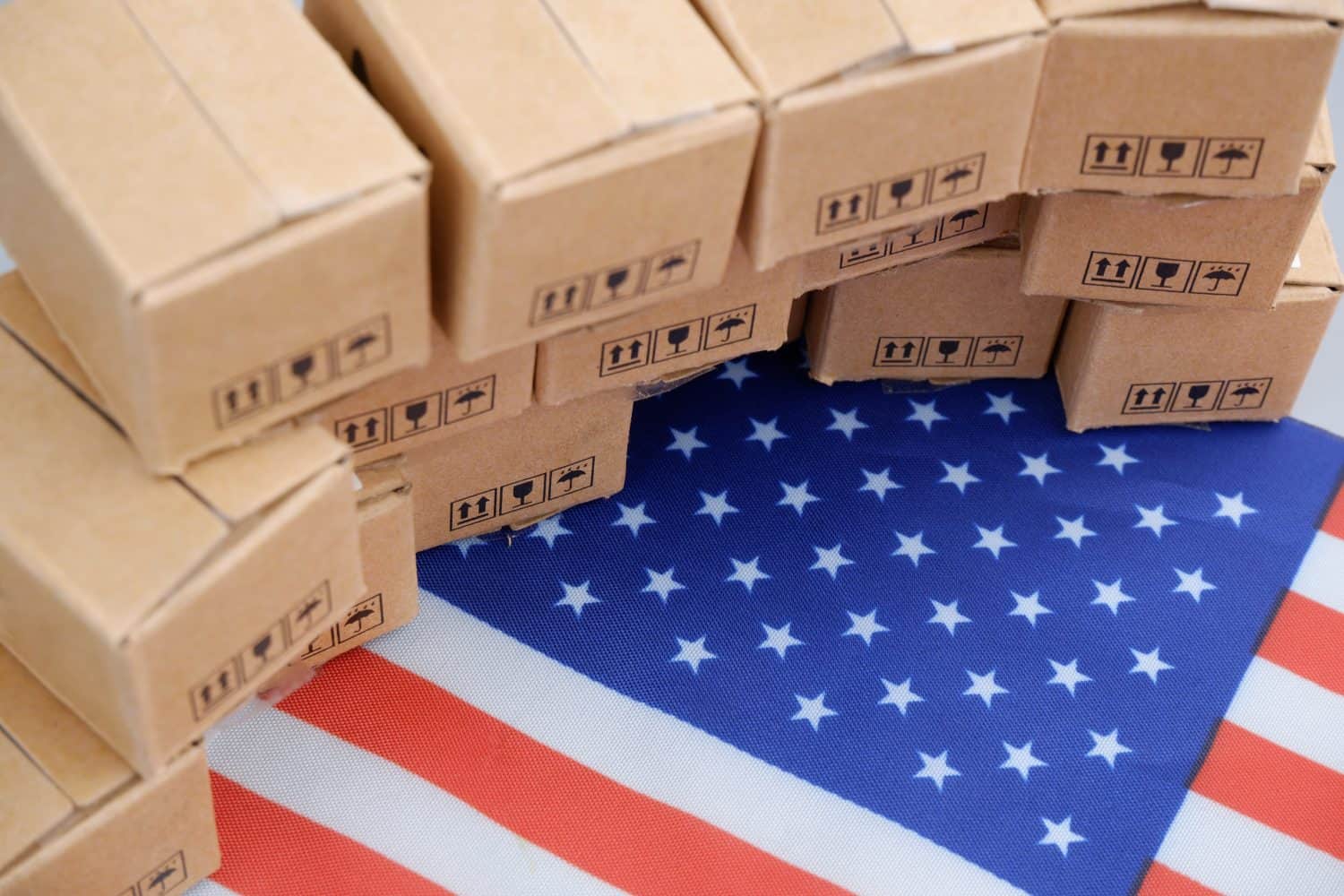
- The U.S. announced tariffs on $200 billion of Chinese goods at 10%, set to rise to 25%.
- China retaliated with $60 billion in tariffs on U.S. goods.
- Businesses began lobbying for tariff exemptions.
December 2018: Truce
- At the G20 summit, both countries agreed to pause new tariffs for 90 days.
- Negotiations were set to address intellectual property and trade imbalance issues.
- Markets reacted positively to hopes of resolution.
February 2019: Tariff Hike Postponed
- Due to substantial progress amid talks, the U.S. delayed previously planned tariff hikes.
- Both sides reported constructive discussions on key trade issues.
- Optimism for an upcoming deal grew on both sides of the aisle.
May 2019: Talks Collapse
- Negotiations broke down over disagreements on enforcement mechanisms.
- The U.S. increased tariffs on $200 billion of goods from 10% to 25%.
- China responded with new tariffs on $60 billion of U.S. goods.
January 2020: Phase One Deal
- The U.S. and China signed the ‘Phase One’ trade deal.
- China agreed to purchase more U.S. goods and strengthen IP protections.
- Some tariffs remained in place pending future negotiations.
Mid-2020: COVID-19 Impact

- The pandemic disrupted China’s ability to meet purchase commitments.
- Both sides pledged to uphold the agreement despite economic challenges.
- Trade flows shifted due to supply chain disruptions.
Post 2020: Ongoing Tensions
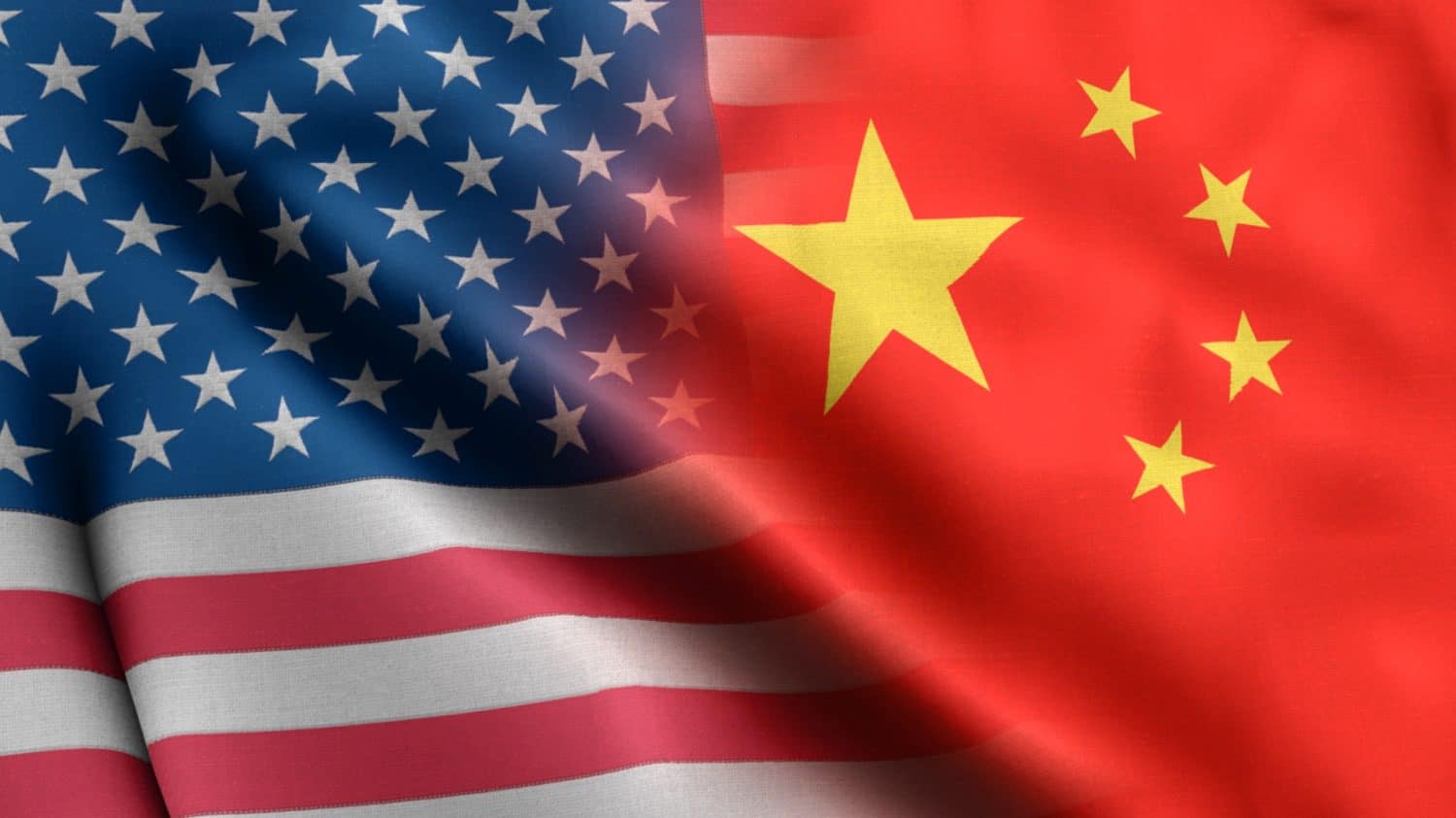
- Tariffs from the trade war remain in place as of today.
- Issues like technology restrictions and security concerns continue to strain relations.
- The trade conflict has evolved into broader geopolitical competition.









 Top Gaining Stocks
 Top Losing Stocks