


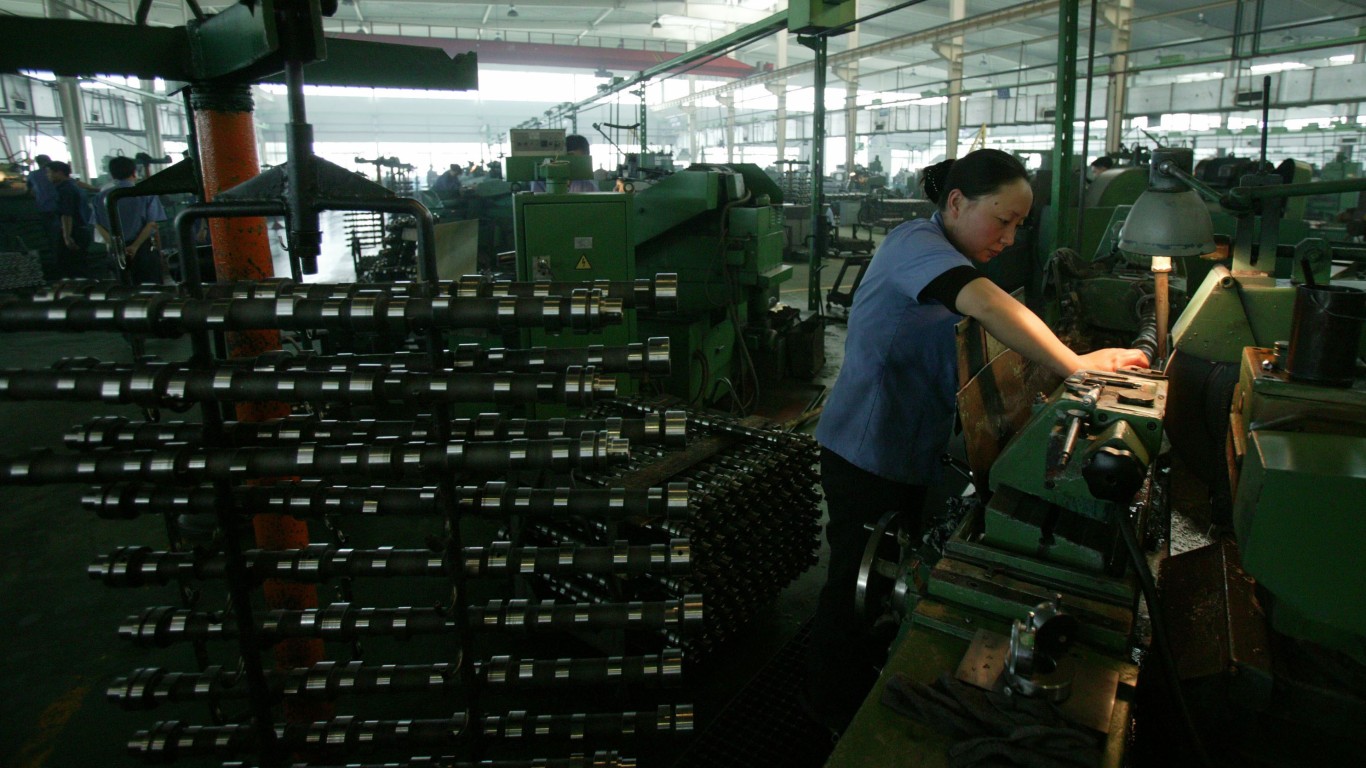
A seismic shift has transformed global manufacturing in recent years, with US and EU companies increasingly moving production from China to India. Accelerated by President Trump’s use of tariffs as trade weapons, this movement began a few years ago as geopolitical tensions and economic pressures began to raise concerns about supply chain resilience. India’s proactive policies have served to drive this trend toward supply chain diversification. While India has made remarkable progress over the past three decades, and holds vast potential as a manufacturing hub, infrastructure gaps and regulatory complexities present challenges.
The primary driver is escalating friction with China. U.S.-China trade wars have imposed steep tariffs on Chinese goods, pushing companies to seek alternatives. From 2018 to 2022, U.S. goods imports from China dropped 10% (inflation-adjusted), while imports from India soared 44%, per trade data. Concerns over intellectual property theft and supply chain risks exposed during COVID-19 further fueled this shift. China’s rising labor and production costs have also eroded its edge in labor-intensive sectors like textiles and electronics, prompting companies to explore cost-competitive alternatives.
India has emerged as a prime destination, propelled by initiatives like “Make in India” and Production Linked Incentive (PLI) schemes. These offer tax breaks (e.g., a 17% corporate tax rate for new manufacturing firms), subsidies to attract foreign direct investment (FDI), and a stable legal system rooted in British common law, safeguarding intellectual property. India’s youthful workforce (median age 28) and 1.4 billion-strong consumer market enhance its appeal. Apple, for example, has ramped up iPhone production in India, with Foxconn investing $1.5 billion in Tamil Nadu to supply the U.S. market. India’s share of Apple’s iPhone output grew from 2% to 5% between 2021 and 2022, with goals to hit 25%. Other giants like Dell, Nike, Intel, and Nippon Steel are also shifting production, with over 90% of North American manufacturers surveyed by BCG reporting some relocation from China in the past five years.
Yet despite India’s appeal, challenges do remain. India’s infrastructure lags, with only 5% of roads classified as highways, causing logistical bottlenecks. Regulatory red tape hinders operations, with just 55% of companies reporting seamless production shifts. Manufacturing costs in India can also run 5–10% higher than in China due to import duties on components. India faces competition from Vietnam, a leader in electronics, and Mexico, advantaged by its proximity to the U.S. Companies and investors must navigate these hurdles to ensure profitability.
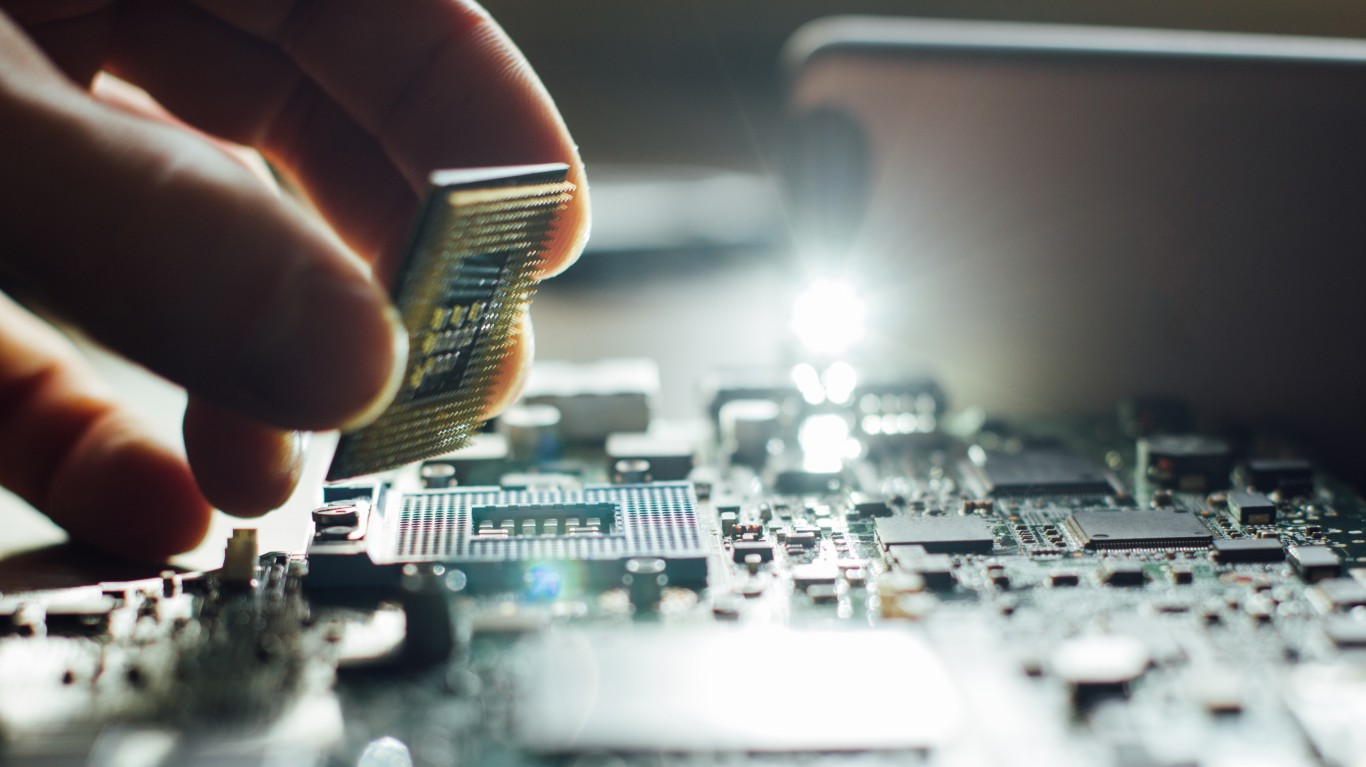
This shift opens doors for entrepreneurs and businesses. Investors can target Indian firms or ETFs in booming sectors like electronics and semiconductors, which attracted $16 billion in manufacturing FDI from 2020 to 2023. Content creators can monetize blogs or videos on India’s manufacturing surge through ads or sponsorships. Consulting services offer another path, providing market research or regulatory guidance for firms entering India. Businesses can also develop logistics or compliance solutions to address operational challenges.
The pivot from China to India reflects geopolitical, economic, and logistical realities. India’s policies and demographic strengths position it as a rising manufacturing powerhouse, but infrastructure and regulatory hurdles require careful strategy. Opportunities in investment, content creation, and consulting abound for those who can navigate India’s complexities with precision.
Investors can explore top Indian companies listed on U.S. exchanges, such as HDFC Bank (NYSE: HDB), Infosys (NYSE: INFY), or MakeMyTrip (NASDAQ: MMYT). For broader exposure, the iShares MSCI India ETF (NASDAQ: INDA) tracks the MSCI India Index, covering roughly 85% of India’s large and mid-cap equity market.













 Top Gaining Stocks
 Top Losing Stocks