


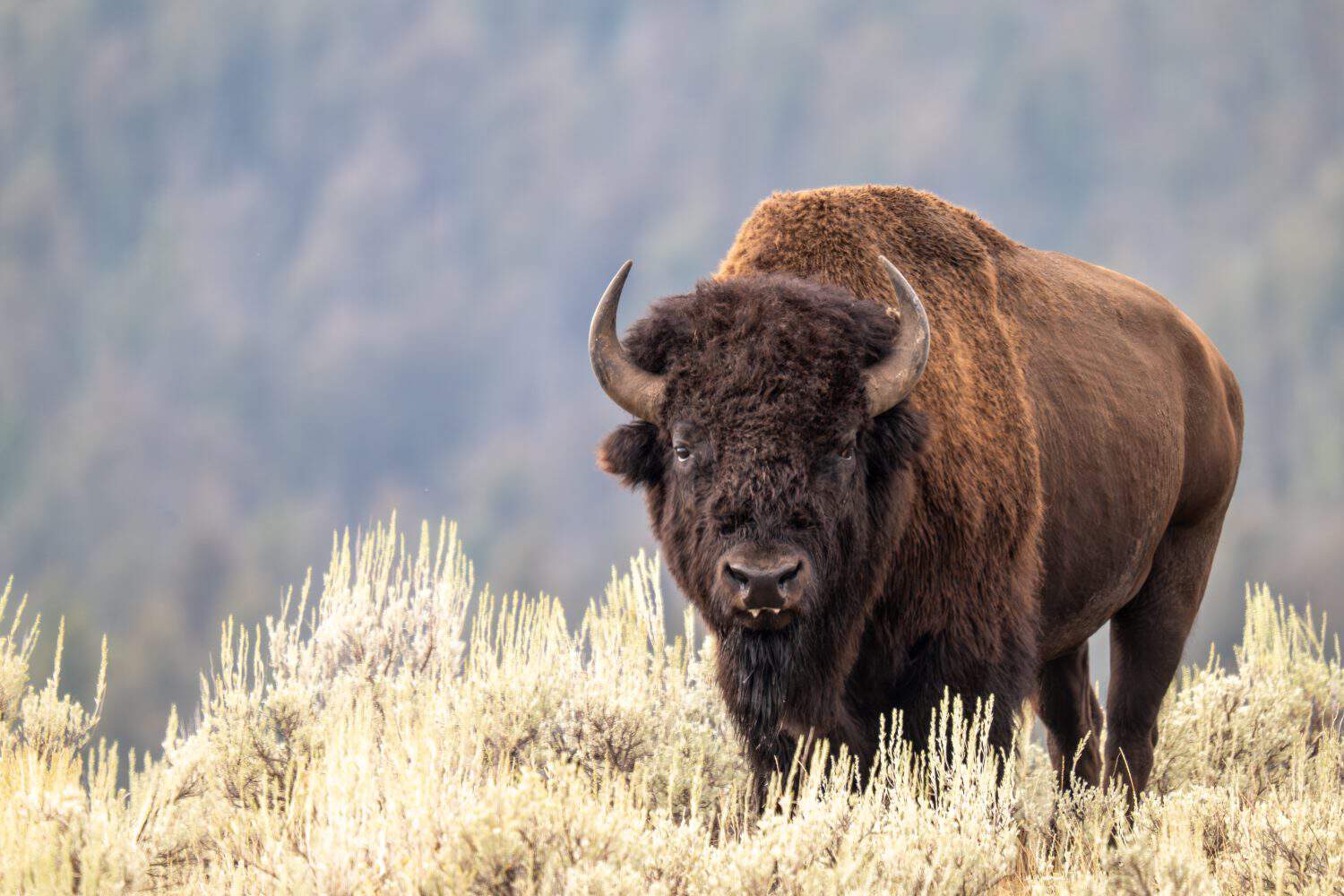
Long before our modern concerns of climate change and sustainability, Native American cultures already demonstrated incredible resourcefulness and respect in their use of the buffalo. Recognizing the animal’s importance to their survival, they utilized each part of the buffalo, letting nothing go to waste. But how was that done? What was each part used for? (This is how many Native Americans live in every U.S. state.)
Native Americans believe the buffalo gave itself willingly to the people to be used to continue the cycle of life, so it was treated with the utmost respect. This, and because every part was so useful for their way of life, Native Americans held the animal in extreme esteem and treated it with the utmost respect. (These are the states with the most reservations and tribal areas.)
Why We’re Covering This

The practice of using every part of the buffalo demonstrates resourcefulness, respect, and a deep understanding of sustainability. By utilizing each and every part of the animal, Native Americans minimized waste and maximized the resources available to them. This is a valuable lesson for us today, as wastefulness, pollution, the cost of living, climate change, and other environmental harms are major concerns. In addition, understanding Native American culture and traditions is crucial for fostering empathy, respect, and an appreciation for diverse peoples and perspectives.
This is how Native Americans used every part of the buffalo and what they made:
Meat
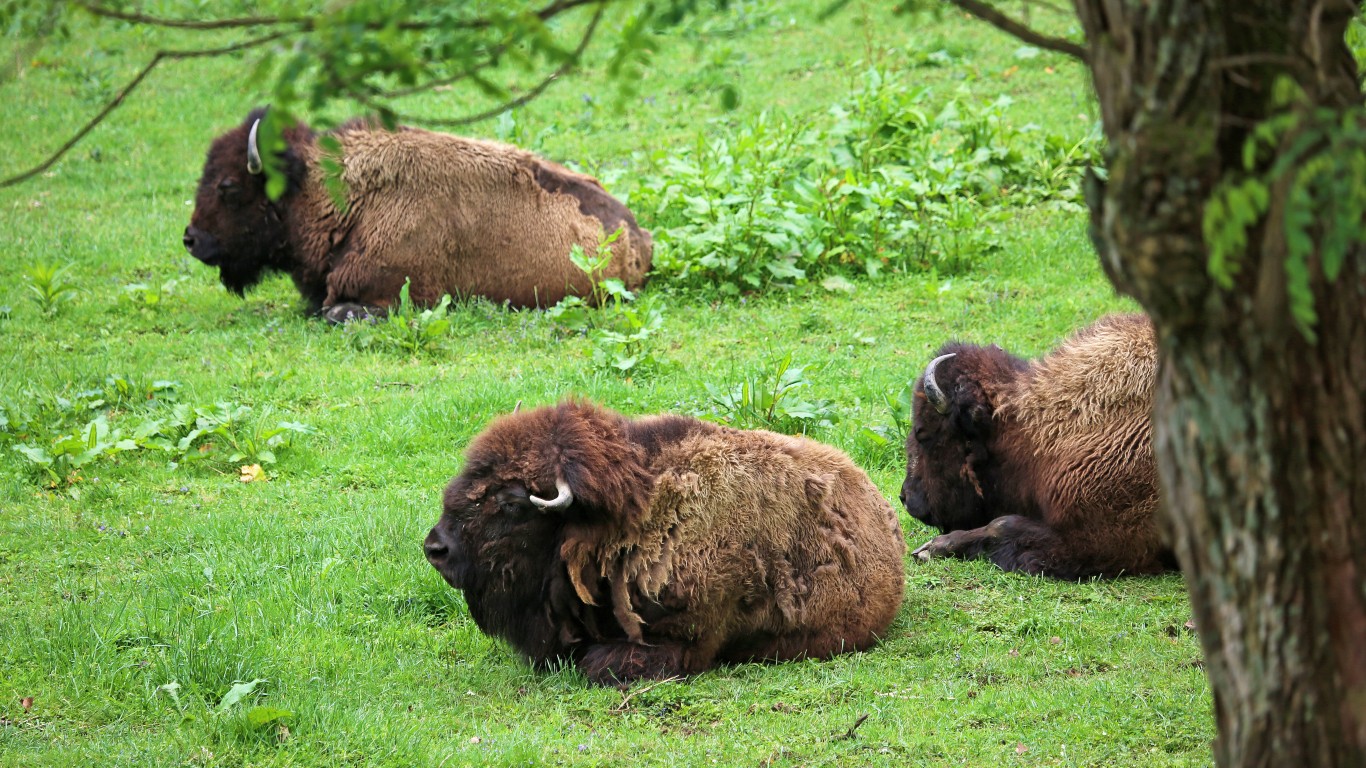
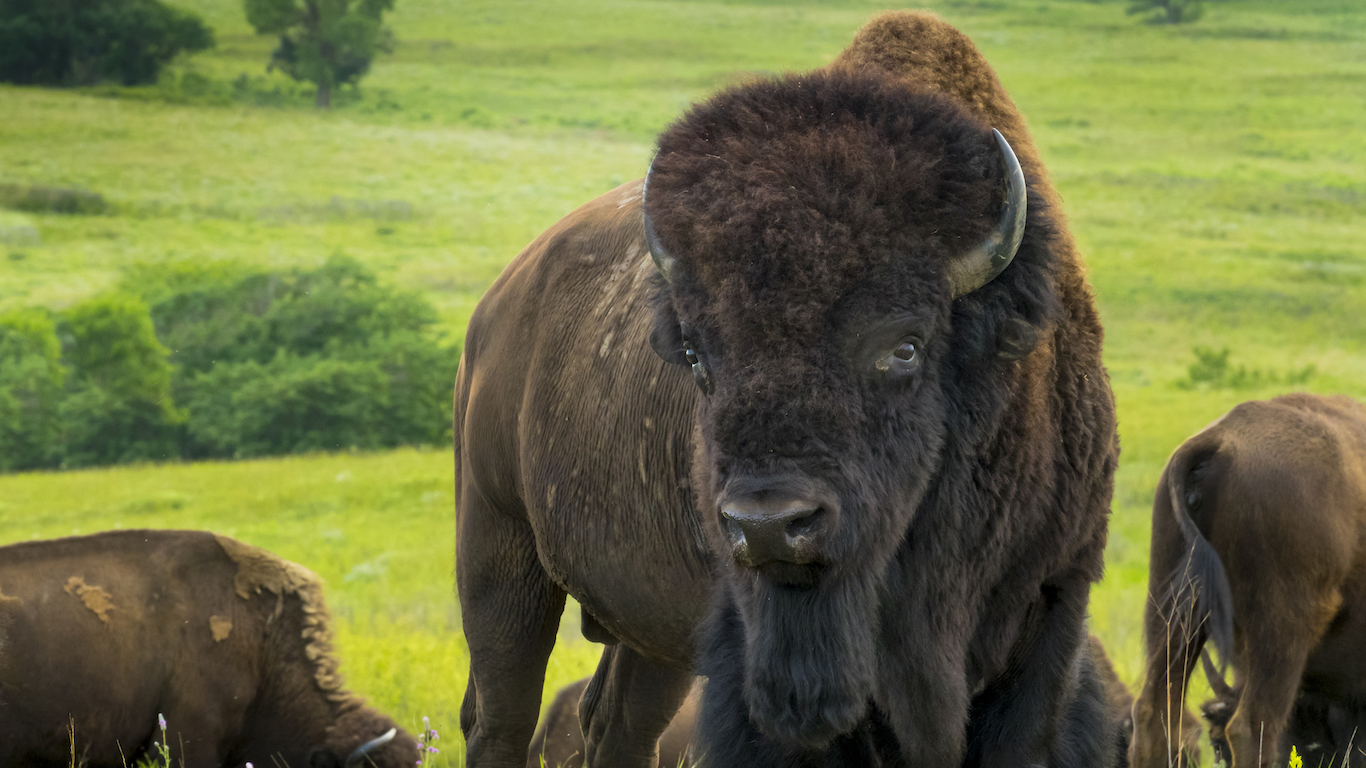
Buffalo.
Naturally, the most important part of the buffalo, the meat, was used to keep the family or tribe alive. There is far too much meat on a buffalo for anyone to eat before it goes bad, so leftover food is preserved and carried to the next place. However, other parts of the animal were also eaten. These included the kidneys, heart, liver, bone marrow, intestines, and the tongue.
Skin and Hide
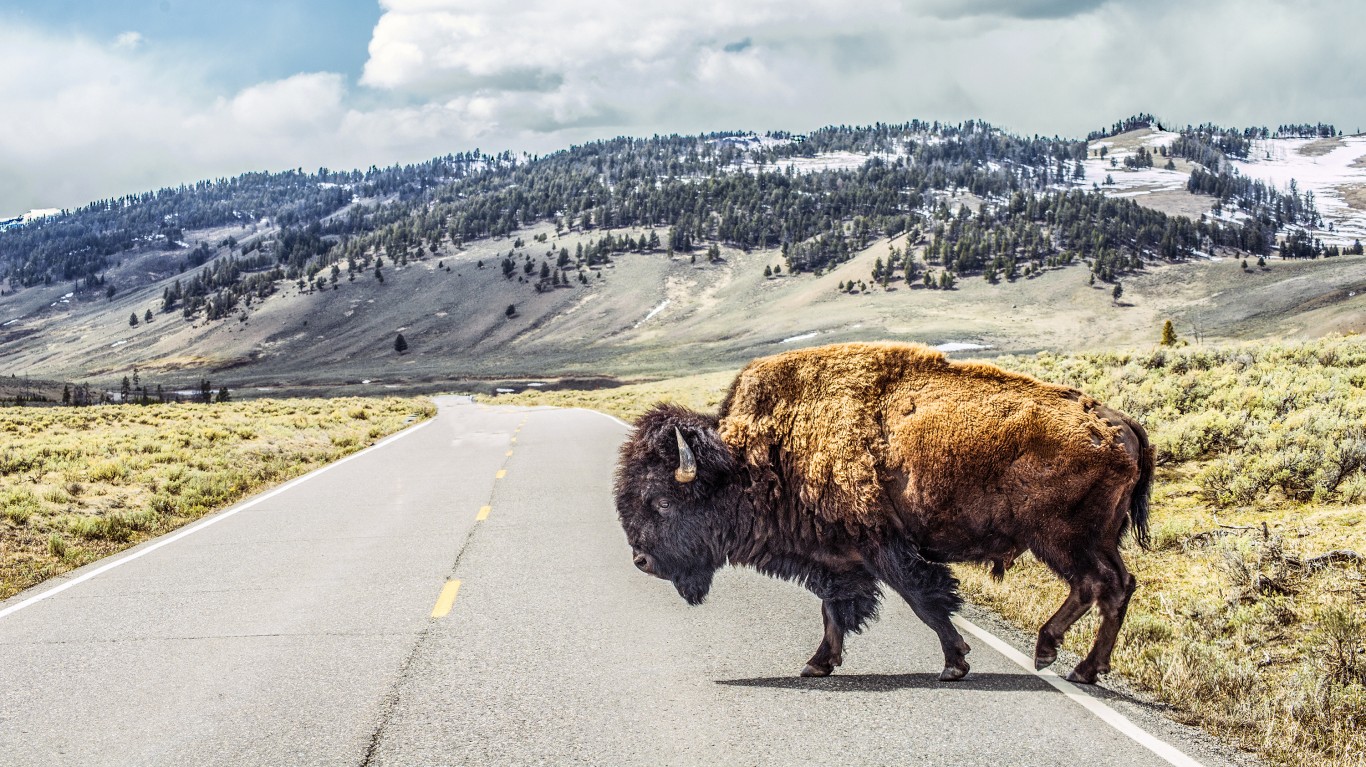
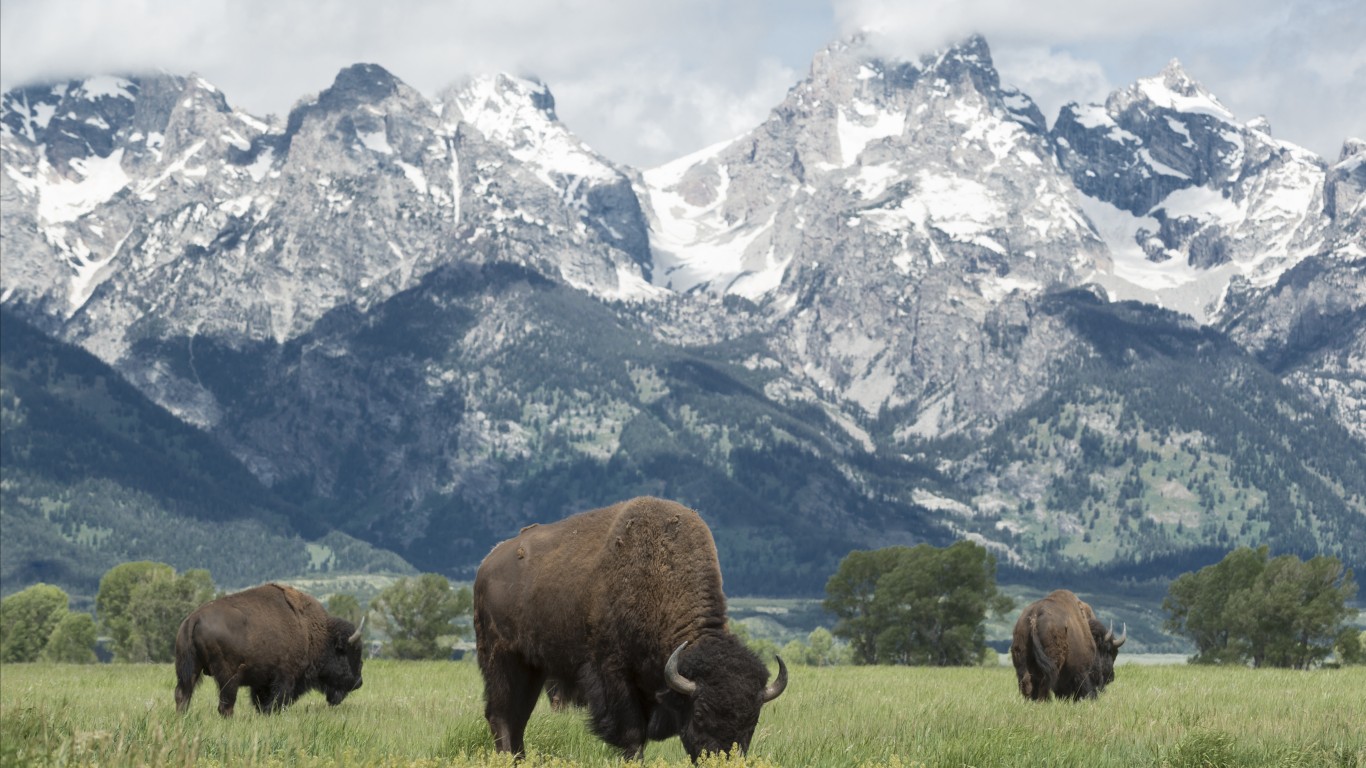
Buffalo in Wyoming.
The skin of the buffalo was used to create rawhide, tanned hides, and other materials. The cleaned hides were used for clothing, tipi covers, strings, shoes, blankets, robes, bags, decorations, and hundreds of other things.
The brains of the buffalo were also used to preserve the hide of the buffalo if it wasn’t going to be used immediately.
Bones
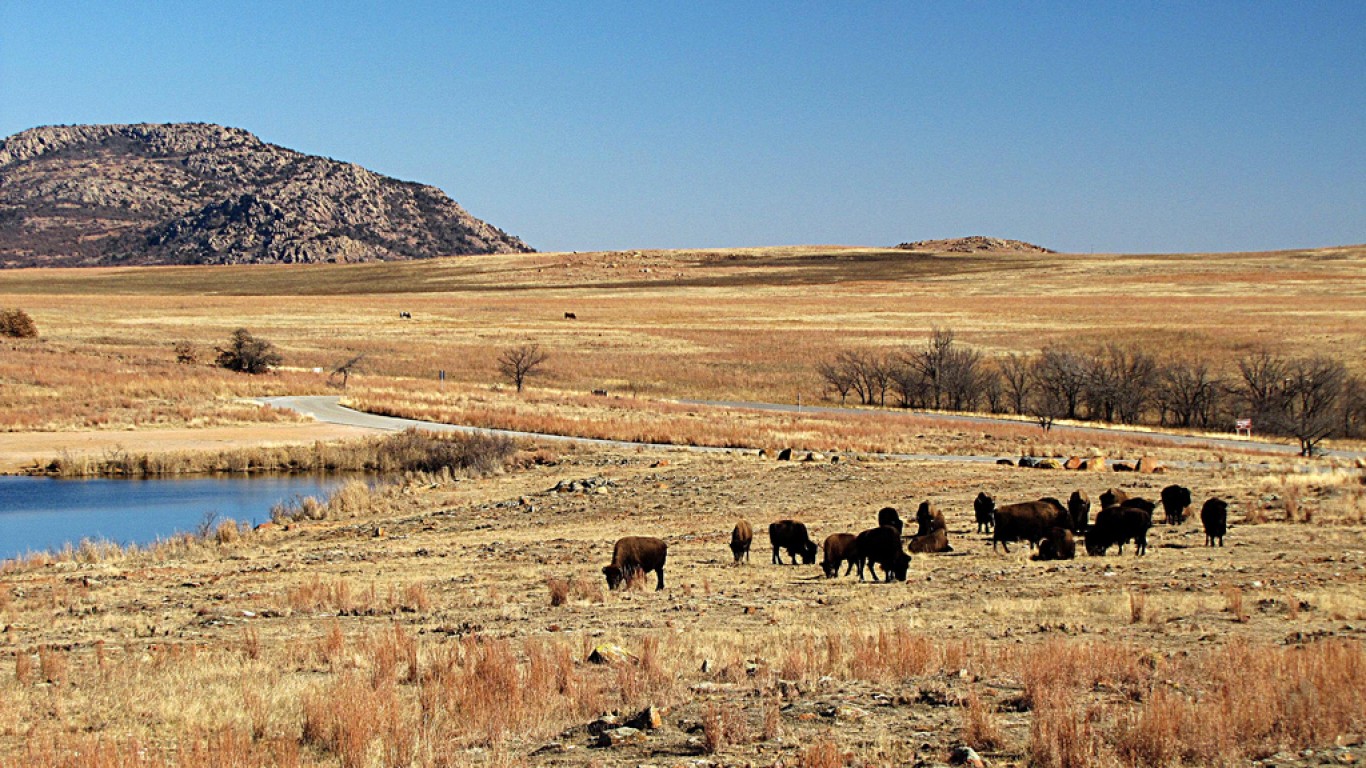
All the bones were used for different purposes based on their shape, strength, and symbolism. For example, large bones like shoulder blades and leg bones would be used for tools like hoes, scrapers used in the preparation of rawhide, weapons, and more. Broken bones would be sanded down to make awls and needles. Buffalo horns were used for ladles, cups, and eventually powder horns when guns were introduced to America.
Buffalo teeth and toe bones were used for games played by both adults and children and bone meal is a wonderful fertilizer for plants.
The skull of the buffalo held special spiritual significance and would often be given a place of honor in a gathering area or in a tipi. Other bones were used for personal decoration and clothing, or in religious ceremonies.
Stomachs
Buffalo stomachs were used to create tipi covers and could be used to boil water. The cleaned stomach was placed in the bottom of a pit and held in place with stakes. Water was then poured into the stomach and rocks from a fire were placed in the water. Eventually, the water would boil and the stomach would keep it clean.
When not used for boiling water, the stomach was used as a cup, pot, or bucket.
Everything Else
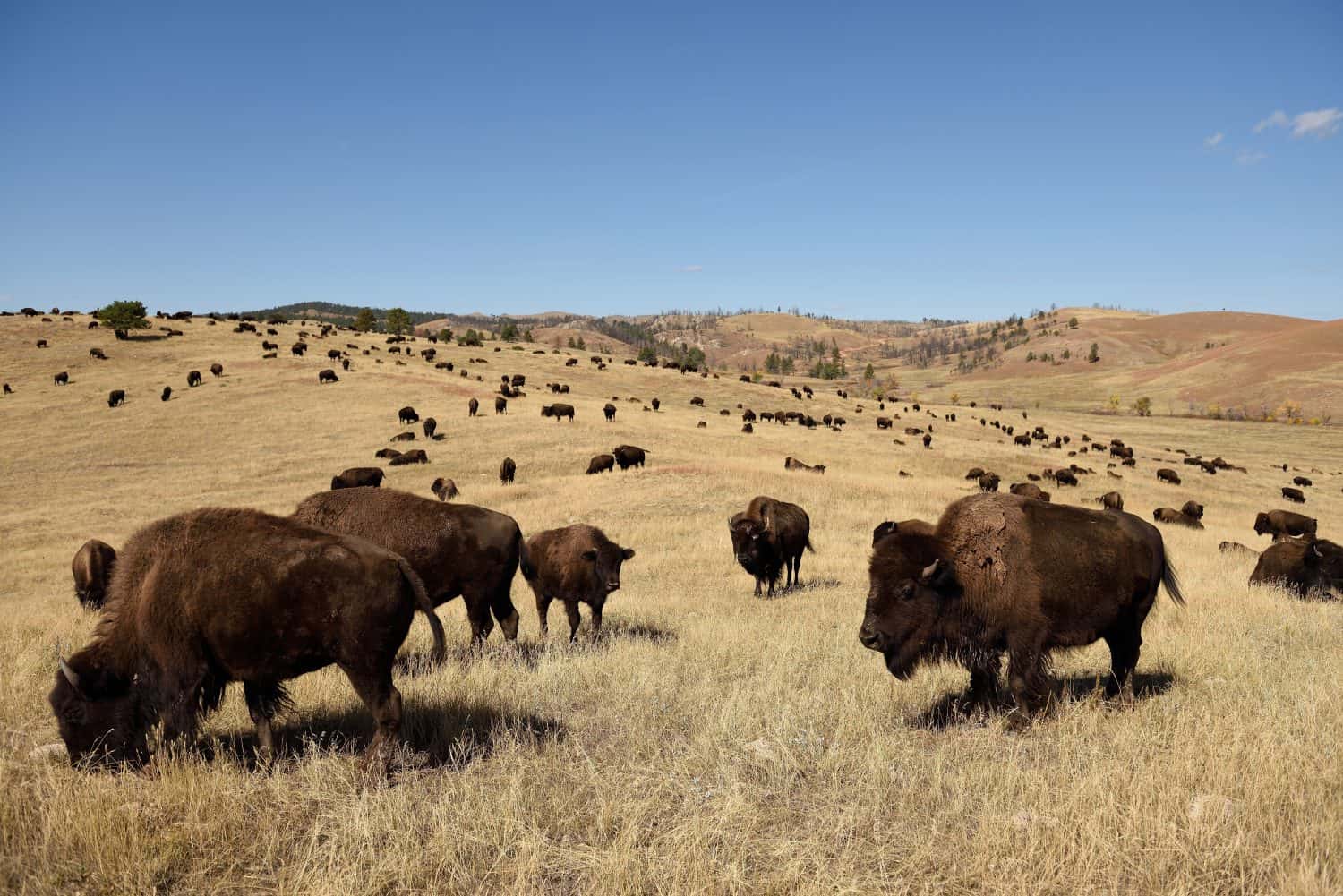
Buffalo tails were used as fly swatters (which makes sense since that’s how buffalo use their tails when still alive), and the buffalo sinew was used as a string or cord to help tie things together. The hair of the buffalo was also used to make ropes or decorations.
The fat of the buffalo was used as cooking oil or to make soap. And, while not generally harvested from the body of the buffalo itself, its excrement makes a fantastic fuel for fires.
Whatever the tribe couldn’t use immediately would be preserved to trade with other tribes or colonists.
Anything other leftover features, such as hooves, were rendered down and used to make glue for various uses. And contrary to popular belief, buffaloes are not used to make buffalo wings.











 Top Gaining Stocks
 Top Losing Stocks