Can You Guess All the Ways Native Americans Used Buffalo?

Photo of Aaron Webber
By Aaron Webber Published
This post may contain links from our sponsors and affiliates, and Flywheel Publishing may receive compensation for actions taken through them.
Can You Guess All the Ways Native Americans Used Buffalo?

© digital777nomad / Shutterstock.com

As the original settlers of the Americas, Native Americans were very effective hunters, living off the land in a sustainable way for centuries. They hunted an assortment of animals for survival, not just to put food on the table but to make clothes from fur and create tools from bones. They carried with them a deep understanding of the environment, including the way animals behaved.
 
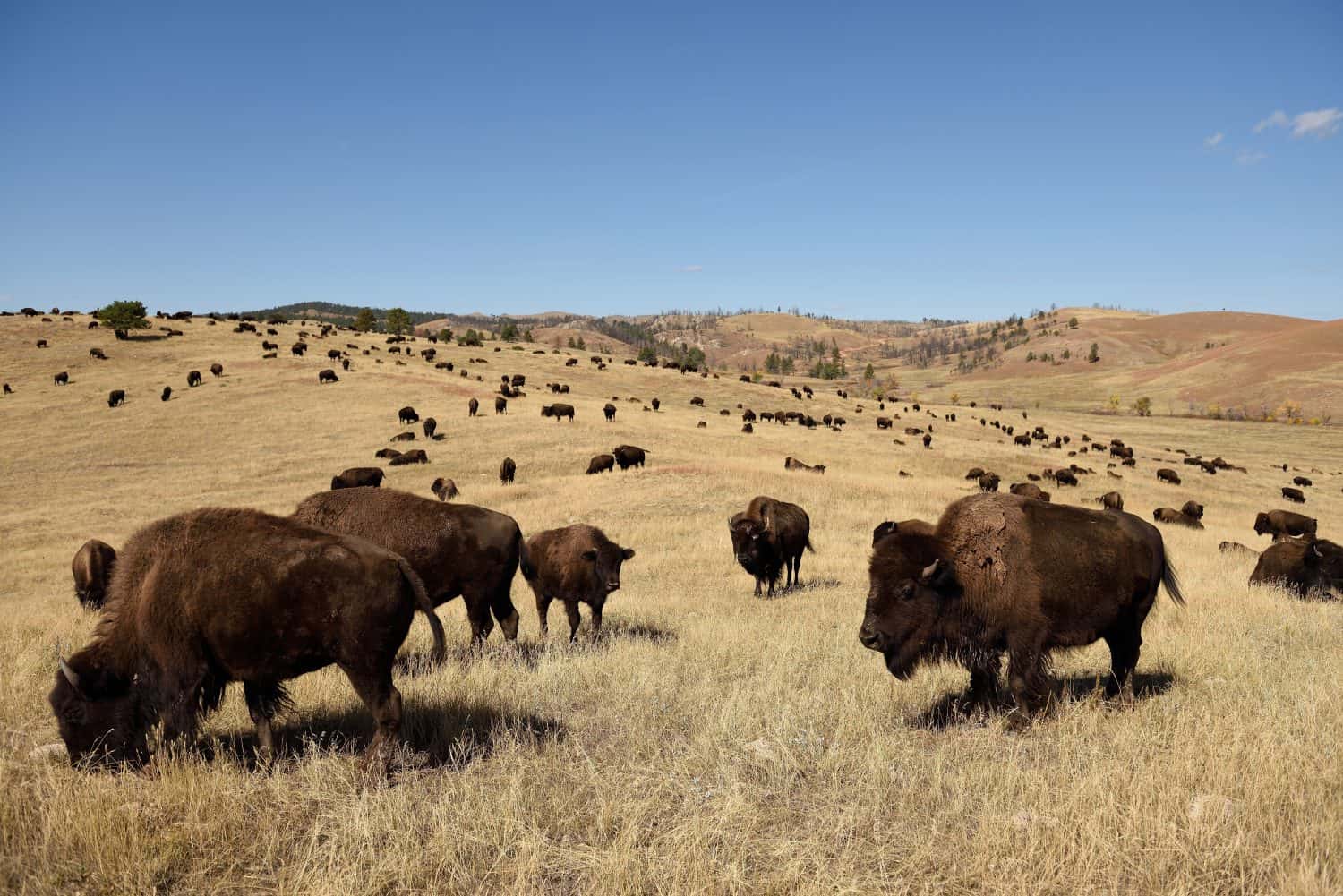
One of the animals the Native Americans relied on most was the buffalo. They were able to track and take down these beasts in group hunts, at times using sophisticated methods like luring herds into areas to be cornered. These behemoths offered essential resources, such as a significant amount of meat and thick hides for warmth. In fact, these ingenious peoples often let no part of the buffalo go to waste.

Meat

m-kojot / iStock via Getty Images

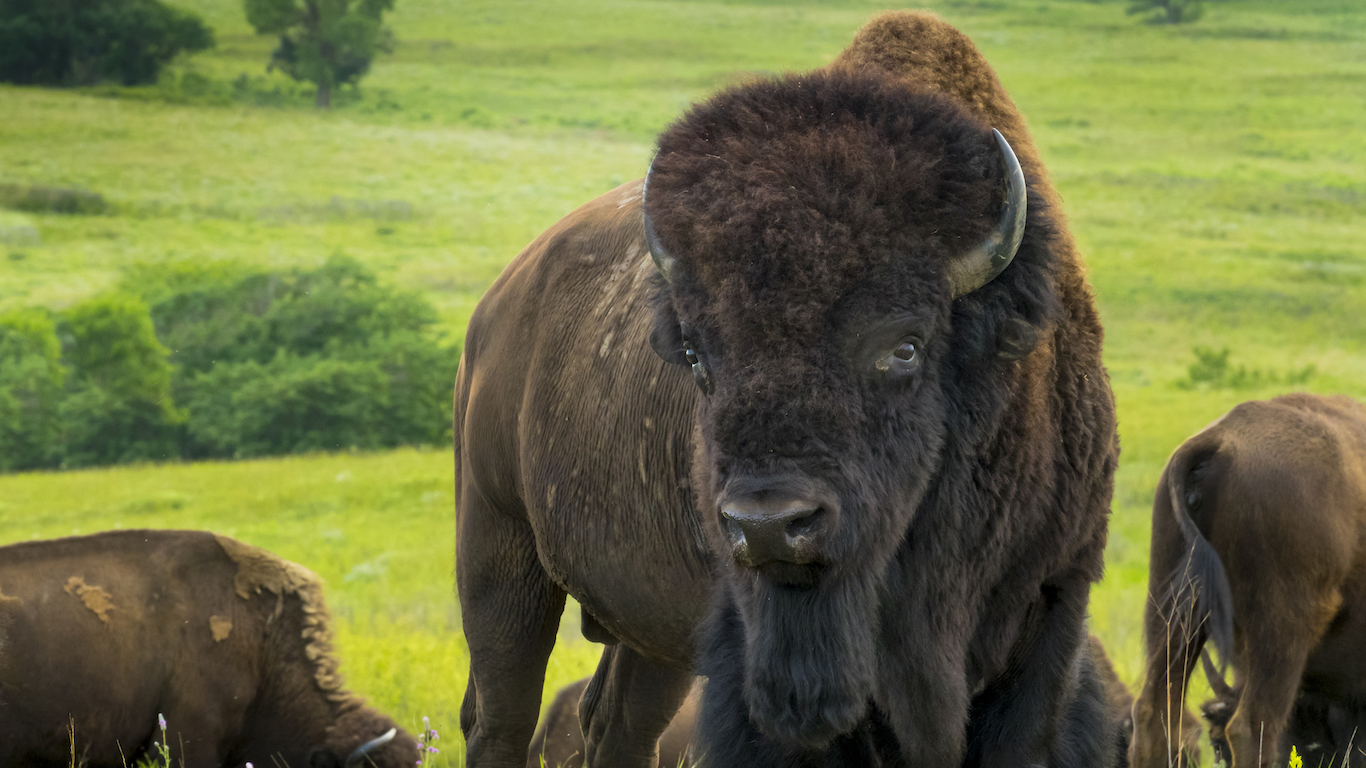
Buffalo.

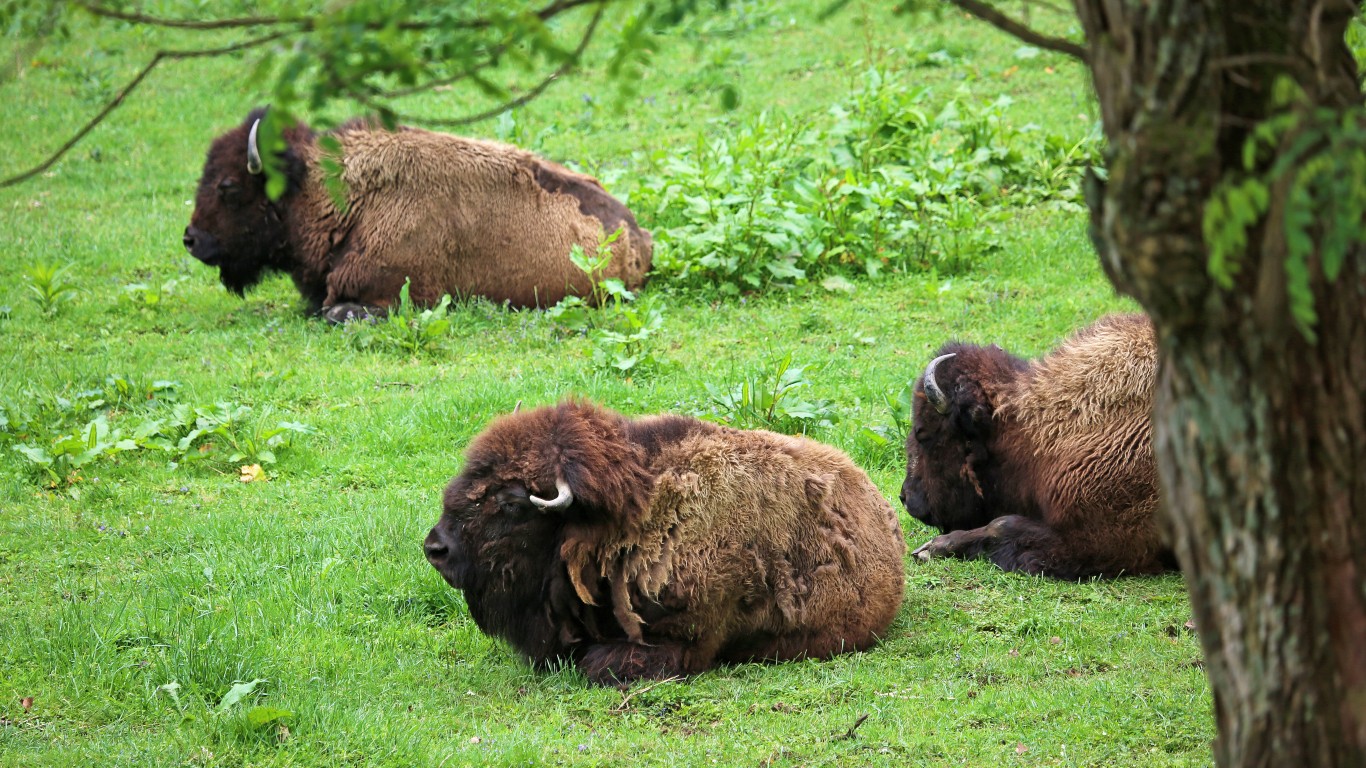
Naturally, the most important part of the buffalo, the meat, was used to keep the family or tribe alive. There is far too much meat on a buffalo for anyone to eat before it goes bad, so leftover food is preserved to be carried to the next place. However, other parts of the animal were also eaten. These included the kidneys, heart, liver, bone marrow, intestines, and the tongue.

Skin and Hide
CampPhoto / E+ via Getty Images

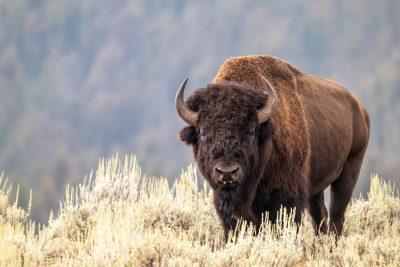
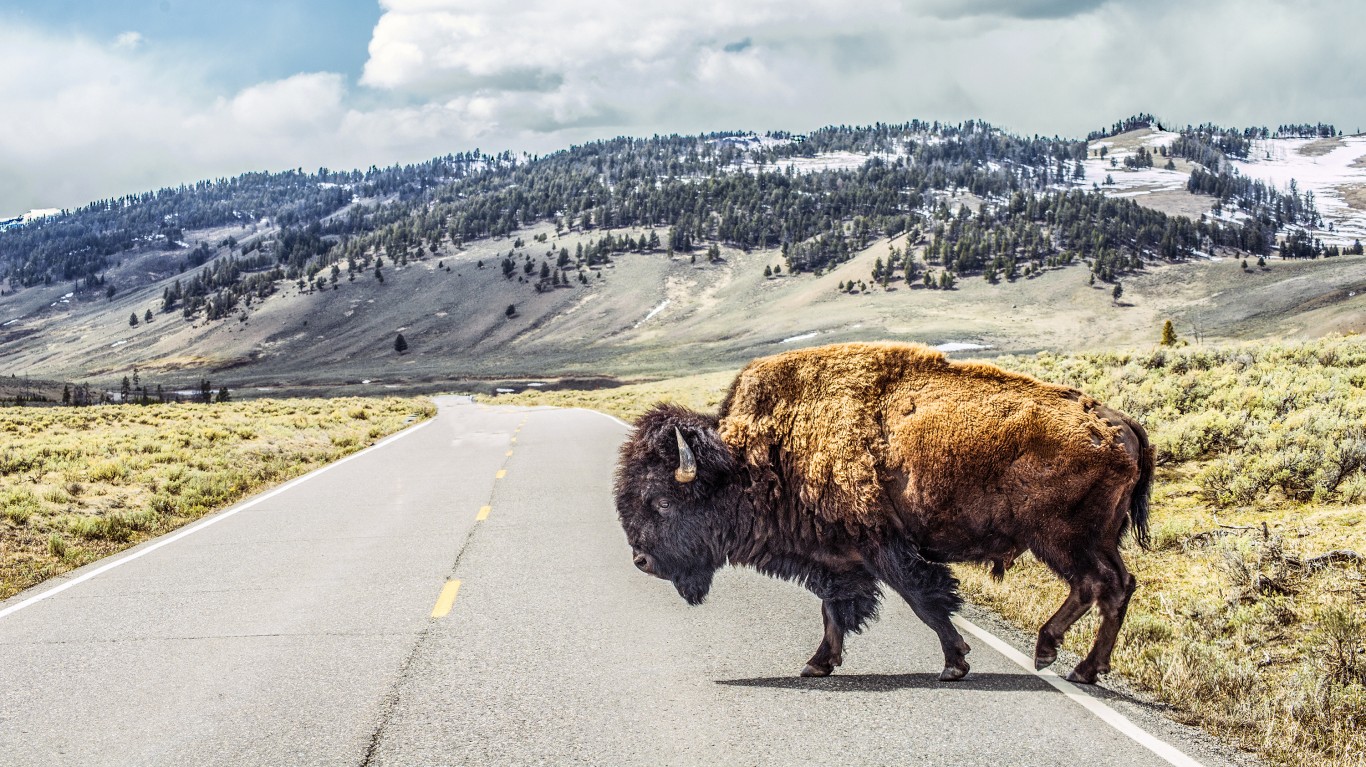
Buffalo in Wyoming.

The skin of the buffalo was used to create rawhide, tanned hides, and other materials. The cleaned hides were used for clothing, tipi covers, strings, shoes, blankets, robes, bags, decorations, and hundreds of other things.

The brains of the buffalo were used to preserve the hide of the buffalo if it wasn’t going to be used immediately.

Bones
duggar11 / CC BY 2.0 / Wikimedia Commons

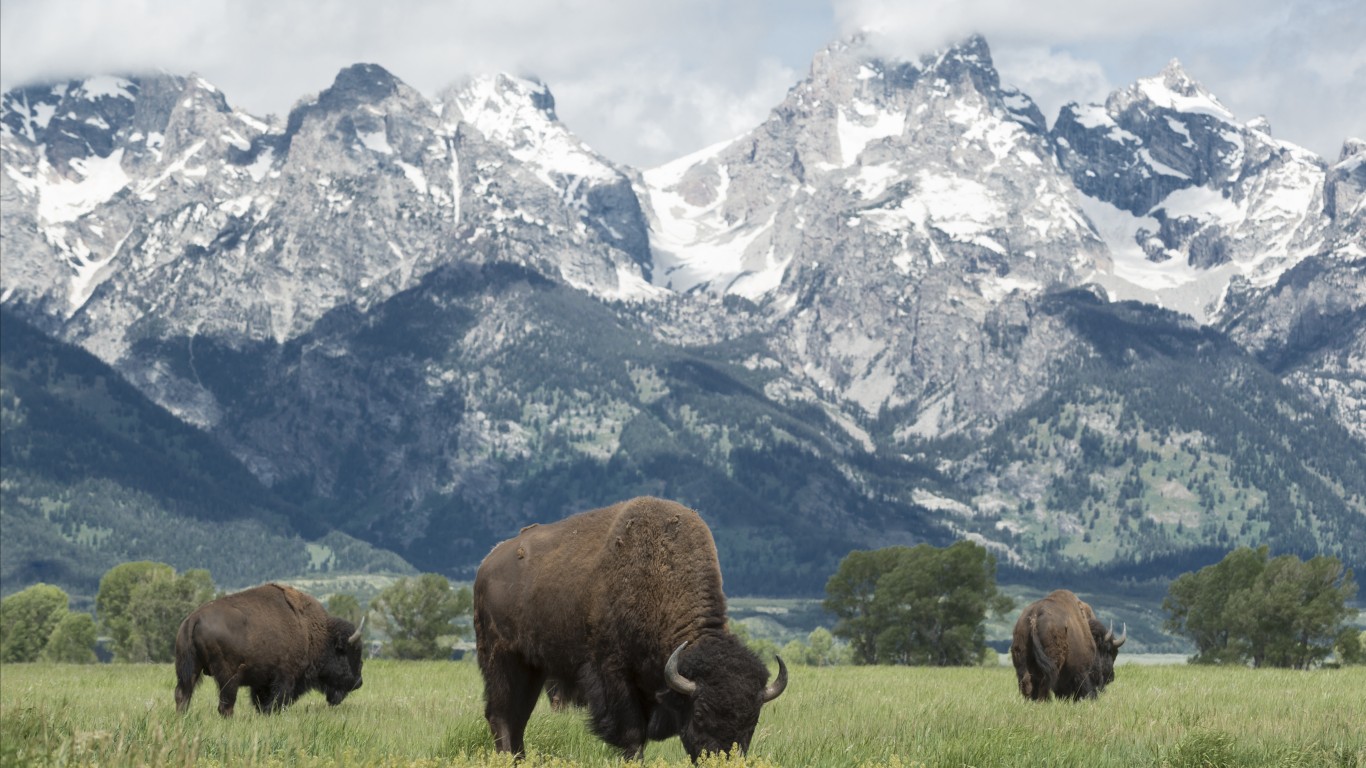
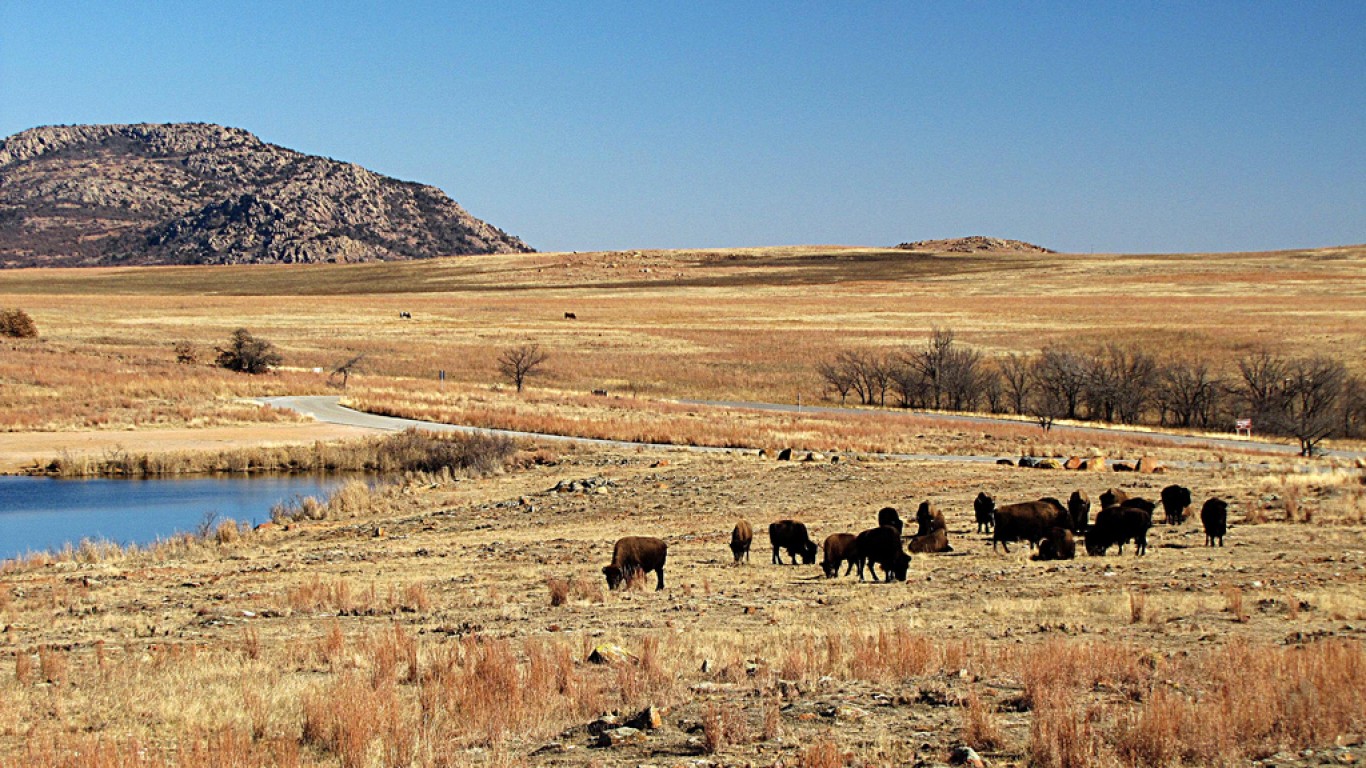
Buffalo in Oklahoma.

All the bones were used for different purposes based on their shape, strength, and symbolism. For example, large bones like shoulder blades and leg bones would be used for tools like hoes, and scrapers used in the preparation of rawhide, weapons, and more. Broken bones would be sanded down smaller to make awls and needles. Buffalo horns were used for ladles, cups, and eventually powder horns when guns were introduced to America.

Buffalo teeth bones and toe bones were used for games played by both adults and children and bone meal is a wonderful fertilizer for plants.

The skull of the buffalo held special spiritual significance and would often be given a place of honor in a gathering area or in a tipi. Other bones were used for personal decoration and clothing, or in religious ceremonies.

Stomachs
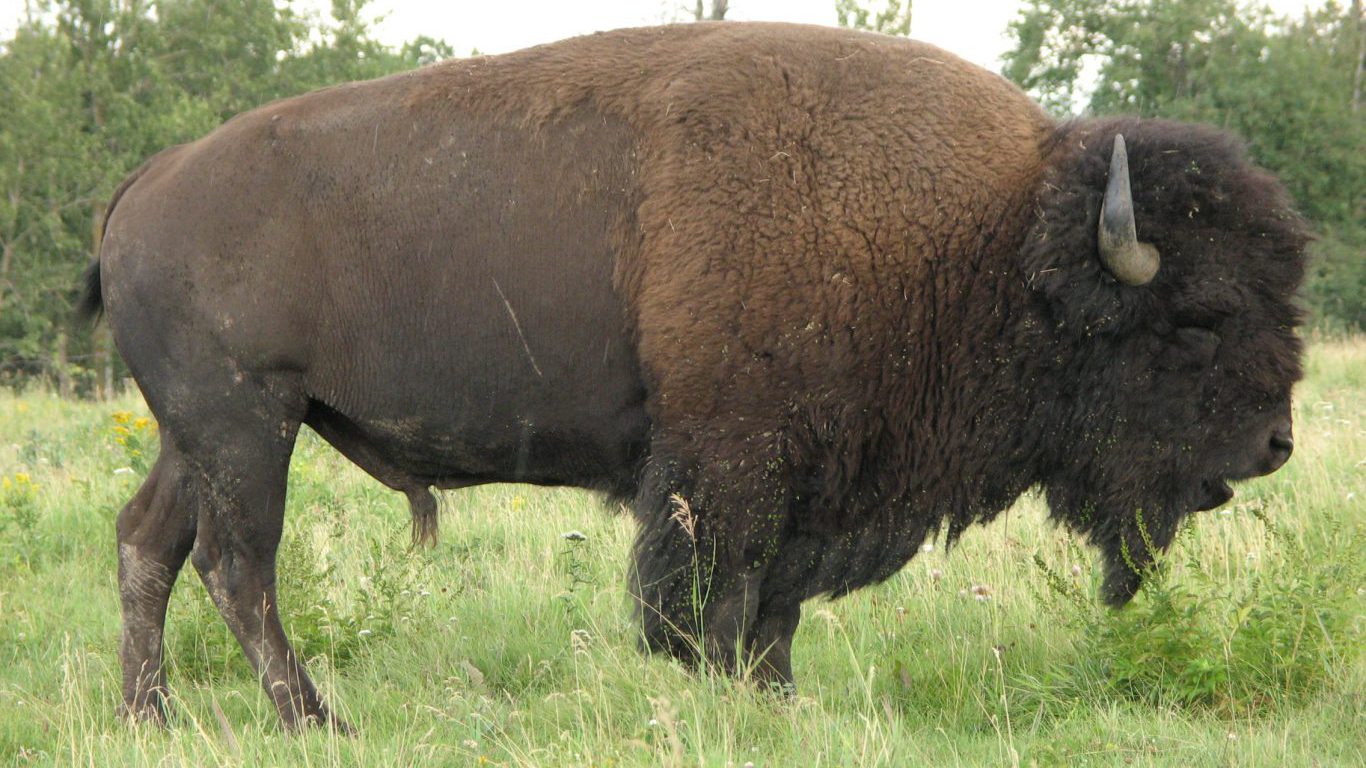
ceasol / Wikimedia Commons

Buffalo in Kansas.

Buffalo stomachs were used to create the tipi cover and could be used to boil water. The cleaned stomach was placed in the bottom of a pit and held in place with stakes. Water was then poured into the stomach and rocks from a fire were placed in the water. Eventually, the water would boil and the stomach would keep it clean.

When not used for boiling water, the stomach was used as a cup, pot, or bucket.

Everything Else
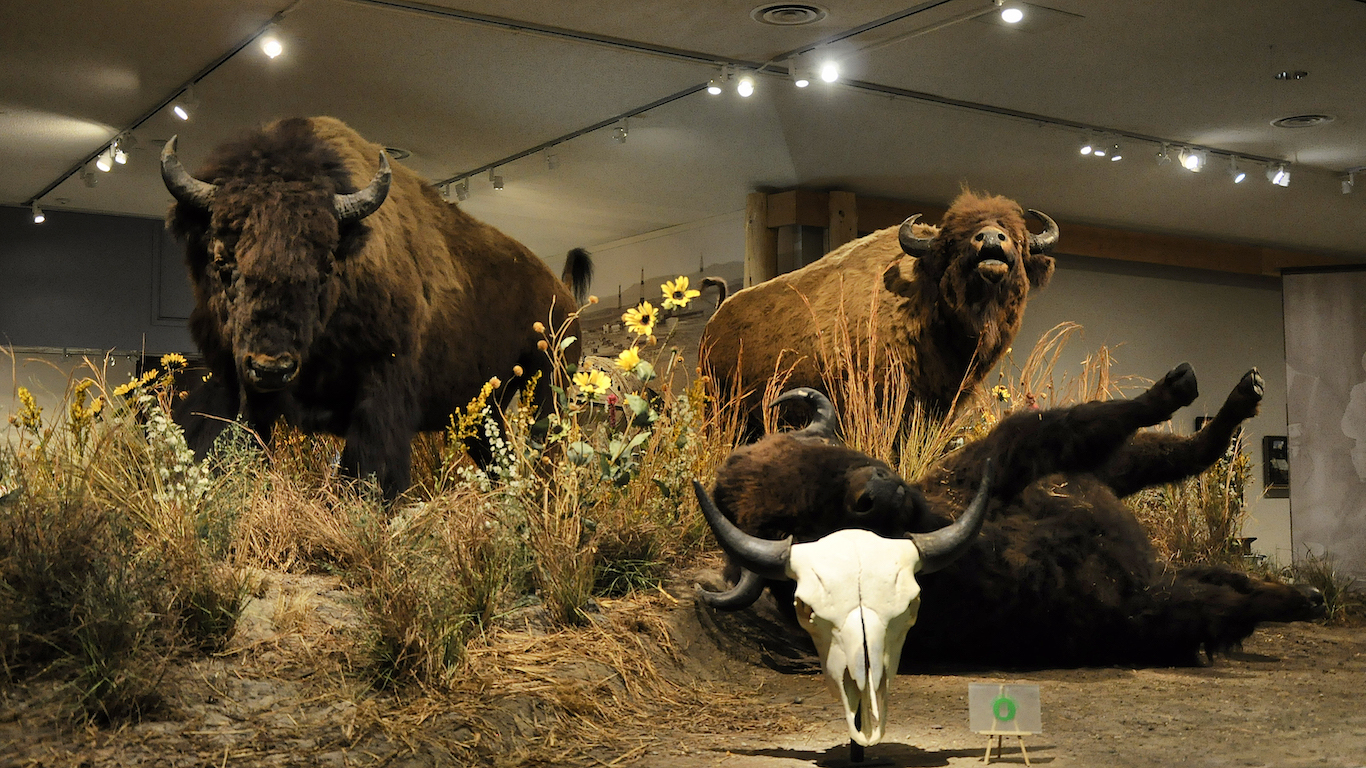
Paul Hermans / Wikimedia Commons

Buffalo in a museum.

Buffalo tails were used as fly swatters (which makes sense since that’s what they were used for when the buffalo was still alive), and the buffalo sinew was used as a string or cord to help tie things together. The hair of the buffalo was also used to make ropes or as decoration.

The fat of the buffalo was used as cooking oil or to make soap. And, while not generally harvested from the body of the buffalo itself, its excrement makes a fantastic fuel for fires.

Whatever the tribe couldn’t use immediately would be preserved to trade with other tribes or colonizers.

Anything else that was left over, like hooves, was rendered down and used to make glue for various uses. Contrary to popular belief, buffaloes are not used to make buffalo wings.


Photo of Aaron Webber
About the Author Aaron Webber →

Aaron Webber is a veteran of the marketing, advertising, and publishing worlds. With over 15 years as a professional writer and editor, he has led branding and marketing initiatives for hundreds of companies ranging from local Chicago restaurants to international microchip manufacturers and banks. Aaron has launched new brands, managed corporate rebranding campaigns, and managed teams of writers in the education and branding agency industries. His experience extends to radio spots, mailers, websites, keynote presentations, TED talks, financial prospecti, launch decks, social media, and much more.

He is now a full-time freelance writer, editor, and branding consultant. Most of his work is spent ghost-writing for corporate executives, long-form articles, and advising smaller agencies on client projects.

Aaron’s work has been featured on INC.com and The Huffington Post. He has written for Fortune 100 companies and world-class brands. His extensive experience in C-suite ghostwriting has launched the personal branding initiatives of dozens of executives. He is a published fiction writer with publishing credits in science fiction, horror, and historical fiction.

Aaron graduated from Brigham Young University with a bachelor’s degree in macroeconomics, and is the owner and primary contributor of The Lost Explorers Club on www.lostexplorersclub.com. He spends his free time teaching breathwork and hosting healing ceremonies in his home.

Featured Reads

Our top personal finance-related articles today. Your wallet will thank you later.

Continue Reading

Top Gaining Stocks

CBOE Vol: 1,568,143
PSKY Vol: 12,285,993
STX Vol: 7,378,346
ORCL Vol: 26,317,675
DDOG Vol: 6,247,779

Top Losing Stocks

LKQ
LKQ Vol: 4,367,433
CLX Vol: 13,260,523
SYK Vol: 4,519,455
MHK Vol: 1,859,865
AMGN Vol: 3,818,618