Did Amazon Kill Sears? Only a Little

Photo of Douglas A. McIntyre
By Douglas A. McIntyre Updated Published
This post may contain links from our sponsors and affiliates, and Flywheel Publishing may receive compensation for actions taken through them.
Did Amazon Kill Sears? Only a Little

© http://abcnews.go.com/

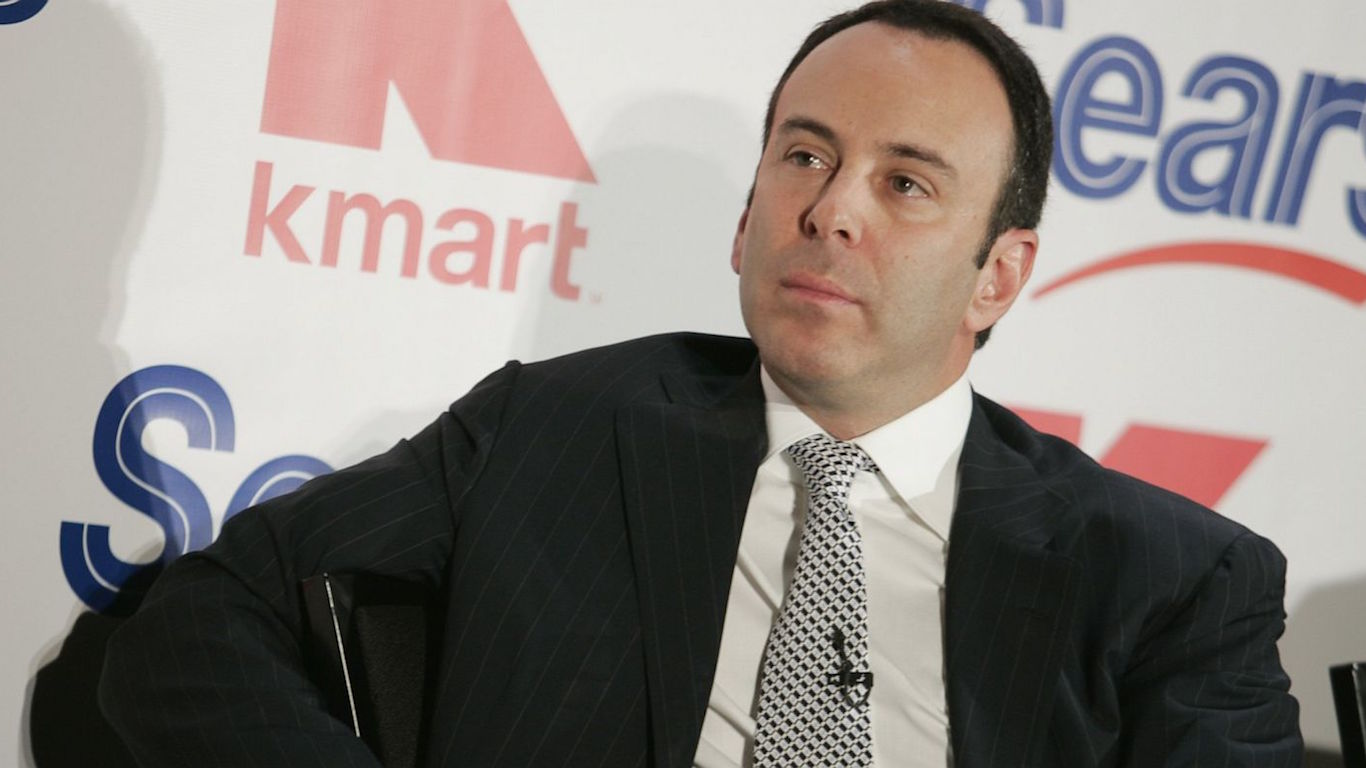
When hedge fund operator Eddie Lampert announced a deal for Kmart Holding Corp. to buy Sears, Roebuck and Co. in 2004, he had an inauspicious start. Kmart came out of bankruptcy in 2003. Even if the reason was that Kmart was overburdened with debt, its operations were not healthy enough to support the leverage.

The new company, Sears Holdings Corp. (NASDAQ: SHLD), did not start to fall apart right away. However, a decade after the deal, the company was reeling. When old-line retailers begin to crumble and then go under, the major culprit for causing the demise is usually identified as Amazon.com Inc. (NASDAQ: AMZN). For Sears, that is only moderately true. Much of the harm it suffered was self-inflicted.

For some reason, Lampert believed that merging two retailers into one offered synergies that included economies of scale. By maintaining two brands, two sets of stores, two requirements to market the brands and support them with advertising, and two sets of workers, he undermined most of what might have been a benefit. He likely reasoned that each of the two brands was strong enough to justify the strategy. That was only true until Sears and Kmart stores aged, and, based on most accounts, Lampert made very little investment in them.

Like every other major retail brand, Sears and Kmart had the brands to be successful online, if they had gotten to market early and made an appropriate investment. They did not start this aggressive strategy. Even industry leader Walmart Inc. (NYSE: WMT) was slow to move online. Despite its size, e-commerce sales are a single digit portion of its revenue. Retail experts believe that number may never improve much.

[nativounit]

Amazon was founded in 1994, a decade before Sears Holding was founded. Lampert, therefore, had the opportunity to observe Amazon’s business model as its revenue soared. He almost completely ignored it. Sears.com and Kmart.com never had market share in the sector. So Lampert made three mistakes. First was the theory behind the merger. Next was his neglect of its locations. And, finally, he did not look over the fence to see that Amazon’s grass actually was greener on the other side.

[recirclink id=498487]

[wallst_email_signup]

Photo of Douglas A. McIntyre
About the Author Douglas A. McIntyre →

Douglas A. McIntyre is the co-founder, chief executive officer and editor in chief of 24/7 Wall St. and 24/7 Tempo. He has held these jobs since 2006.

McIntyre has written thousands of articles for 24/7 Wall St. He is an expert on corporate finance, the automotive industry, media companies and international finance. He has edited articles on national demographics, sports, personal income and travel.

His work has been quoted or mentioned in The New York Times, The Wall Street Journal, Los Angeles Times, The Washington Post, NBC News, Time, The New Yorker, HuffPost USA Today, Business Insider, Yahoo, AOL, MarketWatch, The Atlantic, Bloomberg, New York Post, Chicago Tribune, Forbes, The Guardian and many other major publications. McIntyre has been a guest on CNBC, the BBC and television and radio stations across the country.

A magna cum laude graduate of Harvard College, McIntyre also was president of The Harvard Advocate. Founded in 1866, the Advocate is the oldest college publication in the United States.

TheStreet.com, Comps.com and Edgar Online are some of the public companies for which McIntyre served on the board of directors. He was a Vicinity Corporation board member when the company was sold to Microsoft in 2002. He served on the audit committees of some of these companies.

McIntyre has been the CEO of FutureSource, a provider of trading terminals and news to commodities and futures traders. He was president of Switchboard, the online phone directory company. He served as chairman and CEO of On2 Technologies, the video compression company that provided video compression software for Adobe’s Flash. Google bought On2 in 2009.

Featured Reads

Our top personal finance-related articles today. Your wallet will thank you later.

Continue Reading

Top Gaining Stocks

CBOE Vol: 1,568,143
PSKY Vol: 12,285,993
STX Vol: 7,378,346
ORCL Vol: 26,317,675
DDOG Vol: 6,247,779

Top Losing Stocks

LKQ
LKQ Vol: 4,367,433
CLX Vol: 13,260,523
SYK Vol: 4,519,455
MHK Vol: 1,859,865
AMGN Vol: 3,818,618