


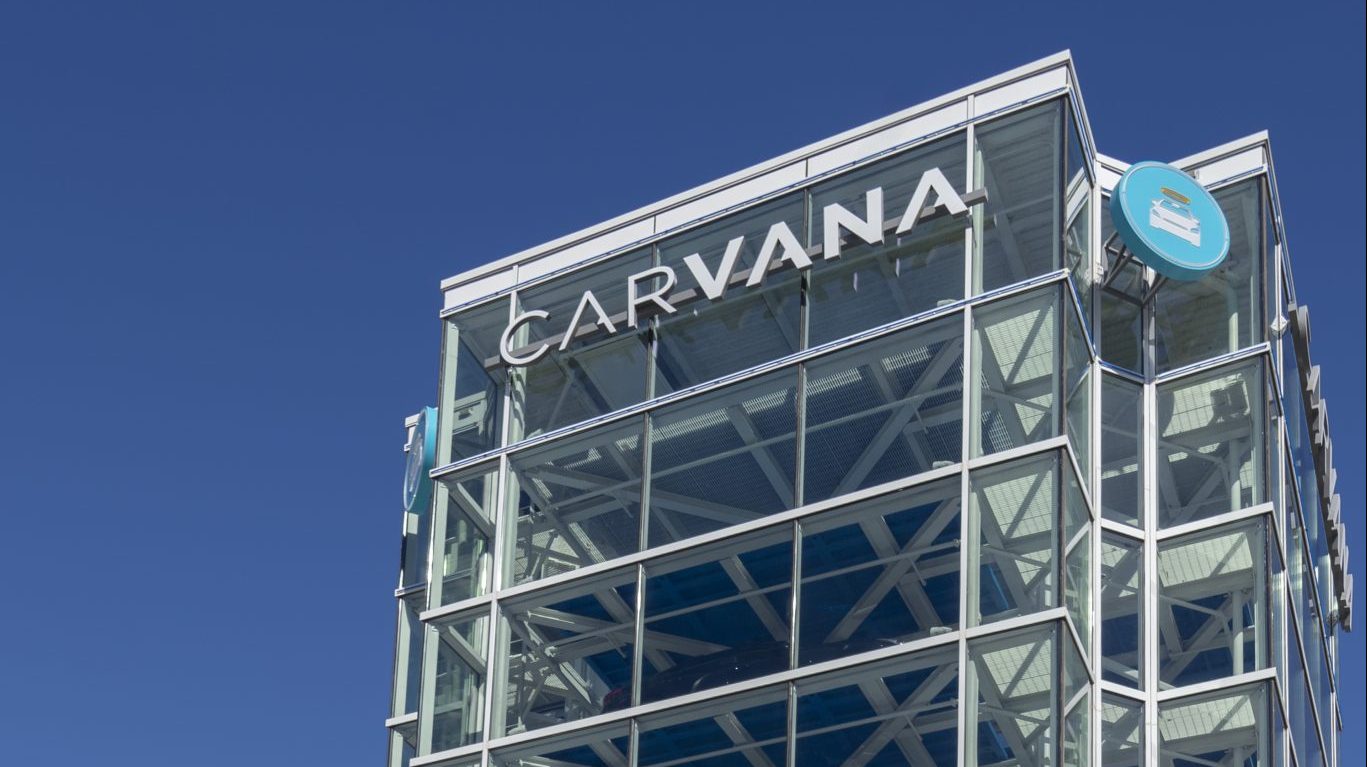
This week, 24/7 Wall St. is featuring four candidates for the “Worst CEO of 2022” title. Among the yardsticks are stock price, strategic blunders and whether these chief executives have volunteered to resign or take large cuts in compensation when they dismiss workers. The first nominee was Mark Zuckerberg.
The second nominee is Ernie Garcia III, the board chair, president and chief executive officer of used car sales start-up Carvana. Until just a few months ago, its new-age way of buying and selling used cars was considered the wave of the future. In reality, it was similar to the traditional way these transactions have happened.
Garcia’s vision of the used car industry fell apart quickly as car loan rates rose over the past several months and used car inventories rose as well, undermining prices. For several months before that, he took advantage of low-interest rates and a tight car market. This changed as interest rates soared due to Federal Reserve action and more new cars came off the assembly line. New car inventory had been at the lowest levels in years as supply chain restraints halted the manufacture of some models completely. This, in turn, pushed people to the used car market, and prices there also started to rise.
The Carvana model was flawed from the start. In place for years, the model was based on people selling or turning in used cars to dealers or their middlemen. Alternatively, owners sold directly to other owners. The single flaw was that people needed to be sure about the condition of the used cars they were buying. Online buying sites started to offer short-time warranties. Products like CarFax allow buyers to look at service and accident records. Lightly used cars were often “certified” by their manufacturers to give buyers comfort.
[nativounit]
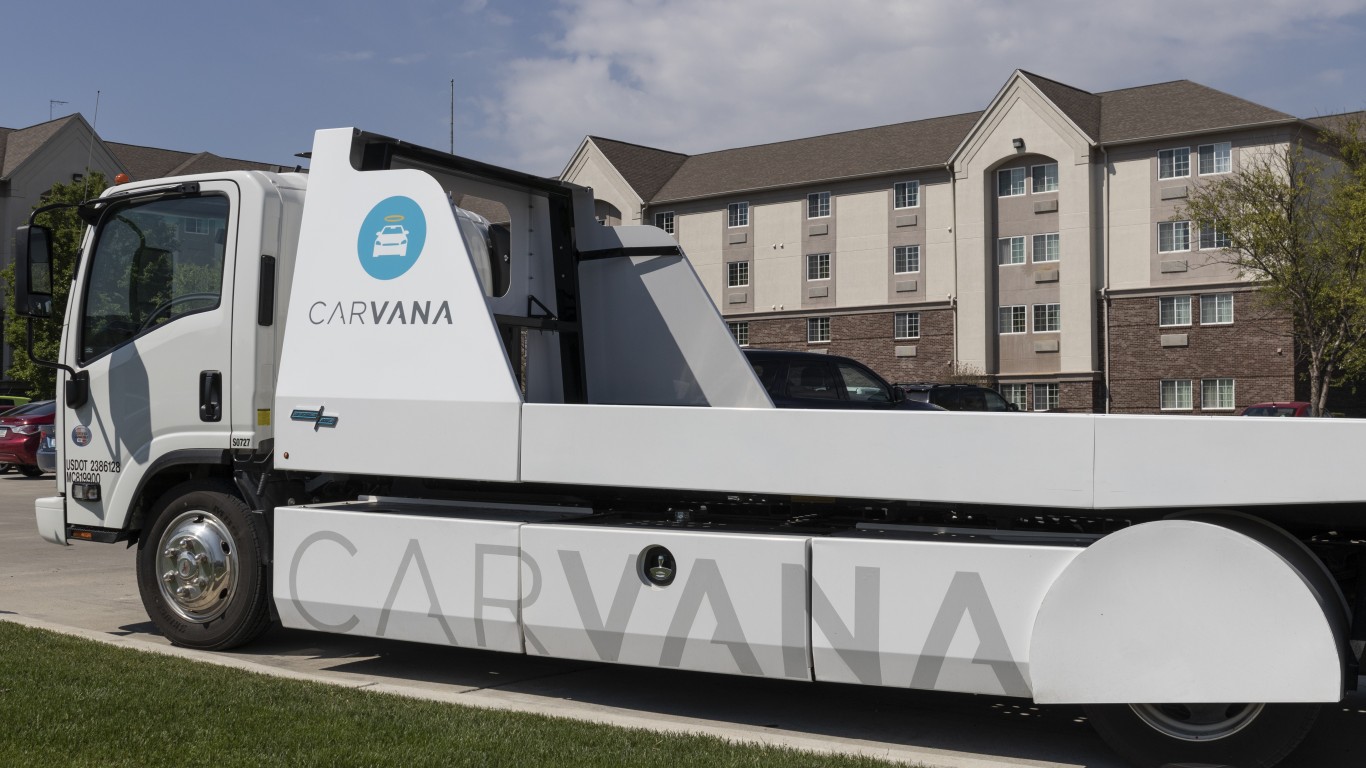
Carvana allowed people to sell or trade in their cars. These then were sold after inspections, and they carried limited warranties. Buyers could have their cars delivered or pick them up from multistory kiosks that acted as car vending machines. Carvana also offered financing, which was meant to be a major source of income.
[wallst_email_signup]
Like a lot of tech companies (used car companies really are not tech companies), Carvana expanded rapidly. When the music stopped, Garcia fired about 20% of the company’s workforce in two waves. That totaled about 2,000 people.
[recirclink id=1187429]
For the third quarter, Carvana posted atrocious results. Over the past year, Carvana’s share price peaked at $274.35. It now trades for under $8.
Bank of America says the stock could go to zero. It would be hard to find a CEO who wrecked a company so quickly.









 Top Gaining Stocks
 Top Losing Stocks