



After news that two large creditors plan to cooperate in dividing up the assets of used car company Carvana Co. (NASDAQ: CVNA | CVNA Price Prediction), the stock collapsed to under $4. It will drop to $1 soon, unless management can produce a miracle.
CNBC reported on the situation facing Carvana management: the “used car retailer’s largest creditors signed a deal binding them to act together in negotiations with the company.” Apollo Global Management and Pacific Investment Management are among these. Apollo was run for years by disgraced billionaire Leon Black.
Carvana’s stock trades at $3.95. Its 52-week high is $274.35. It is rare to see a stock fall this much so fast.
Ernie Garcia III is Carvana’s board chair, president and chief executive. Garcia’s vision of the used car industry fell apart as car loan rates rose over the past several months and used car inventories rose, undermining prices. For several months before that, he took advantage of low-interest rates and a tight car market. This changed as interest rates soared due to Federal Reserve action and more new cars came off the assembly line. New car inventory had been at the lowest levels in years as supply chain restraints completely halted some models’ manufacture. This, in turn, pushed people to the used car market, and prices there also started to rise.
[nativounit]
The Carvana model was flawed from the start. In place for years, the model was based on people selling or turning in used cars to dealers or their middlemen. Alternatively, owners sold directly to other owners. The single flaw was that people needed to be sure about the condition of the used cars they were buying. Online buying sites started to offer short-time warranties. Products like CarFax allow buyers to look at service and accident records. Lightly used cars were often “certified” by their manufacturers to give buyers comfort.
[wallst_email_signup]
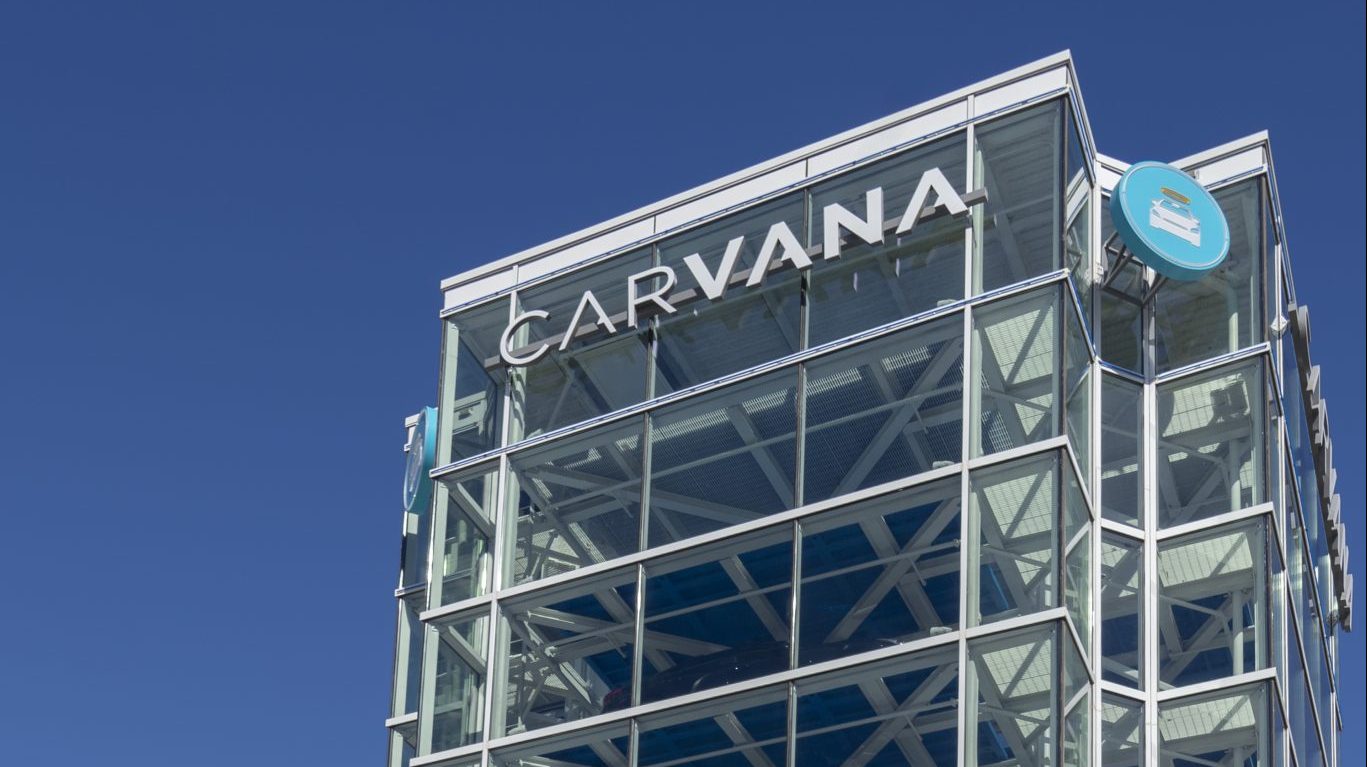
Carvana allowed people to sell or trade in their cars. These were then sold after inspections, and they carried limited warranties. Buyers could have their cars delivered or pick them up from multistory kiosks that functioned as car vending machines. Carvana also offered financing, which was meant to be a major source of income.
[recirclink id=1187086]
Like many tech companies (used car companies are not tech companies), Carvana expanded rapidly. Garcia fired about 20% of the company’s workforce, in two waves, when the music stopped. That totaled about 2,000 people.
Garcia will be remembered as the architect of a major U.S. company failure.










 Top Gaining Stocks
 Top Losing Stocks