


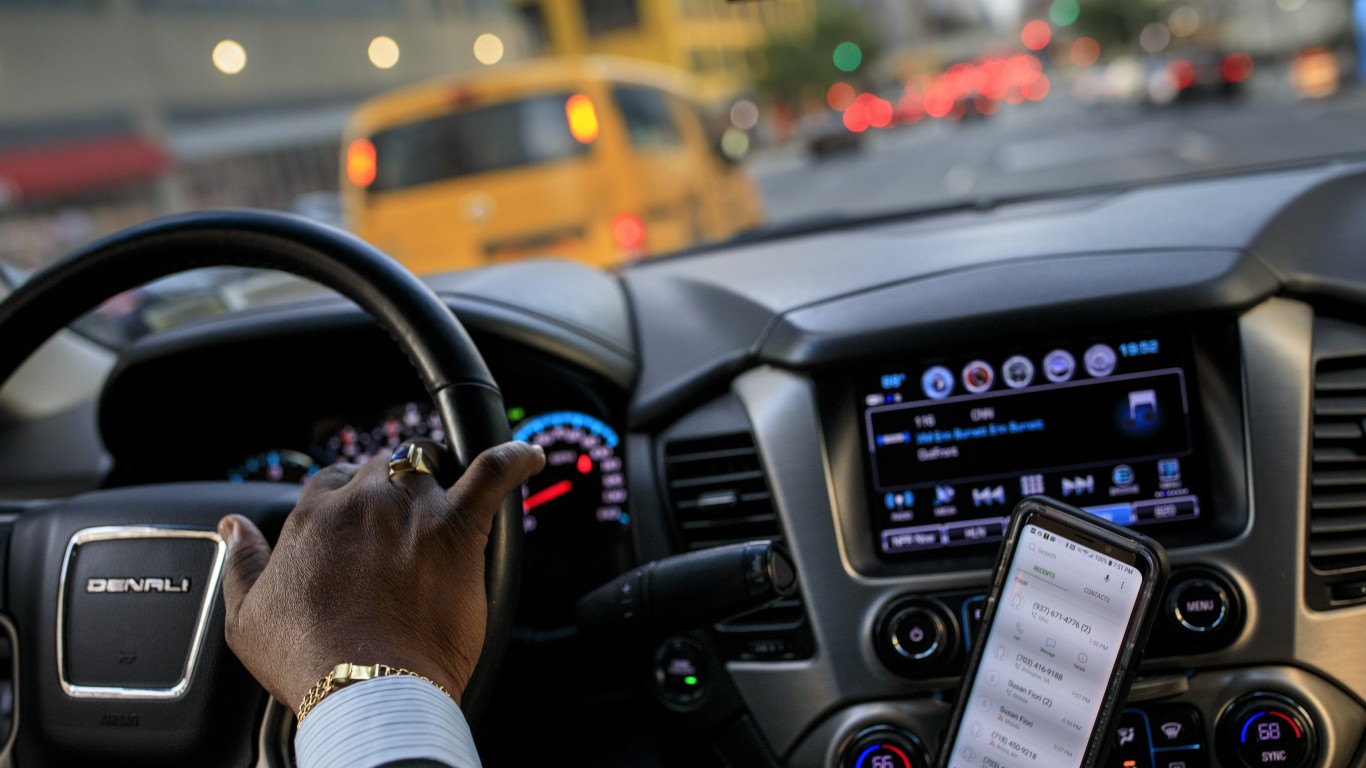
A class-action lawsuit has been filed against Lyft Inc. (NASDAQ: LYFT | LYFT Price Prediction) by a former driver in Washington, D.C., contending that the company is violating a local law on paid sick days.
The driver, Cassandra Osvatics of Bowie, Maryland, says the company is contributing to the spread of COVID-19 by its failure to provide paid time off for drivers who are ill.
“Given the current COVID-19 pandemic, which some experts predict could last for years, the need for paid sick leave is vitally important,” the complaint says. “Lyft forces its drivers into a Hobbesian choice: risk their lives (and the lives of their passengers) or risk their livelihoods.” The suit was filed Friday in U.S. District Court for the District of Columbia.
This is the latest legal challenge to Lyft’s designation of drivers as independent contractors instead of employees. If successful, the suits could upend a vital part of the business models of Lyft and other ride-hailing services, like Uber Technologies Inc. (NYSE: UBER).
[nativounit]
Osvatics’ lawsuit cites the D.C. Accrued Sick and Safe Leave Act, which went into effect in 2008 and has been updated since then. The law entitles workers in the District of Columbia to about seven paid sick days a year if they work 2,000 hours.
Controlled by the App
The complaint lists dozens of specifics related to how Lyft oversees and controls the actions of the ride-sharing drivers. It points out that drivers are required to use the Lyft app and that the company can deny access to the app if the driver violates any of a number of policies.
Lyft says that it has taken significant steps to help drivers during the coronavirus pandemic and that changing their status could put that assistance at risk. Ride-sharing by its nature makes it difficult to employ social-distancing steps.
“Lyft is committed to helping drivers during the pandemic, which is why we’re providing funds to those who are diagnosed with Covid-19 and helping drivers access federal relief that includes paid sick leave,” Lyft said in an emailed statement. “Forced reclassification would jeopardize access to thousands of dollars in federal funds at the worst possible time.”
Friday’s lawsuit calls what Lyft is offering drivers because of the pandemic a “vague and limited” measure that is not enough to comply with the requirements of the District of Columbia law.
Multiple Legal Challenges
Ride-sharing services have encountered a number of legal challenges to their classification of drivers as independent contractors.
Last month a federal judge in Boston declined to order Lyft to give its drivers in Massachusetts 14 days paid sick leave while a lawsuit challenging the classification of drivers is pending. U.S. District Judge Indira Talwani noted that the drivers are entitled to COVID-19 benefits authorized by Congress. She said they will not be irreparably harmed if they are deprived of the paid sick leave under Massachusetts law.
On May 5, California’s attorney general filed suit against Uber and Lyft, contending that they improperly classify their drivers as independent contractors and evade workplace protections.
The cities of Los Angeles, San Francisco and San Diego also joined in the suit that was brought under a new state law that is intended to protect workers in the “gig economy.”
[recirclink id=708879]
“No business model should hang its success on mistreating workers and violating the law,” California Attorney General Xavier Becerra said in a live-streamed news conference after the suit was filed.
Lyft said in a statement last month that it would work with the attorney general and the three cities “to bring all the benefits of California’s innovation economy to as many workers as possible.” But it did not say whether it was pursuing a settlement or would fight the lawsuit in court.
A Matter of Interstate Commerce?
Many employment cases brought against ride-sharing companies have been sent to arbitration. But last year, the U.S. Supreme Court ruled that a federal law for transportation workers engaged in interstate commerce allowed a trucker to refuse arbitration for his claims.
In the District of Columbia suit, the Lyft driver’s lawyer contends that drivers in D.C. qualify for the exception because they routinely cross state lines, especially when taking passengers to the airports in the area.
Lyft shares rose on Monday, closing at $32.80. That is about 100% higher than the price the stock hit in mid-March when the S&P 500 plunged because of the pandemic. The 52-week range is $14.56 to $68.33.
[wallst_email_signup]











 Top Gaining Stocks
 Top Losing Stocks