


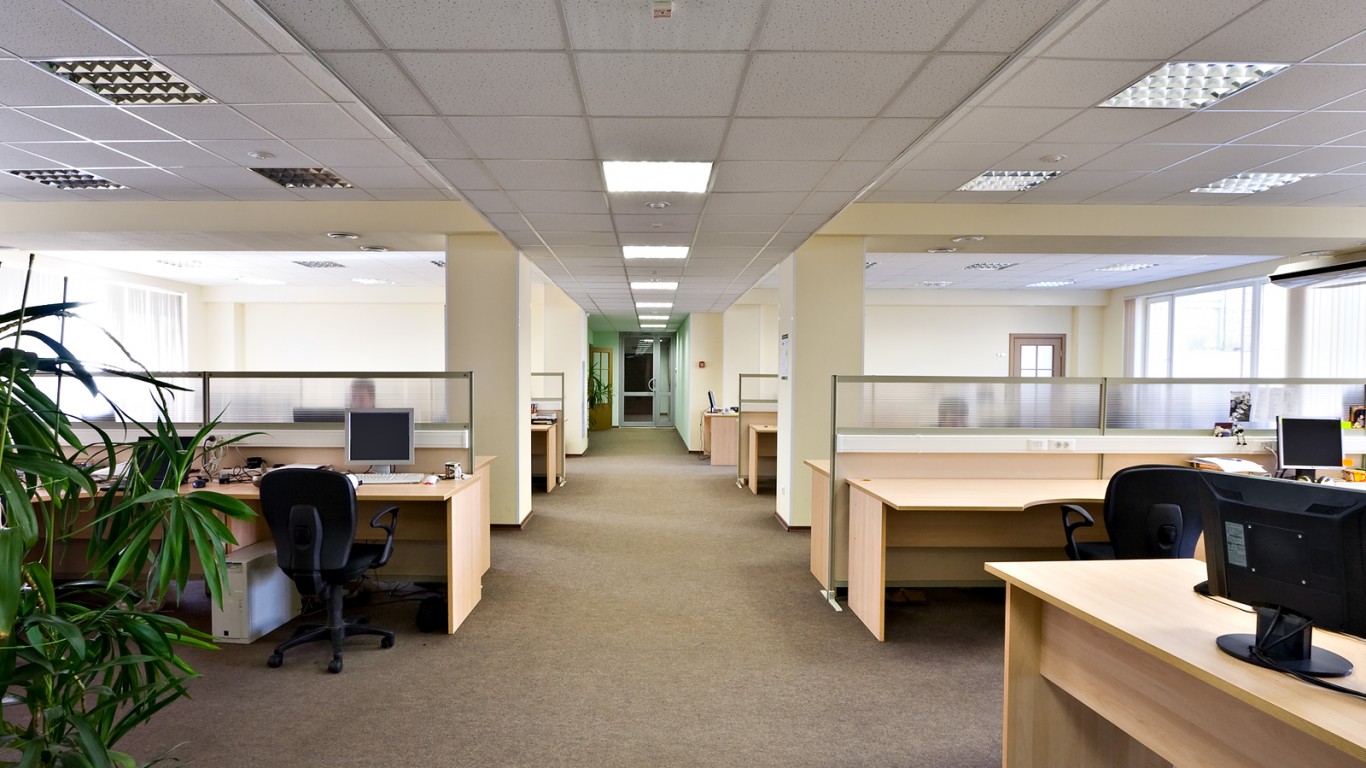
As a result of the pandemic, WeWork may become successful as companies large and small look for places to park workers until they decide to reopen permanent offices. Or, like the movie theater business, it could collapse under the weight of the fear people have of enclosed spaces that house groups in an environment that is hard to keep safe and control. The second case is by far the more likely of the two.
WeWork already was wrecked by the idea that a nearly unlimited number of people wanted to spend money on high-end temporary offices. Free coffee and pleasant workspaces were not enough to support its growth financially. WeWork cratered under the weight of its own financial obligations. The pandemic nearly finished the job. Office buildings in cities around America, and in many places overseas, remain almost vacant. WeWork will need to be one of the first places companies come back to for it to have renewed success.
WeWork offices are inherently risky places to work. A number of companies often share one floor, one set of common spaces, a small number of bathrooms and common elevators. To clean all the surfaces, track COVID-19 carriers (many of whom are asymptomatic) and enforce mask-wearing and social distancing is impossible. WeWork is close to the ideal place for COVID-19 to spread.
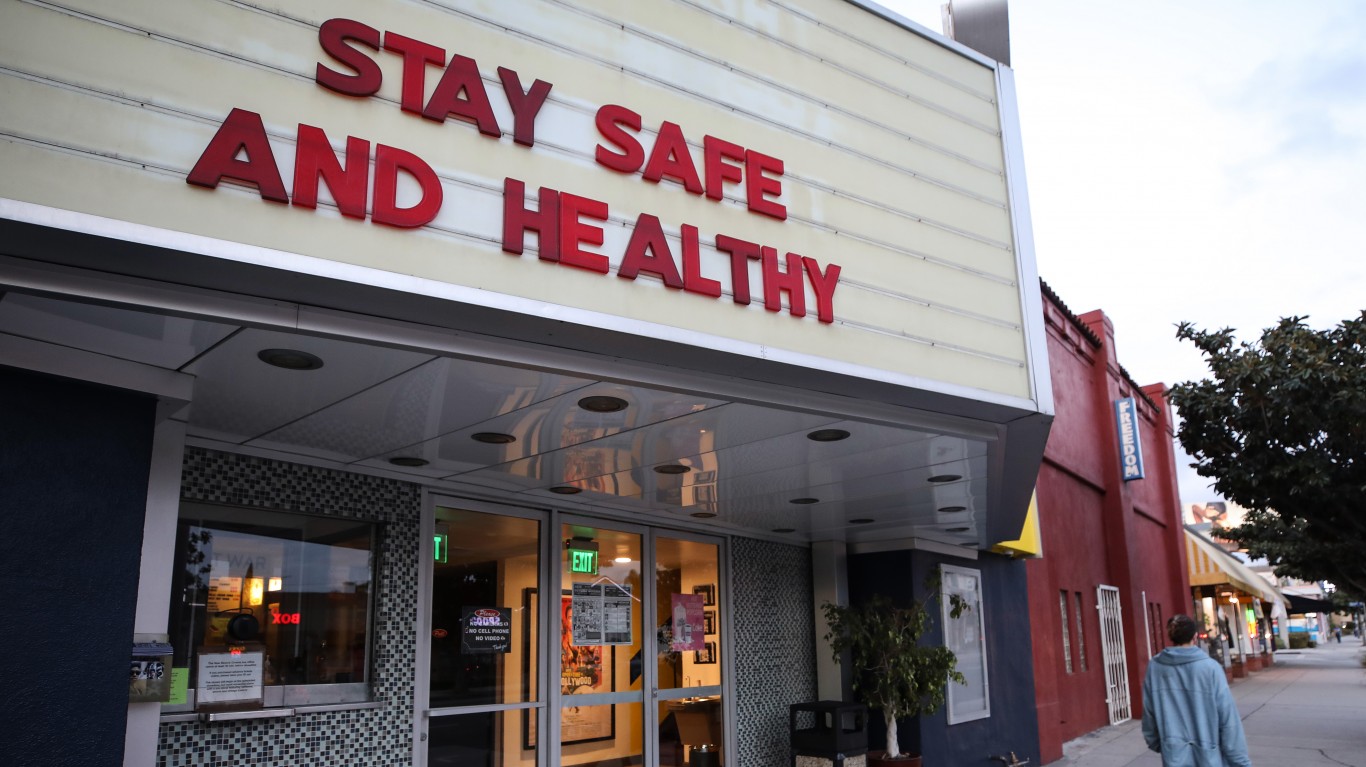
WeWork’s future can be seen through the lens of the movie theater business. Theaters have opened locations and tried to entice people with low ticket prices for widely anticipated films. Chains, led by AMC Entertainment Holdings Inc. (NYSE: AMC), have spaces where they can enforce strict measures to curb the spread of COVID-19. The chain has invested in a program put together in a partnership with Clorox. The program is arguably among the most complete to keep people safe.
[nativounit]
AMC’s stock continues to languish due to lack of evidence its seats, the numbers of which were cut for safety reasons, are full. And the seat count, critical to profits, may remain low for months or even years, simply for safety. Another surge in the spread of COVID-19 could shutter many of them suddenly.
WeWork already suffers from a harsh reputation. Its former CEO took financial advantage of the company. Employees, poorly paid and hoping for a real payday when the company went public, were laid off by the thousands. The attraction of above-average shared office space was lost when hundreds of its tenants faced COVID-19-driven financial challenges. Now, it has to pitch the safety of an environment that cannot be kept much safer than a theater or a college campus.
WeWork’s potential success is long behind it. COVID-19 slammed a chance at recovery. Until the pandemic is over, WeWork has the “movie theater” problem. Suppose you give a show and very few people come?
[recirclink id=737593]
[wallst_email_signup]











 Top Gaining Stocks
 Top Losing Stocks