



Among the greatest challenges for public health officials as they try to slow the spread of COVID-19 are the supplies and effectiveness of vaccines. Currently, two have been approved for use. The Moderna vaccine and the Pfizer-BioNTech vaccine have been approved by the FDA for use for the general population of adults in America.
The two vaccines are different in terms of effectiveness, although the difference is small, and the amount of time between the first and second doses. According to the CDC, three other vaccines are in Phase 3 clinical trials, and could be added to the U.S. vaccine arsenal soon. The FDA just gave one of them a green light for distribution.
New vaccines could not come soon enough. The pace at which confirmed COVID-19 cases rise in the U.S. has tapered from over 200,000 a day to an average of under 100,000. Nevertheless, the confirmed case count is 28,325,091, about 25% of the world’s total. And, some scientists and medical experts think this figure is far too low because of poor testing and asymptomatic carriers.
Two forces will likely cause the acceleration or deceleration of new COVID-19 cases over the next few months. One is vaccination of as many people as possible. Today, only 13% of the adult population in the U.S. has received at least one dose. Only about 5% have received the recommended two shots. Vaccination rates have been slow, and in some states few doses are available at all. President Biden says the federal government has contracted for 200 million new doses, but all of those will not be delivered before the end of July.
As vaccination rates limp along, three new variants have reached America–from Brazil, South Africa, and the U.K. One of these variants from Great Britain known as B.1.1.7 strain, is more easily transmitted. It spreads so quickly that scientists believe it may be the most prevalent strain in the country by the end of March. An aggressive variant could cause another surge.
Click here to see three new vaccines may join fight against COVID-19, according to CDC.

The Moderna vaccine
The Moderna vaccine is one of the two currently in use. The Moderna vaccine’s official name is mRNA-1273. It is given in two doses and the recommendation is that those are 28 days apart. The shots are to be given in the upper arm. It is only recommended for people ages 18 and older. According to the CDC, common side effects include pain, swelling, and redness at or near the vaccination site.
[in-text-ad]
The Pfizer vaccine
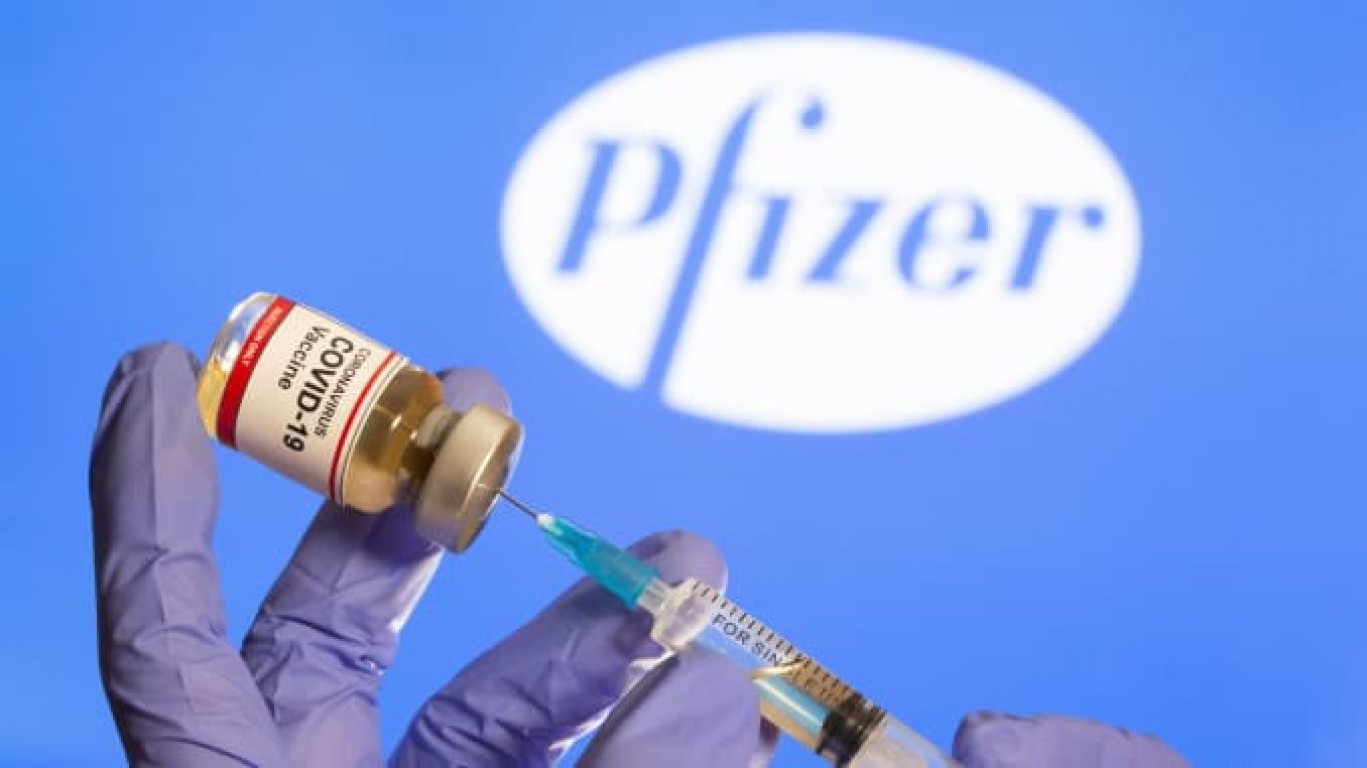
The Pfizer BioNTech is officially named mRNA. It is to be given in two shots, 21 days apart. Shots are to be given in the muscle of the upper arm. Other than the side effects in the area around where the shot was given, those vaccinated may also experience chills, tiredness, and headaches.
[recirclink id=841653]

The AstraZeneca vaccine
The CDC says the first of the three vaccines in Phase 3 clinical trials is AstraZeneca’s COVID-19 vaccine. Recently, the company announced that the vaccine has been granted “Emergency Use Listing by the World Health Organization for active immunisation to prevent COVID-19 in individuals 18 years of age and older, including those over 65.” Its U.S. use would need to be approved by the FDA. It is uncertain whether that will happen soon. There is concern that it may not be effective against the B.1.351 variant from South Africa, among other issues.

Johnson & Johnson trials
Janssen’s COVID-19 vaccine has been developed by a division of Johnson & Johnson. The NIH recently commented on the last trial results. The agency reported,”it appears to be safe and effective at preventing moderate and severe COVID-19 in adults, according to an interim analysis of Phase 3 clinical data conducted Jan. 21.” It can be given in one dose and can be stored in a refrigerator for months.
[in-text-ad-2]
Novavax trials
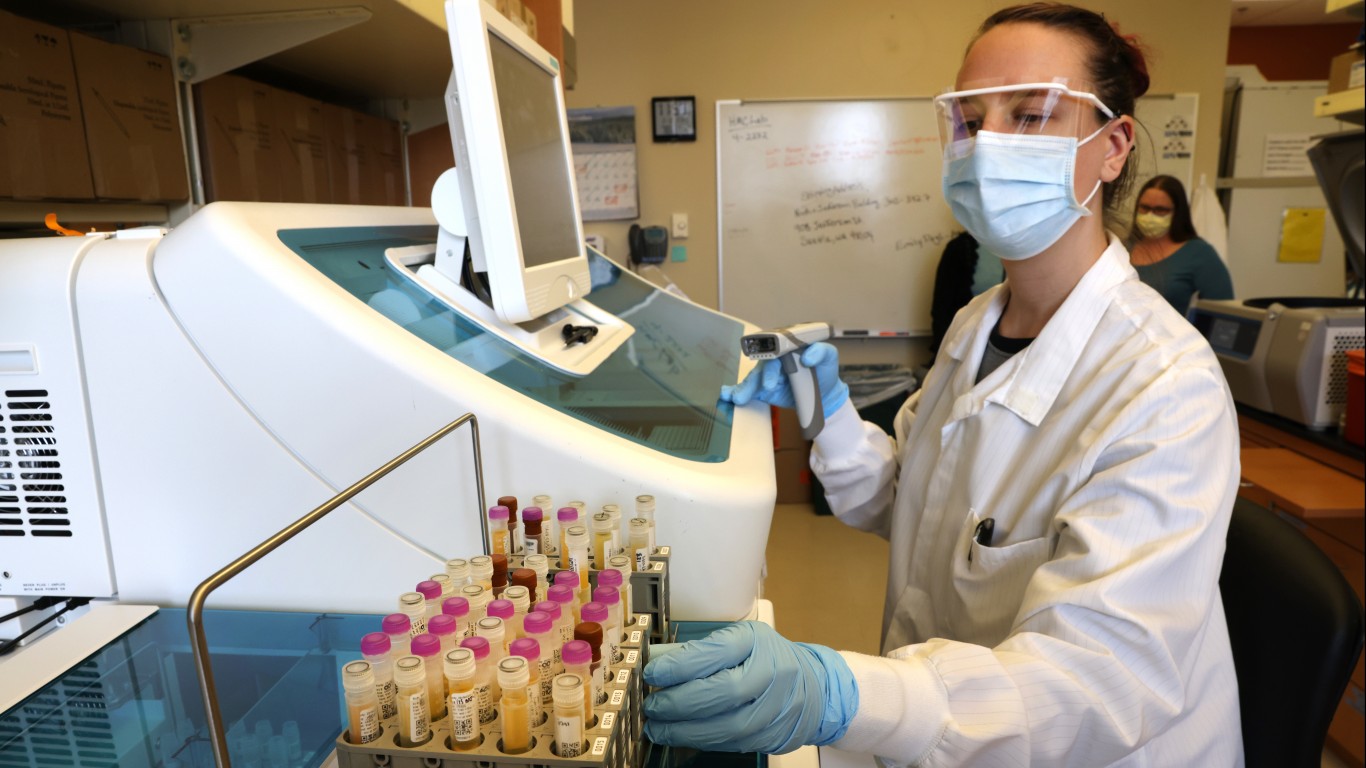
Novavax’s COVID-19 vaccine was found to be 90% effective in Phase 3 clinical trials. However, according to Fierce Biotech, its performance dropped sharply when “pitted it against another variant first identified in South Africa, intensifying concerns that updated prophylactics will be needed to protect against the evolving virus.” Eventually, the existence of new variants could be a challenge for even those vaccines that have been approved.











 Top Gaining Stocks
 Top Losing Stocks