



It must be hard for the public to gauge the COVID-19 situation in the U.S. The rates at which cases and deaths rise each day has slowed. Vaccines are in the early stages of distribution, but much of the U.S. has not been vaccinated. And, questions have arisen about how long people need to social distance and wear masks persist as infections drop and vaccinations rise.
It is well to remember that over 500,000 Americans have died of COVID-19, a mind numbing number–more than the figure of American combatants who died in WWI, WWII, and the Vietnam War combined. And deaths continue to rise at over 1,000 most days. The U.S. death number is 20% of the world’s total.
Another lingering question is how many people have actually been infected. The official figure is about 28 million. Some epidemiologists believe the number is double that because of low rates of testing and asymptomatic carriers.
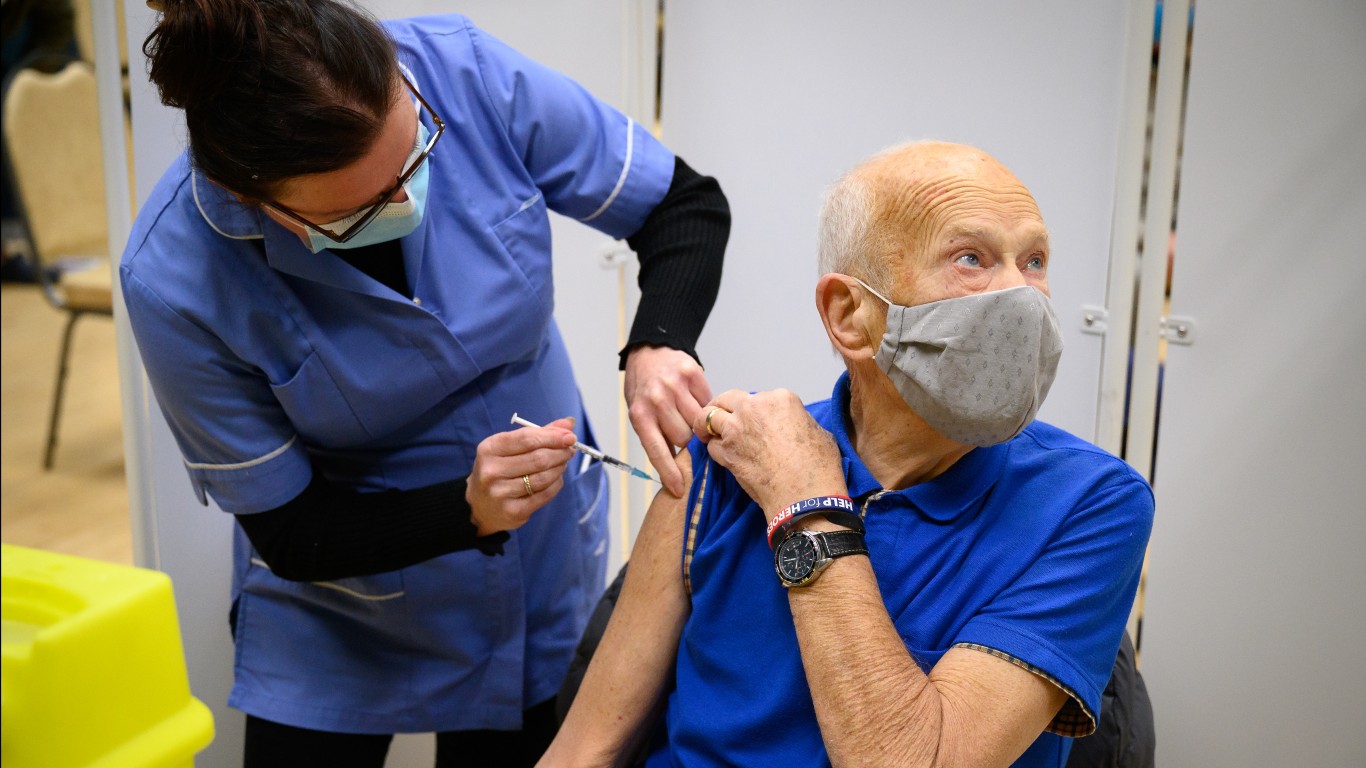
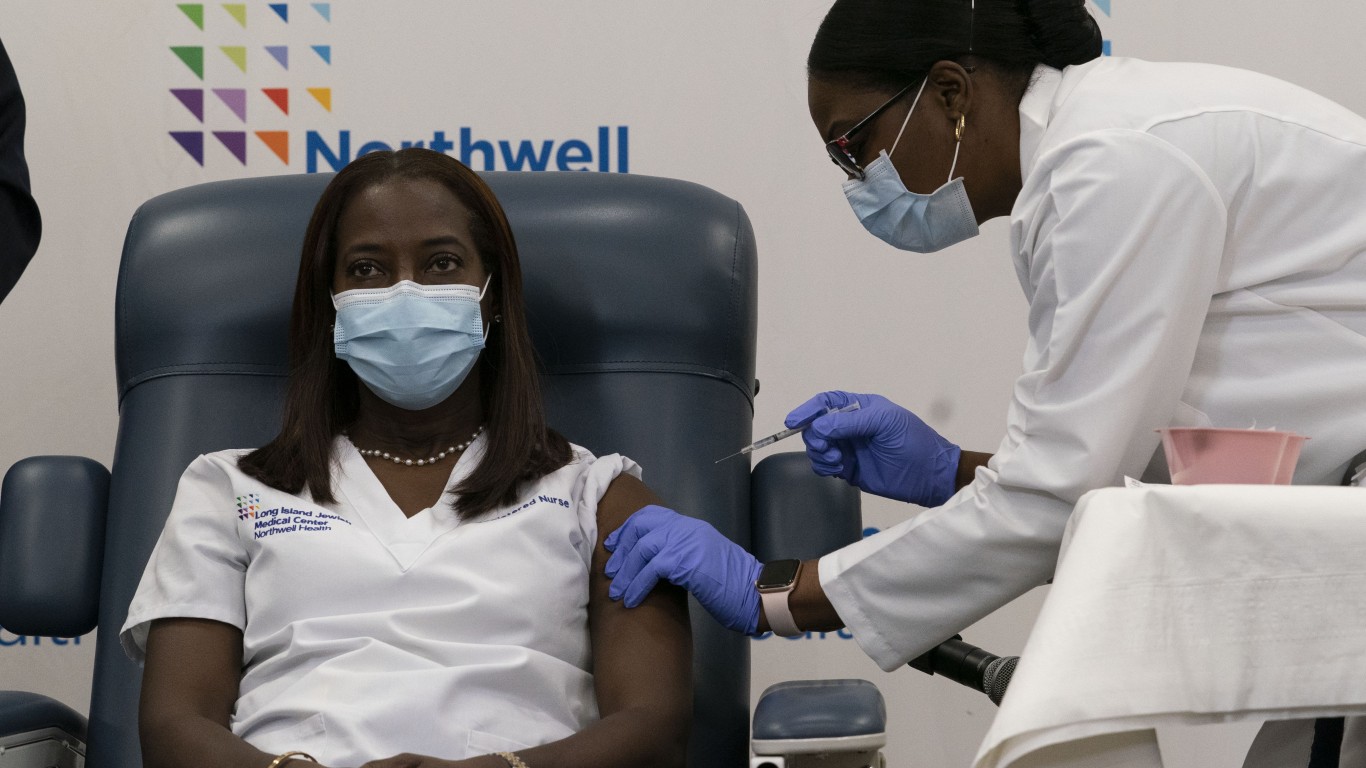
Additionally, the rate of vaccinations has been slow, particularly based on forecasts by the Trump Administration in December. At this point only about 14% of American adults have been given at least one dose of vaccine. Less than 7% have been given the two shots necessary to be fully inoculated. These are the states getting the most vaccine from the federal government.
Against these backdrops, the new CDC Director Dr. Rochelle Walensky expressed concern about public trends.
Click here to see what the new CDC chief just raised this alarm about COVID-19.
The Pandemic Is Not Over
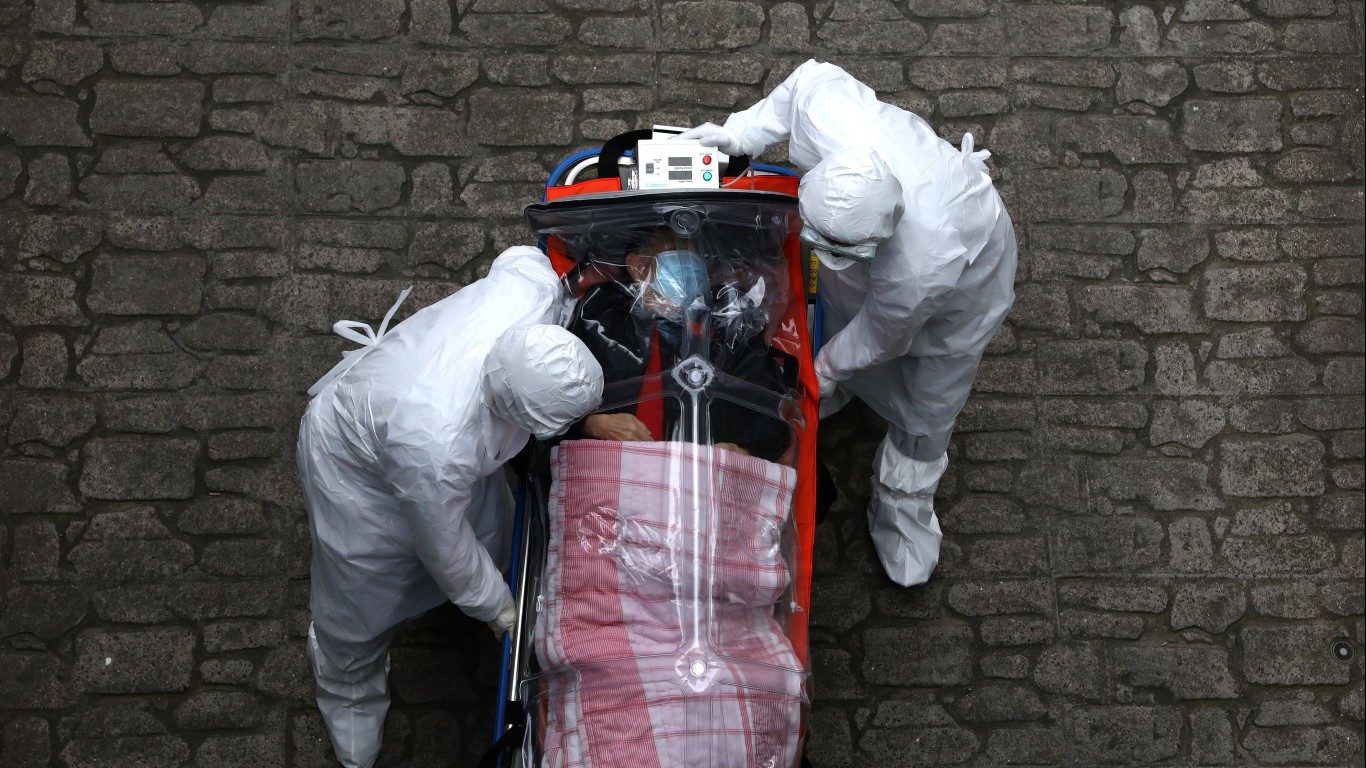
Although the rate at which COVID-19 has spread in America is much lower than a month ago, on many days, the number of new confirmed cases tops 50,000. And, in some parts of the country, the rates are much faster. Additionally, over 1,000 Americans die of COVID-19 each day.
Dr. Walensky cautioned according to CNBC: “New, highly transmissible Covid-19 variants “stand to reverse” the nation’s control of the pandemic and could “undermine all of our efforts” against the disease if the virus is left to proliferate in different parts of the globe.”
[in-text-ad]
The Danger Of Variants
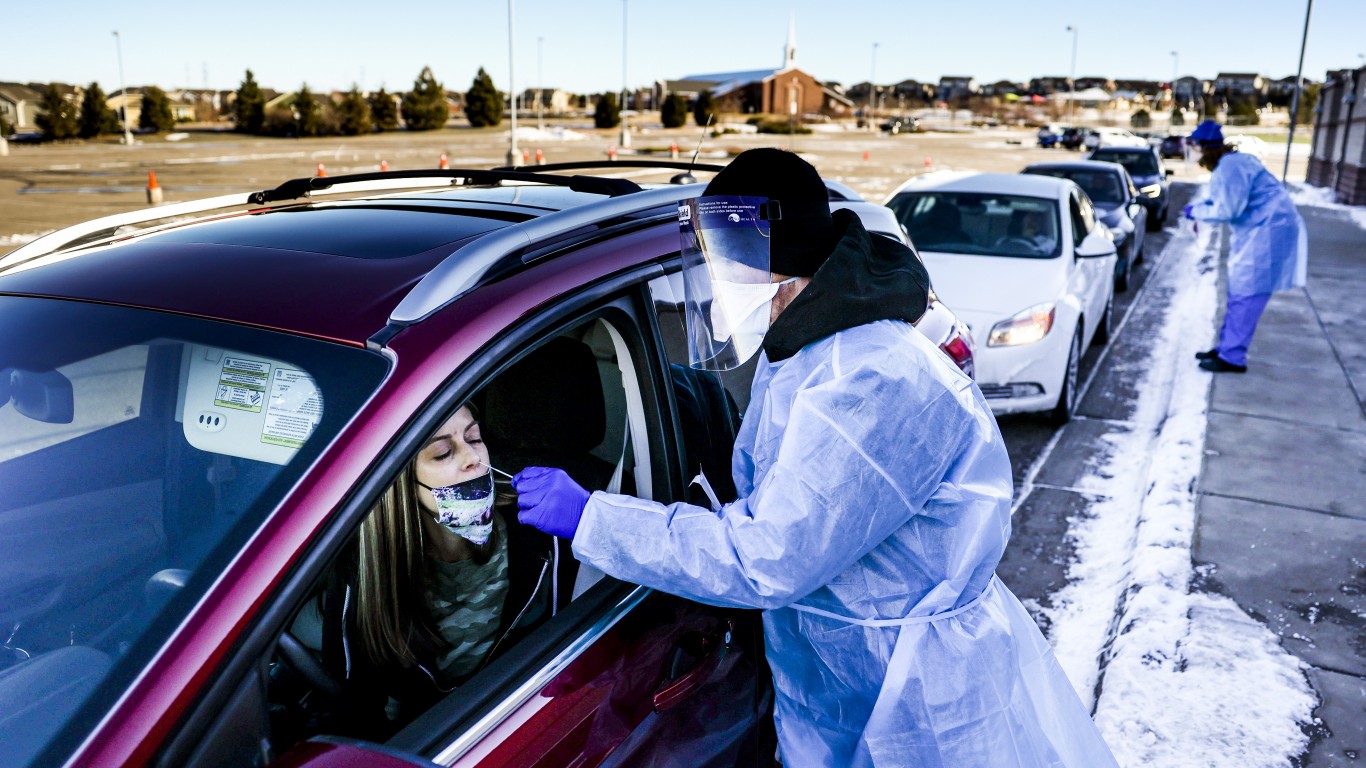
New variants of the disease have begun to spread across the country. Among the three most often mentioned, they originated in the U.K. South Africa and Brazil.
The U.K. variant spreads more quickly than the version of the virus that accounted for most of the spread since the disease first emerged in the U.S. in Washington State on January 21 of last year.
[recirclink id=842481]

Why Are Variants A Problem?
The rate at which variants spread are not the only problem. Unfortunately, most parts of the country have been hit by one or more versions. According to the CDC, as of now, variants have been detected in 45 states. The largest number of these diagnosed so far are in Florida, California, and Michigan.
The variant detected the most so far is the B.1.1.7 from the U.K. Among the worries about it is whether current vaccines are as effective against it as they are with other versions.

Variants Are Not Only A U.S. Problem
Dr. Walensky anxiety about variants is that they can emerge anywhere in the world, and then spread to many counties. The number of variants detected in the U.S. could rise as people move, albeit less than usual, from country to country.
Dr. Walensky commented: “We know this virus knows no geographic borders and addressing this reality is more pressing than ever before, given the rapid proliferation of Covid-19 variants that stand to reverse the progress that has been made to control this pandemic.”
[in-text-ad-2]
The Race To Vaccinate America Remains In Early Stages
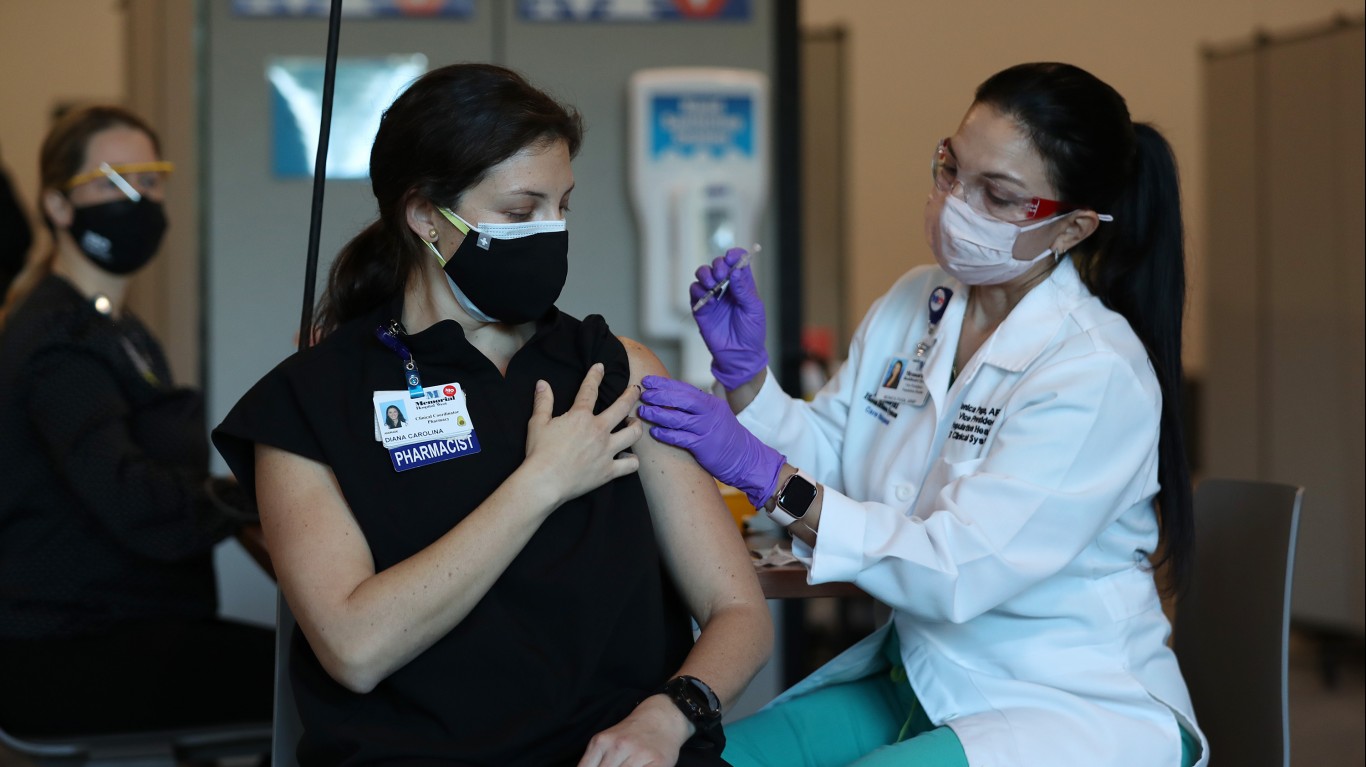
The major question about whether life can return to normal rests with what is called herd immunity. It is when somewhere between 70% and 80% of a population has either been infected or vaccinated. Today, the vaccination levels in the U.S. and the rate at which it is rising is slow.
As of February 24, 88,669,035 doses of vaccine had been delivered. From these, 66,464,947 shots had been given. At the same time, 14% of adults had received at least one dose. Only 6.2% had been given two. Measured by the two developed countries aggressively vaccinating their populations, the U.K. and Israel are well ahead of the American pace. This is the state where vaccination rates are the worst.

The Old Rules Still Apply
If there is a single consistent message from the CDC, scientists, epidemiologists, doctors, and public health officials it is that some of the oldest rules about stopping the spread are the most effective.
Dr. Anthony Fauci recently said that, even though vaccinated, he would not go to a theater or restaurant. Risk persists. Not everyone follows the three basic rules of mask wearing, social distancing, and avoiding large public places that can be crowded. This is when Americans can stop wearing masks according to Dr. Fauci.
The new CDC warnings are based on two things One is that new variants may hit the U.S. The other is that Americans have done a less than perfect job following the most basic rules.












 Top Gaining Stocks
 Top Losing Stocks