


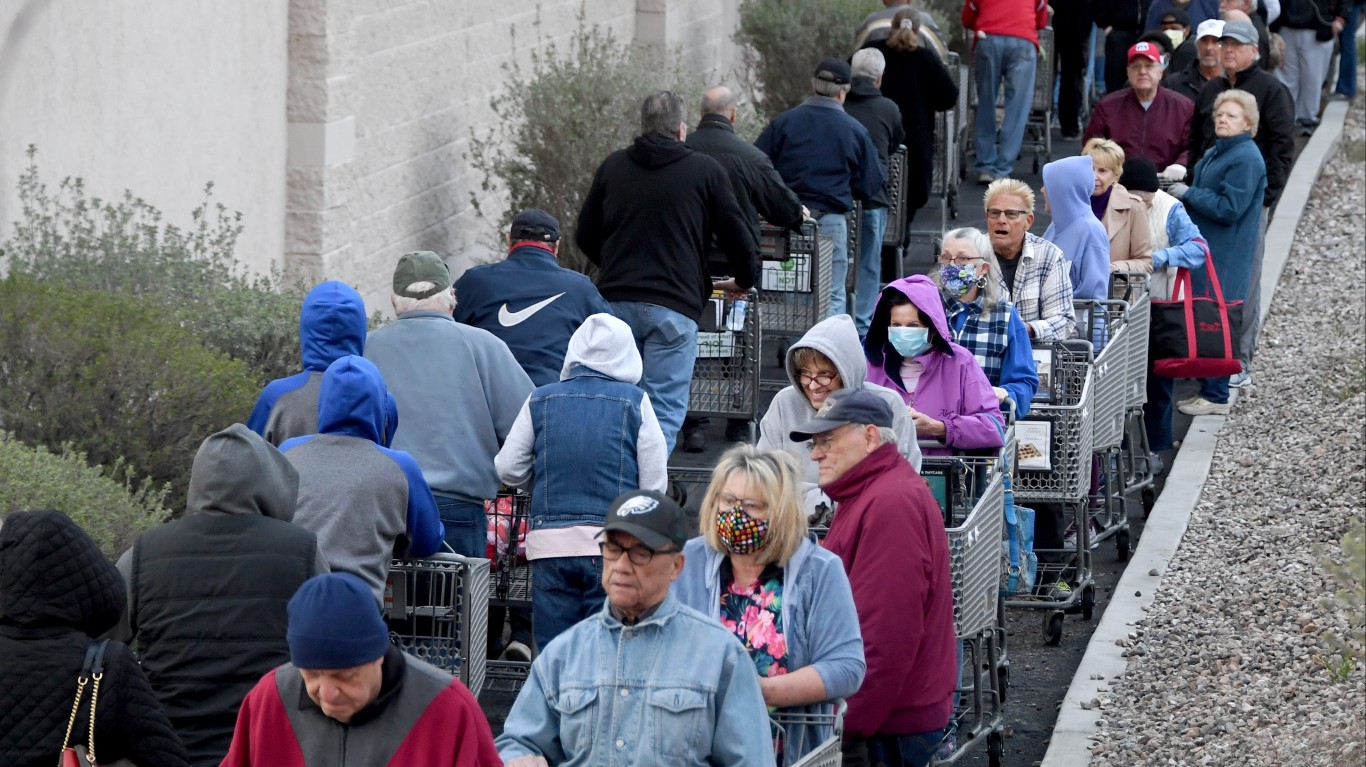
There have been 519,735 deaths (to date) from COVID-19 in America, about 20% of the world’s total. We’ve also recorded 28,936,161 confirmed cases, or about 25% of the global number. The pace at which COVID-19 is spreading in the United States has slowed, however. The rates of new daily cases and fatalities are half what they were seven weeks ago.
More good news: The pace at which Americans are being vaccinated has improved. About 15% of the adult population have received at least one dose, according to the Centers for Disease Control and Prevention (CDC). Slightly below 8% have received two doses. According to the COVID-19 Vaccinations in the United States page at the CDC website, 96,402,490 doses of vaccine have been delivered and 76,899,987 have been administered. This is the worst state for giving vaccine doses.
Variants of the virus have become a primary concern, as public health officials try to get Americans to continue to wear masks and social distance. The CDC currently tracks three variants, although there are more. Among those it tracks, variants have been discovered in 46 states.
Since the early days of the pandemic, the term “superspreader” has been added to our vocabulary. This can apply to either people or events. When groups have carelessly gathered by the hundreds or even thousands, this has triggered rises in cases and deaths. Groups aren’t the only problem, though. One of the most common types of superspreader is the person who’s asymptotic — who’s infected with the coronavirus but might not even realize it.
Here are some surprising facts about superspreaders.
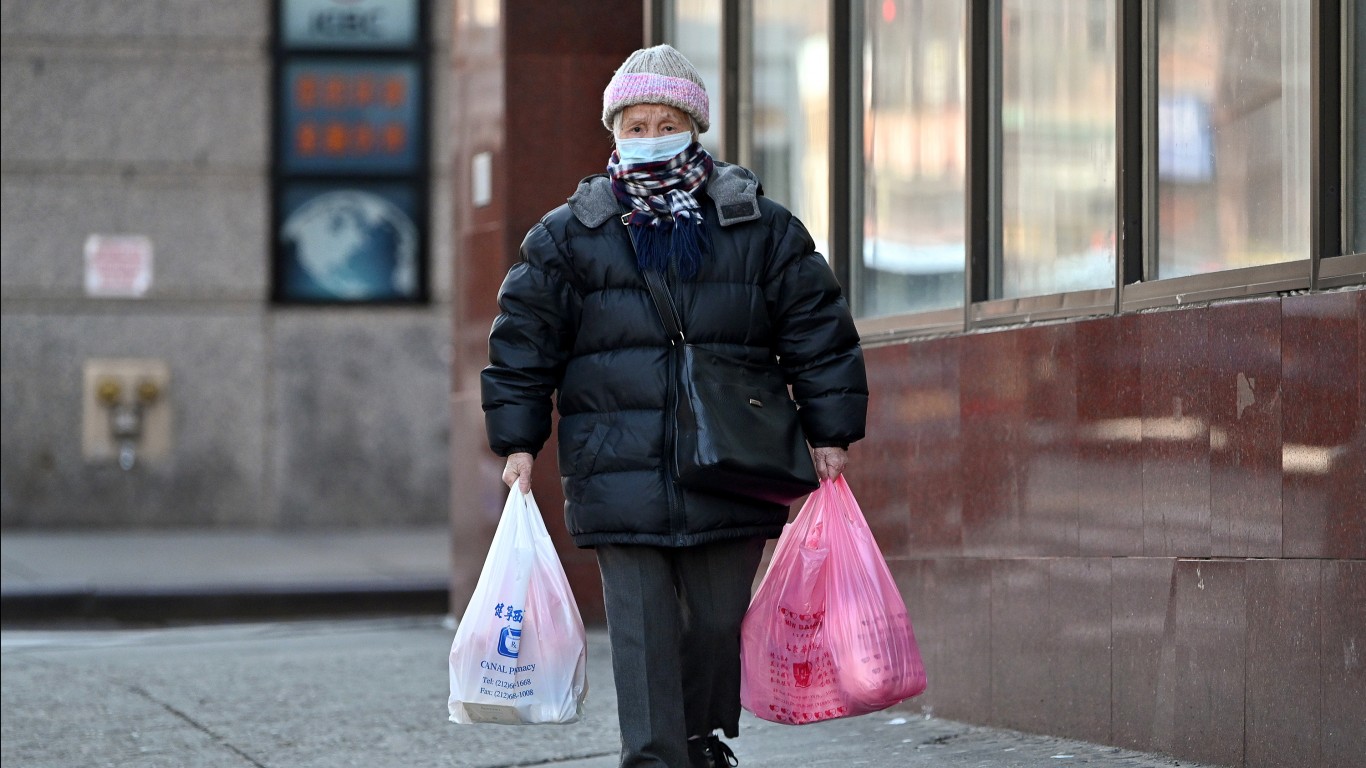
The obese and the elderly are superspreaders
A new study in the Proceedings of the National Academy of Sciences found that adults with a high body mass index (BMI) and those from older age groups tend to spread the disease more than most other groups. David A. Edwards, Ph.D., founder and chief scientific officer of Sensory Cloud, Boston, and formerly professor of bioengineering at Harvard University, headed the group that ran the survey. He and his group wanted to look at people who specifically were not associated with crowded events of people.
[in-text-ad]
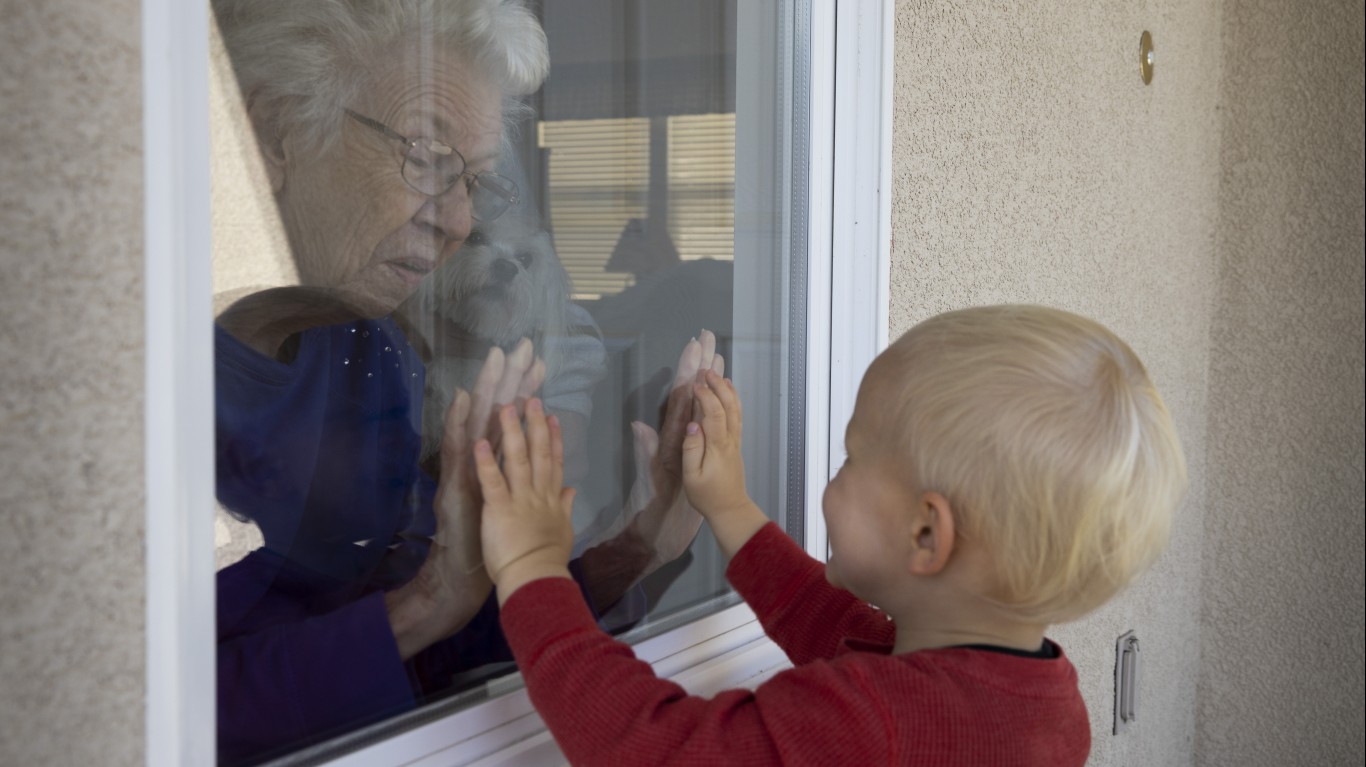
Why are these groups superspreaders?
Edwards said their major question was “What is causing some people to exhale many more respiratory droplets than other people?” He explained, “Part of your immune system is your mucus. So, when you lose that barrier function, there’s a weakening of the immune system. We think with all these factors â [increasing] BMI, age, infection â there’s a correlation between weakened immunity and more respiratory droplets.”
[recirclink id=844073]
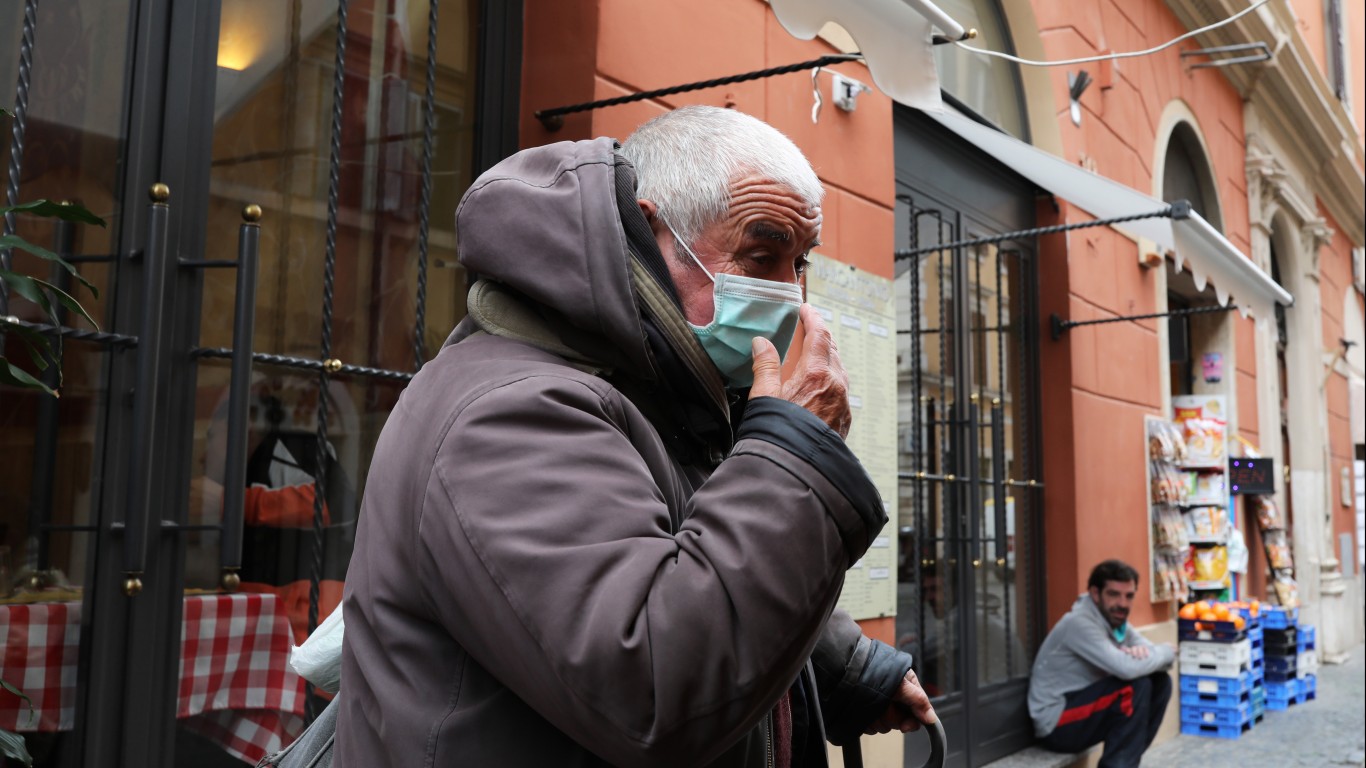
Another expert agrees
Judith A. O’Donnell, M.D., chief of the Division of Infectious Diseases, Penn Presbyterian Medical Center, Philadelphia, reviewed the Edwards data and commented to Medscape: “I think you have to take the data at face value — as you get older and have a higher BMI, these are two potential risk factors for being someone who can spread respiratory aerosols more efficiently.”

These superspreaders can cut the risks to others
Researchers say that one way for the obese and the elderly to cut their risks of spreading the disease is through use of a nasal hygiene spray that “strengthens airway mucus and exerts antimicrobial properties.” However, experts are quick to add, this precaution does not in any way replace the need to wear masks. And the obese and elderly should definitely get vaccine shots as soon as possible, though some continue to refuse them. These are the states where the most people refuse the COVID-19 vaccine.
[in-text-ad-2]

Superspreaders and a new surge
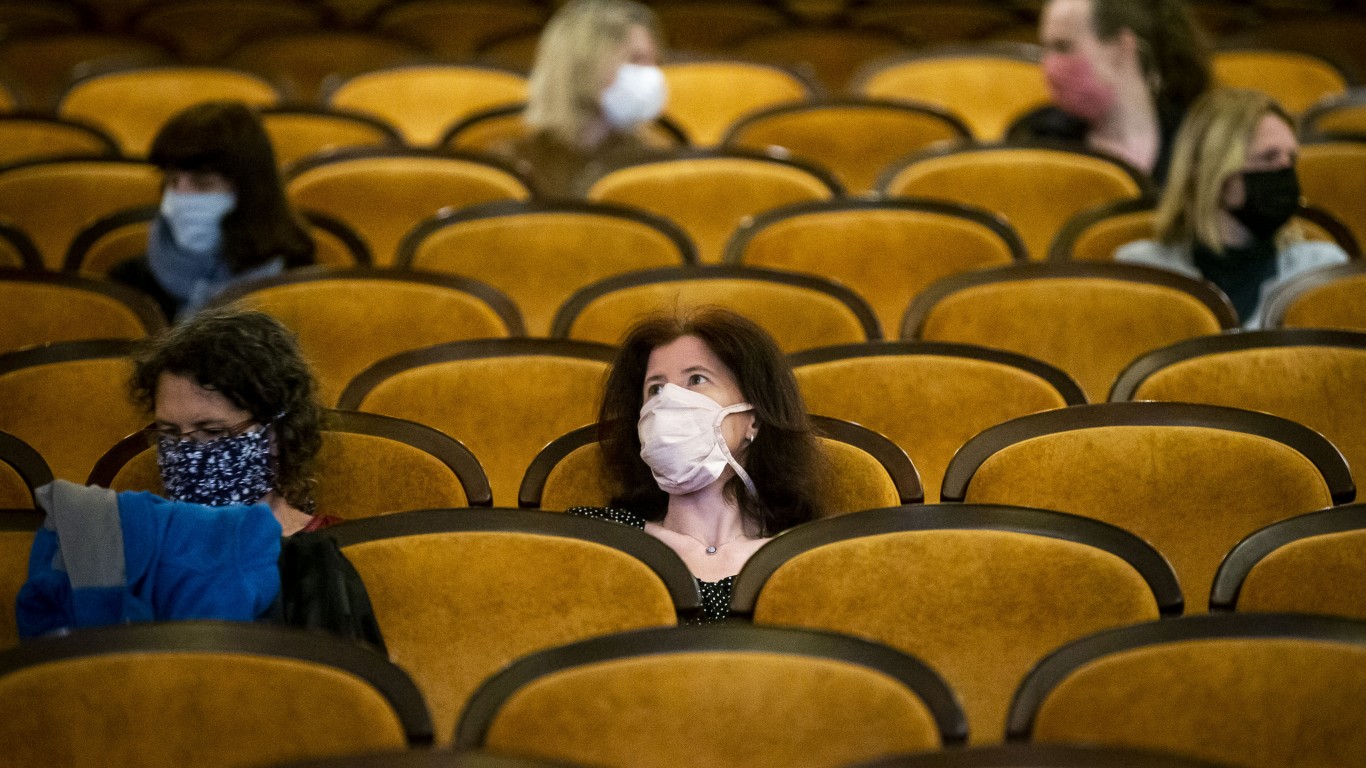
Public health officials have started to worry that another surge of COVID-19 infections could be on the way, just weeks after a steep decline. Among the reasons are new variants and the relatively slow pace of vaccination. Beyond that, however, they worry that Americans will begin to disregard the need to social distance, wear masks, and wash their hands. The fact that new categories of superspreaders have been identified should be a reminder that people are not safe in public places and that care in smaller groups is also critical. This trend could cause another surge in cases.

Herd immunity remains the goal
While superspreaders, superspreading events, and new variants threaten to worsen the pandemic, the goal for the American public remains herd immunity. This has been defined as a point at which 70% to 80% of the population has been infected or vaccinated. The estimate for when this may happen stills varies widely from two or three months from now until as late as the fall.











 Top Gaining Stocks
 Top Losing Stocks