This Battle of the Korean War Was One of the Most Disastrous in US History

Photo of Douglas A. McIntyre
By Douglas A. McIntyre Published
This post may contain links from our sponsors and affiliates, and Flywheel Publishing may receive compensation for actions taken through them.
This Battle of the Korean War Was One of the Most Disastrous in US History

© Public Domain / Wikimedia Commons

Napoleon’s loss at the Battle of Waterloo in 1815 ended the Napoleonic Era. The Duke of Wellington’s victory also helped reestablish Britain as a preeminent military power in Europe, with France losing virtually all its power and prestige.

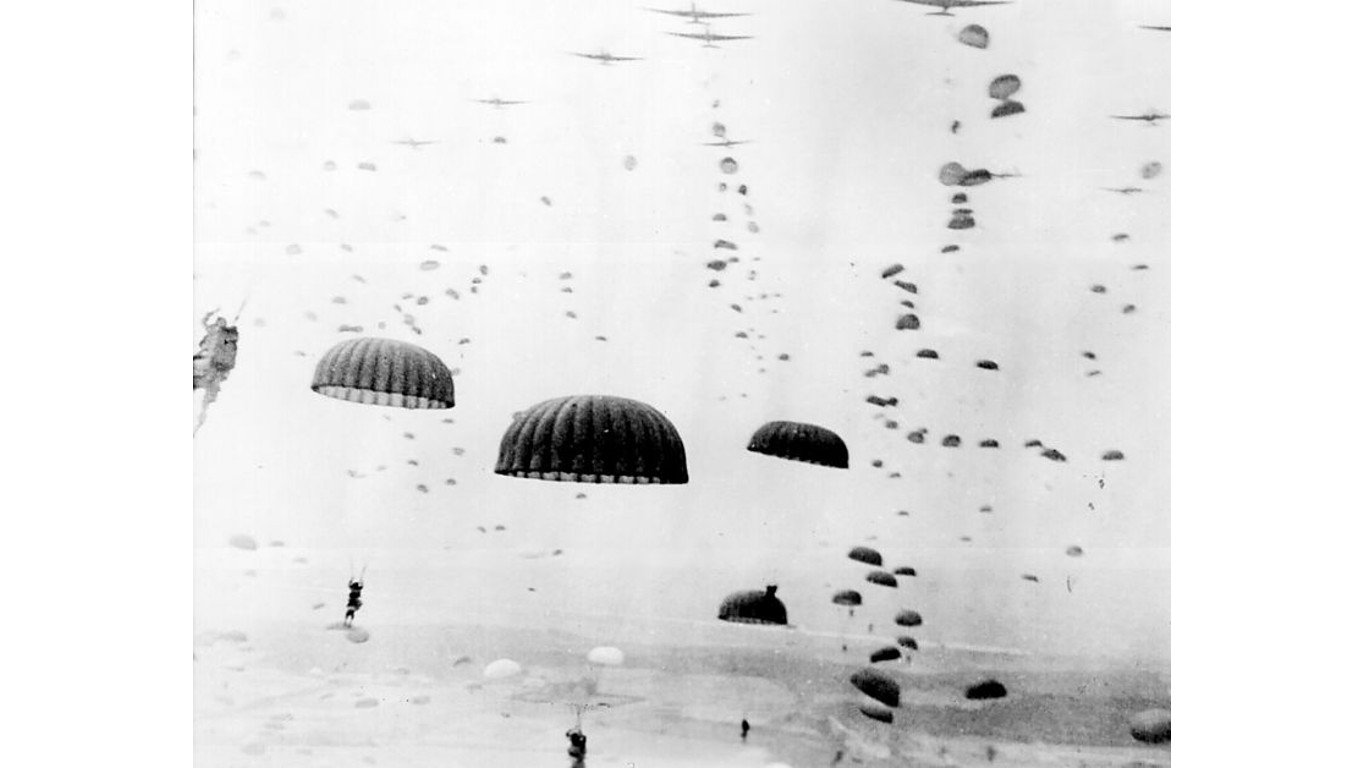
Well over a century later, Nazi Germany could not defend against the allies’ Normandy landing on what has become known as D-Day. As the allies raced across Europe, the landings were the beginning of the end for Hitler, and stand as one of the biggest surprise attacks in military history.

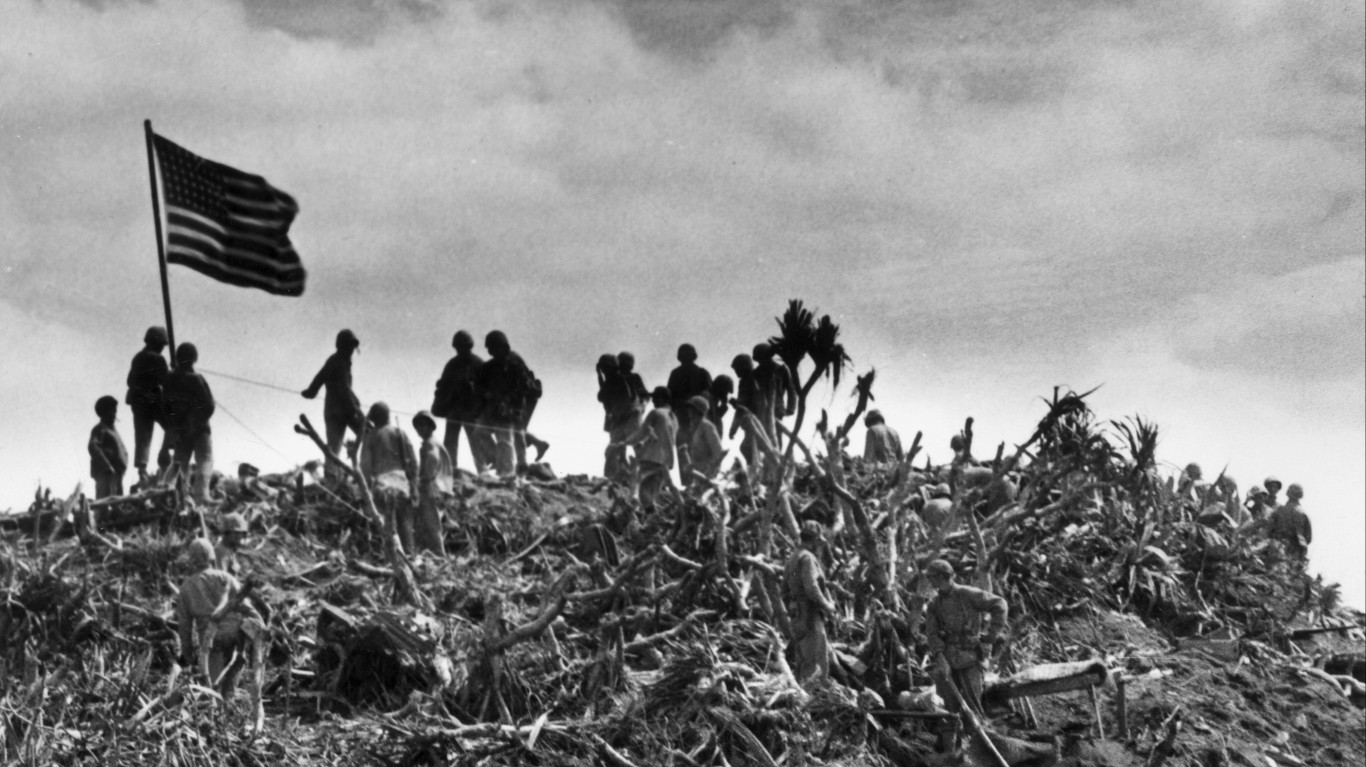
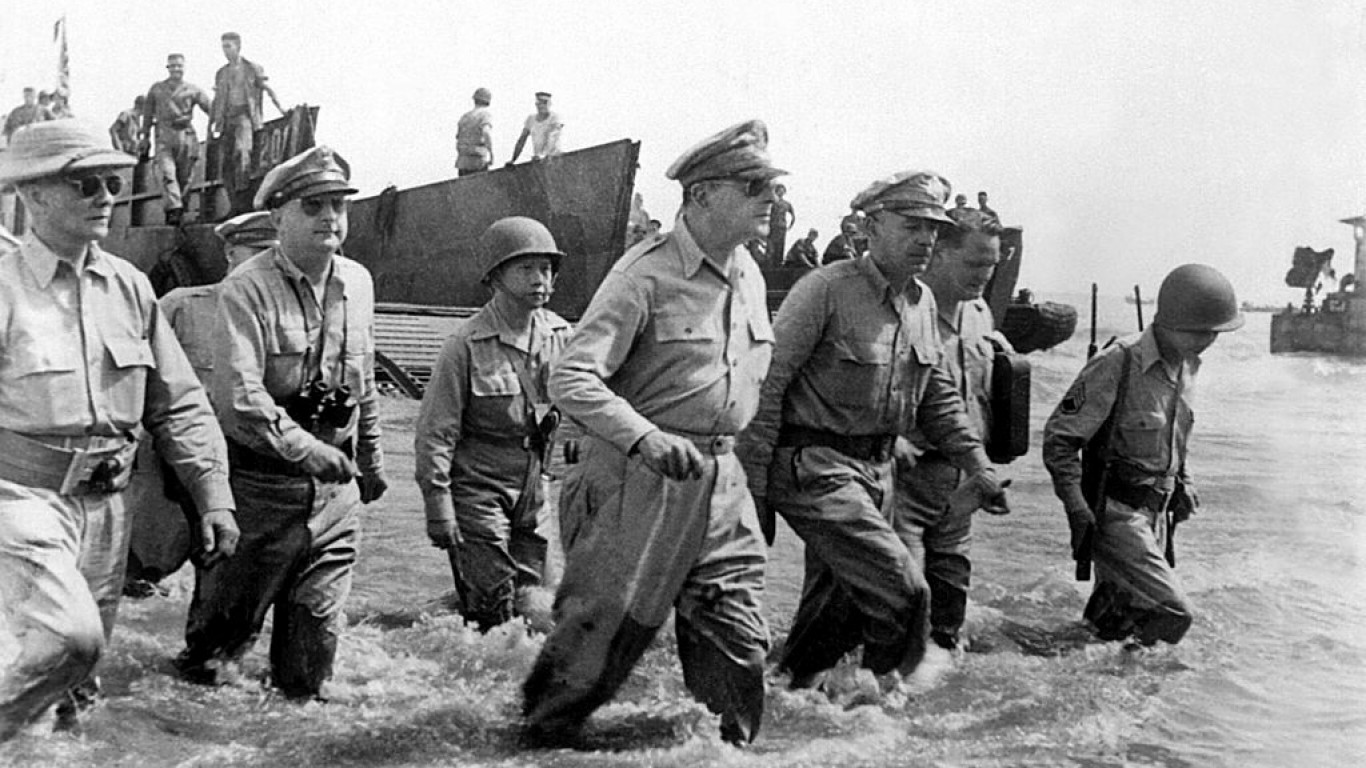
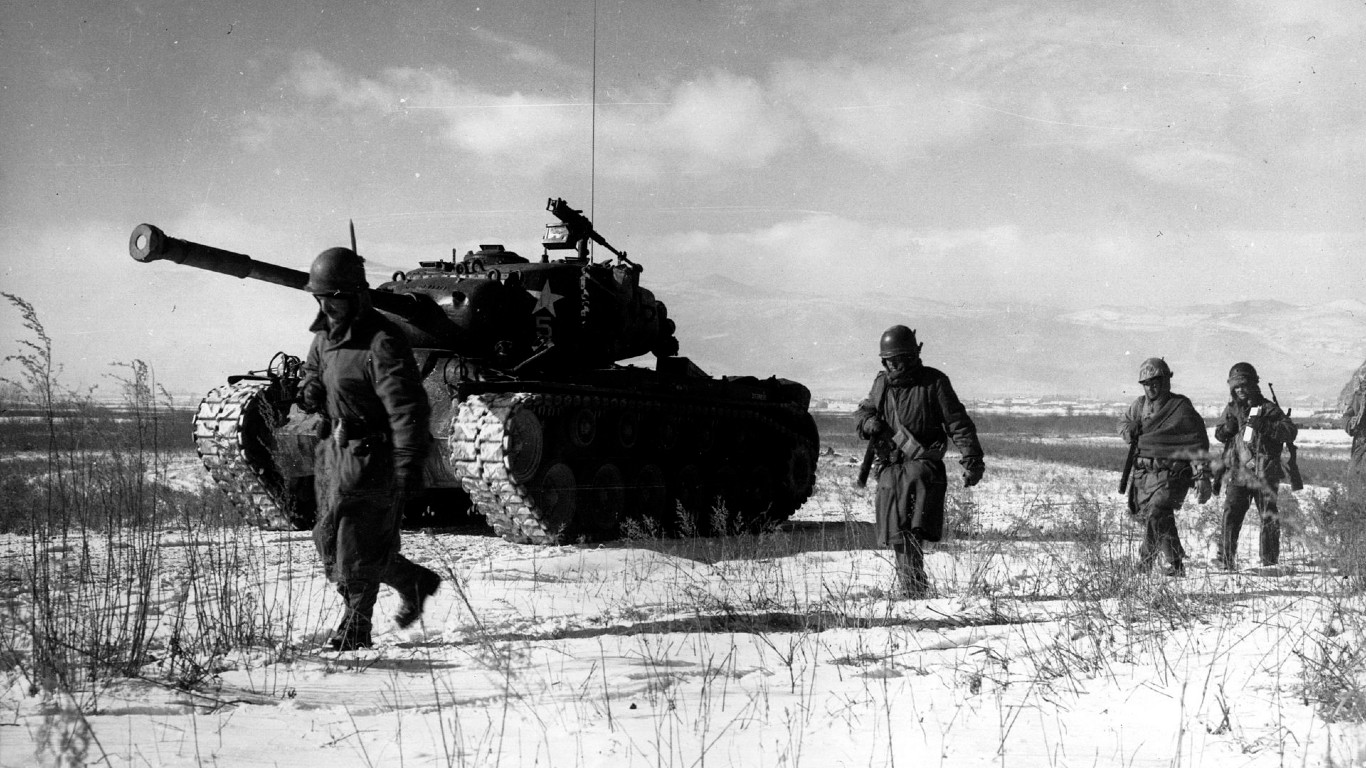
While the U.S. has generally been victorious on the battlefield, some battles have been nearly as disastrous for the United States. One example is the Battle of Chosin Reservoir in Korea which pitted the U.S. military against much larger North Korean and Chinese forces.

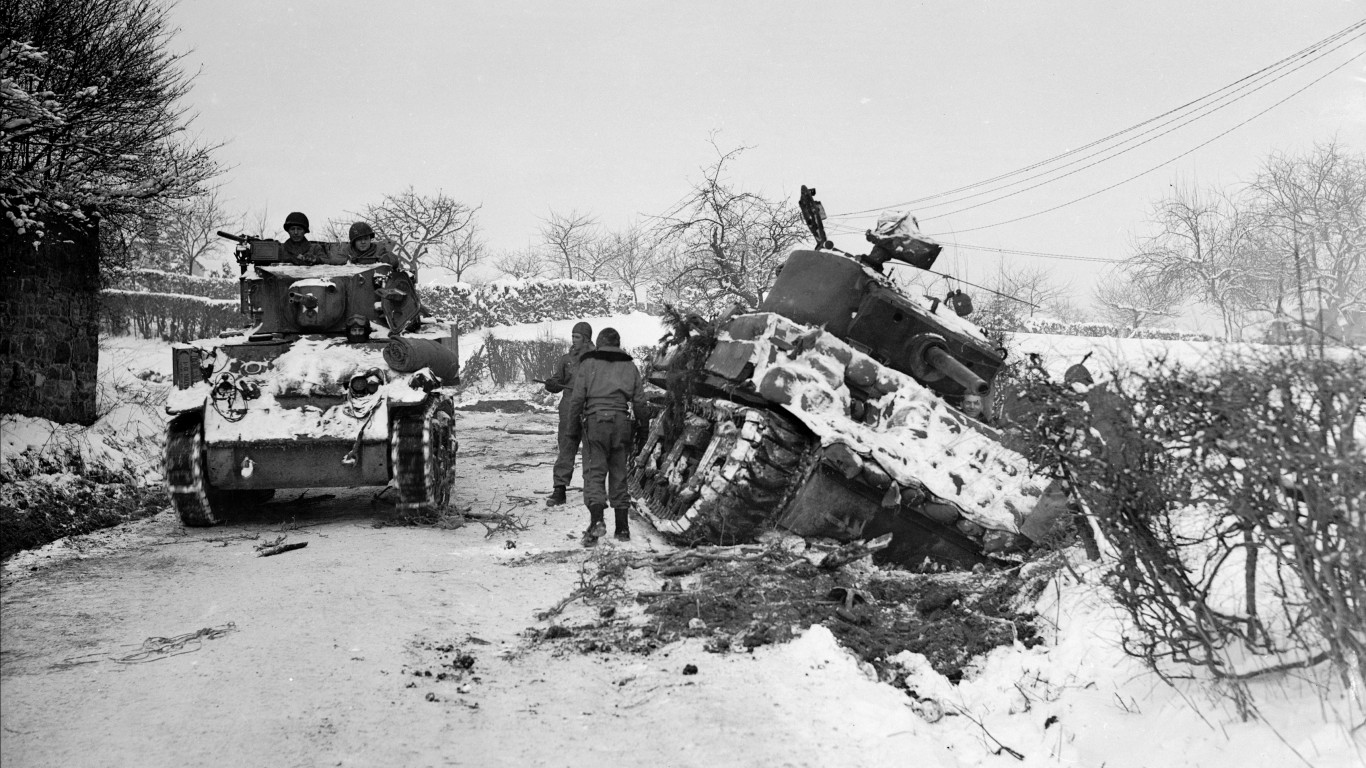
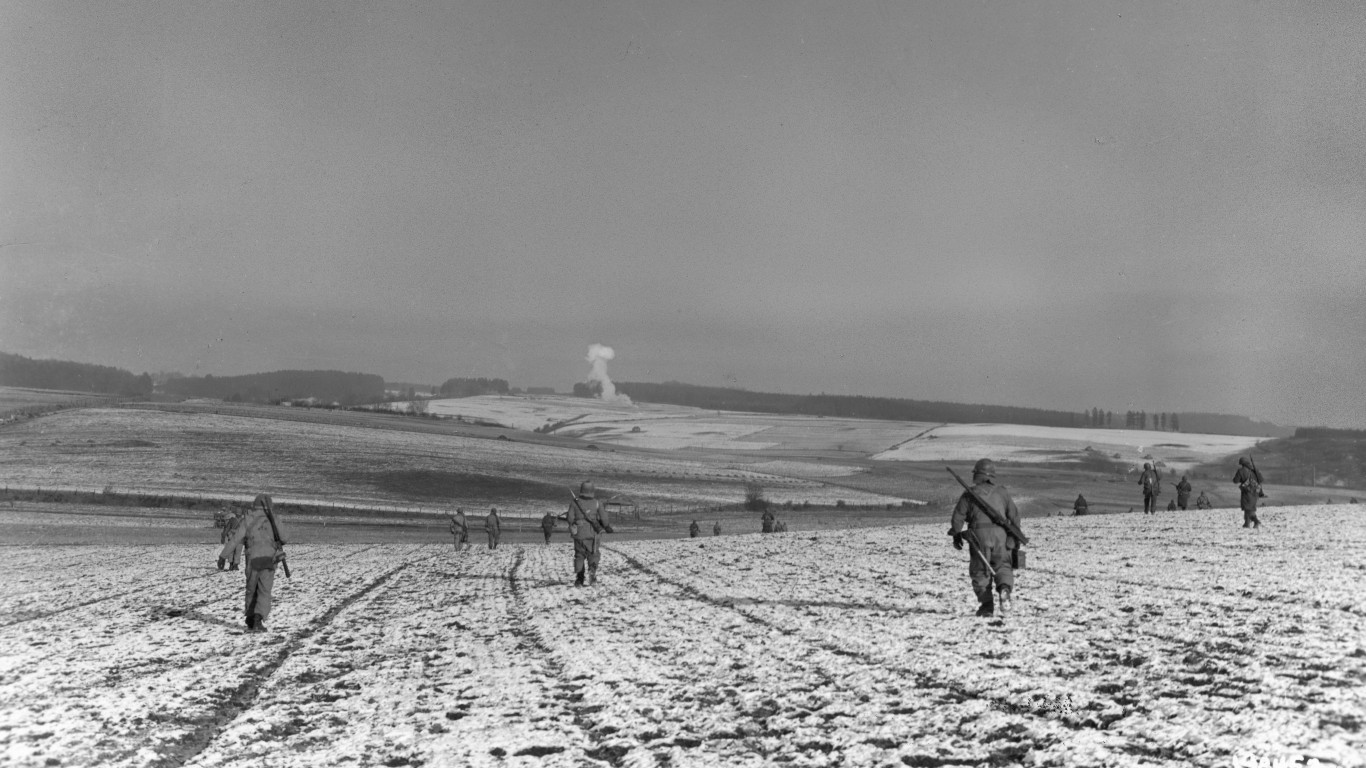
The cause of the disaster was simple. Overconfidence has prompted members of the U.S. Army and Marines to move too close to the Chinese border. By some estimates the North Koreans and Chinese threw more than 120,000 people into the battle. The United States had fewer than 30,000. American casualties reached above 10,000, with more than 1,000 fatalities. The clash is considered one of the most disastrous battles in U.S. history.

One joint U.S.-Korean army unit, later dubbed Task Force MacLean after one of its commanders, was almost completely wiped out, with as much as 95% of the force killed, wounded, or captured.

The perilous American retreat is among the most famous in U.S. military history. The battle, which ran from Nov. 27 to Dec. 15, 1950, also helped tip the results of the war against the United States and South Korea, with the conflict ultimately considered a draw.

Click here for more information on the most disastrous battles in U.S. history

Photo of Douglas A. McIntyre
About the Author Douglas A. McIntyre →

Douglas A. McIntyre is the co-founder, chief executive officer and editor in chief of 24/7 Wall St. and 24/7 Tempo. He has held these jobs since 2006.

McIntyre has written thousands of articles for 24/7 Wall St. He is an expert on corporate finance, the automotive industry, media companies and international finance. He has edited articles on national demographics, sports, personal income and travel.

His work has been quoted or mentioned in The New York Times, The Wall Street Journal, Los Angeles Times, The Washington Post, NBC News, Time, The New Yorker, HuffPost USA Today, Business Insider, Yahoo, AOL, MarketWatch, The Atlantic, Bloomberg, New York Post, Chicago Tribune, Forbes, The Guardian and many other major publications. McIntyre has been a guest on CNBC, the BBC and television and radio stations across the country.

A magna cum laude graduate of Harvard College, McIntyre also was president of The Harvard Advocate. Founded in 1866, the Advocate is the oldest college publication in the United States.

TheStreet.com, Comps.com and Edgar Online are some of the public companies for which McIntyre served on the board of directors. He was a Vicinity Corporation board member when the company was sold to Microsoft in 2002. He served on the audit committees of some of these companies.

McIntyre has been the CEO of FutureSource, a provider of trading terminals and news to commodities and futures traders. He was president of Switchboard, the online phone directory company. He served as chairman and CEO of On2 Technologies, the video compression company that provided video compression software for Adobe’s Flash. Google bought On2 in 2009.

Continue Reading

Top Gaining Stocks

WAT Vol: 2,131,048
INTC Vol: 198,362,091
AKAM Vol: 8,677,900
MU Vol: 64,268,462
QCOM Vol: 34,272,223

Top Losing Stocks

HII Vol: 1,746,810
POOL Vol: 2,311,870
APTV Vol: 10,166,405
LDOS Vol: 2,252,442
PYPL Vol: 39,099,369