


With the turnover from the 1960s to the 1970s, the U.S. was coming out of a period of growth nationwide. Unfortunately, the 1970s are best remembered as being periods of high unemployment and inflation as well as slow economic growth.
Even though this was a national reality, there were still companies that managed to keep growing. Brands like General Motors and Exxon persisted with strong revenues even against economic headwinds. Let’s take a look at other names on the Fortune 500 that dominated the 1970s.
#1: Exxon

Exxon held the number one spot on the Fortune 500 for multiple years during the 1970s.
For the first time in a decade, Exxon grabbed a solid hold on the top spot on the Fortune 500. Wrestling away the position from General Motors, the 1970s were a period of growth for the oil giant. Even as it faced headwinds throughout the decade with oil embargoes, regional conflicts, and other economic difficulties, it still pulled big profits.
Even during economic uncertainty, Exxon showed significant efforts to expand its research and development work. Everything from more efficient oil and gas exploration to new drilling techniques were all a result of 1970’s efforts.
#2: General Motors
General Motors continued to battle Exxon as the number one U.S. corporation.
Like Exxon, General Motors also felt the effects of economic uncertainty. Along with losing its spot on the Fortune 500 for multiple years during this decade, GM had to navigate customer demand for more fuel-efficient vehicles. As GM owners saw oil prices go up leading to higher gas costs, GM dealt with customer demands to provide cars that were better suited to these rising costs.
One major GM contribution during the 1970s was the release of the catalytic converter. Released as a response to environmental concerns, converters help reduce harmful vehicle emissions from being released into the air.
#3: Ford Motors
Ford remains a giant in the 1970s with the release of popular cars like the Ford Pinto.
Ford found itself in a similar position as General Motors during the 1970s as it had to combat rising oil prices. In response, Ford released both the Ford Pinto and Ford Maverick, which were among its most fuel-efficient automobiles. With the release of both vehicles, Ford remained competitive while enabling customers to look at different types of vehicles.
Another big consideration for Ford was environmental regulations. This scenario played out very similarly to the one GM found itself battling during the same period. In response, Ford spent millions researching ways to reduce emissions on its vehicles all while adding front and side-impact protection and anti-lock brakes.
#4: IBM
While IBM dominated the mainframe industry, the government took notice and started antitrust regulation.
The 1970s were an interesting decade for IBM with numerous highs and a few lows. On the very high side, IBM was able to create a dominant position in the marketplace around mainframes. The System/360, announced in 1964, would become a key product for IBM during this decade. Sold to businesses, governments, and other organizations, IBM mainframes were widely used for data processing.
Alongside mainframe work, IBM also delved into telecommunications and office equipment. However, the 1970s also saw IBM face some headwinds with an antitrust investigation. Initiated in 1969, IBM was accused of creating a monopoly in the mainframe market. The case would eventually be settled in 1982.
#5: Chrysler
Introducing the Dodge Challenger and Dodge Charger during the 1970s helped keep Chrysler growing.
The third of the big 3 American automakers, Chrysler would look to greatly diversify its lineup during this decade. During this period, Chrysler introduced models like the Plymouth Barracuda, Dodge Challenger, and Dodge Charger. High-performing vehicles, the V8 engine, and the aggressive styling of these vehicles helped Chrysler gain market recognition in the hands of automobile enthusiasts.
Of course, Chrysler also looked to create more mid-size sedans and compact cars during this period to appeal to customers frustrated with less-efficient vehicles. Perhaps Chrysler’s strongest moment in the 1970s isn’t about vehicles at all and is instead the 1978 appointment of CEO Lee Iacocca.
#6: AT&T
The 1970s was a strong decade for AT&T as it laid the groundwork for its cellular growth in the 1980s.
The most notable moment for AT&T in the 1970s is likely one the company would like to forget forever. During this decade the government launched its antitrust case against AT&T accusing it of monopolistic practices in the telecommunications space. As a result of this case, AT&T would famously be broken up and forced to divest itself of the regional Bell operating companies.
However, even in the face of this investigation, AT&T still plowed ahead with R&D that would lay the groundwork for its 1980’s cellular network. Additionally, AT&T introduced the Picturephone in the 1970s, which was a watershed moment for video conferencing over telephone lines.
#7: CBS
CBS aired some of the most popular television programs ever during the 1970s.
As is the case with CBS through the latter half of the 20th century, it found itself at the very top of the media and entertainment pile. Launching popular programs like MASH, The Mary Tyler Moore Show, and The Bob Newhart Show all helped CBS stay atop the ratings. MASH was so popular that its final episode remains the most-watched series finale in U.S. television history.
Along with entertainment programs, CBS obtained exclusive rights to the NFL, MLB, and NBA, CBS was drawing huge audiences for sporting events. At the same time, 60 Minutes was the most-watched news show every week.
#8: General Electric
General Electric continued to find new revenue opportunities like GE Capital during the 1970s.
Over the 1970s, General Electric would find itself continuing to expand its business and look for new revenue streams. As a result, GE entered popular sectors like aerospace, energy, and financial services with the launch of GE Capital. In addition, GE also helped lead the way for the development of nuclear power plants throughout the 1970s.
By providing nuclear reactors, turbines, and other equipment for these power plants, GE rapidly grew its nuclear business. The resulting growth helped further establish GE as a global leader in energy which would shape the next 20 years for the company.
#9: Shell Oil
Even as energy uncertainty took hold in the 1970s, Shell Oil continued to expand its operations.
As is the case for many oil companies during the 1970s, Shell Oil found itself on a rocky footing. Global crises would ignite a price increase for oil that led to customer frustration at the pump and supply disruptions. Shell Oil was forced during this decade to try and adjust its price strategies to combat the rise of more fuel-efficient vehicles.
Even though the 1970s were difficult, Shell Oil still looked to expand its operations globally. It set up offshore drilling in the Gulf of Mexico to help it continue to provide a global supply of oil.
#10: DuPont
DuPont made significant R&D investments in the 1970s that would find a huge payoff the following decade.
As the nation’s largest chemical company, DuPont was highly influential during the 1970s. It was during this era that DuPont looked to move into new sectors like electronics and construction. As a result, its global R&D investment was significant. It would be this cash influx that would help it release popular products like Kevlar and Nomex in the 1980s.
The 1970s also saw DuPont restructure its business to create additional areas of profitability all while divesting itself of non-core business assets. These moves set DuPont up for success for the next few decades and beyond.
#11: Procter & Gamble

Introducing Crest toothpaste and Febreze during the 1970s helped solidify P&G’s growth during this period.
As the largest consumer goods company in the U.S., Procter & Gamble enjoyed big success during the 1970s. This success was led by the introduction of new product lines like Crest toothpaste with fluoride and Febreze fabric freshener. These products along with a few others greatly expanded P&G’s reach into the home care space.
To help maintain its market share, the 1970s were big marketing moments for P&G. Brands like Ivory Soap, Tide, and Pampers all saw massive marketing campaigns across television and print to drive brand loyalty.
#12: Goodyear Tire & Rubber
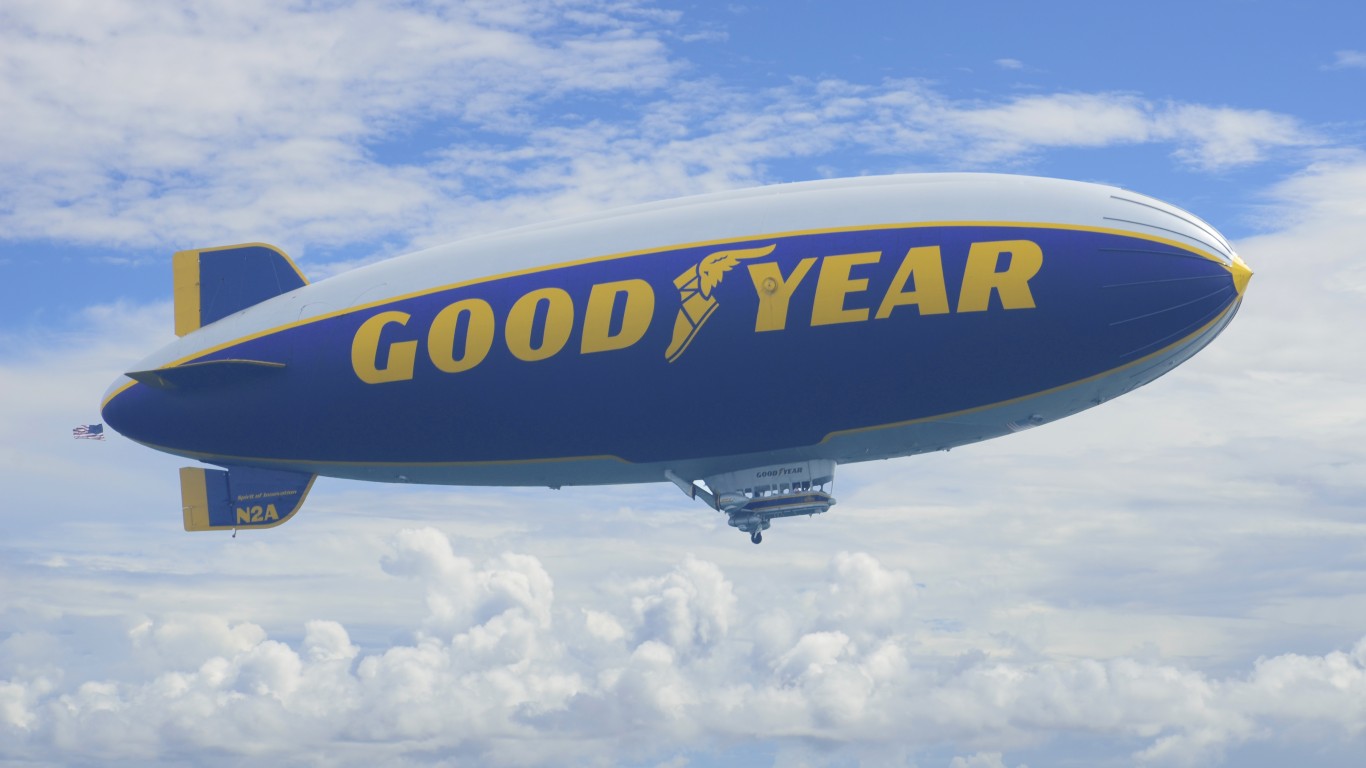
Introducing all-season tires during the 1970s propelled Goodyear to major growth.
While not directly involved, the 1970s oil crisis had a direct impact on Goodyear Tire & Rubber. The problems around oil supply impacted the supply of raw materials like rubber Goodyear required in significant volume. As a result, Goodyear was forced to implement numerous cost-cutting measures over the decade to help maintain itself as a business.
Even with the challenging headwinds, Goodyear still focused on the development of innovations. The 1970s saw the introduction of all-season tires, which are among the most popular tire formats available today. Additionally, radial tires were also developed and released during the 1970s.
#13: RCA
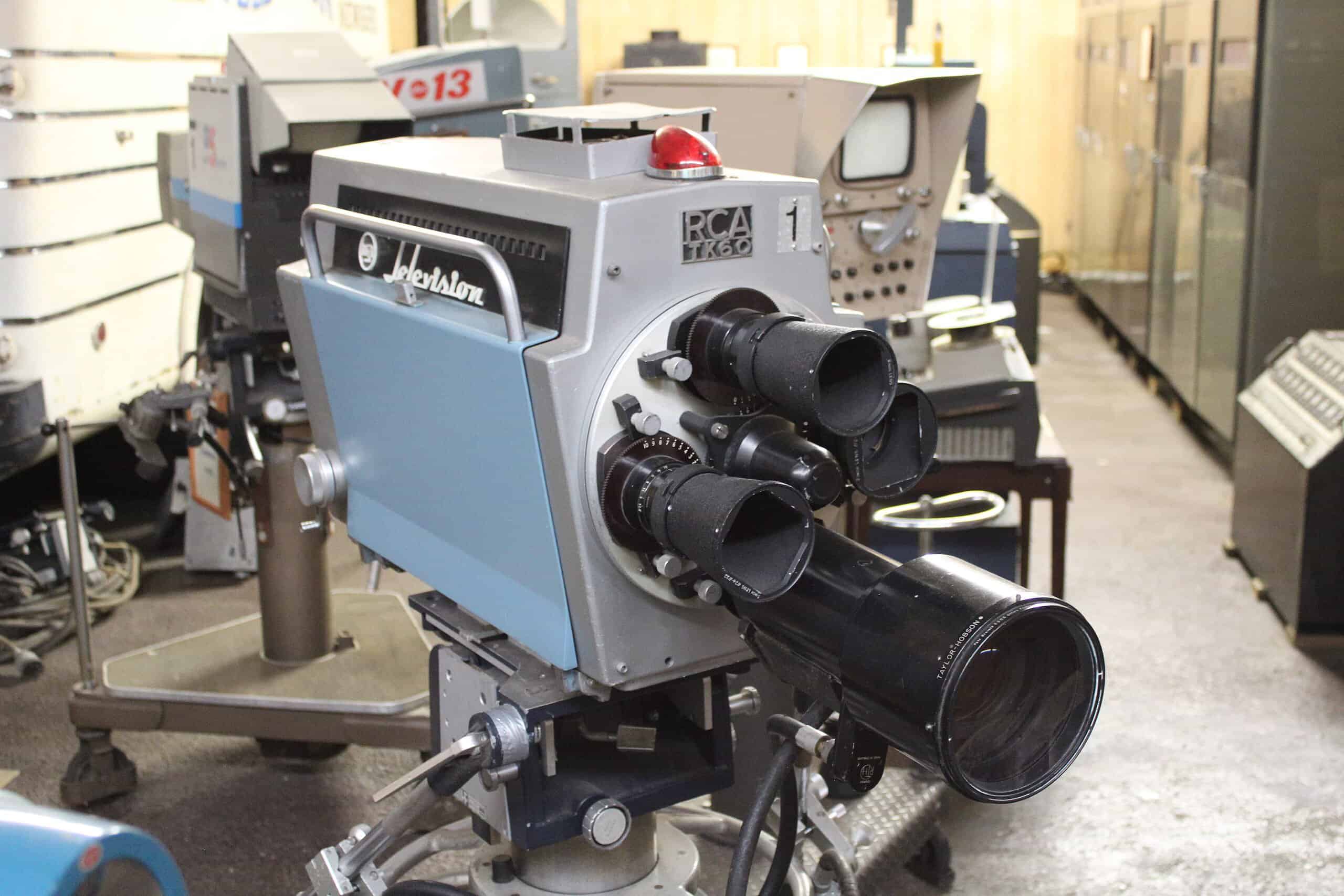
Ahead of its acquisition in the following decade, RCA would continue to find revenue growth in the 1970s.
Before its 1986 GE acquisition, RCA remained a dominant player in the electronics space in the 1970s. Among its best areas, RCA was a dominant supplier of televisions to American consumers. It also played a big role in popularizing items like VCRs and stereo systems as consumers wanted better sound and entertainment quality.
During the decade, RCA acquired rental car agency Hertz, which gave it a strong presence in transportation. However, RCA struggled in the latter half of the decade to integrate its different business verticals into one tight business.
#14: Caterpillar
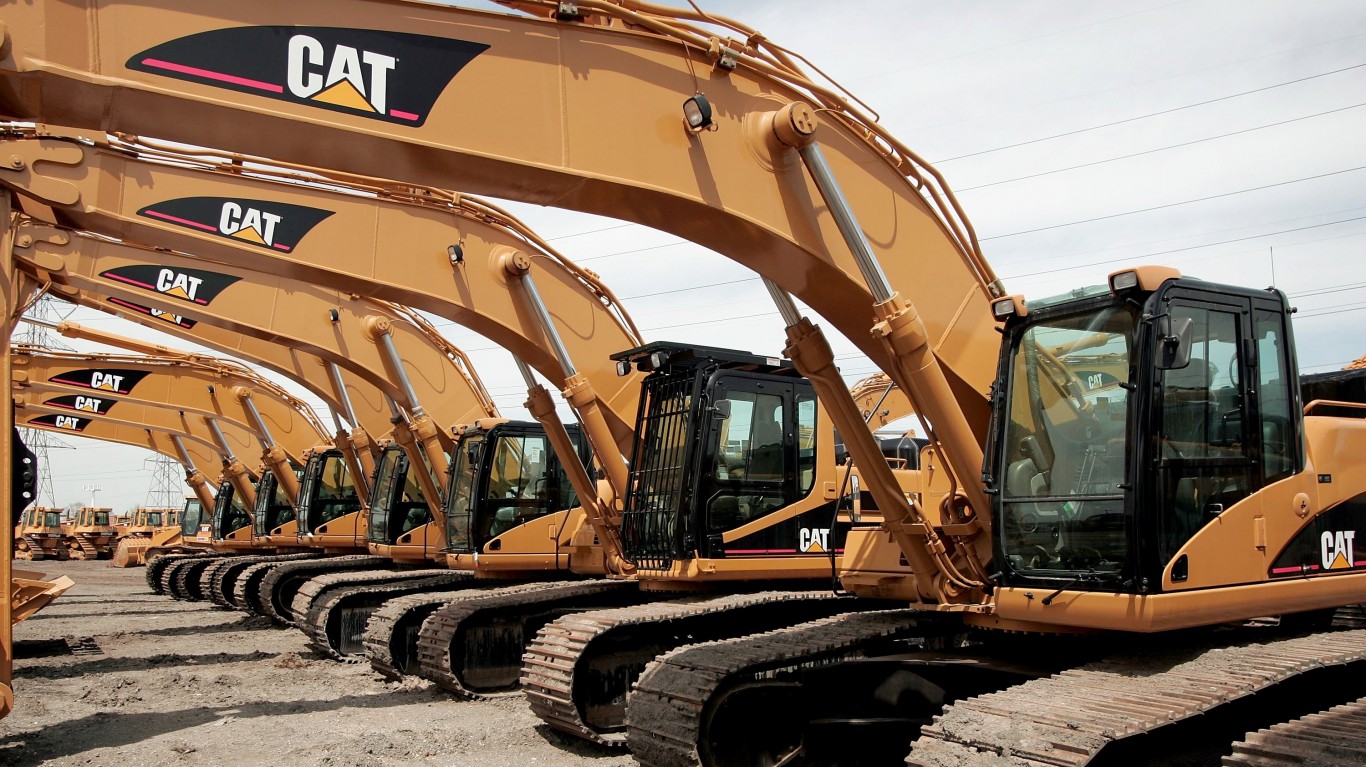
Caterpillar’s introduction of more efficient construction equipment helped it climb the Fortune 500.
A staple manufacturer of construction and mini equipment, Caterpillar was a dominant company in the 1970s. As part of this decade, Caterpillar introduced numerous equipment improvements with bulldozers, loaders, and excavators for more efficient construction sites. As a result of these introductions, Caterpillar was able to strengthen its international presence across Europe, Latin America, and the Middle East.
Like many companies during this period, Caterpillar also faced economic challenges with labor disputes over wages and improved working conditions.
#15: U.S. Steel
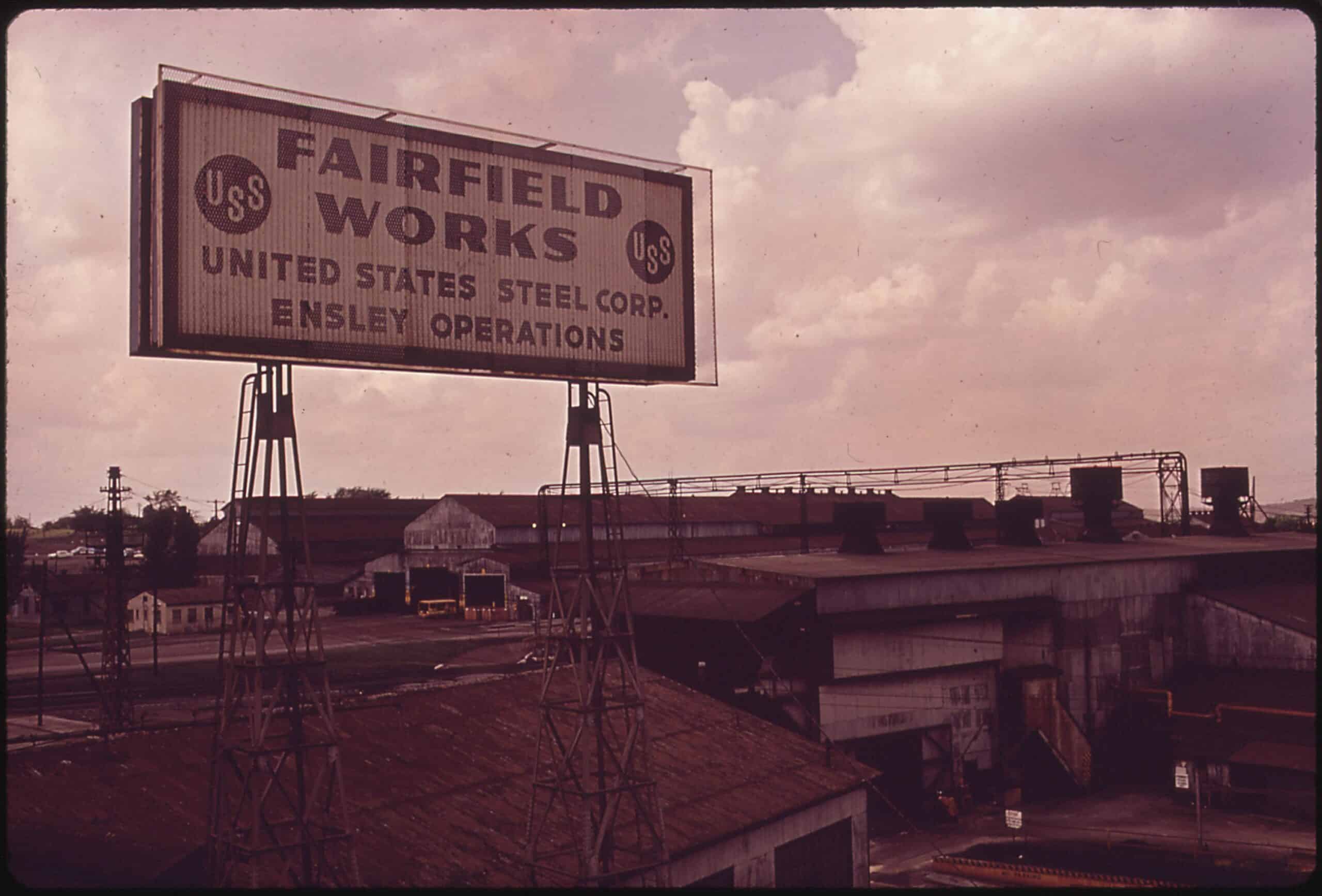
Even as the importance of steel began to wane, U.S. Steel enjoyed one last decade of prominence.
While one of the largest steel producers in America, U.S. Steel also saw its fortunes fall during the 1970s. This decade marked the beginning of a decline for the steel industry, which U.S. Steel was unable to avoid. As foreign entities were able to provide steel at a lower cost all while facing rising production costs, U.S. Steel saw its market position start to erode.
The result was that the U.S. Steel attempted to modernize by diversifying its product offerings. Unfortunately, the 1970s had a volatile market and U.S. Steel struggled to properly implement its cost-savings measures.
#16: Eastman Kodak
Kodak saw the 1970s as yet another decade where they led the world in camera equipment manufacturing.
Before it started to see a decline in the coming decades, Kodak remained a staple part of the photography world in the 1970s. Kodak advancements and new products gave way to new color processing techniques and increased equipment available to consumers at a lower cost. While these actions helped Kodak maintain a stable business, it still looked to diversify its portfolio.
In the 1970s, Kodak looked to get into new markets like healthcare and electronics. It also expanded its technologies to develop medical imaging systems and graphic arts equipment.
#17: Kraft
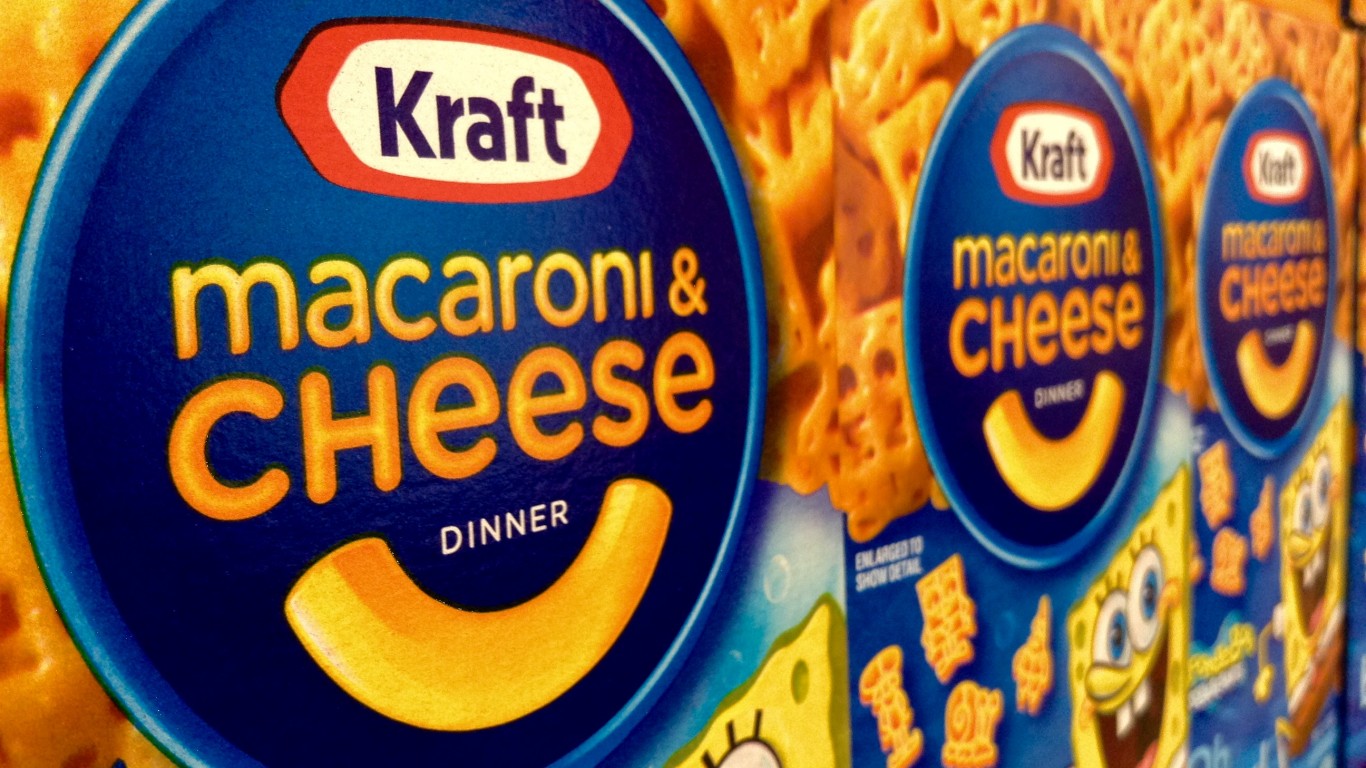
Continuing to rely on popular foods like Mac & Cheese, Kraft maintained its food dominance in the 1970s.
During the 1970s, Kraft continued to be a dominant player as an American food company. To help solidify its market position, Kraft looked to the 1970s as an opportunity to expand offerings across snacks, beverages, and condiments. By diversifying its lineup, Kraft was able to grab a larger market share with American consumers.
Over the decade, Kraft started its pursuit of other food brands to help strengthen its lineup. The result would be a merger with General Foods in 1980. Kraft also looked to broaden its marketing strategy by heavily investing in promotional events and sponsorships.
#18: Xerox
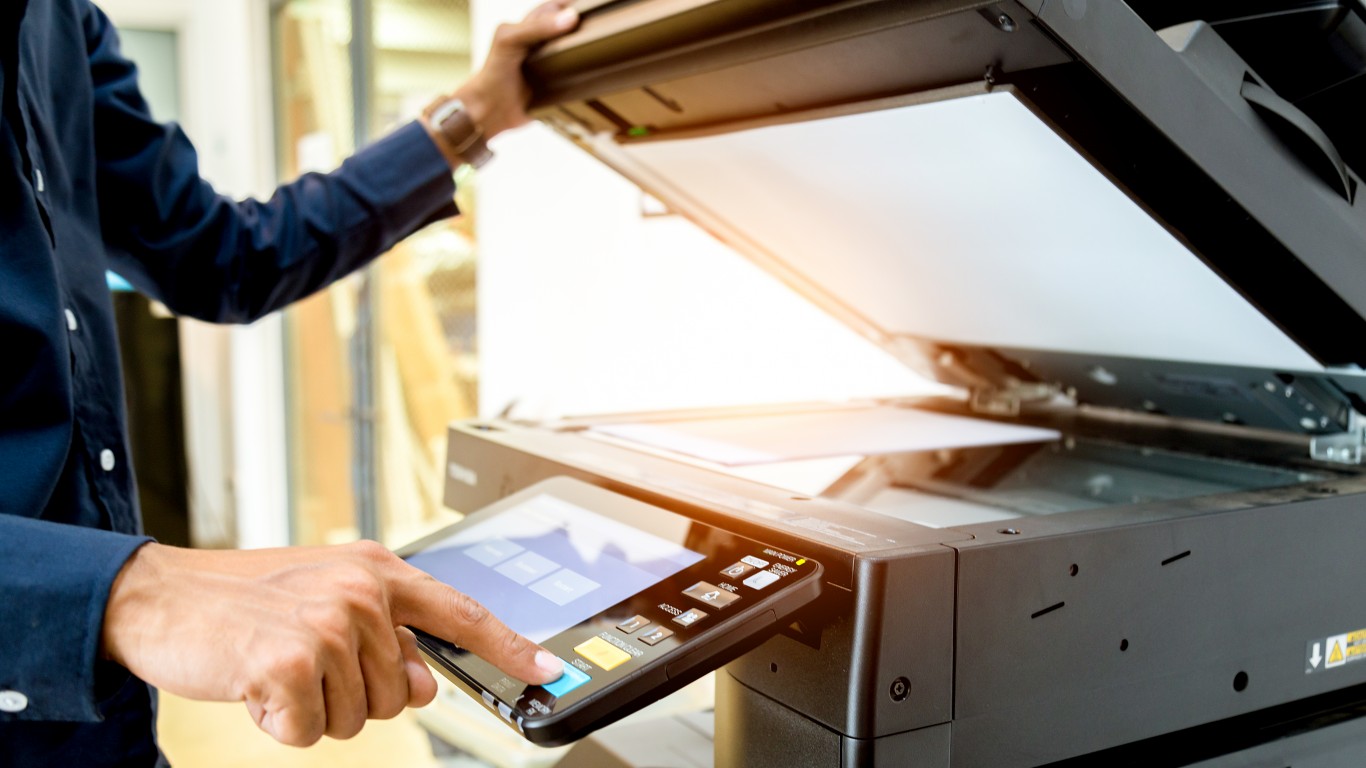
Xerox had a wonderful 1970s as the photocopier became a business and education staple.
When the 1970s rolled around, Xerox was in a great position to be able to grow. With the release of the photocopier in the 1970s, Xerox became a name everyone in corporate offices knew well. Photocopiers have become a staple part of business around the world as well as being adopted across education as well.
To help ride the popularity of the photocopier, Xerox invested heavily in R&D to introduce newer copier models with features like duplex printing and color copying. This research also helped Xerox develop new technology like digital imaging and laser printing.
#19: Greyhound
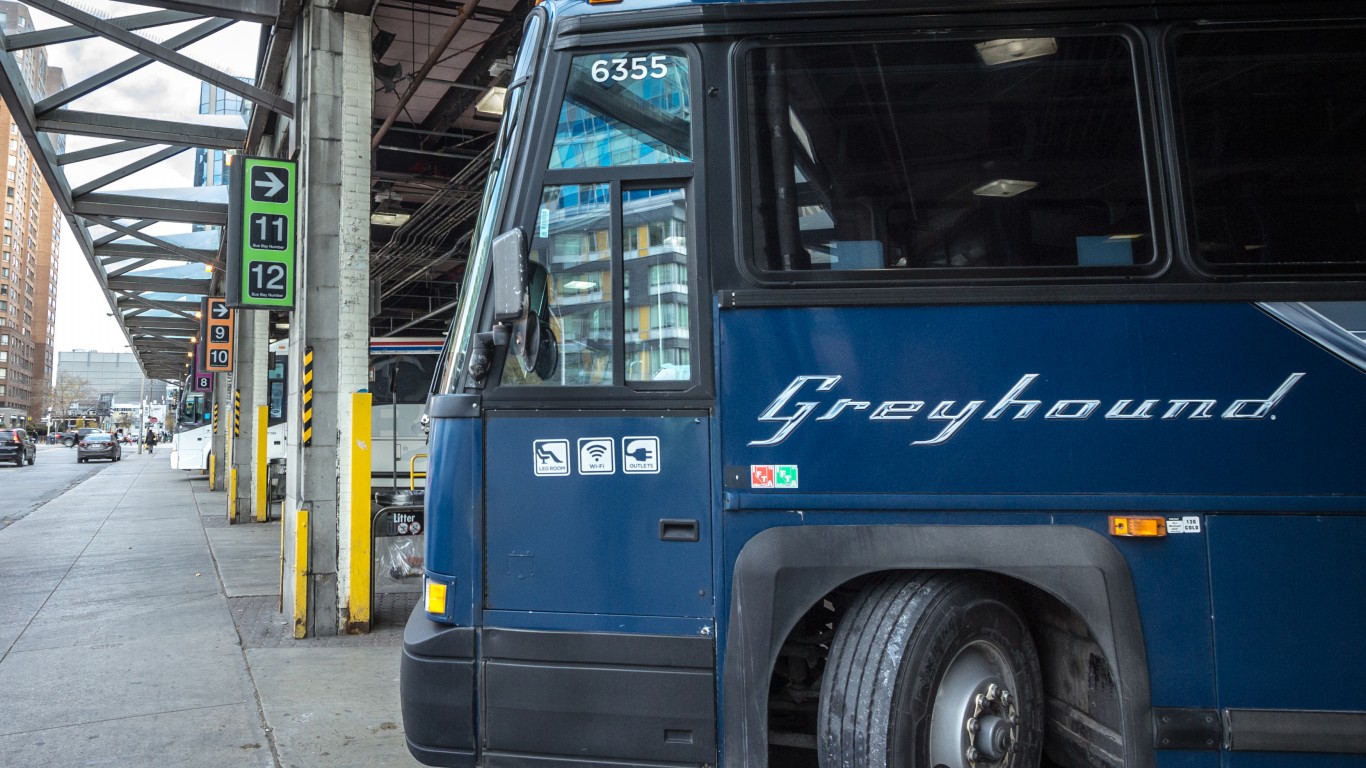
Even as industry regulation forced Greyhound to adjust its business, it updated its busses much to the delight of customers.
The most popular intercity bus transportation service in the U.S., Greyhound saw several notable moments during the 1970s. With industry reregulation, Greyhound began to see increased competition as new market entrants offered lower prices. As a result, Greyhound offered new routes and amenities to attract customers. It also expanded into package delivery and charter services.
Greyhound also took time in the 1970s to modernize its bus fleet to add air conditioning and reclining seats. As a result, Greyhound was able to hold off competitors and maintain its position as the fleet bus leader.
#20: Boeing
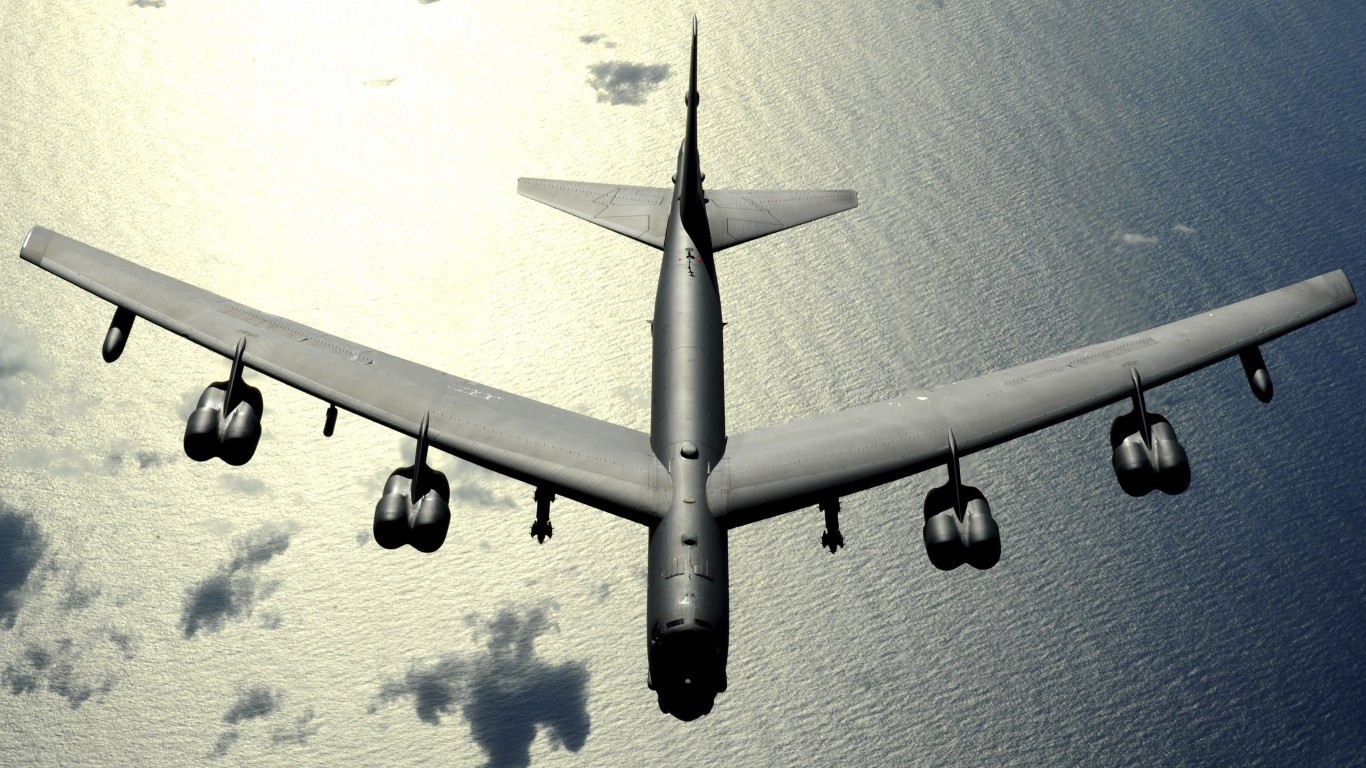
Boeing had a fantastic 1970s with the introduction of some of the most popular aircraft still in use today.
The 1970s were a strong period for Boeing as it maintained a strong position in the aerospace business. With the introduction of new aircraft like the Boeing 747, 767, and 737, Boeing introduced now iconic airliners which are still in use today. With these planes, long-distance air travel was overhauled as planes could now carry more passengers than ever.
Additionally, Boeing used the 1970s as a way to further solidify its position in the defense world. It would supply U.S. armed forces with the B-52 Stratofortress and the F-15 Eagle fighter jet.









 Top Gaining Stocks
 Top Losing Stocks