


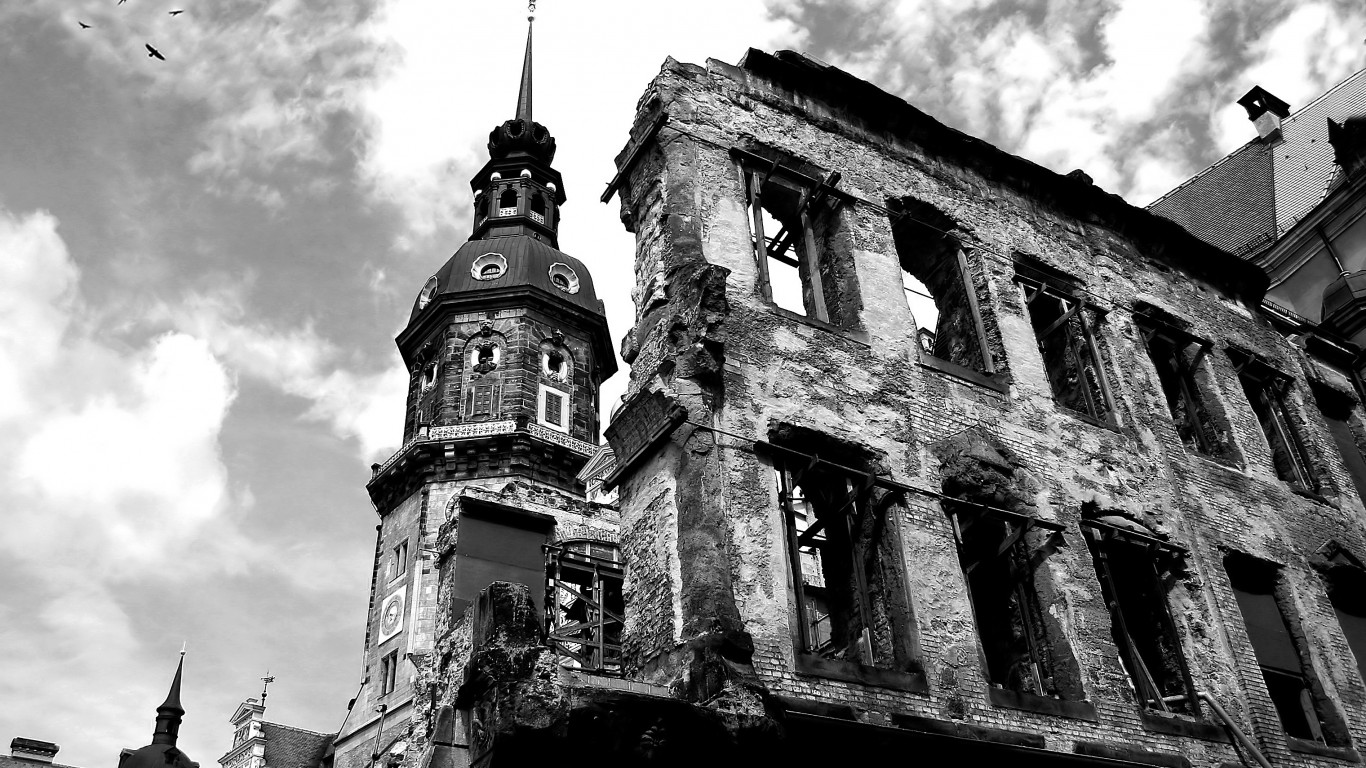
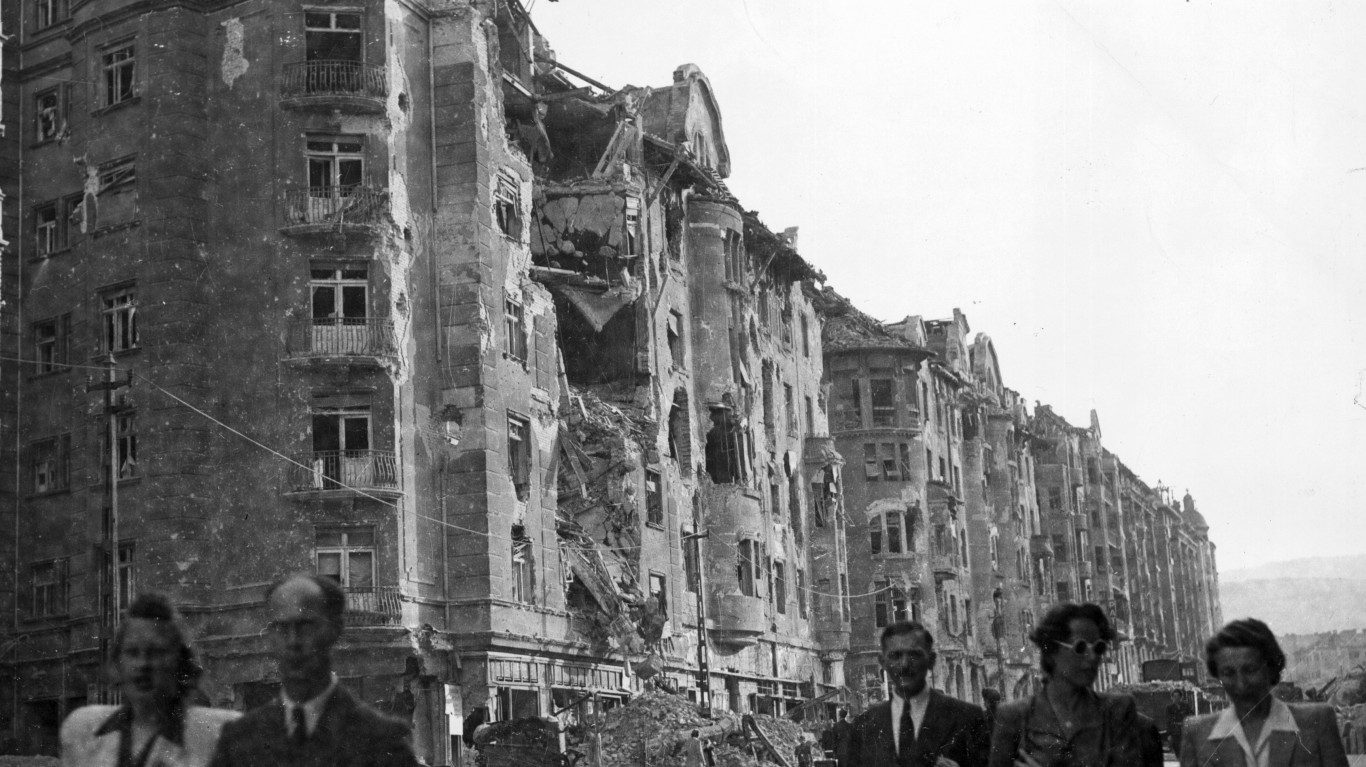
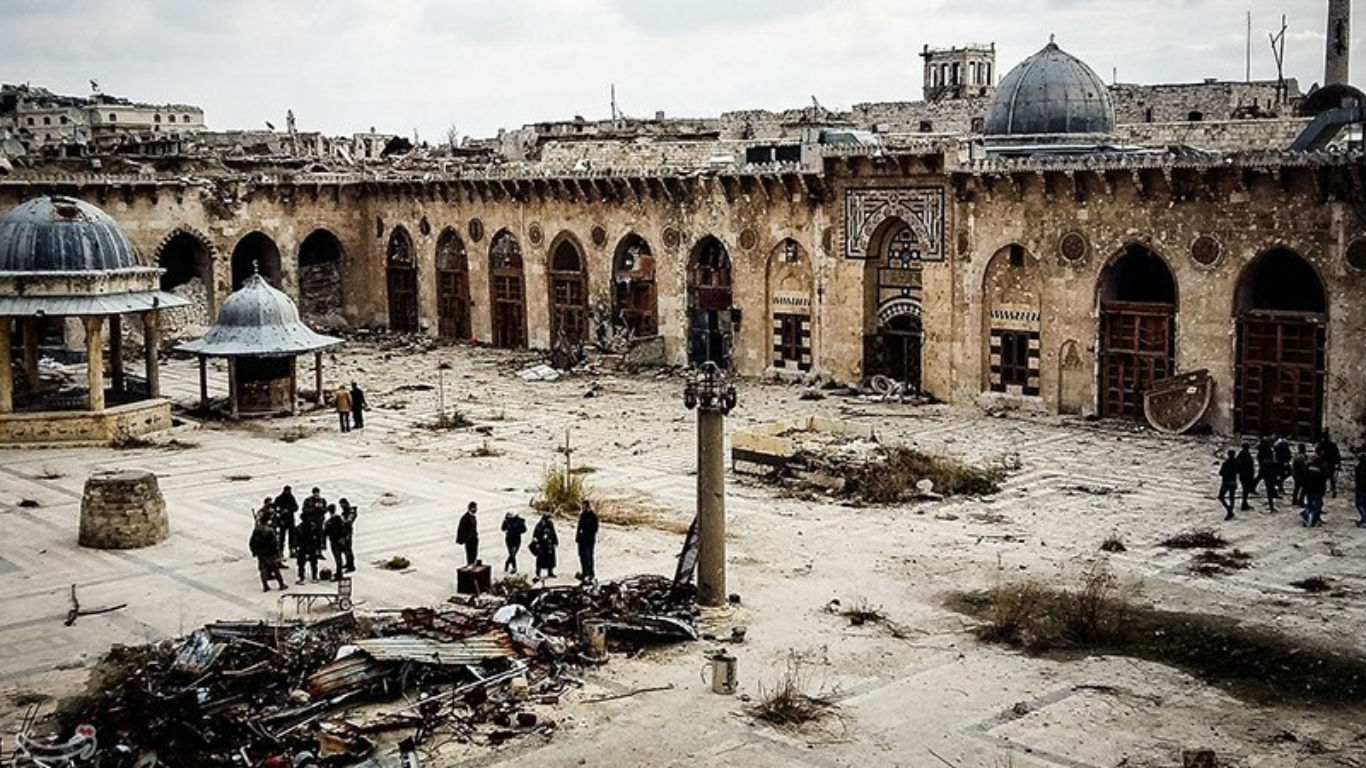
The Second World War was the most destructive and deadliest in history. There were 20 major battles, with an indefinite number of smaller battles waged, that resulted in the death of more than 70,000 people. Once the war was over, the vast majority of regions, from Europe and Asia and even portions of Africa, were reduced to rubble, by both the Allied and the Axis Powers who conducted air raids and ground battles that obliterated many cities and towns.
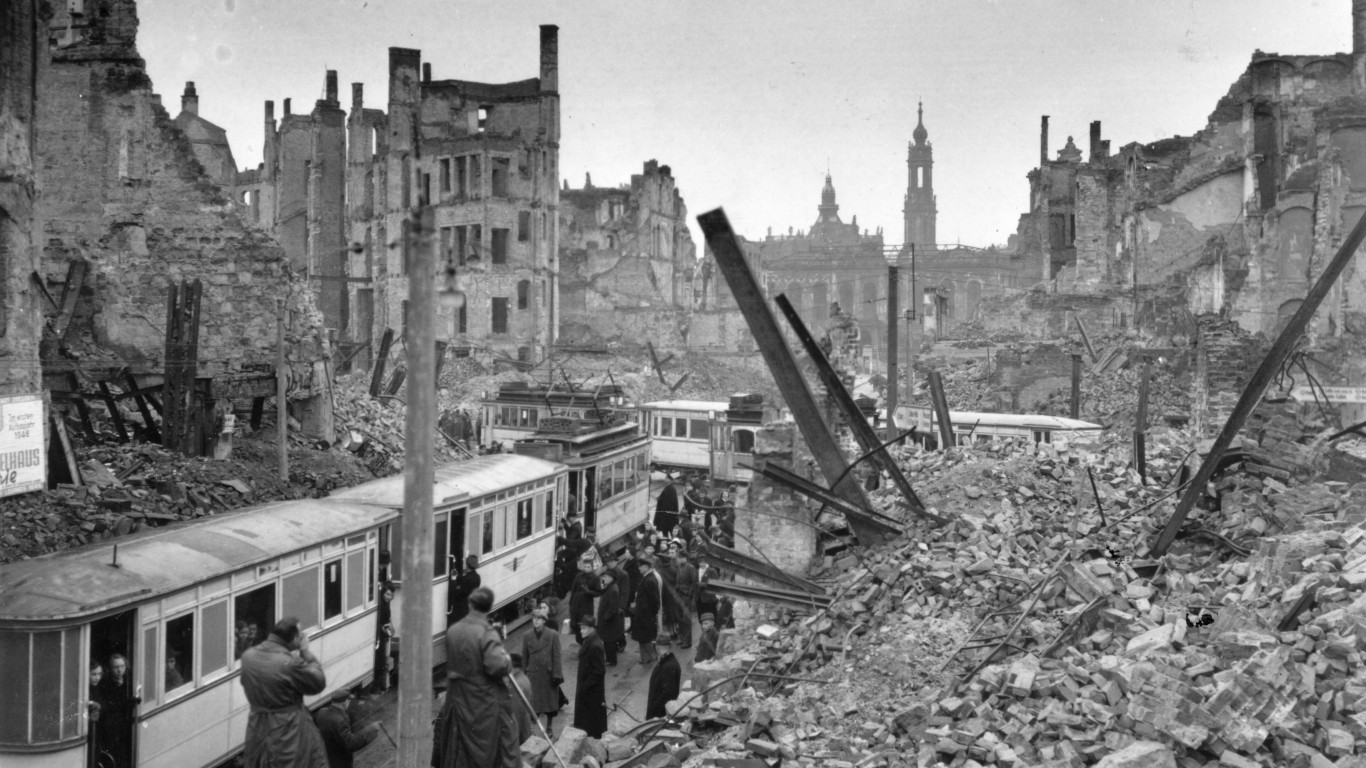
These once-thriving metropolises were all but wiped out, including their infrastructure. Buildings, bridges, railroads, and much of the countryside were demolished. One of the most notorious and horrific events of World War II was the bombing of Dresden in February 1945. The city was wiped out by Allied bombing, even though the thriving cultural center held little military significance.
Thousands of tons of incendiary and explosive bombs were dropped by joint Allied forces which created a firestorm that left approximately 25,000 people dead and annihilated a significant portion of the city. (Here are WWII bombings that involved the most planes.)
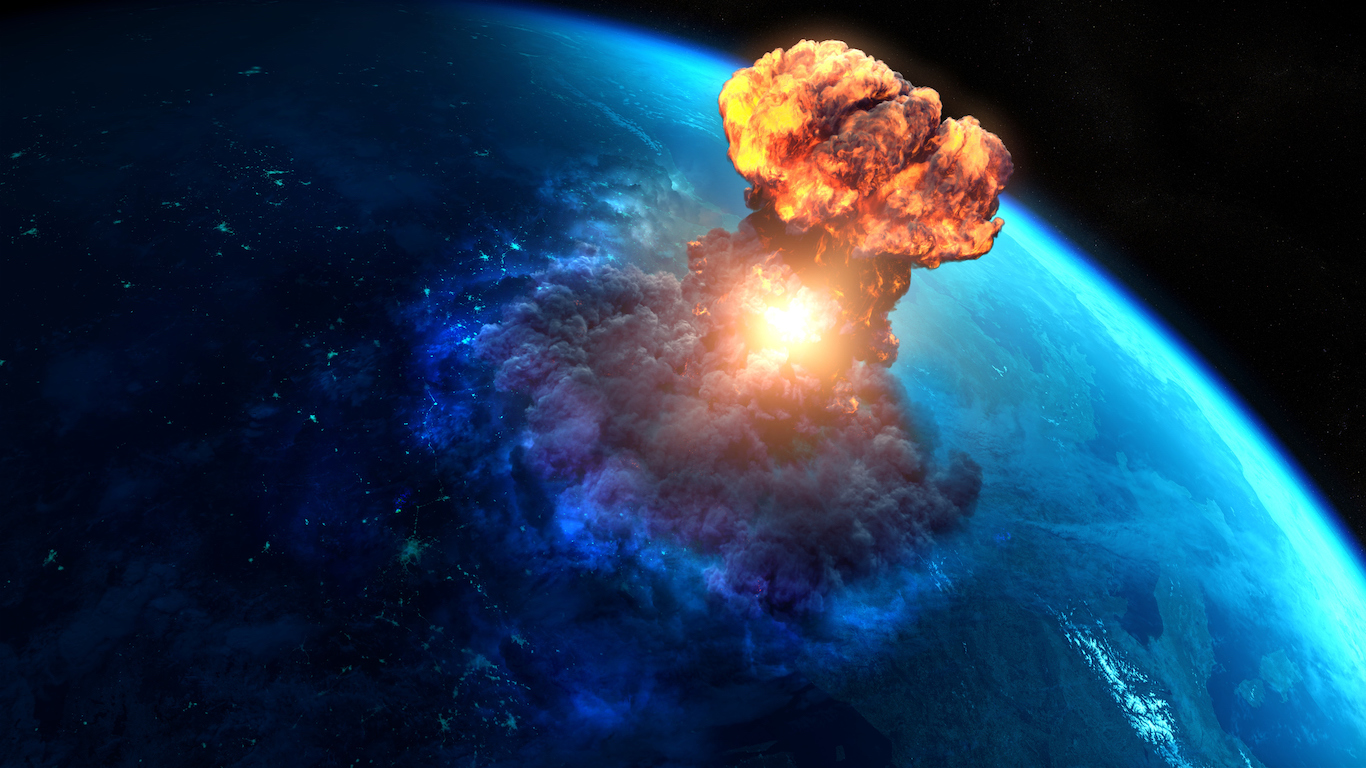
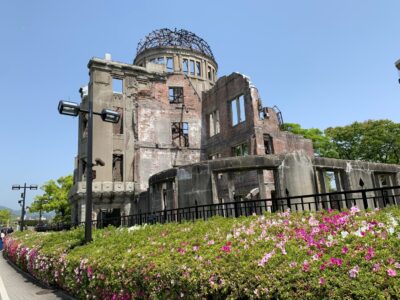
But none is more renowned than the bombings that took place in Japan in August 1945 when the United States dropped two atomic bombs on Hiroshima and Nagasaki, catapulting the world into the Atomic Age. Hiroshima became the first target on Aug. 6, when the bomb nicknamed “Little Boy” was released, followed shortly after by Nagasaki on Aug. 9 when “Fat Man” was dropped.
These weapons caused unprecedented and catastrophic destruction, triggering ethical questions surrounding the use of nuclear weapons in war. (These are the most powerful nuclear explosions in history, ranked.)
24/7 Wall St. used a variety of historical sources to identify the cities obliterated by America in WWII. This data was used to confirm the dates, locations, and affected areas of the cities most devastated by the bombing campaigns of the United States and the other Allied nations. We considered cities where over 50% of the city was destroyed or had significant reported casualties.
Here are the cities obliterated by America in World War II.
30. Heilbronn, Germany
- Share of city destroyed: 62.0%
- Date of attack: December 4, 1944
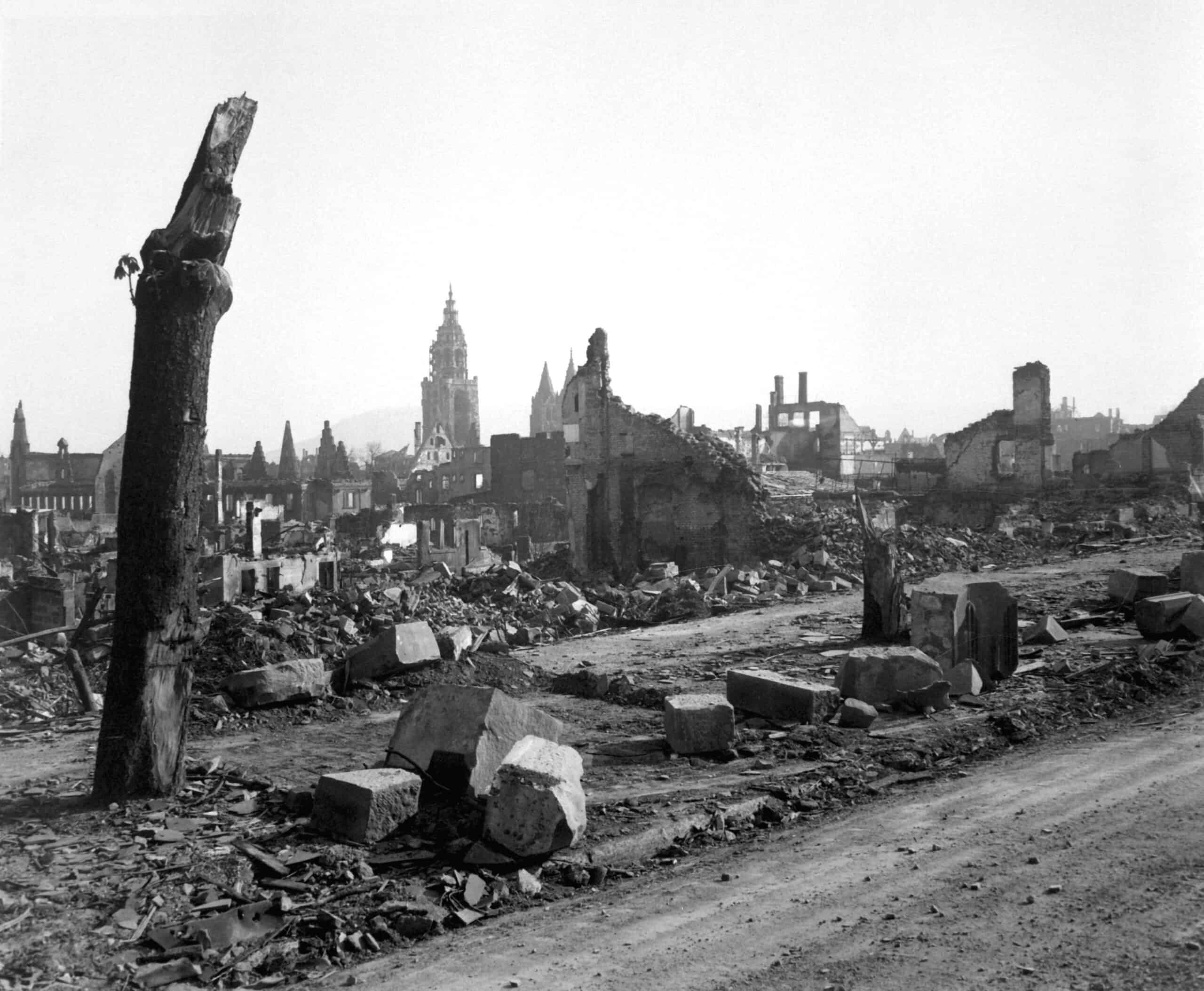
Heilbronn, in southwestern Germany along the Neckar River, was attacked many times by the Allies. The most lethal attack occurred on Dec. 4, 1944, resulting in 7,000 casualties. Between Dec. 27, 1944, and March 31, 1945, 13 air raids hit Heilbronn.
29. Kagoshima, Japan
- Share of city destroyed: 63.4%
- Date of attack: April 8 and 16, 1945
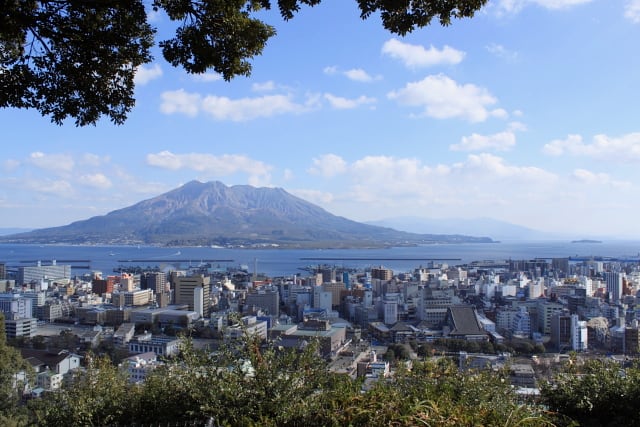
On the southwestern tip of the island of Kyushu, Kagoshima was targeted by the U.S. because of its expanded naval port as well as its position as a railway terminus. There were no casualties on these dates of attack.
28. Gifu, Japan

- Share of city destroyed: 63.6%
- Date of attack: July 9, 1945
On July 9, 1945, 131 American aircraft dropped 907 tons of firebombs on the central Japanese city of Gifu, igniting an inferno that torched a two-mile radius in the city center. There were 818 casualties, 1,200 injuries, and 20,363 homes destroyed, which left 100,000 homeless.
27. Imabari, Japan
- Share of city destroyed: 63.9%
- Date of attack: August 5, 1945
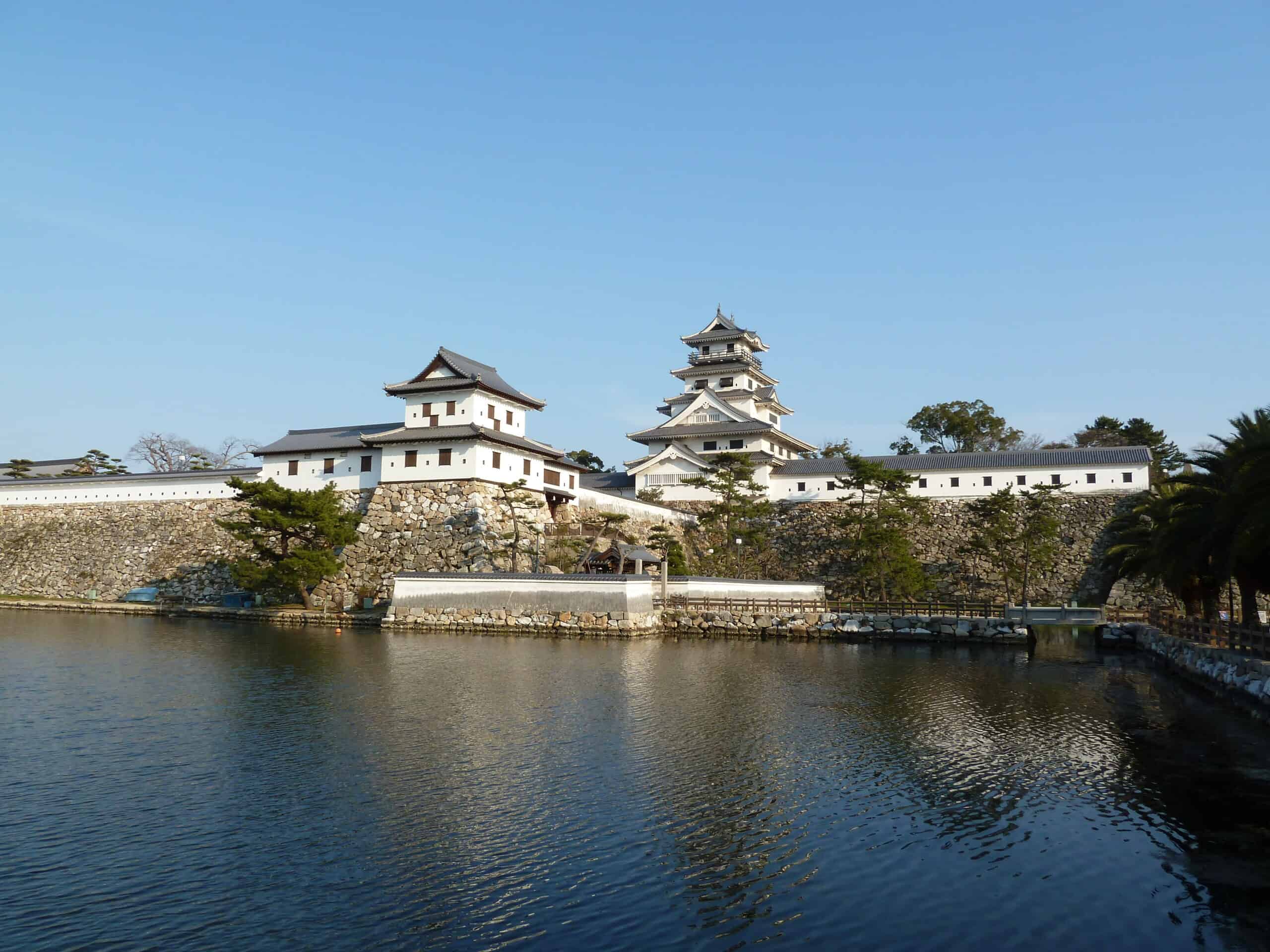
The shipbuilding center of Imabari in southwestern Japan was attacked three times during WWII. Allied bombers had bombed the city o in April and May before the third lethal attack occurred on Aug. 5, 1945, the day before an atomic bomb fell on Hiroshima. There were 454 casualties.
26. Matsuyama, Japan
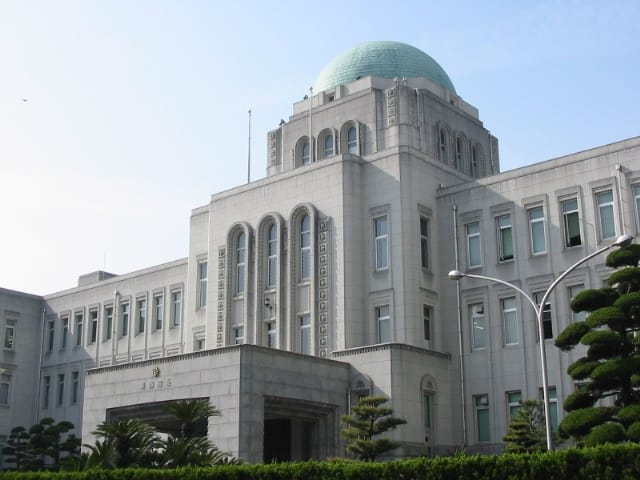
- Share of city destroyed: 64.0%
- Date of attack: July 4, 1945
In the final stages of the Second World War, the largest city on the island of Shikoku, Matsuyama, was attacked multiple times, including by a raid just days before Japan surrendered to the Allies. There were 251 casualties.
25. Maebashi, Japan
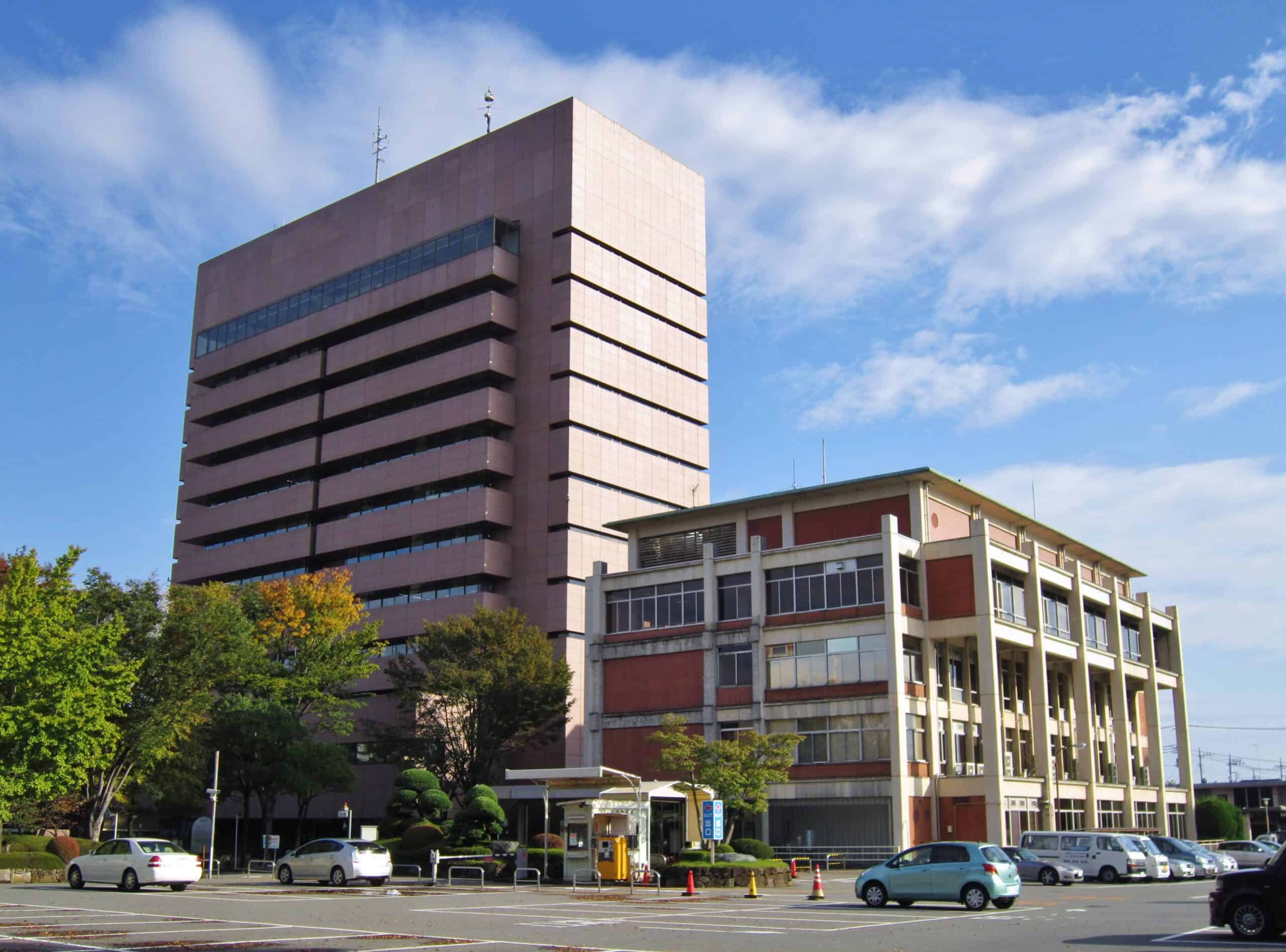
- Share of city destroyed: 64.2%
- Date of attack: August 5, 1945
A day before the U.S. ushered in the atomic age by dropping a nuclear bomb on Hiroshima, America continued with its conventional bombing strategy by attacking Maebashi. The city, in the center of Japan, just north of Tokyo, was largely destroyed by Allied bombing during World War II.
24. Nagaoka, Japan

- Share of city destroyed: 64.9%
- Date of attack: August 1, 1945
The regional and commercial center of Nagaoka, home to one of the laboratories of Japan’s Institute of Physical and Chemical Research, was previously attacked on July 26, 1945. The hometown of Japanese Admiral Isoroku Yamamoto, who planned the attack on Pearl Harbor, was attacked again on Aug 1, 1945. One hundred and twenty-five Boeing B-29 Superfortress bombers struck the city with an estimated 163,000 incendiary bombs totaling 925 tons. The raid lasted for 1 hour and 40 minutes and left 1,486 casualties.
23. Hachiōji, Japan
- Share of city destroyed: 65.0%
- Date of attack: February 9, 1945
Located in the western region of Tokyo Prefecture, Hachiōji is in the foothills of the Okutama Mountains, which surround it on three sides, about 25 miles west of Tokyo. It was heavily damaged in early February 1945, and attacked on other occasions during the war, but was rebuilt and grew as a Tokyo suburb.
22. Tsuruga, Japan
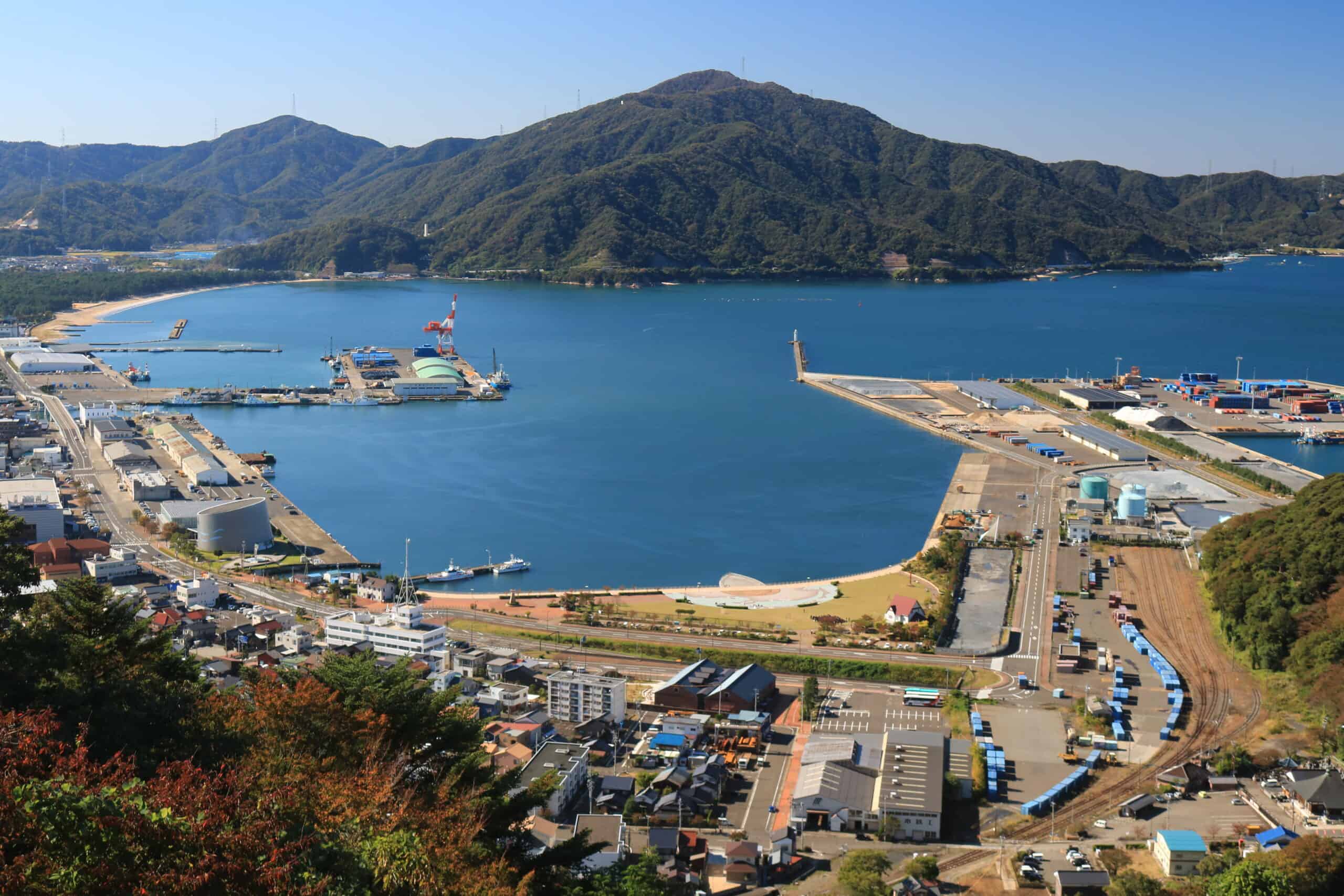
- Share of city destroyed: 65.1%
- Date of attack: July 12, 1945
This coastal city, known for its temples, Tsuruga became the first city on the Sea of Japan coast to be targeted by air raids. The city’s defenses were inadequate, and more than 65% of Tsuruga was razed by incendiary bombs on the night of July 12, 1945.
21. Shizuoka, Japan
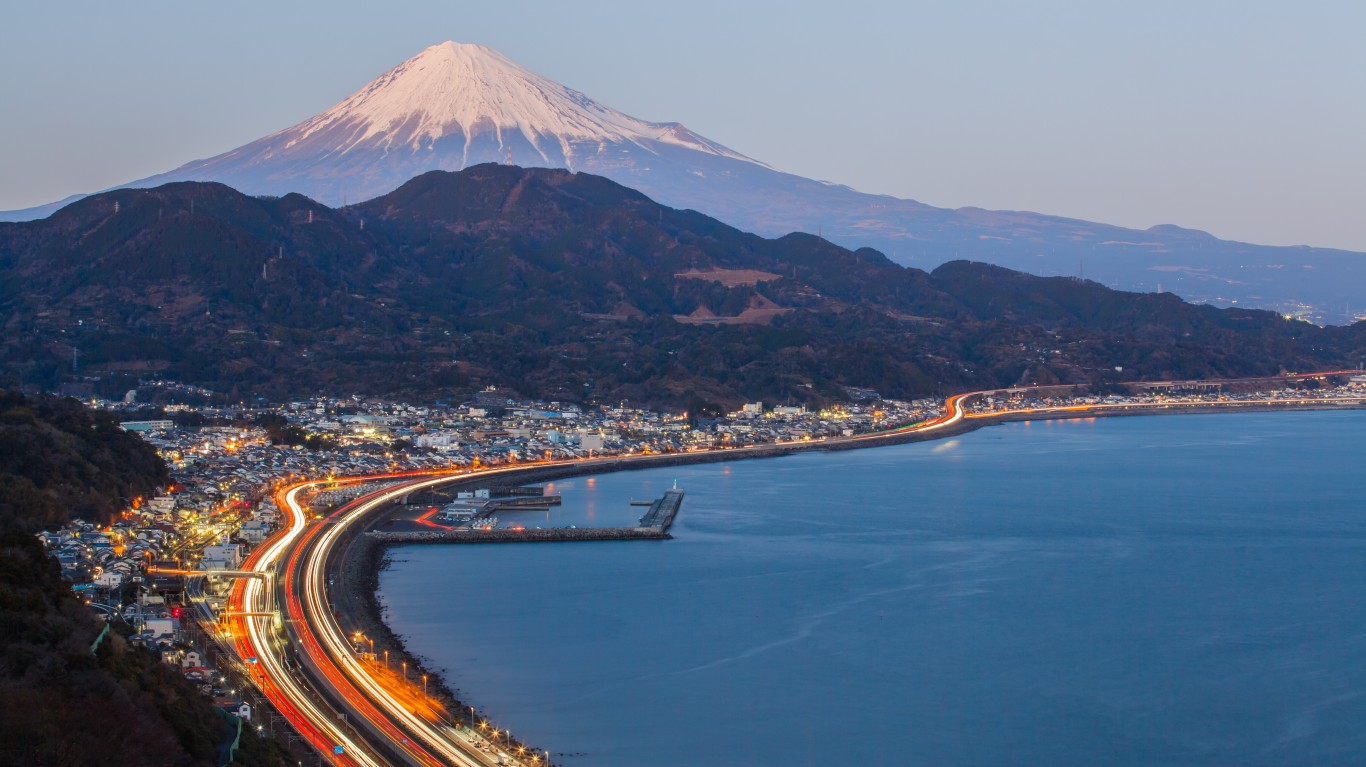
- Share of city destroyed: 66.1%
- Date of attack: June 19, 1945
During the Second World War, Shizuoka was bombed ten times by the Allies even though this city had limited strategic value to the Allies. The United States launched a firebombing attack of 137 B-29 bombers on June 19, attacking from the east and west to trap the population within the city center, between the mountains and the sea. There were 1,952 casualties and two-thirds of the city was destroyed.
20. Takamatsu, Japan
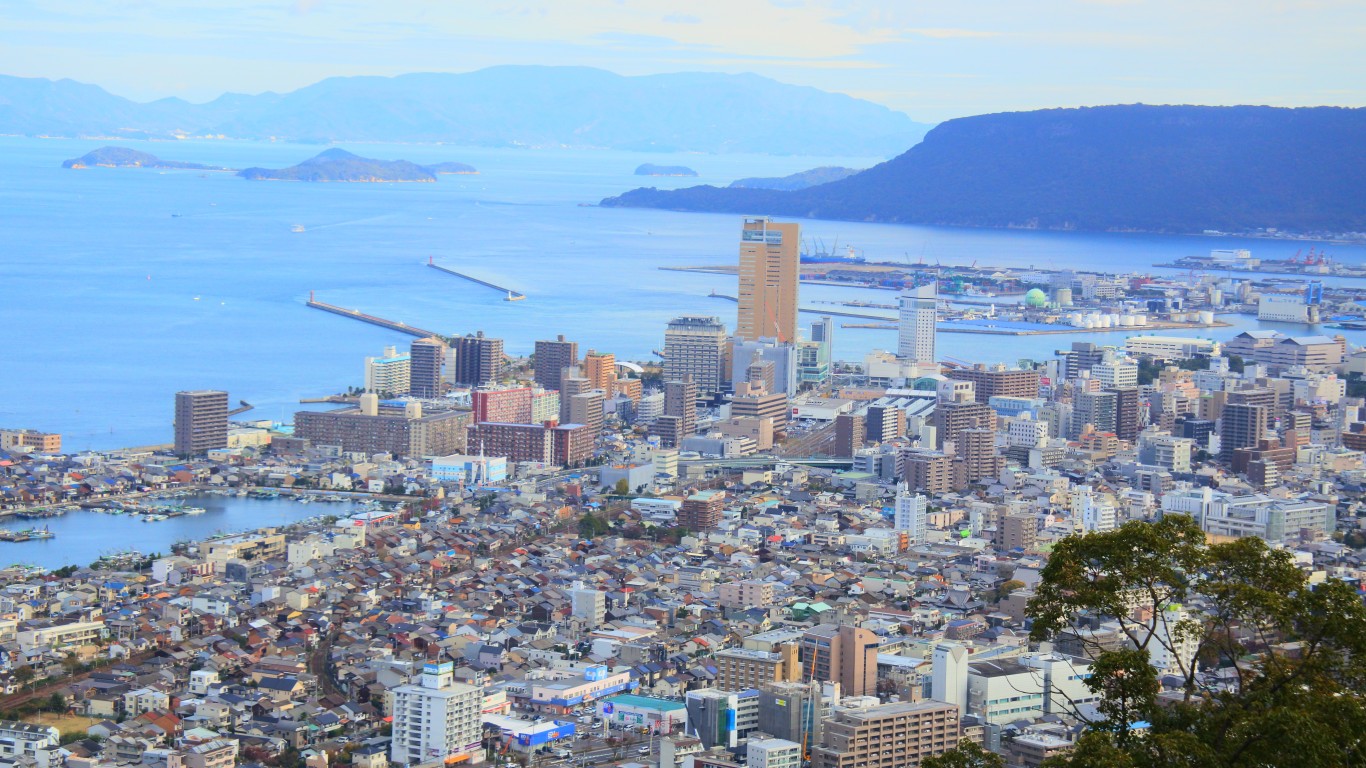
- Share of city destroyed: 67.5%
- Date of attack: July 3-4, 1945
Located in the central Kagawa Prefecture on the island of Shikoku, the city of Takamatsu was considered a focal point of Shikoku’s rail and road transit systems and was home to various industries essential to the war effort. This is why the Allies chose it as a target.
On the night of July 3, 1945, which continued into the following day, 128 B-29s dropped more than 800 tons of incendiary bombs on Takamatsu, destroying most of the city. Around 1,400 people were killed.
19. Mito, Japan
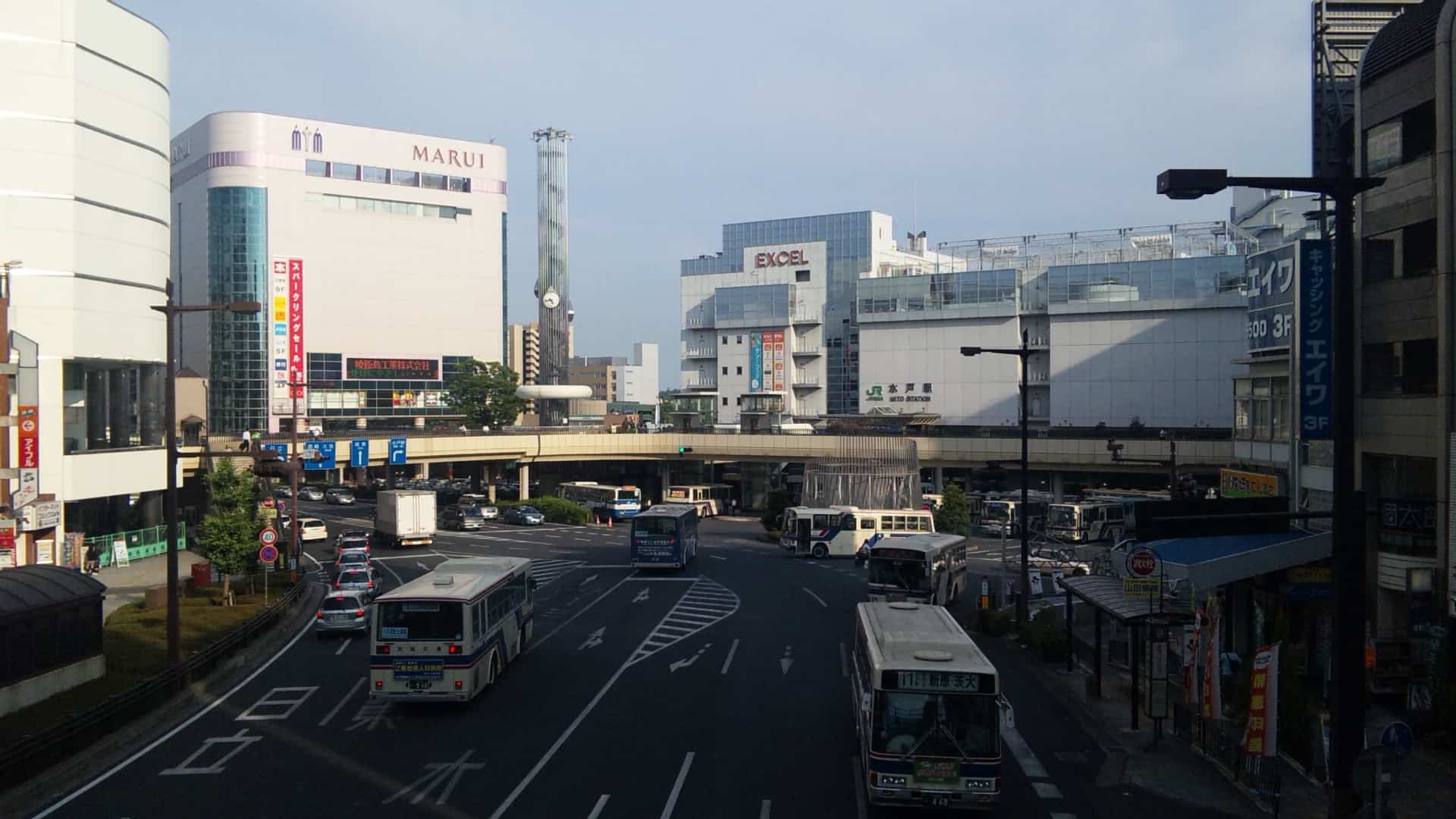
- Share of city destroyed: 68.9%
- Date of attack: August 1, 1945
Mito is the capital city of Ibaraki Prefecture, located on the largest island of Japan, in the Kantō region (this region includes the greater Tokyo area). On Aug. 1, 1945, when the war was winding down, Mito was attacked, destroying almost 70% of the city. The attack was part of a larger raid involving 830 B-29s.
18. Okayama, Japan
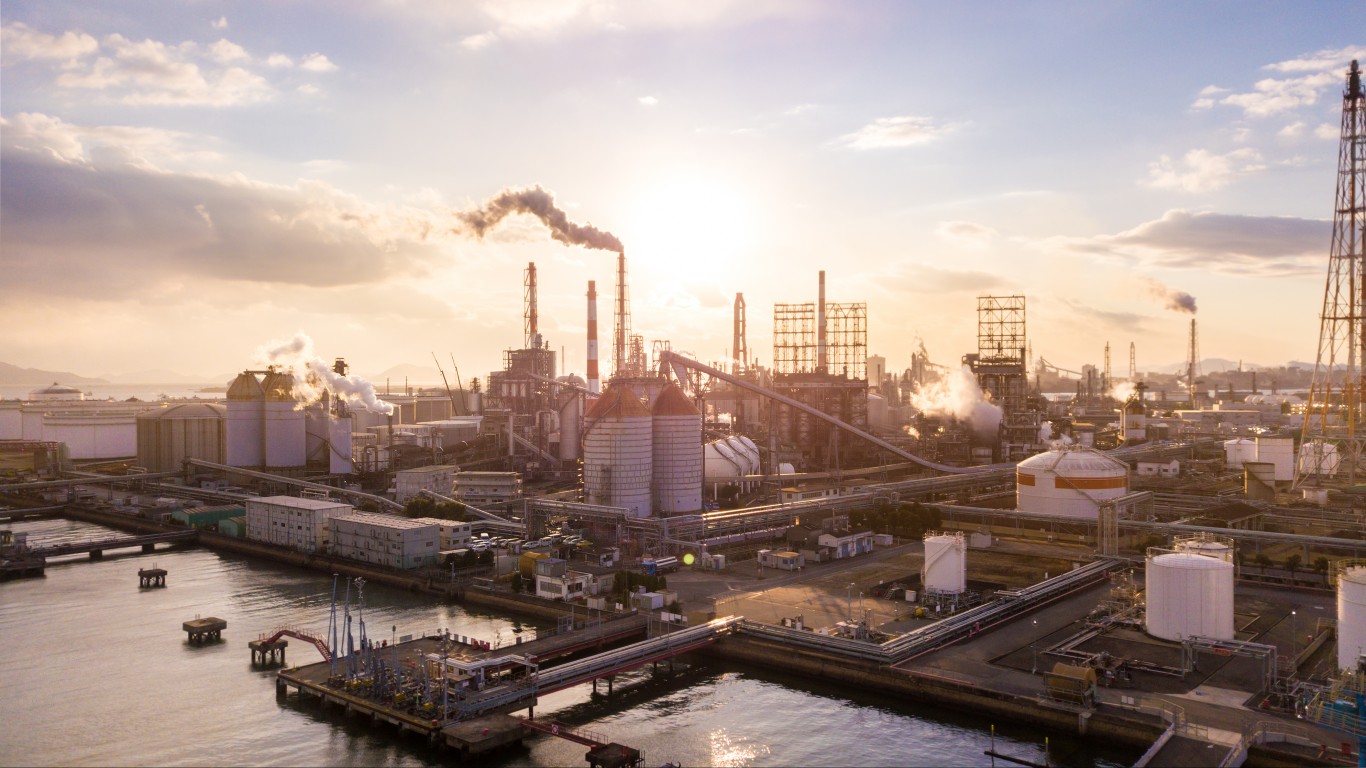
- Share of city destroyed: 68.9%
- Date of attack: June 29, 1945
The capital city of Okayama Prefecture in the Chūgoku region of Japan, Okayama became one of the most important areas in western Japan for transportation and education before WWII. An army base was set up in this city when the war began. On June 29, 1945, Okayama was attacked by U.S. bombers carrying incendiary bombs that killed 1,700 people and destroyed almost 70% of the city.
17. Kassel, Germany
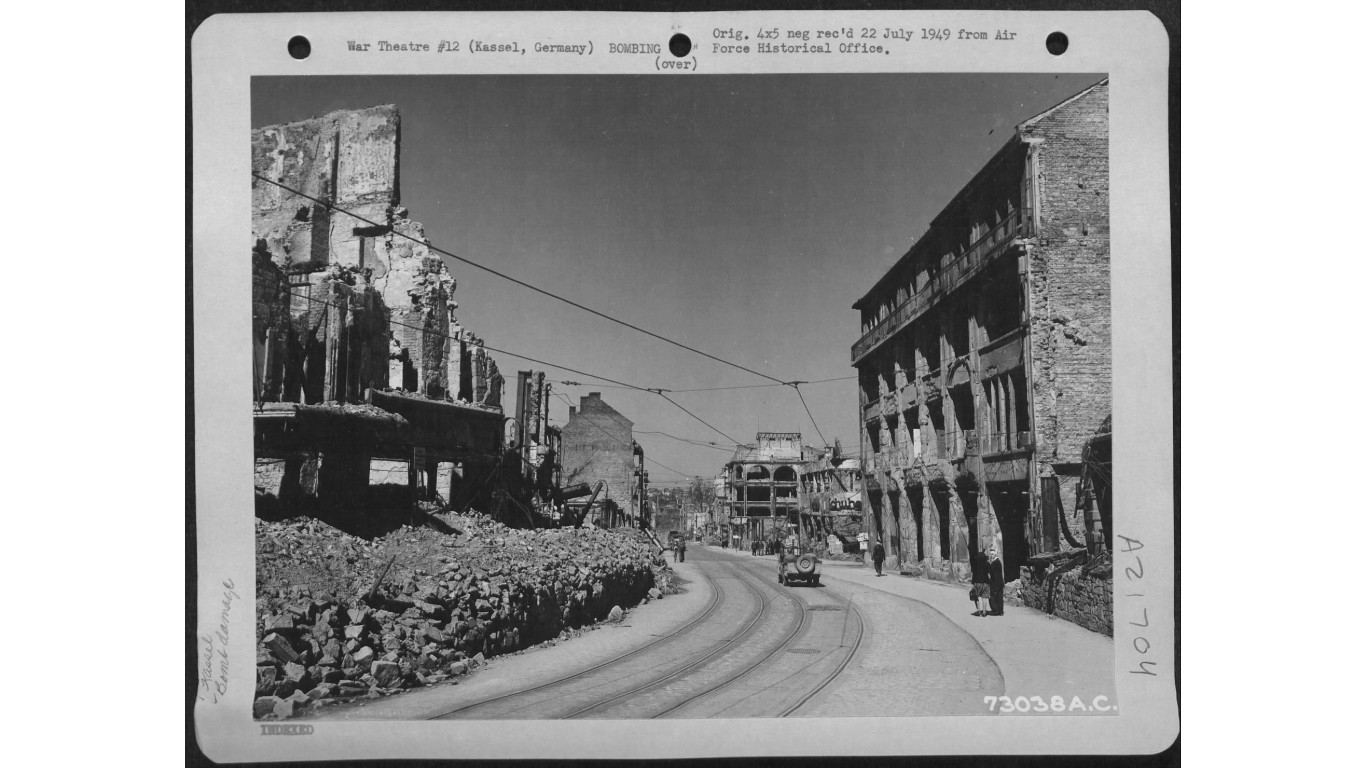
- Share of city destroyed: 69.0%
- Date of attack: February 1942 – March 1945
Although the Allies had conducted a series of bombing attacks on the German city of Kassel for more than three years, the single deadliest strike came on Oct. 22-23, 1943. The town was the site of aircraft and tank plants and other critical German industrial targets, which resulted in multiple air raids.
The fire caused by the most severe air raid burned for seven days and destroyed an overwhelming majority of the city. There were at least 10,000 people who were killed and 150,000 inhabitants were bombed out.
16. Nara, Japan
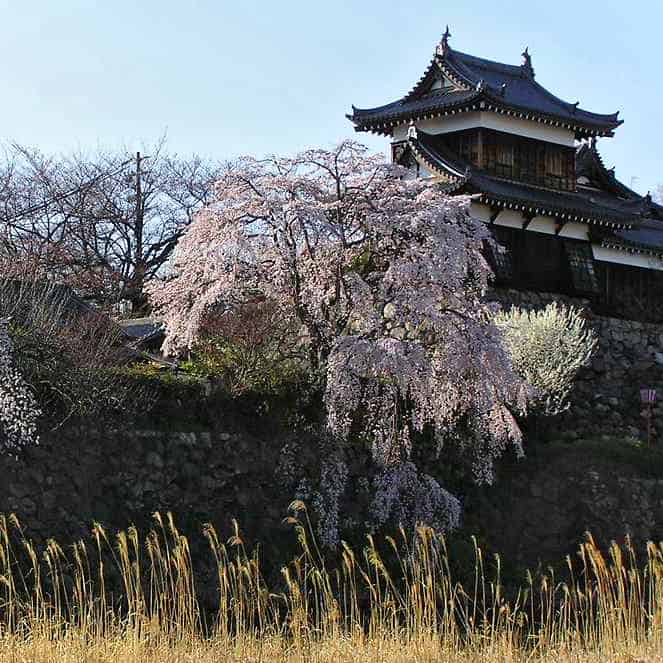
- Share of city destroyed: 69.3%
- Date of attack: June 9, 1945
Located in the northern end of Nara Prefecture, Nara was once the capital of Japan and is near the cities of Kyoto and Osaka. This now-UNESCO World Heritage site is known for its temples and shrines and was a great cultural center in Japan. Almost 70% of the city — about the size of Boston — was destroyed.
15. Tsu, Japan
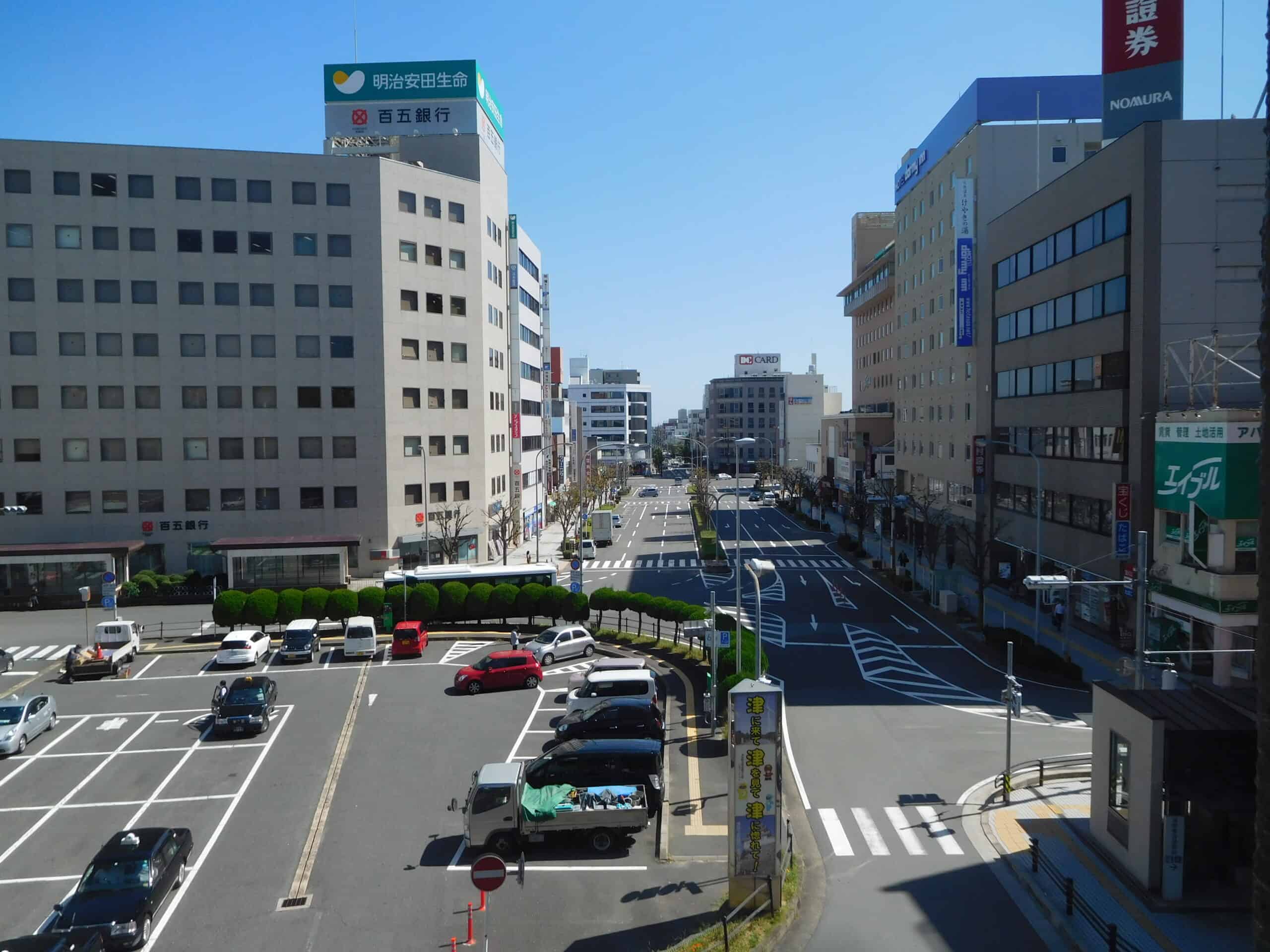
- Share of city destroyed: 69.3%
- Date of attack: July 28, 1945
Tsu is the capital city of Mie Prefecture on the island of Honshu and is about the size of Topeka, Kansas. Tsu was one of six Japanese cities attacked on July 28, resulting in the damage of almost 70% of the city. There were 1,239 casualties.
14. Hitachi, Japan

- Share of city destroyed: 72.0%
- Date of attack: July 19, 1945
Hitachi is on the island of Honshu on the Pacific Coast in the Ibaraki Prefecture. Known for its brand name of electronics products, which includes power plants and appliances, the city incurred major damage from shore bombardment and air raids.
Hitachi was an important military target because of its status as a major industrial center and after air raids on July 10th failed to hit major targets, battleships, coupled with a second air raid, damaged much of the city on July 19th,
They failed to hit factories but killed civilians.
13. Hamburg, Germany
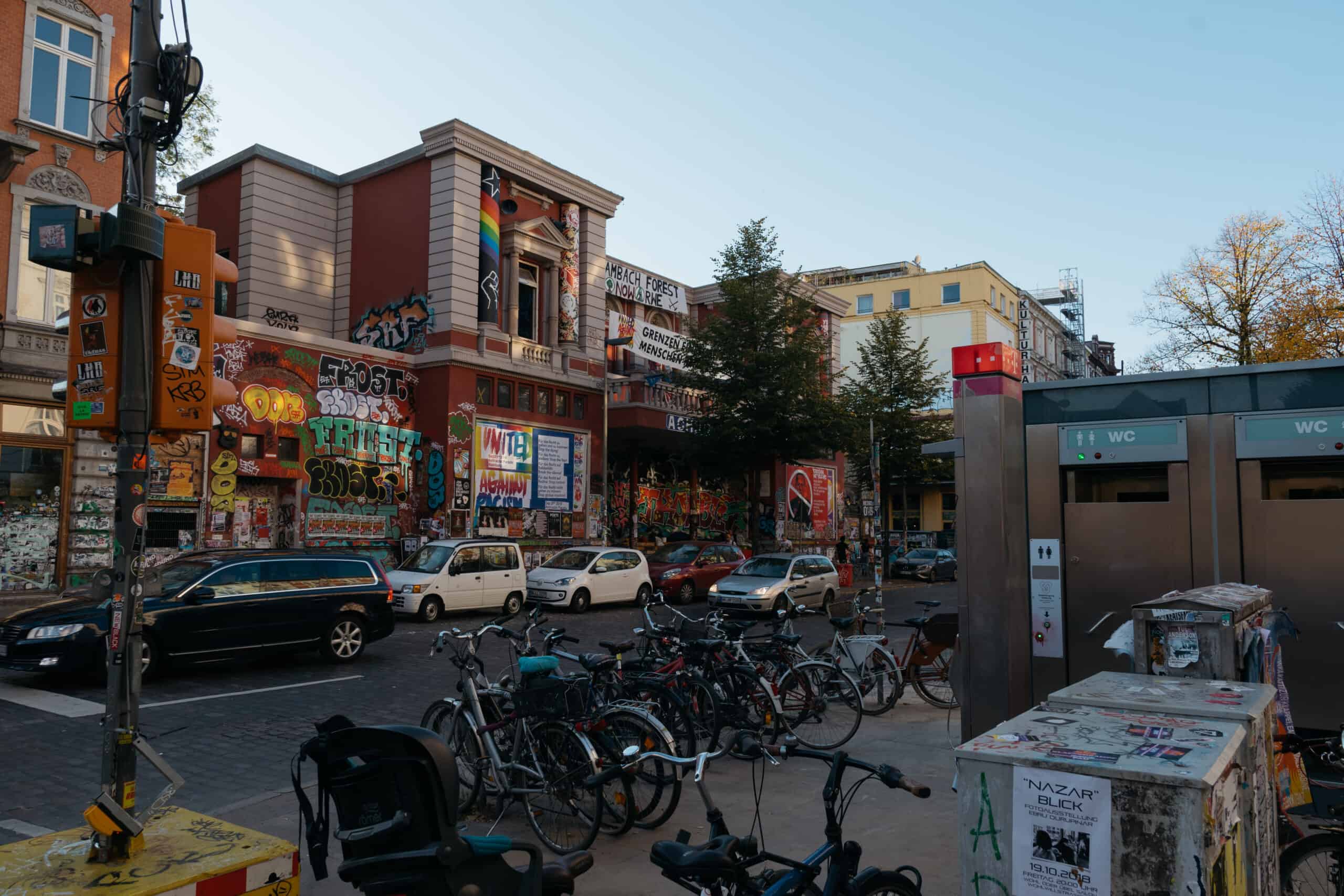
- Share of city destroyed: 75.0%
- Date of attack: July 24-31, 1943
The second-largest city in Germany, Hamburg sustained repeated bombings over seven days. Codenamed Operation Gomorrah, the combined U.S. and U.K. air attack on this major German industrial city produced one of the largest firestorms of the war, killing more than 37,000 and wounding another 180,000 and leaving the city in ruins. Hamburg was home to shipyards, oil refineries, and other operations critical to the Nazi war effort.
12. Kuwana, Japan
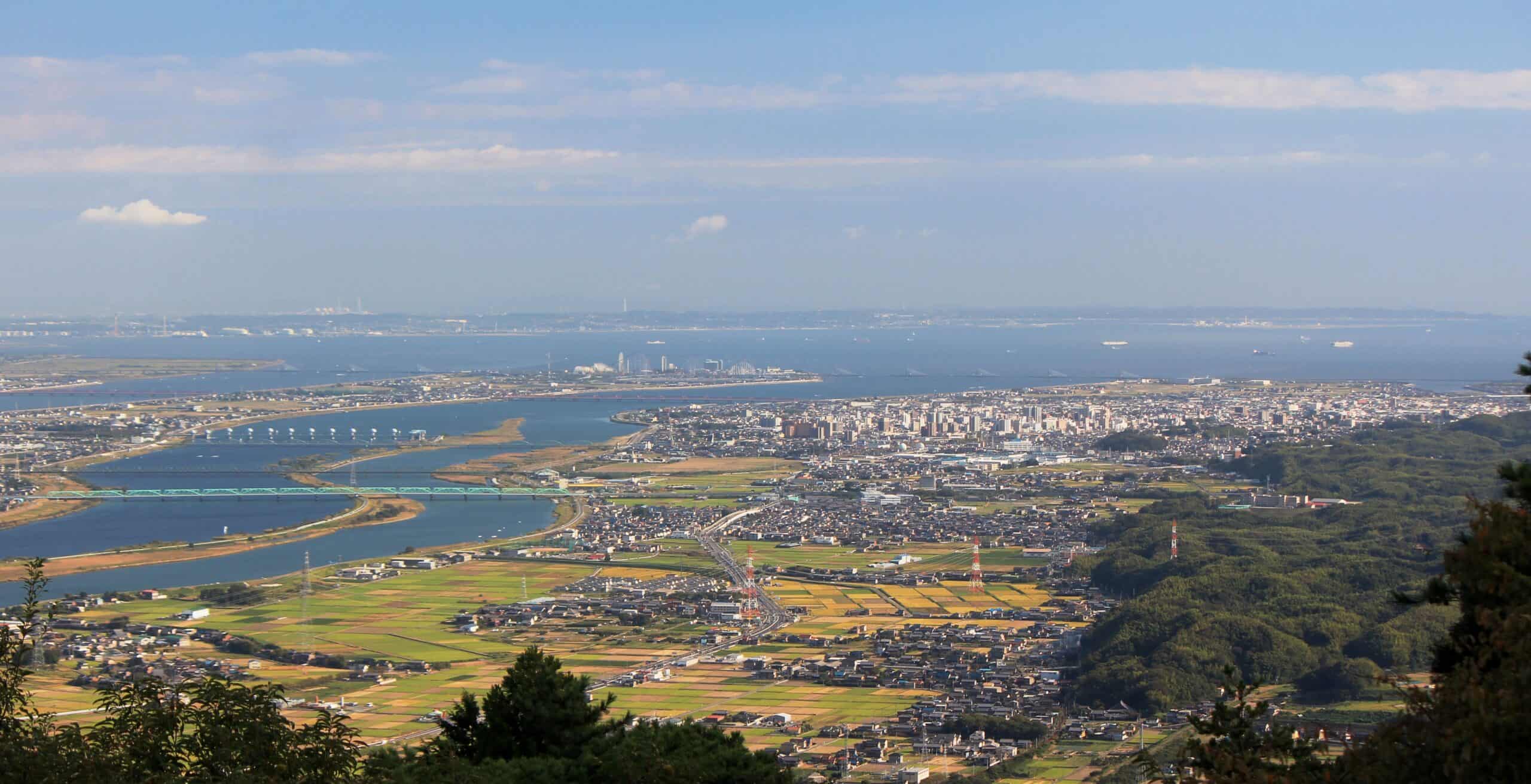
- Share of city destroyed: 75.0%
- Date of attack: July 16, 1945
Kuwana, located in Mie Prefecture in the central part of the island of Honshu, was a regional commercial center noted for its metal casting industry. On July 16, 1945, the city was heavily attacked, resulting in the destruction of 75% of the city.
11. Koblenz, Germany
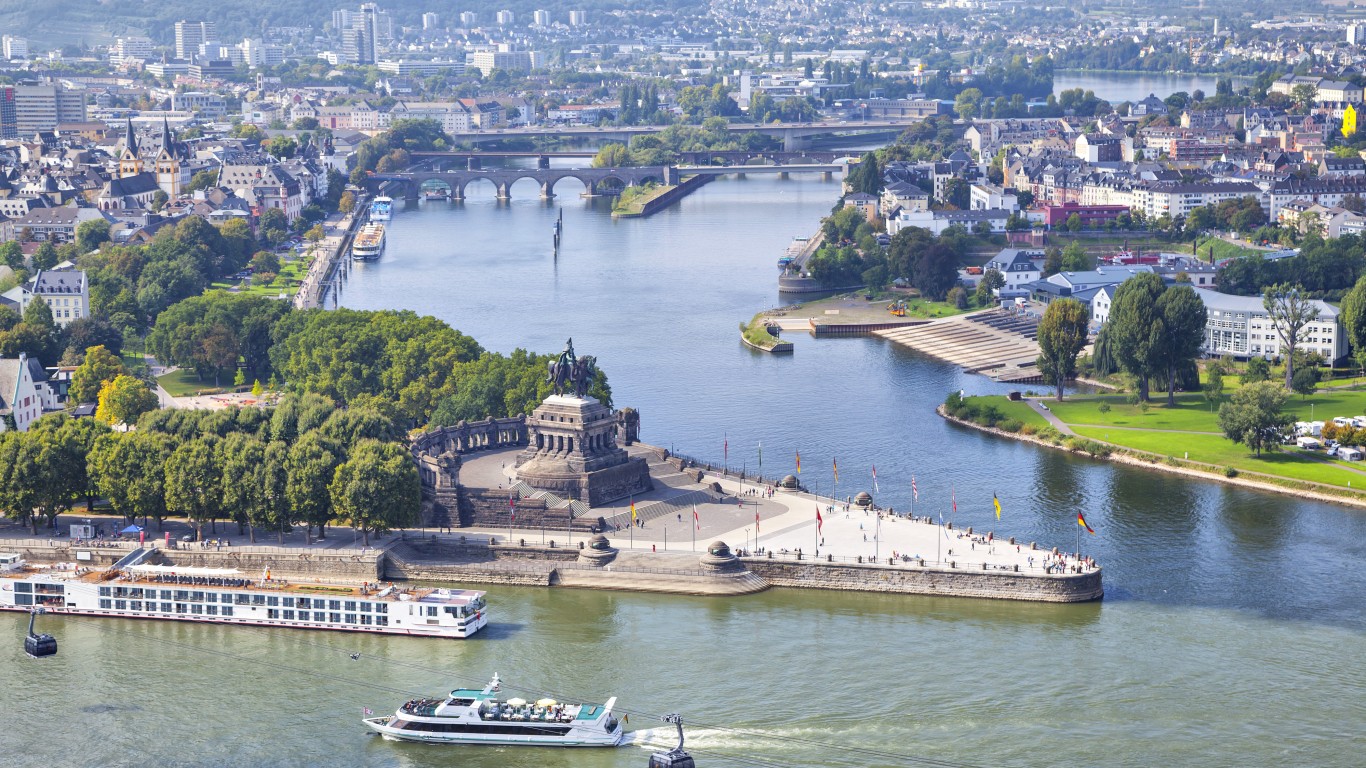
- Share of city destroyed: 80.0%
- Date of attack: November 16, 1944
Koblenz, on the banks of the Rhine and Moselle rivers, hosted the command of German Army Group B, which resulted in it being a target of Allied bombing. The city suffered severe aerial bombardment leading to the loss of much of its historic heritage. The Rhine Gorge, which marks the northern end of Koblenz, is now a World Heritage site.
10. Fukuyama, Japan
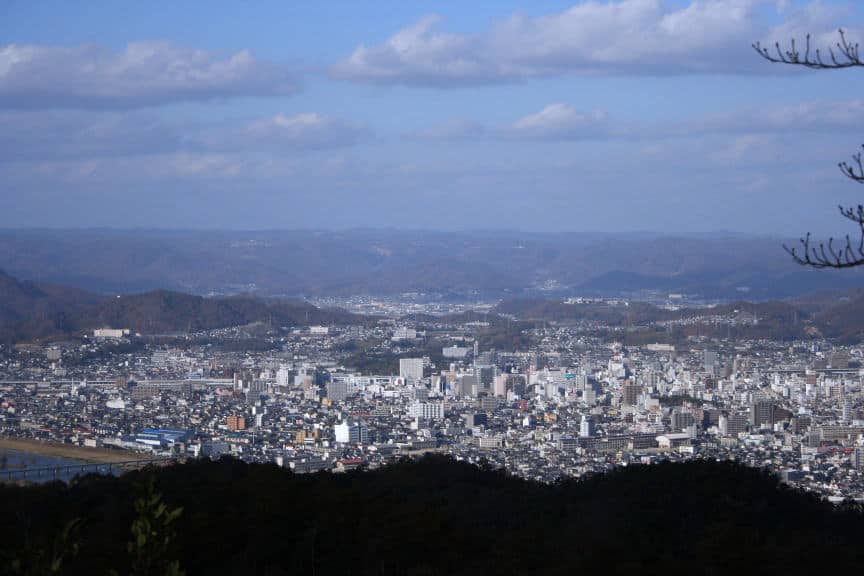
- Share of city destroyed: 80.9%
- Date of attack: August 8, 1945
Fukuyama, the largest city after Hiroshima in the Hiroshima Prefecture was known for its 17th-century castle, Hisamatsu Castle, or Fukuyama Castle. Two days after the atomic bomb attack on Hiroshima, 91 American B-29 Bombers attacked the city, leaving it heavily damaged by Allied bombing. The attack largely destroyed the castle, but when the city was industrialized after the war, it was restored.
9. Fukui, Japan
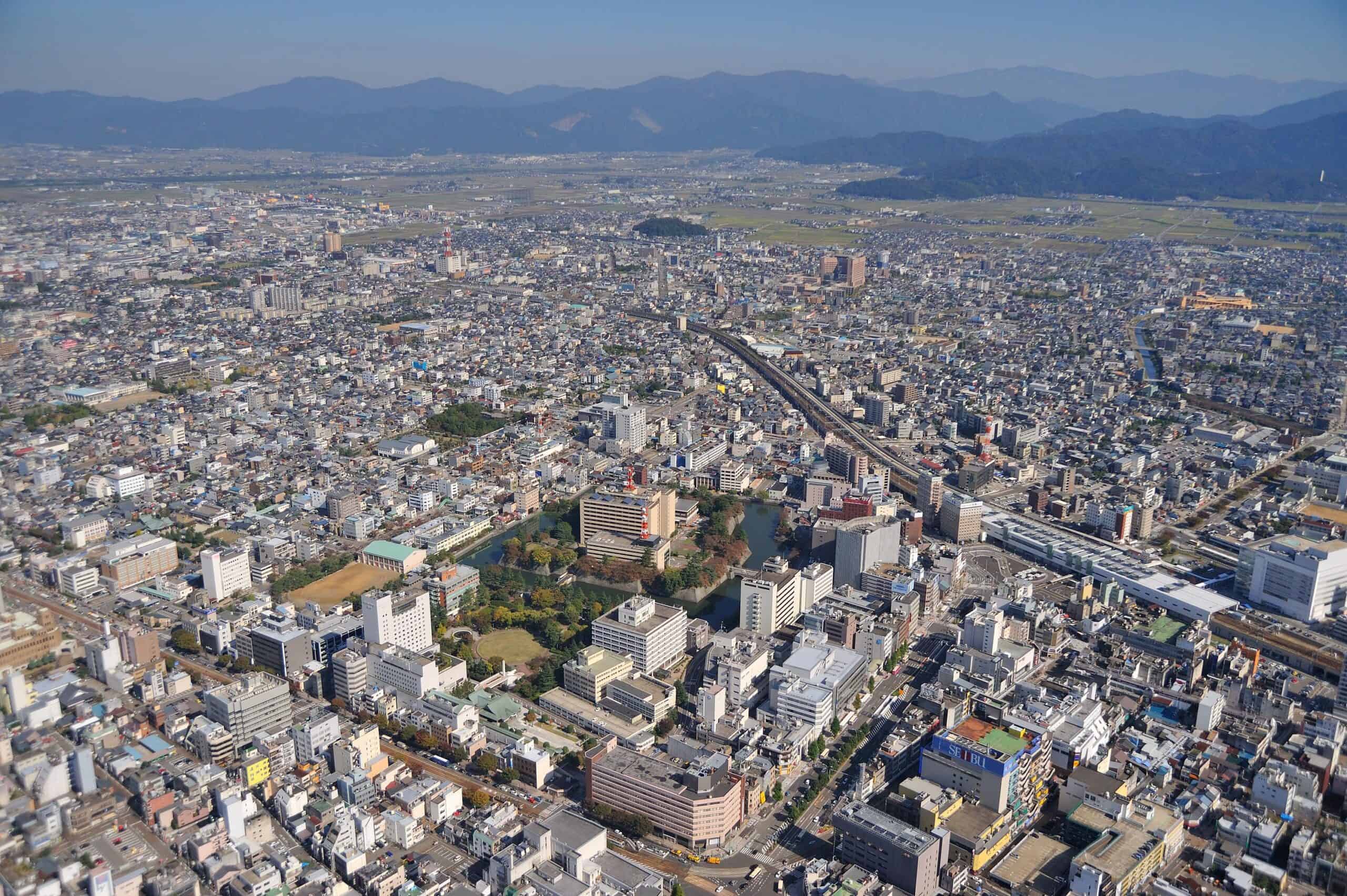
- Share of city destroyed: 84.8%
- Date of attack: July 19, 1945
Fukui is the capital city of Fukui Prefecture in the Chūbu region of Honshū. On July 19, 1945, 133 Boeing B-29s launched from Tinian in the Marianas dropped incendiary bombs in a spiral pattern with a radius of almost a mile around the northwest of the city, leaving it in ruins. Most of the city, 84.8%, was destroyed and there were 1,576 casualties.
8. Tokushima, Japan
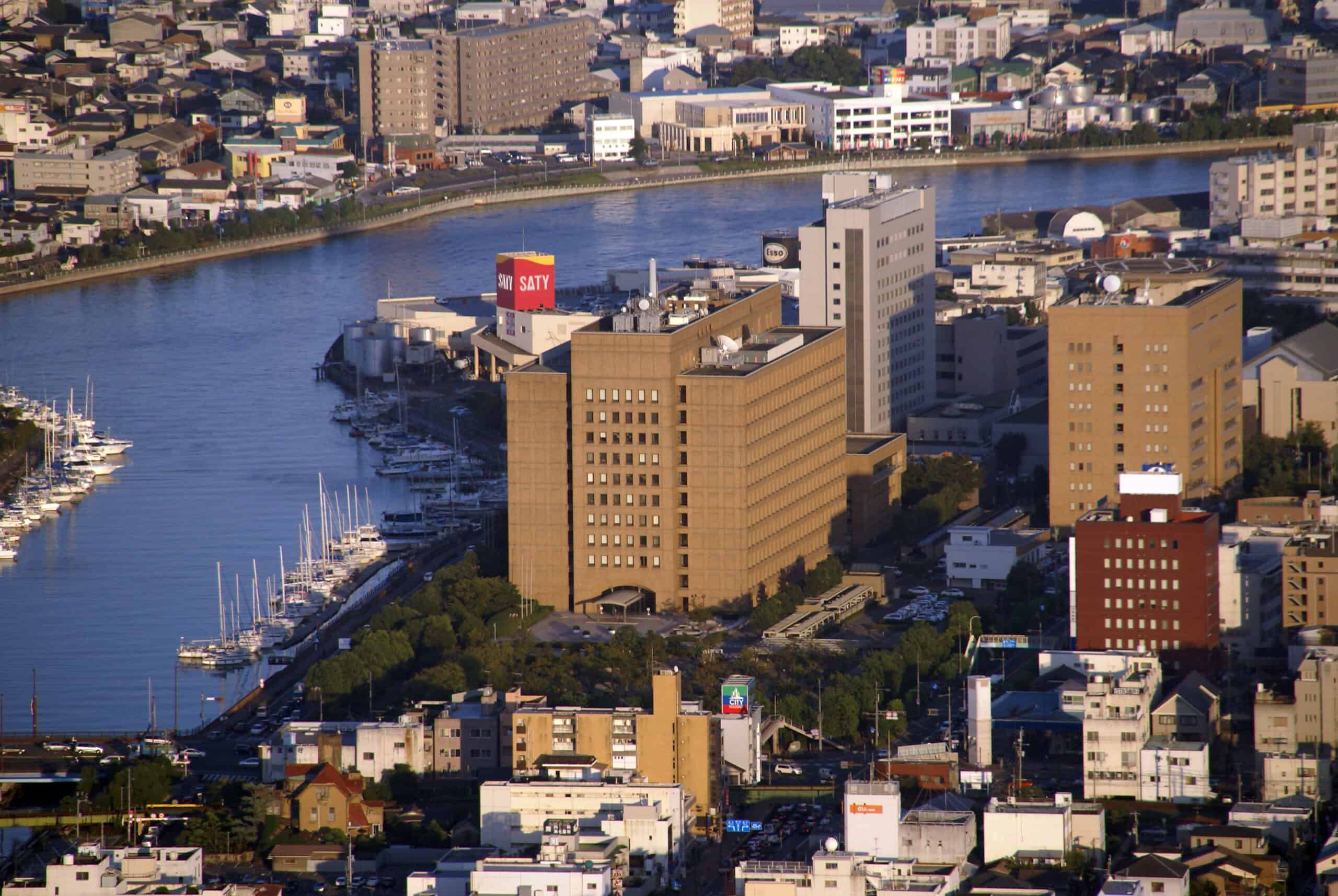
- Share of city destroyed: 85.2%
- Date of attack: July 3, 1945
Located on the island of Shikoku, the capital city of Tokushima Prefecture was chosen as a target because the city had a role as an agricultural center for the region. On July 3, 1945, Tokushima was targeted by 1,050 tons of incendiary bombs from American B-29s, destroying more than 85% of the city, and killing 1,000 people.
7. Manila, Philippines
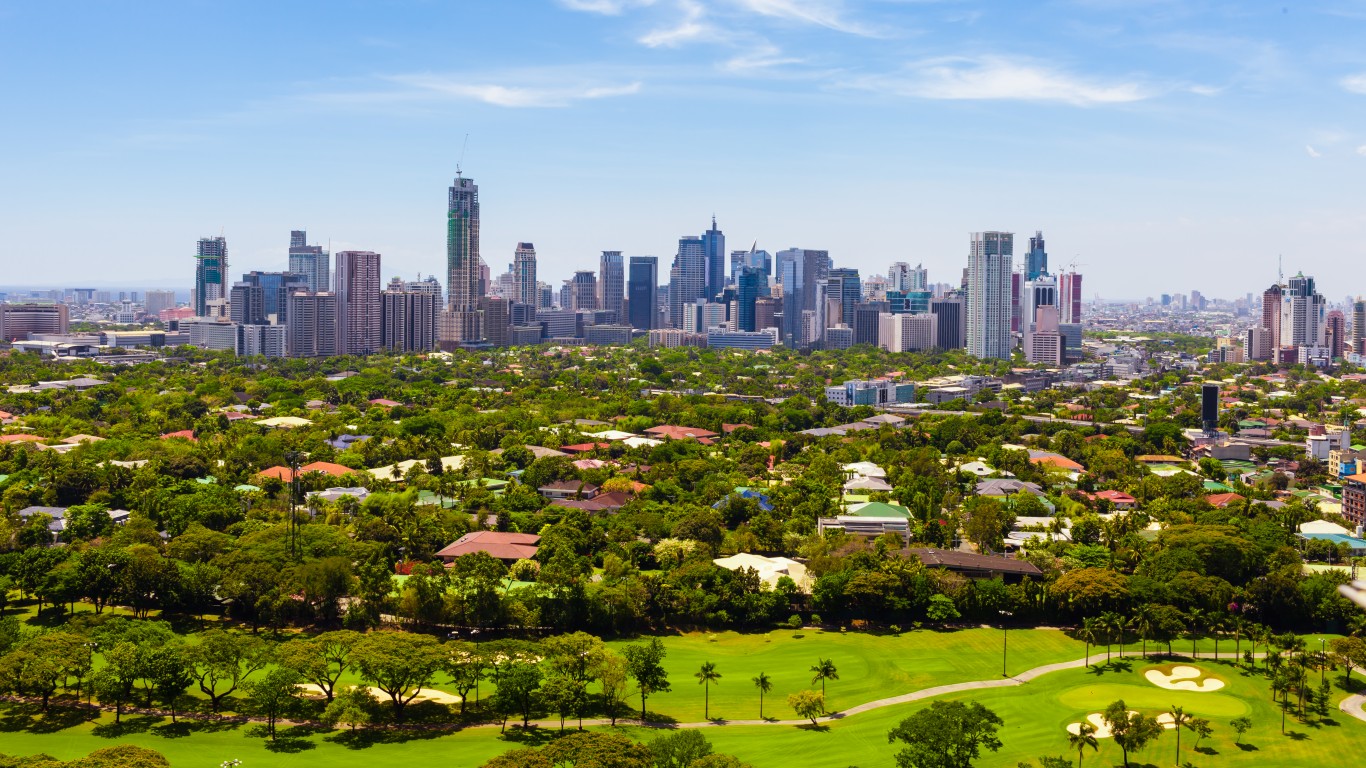
- Share of city destroyed: 90.0%
- Date of attack: February 3 – March 3, 1945
The bloodiest battle in World War II’s Pacific Theatre took place in Manila, which became one of the most destroyed cities in the war. Manila was the site of one of the worst scenes of urban combat, with American and Japanese forces destroying much of the city. This resulted in 140,000 casualties.
6. Nuremberg, Germany
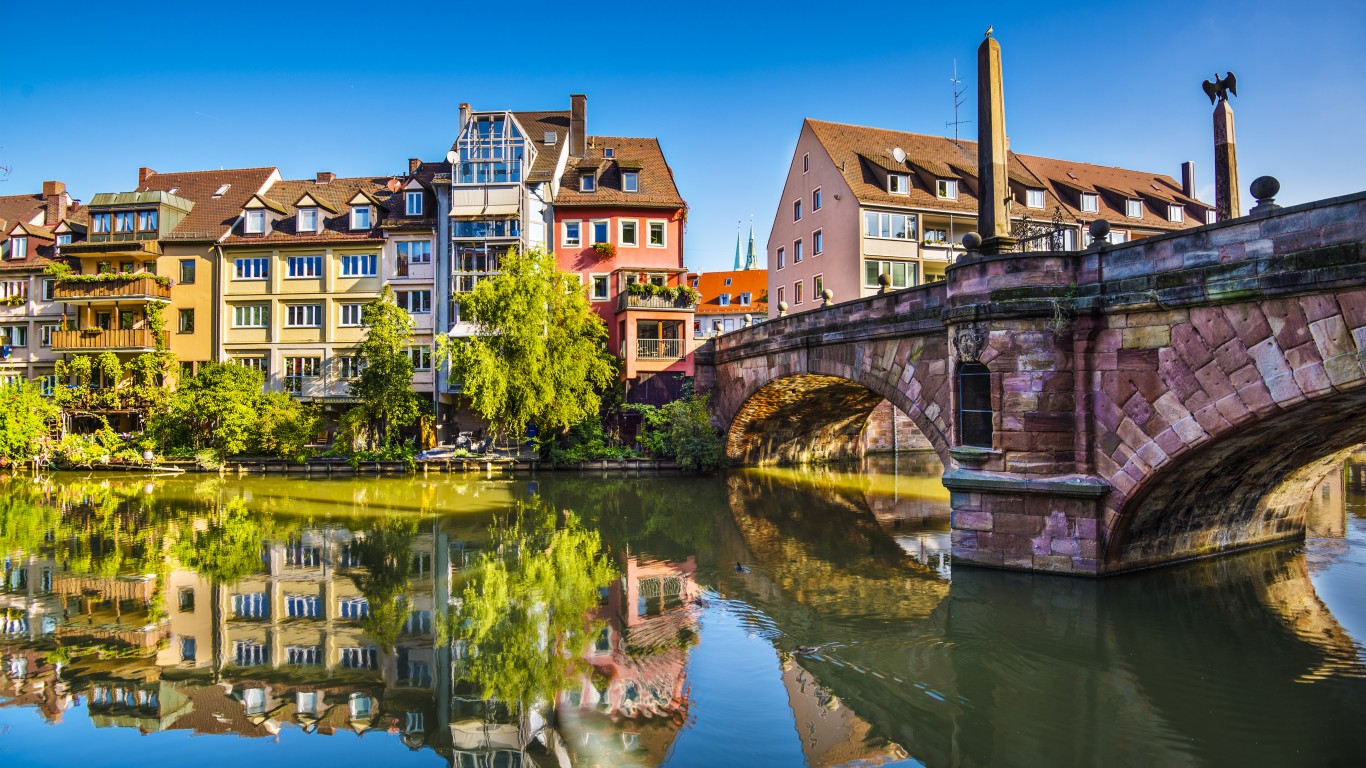
- Share of city destroyed: 90.0%
- Date of attack: January 2, 1945
The Bavarian city of Nuremberg was of significant importance to the Reich, as it was one of the centers of the Nazi Regime, home to the Nuremberg Rallies, and a vital economic and infrastructural hub. Nuremberg was destroyed in a series of air raids carried out by Allied forces of the Royal Air Force and the United States Army Air Forces that caused heavy damage throughout the city from 1940 through 1945. The city suffered a loss of 1,800 people.
5. Saint-Lô, France
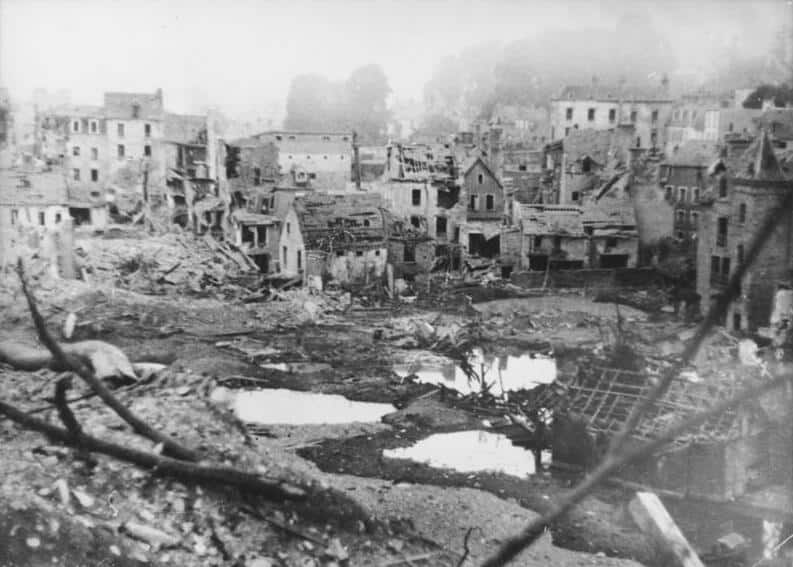
- Share of city destroyed: 95.0%
- Date of attack: July 7-19, 1944
The French city of Saint-Lô, located in the Northwest region of France, was strategically important as a crossroads and was heavily damaged by American planes during and after the Normandy invasion in 1944 as the Allies tried to enlarge their toehold on the beaches of Normandy. Damage was so significant that it was referred to as “The Capital of Ruins” with 1,000 casualties. German targets were largely missed and most of the damage and casualties fell on French citizens.
4. Jülich, Germany

- Share of city destroyed: 97.0%
- Date of attack: November 16, 1944
The medieval town of Jülich, located in Western Germany in the federal state of North Rhine-Westphalia sits on a crossing of the River Rur. Some of the most intense batterings of the war occurred here, with 97% of the town lost to bombing in 1944 and the remaining 3% destroyed after three months of fighting. The town suffered 1,000 casualties. After the war, the town was rebuilt.
3. Toyama, Japan
- Share of city destroyed: 99.0%
- Date of attack: August 1, 1945
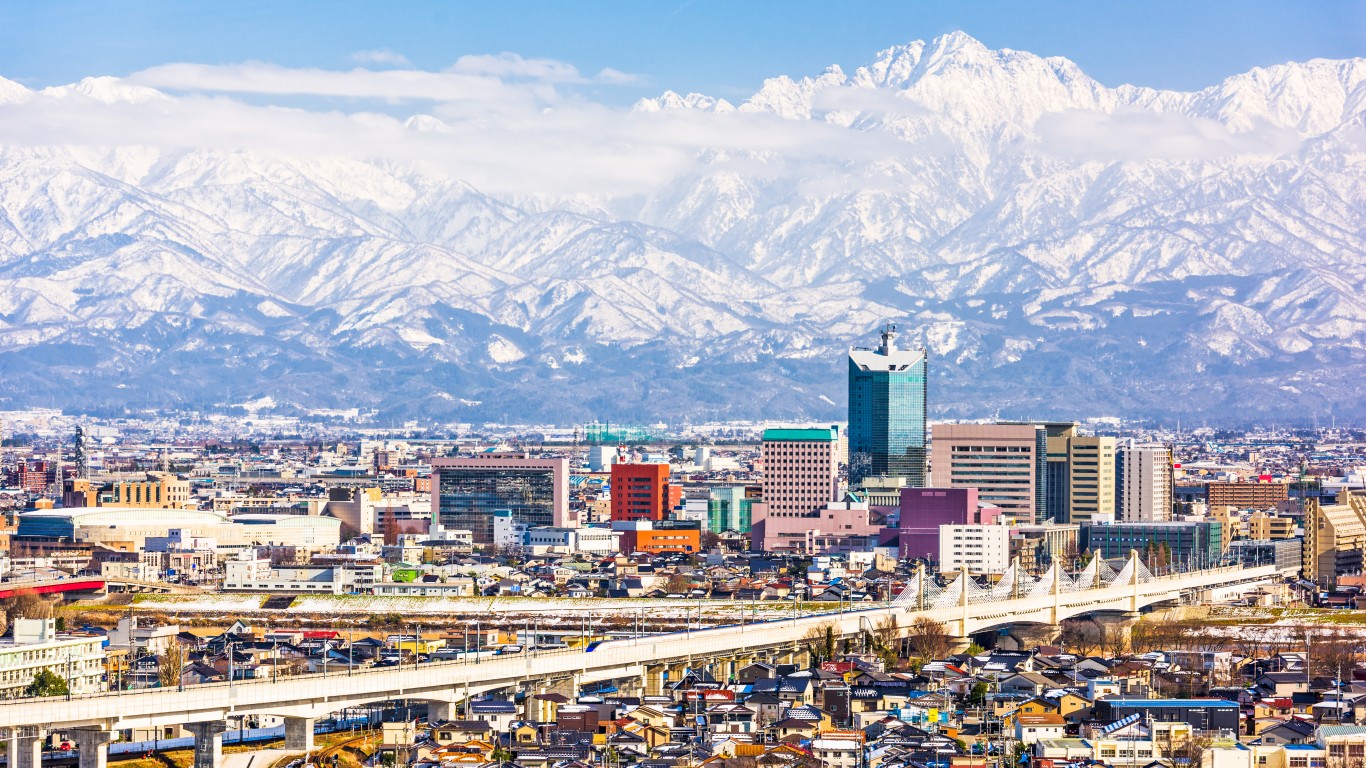
The coastal town of Toyama, on the Sea of Japan in the Chubu region on central Honshu island, was hit by 173 B-29s on Aug. 1 as part of a larger raid on cities that included Hachijō-jima, Mito, and Nagaoka. Toyama, a major aluminum producer, was especially hard hit, with some 99% of its area destroyed. The city suffered 2,149 casualties.
2. Nagasaki, Japan
- Share of city destroyed: 100.0%
- Date of attack: August 9, 1945
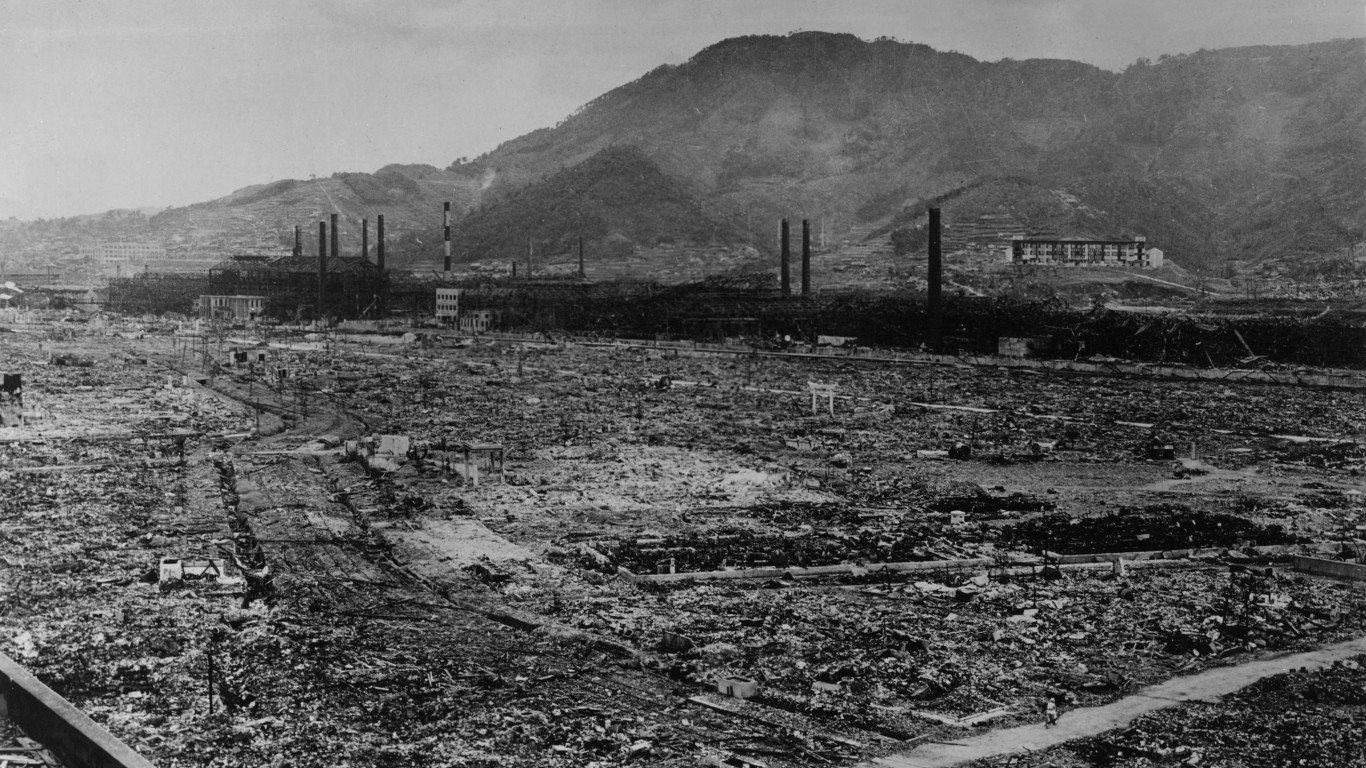
Nagasaki is the capital and the largest city of the Nagasaki Prefecture on the island of Kyushu in eastern Japan. This city was the site of the second atomic bomb attack on Aug. 9, delivered by a Boeing B-29 Superfortress Bockscar, codenamed “Fat Man.” It obliterated the city and killed 39,000. The second nuclear attack was a factor in prodding Japan to surrender five days later.
1. Hiroshima, Japan
- Share of city destroyed: 100.0%
- Date of attack: August 6, 1945
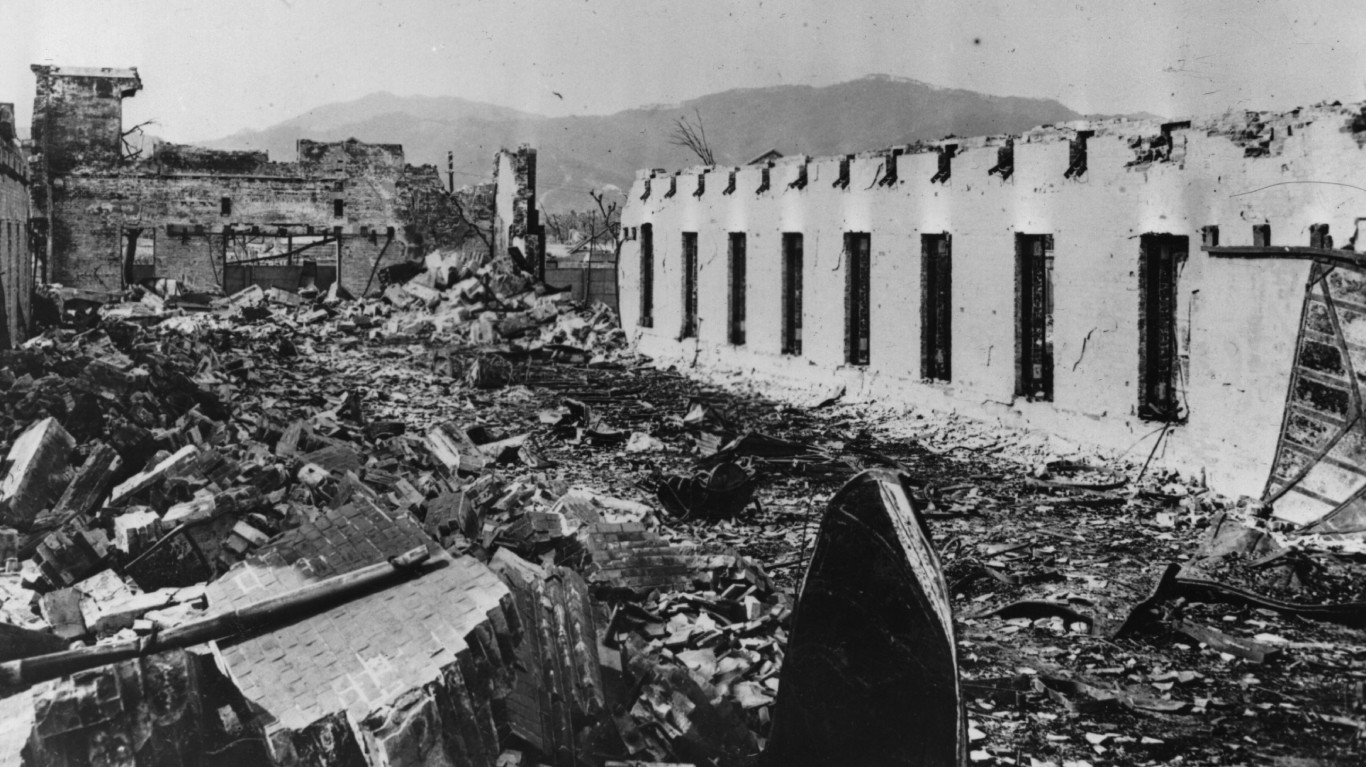
The site of the first atomic bomb attack in history, Hiroshima was virtually wiped off the map when the American Boeing B-29 Superfortress, the Enola Gay dropped the bomb nicknamed “Little Boy” on August 6, 1945. It claimed the lives of 66,000 people. The use of atomic weapons began a debate that continues to this day.







 Top Gaining Stocks
 Top Losing Stocks