Moto X Trapped Between Apple iPhone and Samsung Galaxy

Photo of Douglas A. McIntyre
By Douglas A. McIntyre Published
This post may contain links from our sponsors and affiliates, and Flywheel Publishing may receive compensation for actions taken through them.

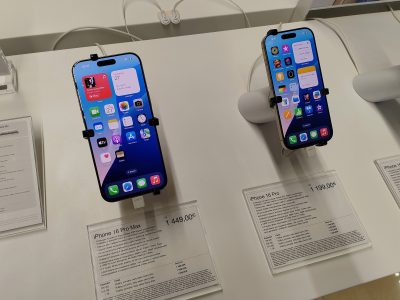
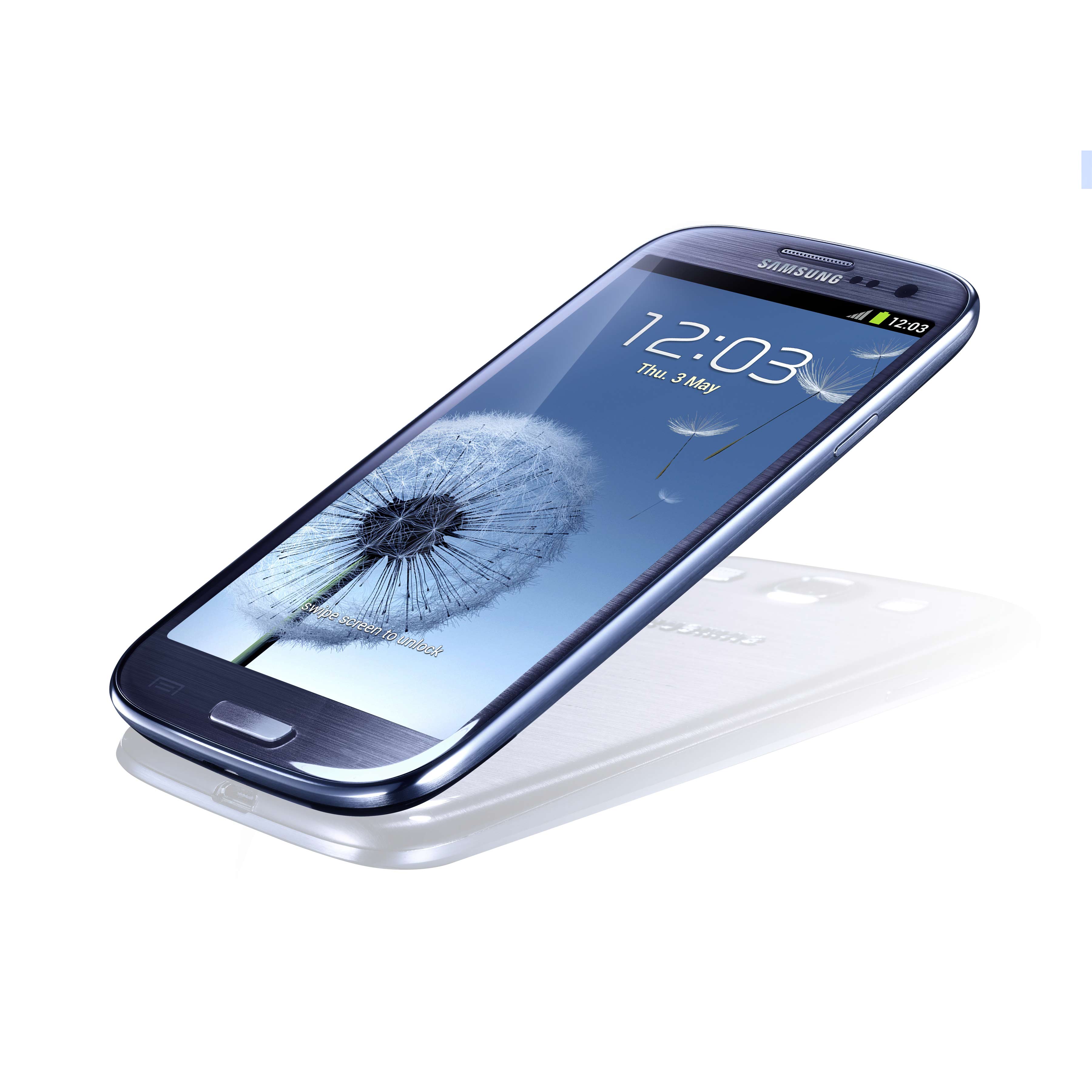
The new Motorola Moto X, made by the division of Google Inc. (NASDAQ: GOOG), may be the best smartphone ever made — the best in the universe. But in the great sea of smartphones, it is caught, in particular between the Apple Inc. (NASDAQ: AAPL) iPhone, which should launch another generation soon, and the Galaxy 4, which Samsung launched just four months ago. There is only so much air in any given room.

The Moto X has all a consumer should want, but the features are not different enough from those of the industry leaders that most people can tell them apart, except for in the critical case of brand name. The Moto X has a 4.7 inch screen, which puts it in the league of it rivals. Its camera is particularly powerful, as is its video capture capacity. Specifically, the Moto X has a “Mobile Computing system,” along with a Snapdragon S4 Pro processor, quad-core Adreno 320 GPU, finishing with a contextual computing processor and a natural language processor. How many people can tell what all of that means?

The Moto X will be priced somewhere between $150 and $250, depending on storage capacity, with a two-year subscription plan with AT&T Inc. (NYSE: T), and probably with some of the carrier’s competition.

The most important feature of the Moto X is that users can ask Google questions through a voice recognition system. Apple’s Siri, which is supposed to do the same thing, has been criticized as faulty and subject to mistakes. Maybe the Moto X system will be better. But how many people actually ask their phones questions?

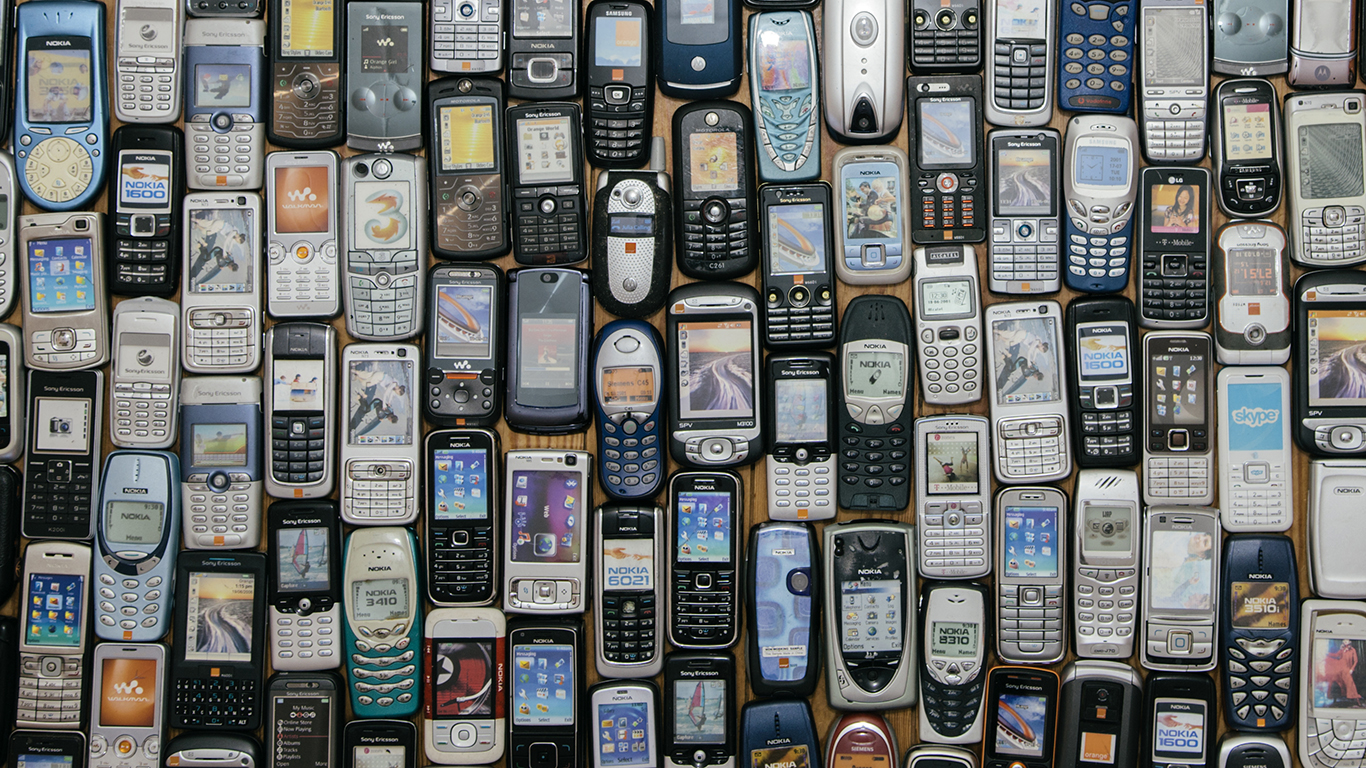
Motorola was the second largest handset company behind Nokia Corp. (NYSE: NOK) at one time. Its RAZR phone was released in 2004 and sold tens of millions of units. There have to be dozens of business school case studies about how Motorola failed to build and market a successor. Suffice it to say that Motorola began to die in 2008 and never regained its health. It is an ongoing mystery why Google, with its cash-laden balance sheet, bought such a terribly broken company.

The fact of the matter is that even leaders Apple and Samsung have pushed the limits of what most people need in a smartphone. Is that 20, 30 or 40 features? Much of the population uses smartphones to make calls and text, to use maps and search. Some people also use the camera. Beyond that, what the devices can do is far less useful for most consumers.

A typical AT&T store only has so much shelf space. Most of that space is taken up by Apple and Samsung products, some of them phones and others tablets. And 4G has become a bigger selling point than devices, so hardware is not as much a star as speed.

The Moto X is already lost among other smartphones, smartphone features and the need of carriers to market their networks. It is a trap from which the new product cannot escape.

Photo of Douglas A. McIntyre
About the Author Douglas A. McIntyre →

Douglas A. McIntyre is the co-founder, chief executive officer and editor in chief of 24/7 Wall St. and 24/7 Tempo. He has held these jobs since 2006.

McIntyre has written thousands of articles for 24/7 Wall St. He is an expert on corporate finance, the automotive industry, media companies and international finance. He has edited articles on national demographics, sports, personal income and travel.

His work has been quoted or mentioned in The New York Times, The Wall Street Journal, Los Angeles Times, The Washington Post, NBC News, Time, The New Yorker, HuffPost USA Today, Business Insider, Yahoo, AOL, MarketWatch, The Atlantic, Bloomberg, New York Post, Chicago Tribune, Forbes, The Guardian and many other major publications. McIntyre has been a guest on CNBC, the BBC and television and radio stations across the country.

A magna cum laude graduate of Harvard College, McIntyre also was president of The Harvard Advocate. Founded in 1866, the Advocate is the oldest college publication in the United States.

TheStreet.com, Comps.com and Edgar Online are some of the public companies for which McIntyre served on the board of directors. He was a Vicinity Corporation board member when the company was sold to Microsoft in 2002. He served on the audit committees of some of these companies.

McIntyre has been the CEO of FutureSource, a provider of trading terminals and news to commodities and futures traders. He was president of Switchboard, the online phone directory company. He served as chairman and CEO of On2 Technologies, the video compression company that provided video compression software for Adobe’s Flash. Google bought On2 in 2009.

Featured Reads

Our top personal finance-related articles today. Your wallet will thank you later.

Continue Reading

Top Gaining Stocks

CBOE Vol: 1,568,143
PSKY Vol: 12,285,993
STX Vol: 7,378,346
ORCL Vol: 26,317,675
DDOG Vol: 6,247,779

Top Losing Stocks

LKQ
LKQ Vol: 4,367,433
CLX Vol: 13,260,523
SYK Vol: 4,519,455
MHK Vol: 1,859,865
AMGN Vol: 3,818,618