


AT&T’s (NYSE: T | T Price Prediction) long-time CEO Randall Stephenson is out, and out early. He is only 60, but a bungled move into the media industry and a load of debt drove shareholders to press for new management. They got it in the form of COO John Stankey, who is part of the old regime and will be the new CEO.
Earnings
AT&T recently released earnings for the first quarter of the year. Results were lackluster but acceptable, based on Wall Street’s expectations. The problem was guidance. Like every large company in America, COVID-19 has made forecasts useless.
AT&T posted diluted earnings per share of $0.63 compared to $0.56 in the year-ago quarter. Revenues for the first quarter totaled $42.8 billion versus $44.8 billion in the year-ago quarter. Operating income was $7.5 billion versus $7.2 billion in the year-ago quarter.
In his last comment about earnings before his retirement, Stephenson said, “We have a strong cash position, a strong balance sheet, and our core businesses are solid and continue to generate good free cash flow — even in today’s environment. In light of the pandemic’s economic impact, we’ve already adjusted our capital allocation plans and suspended all share retirements.”
[nativounit]
The most important comment he made about the company’s finances was that dividend payouts would remain. This is among the reasons investors hold the stock. Stephenson could not explain away AT&T’s $147 billion in long-term debt. It is his legacy as an empire builder who tried to diversify away from telecommunications with little success.
Living With Time Warner’s $85.4 Billion Price Tag
AT&T bought entertainment giant Time Warner for $85.4 billion. This was after a battle with the federal government over antitrust fears. If AT&T owned both the way by which people get media — cable TV and wireless — along with media assets, it could push up prices to consumers. The government lost its bid to keep the companies apart.
As the deal closed, AT&T found itself the owner of HBO and the Warner Bros. movie and TV operations. Among the most visible channels, the telecom now owns CNN, TNT and TBS. These were assets Ted Turner put together over three decades ago and sold to Time Warner.
The Better Part of the Assets
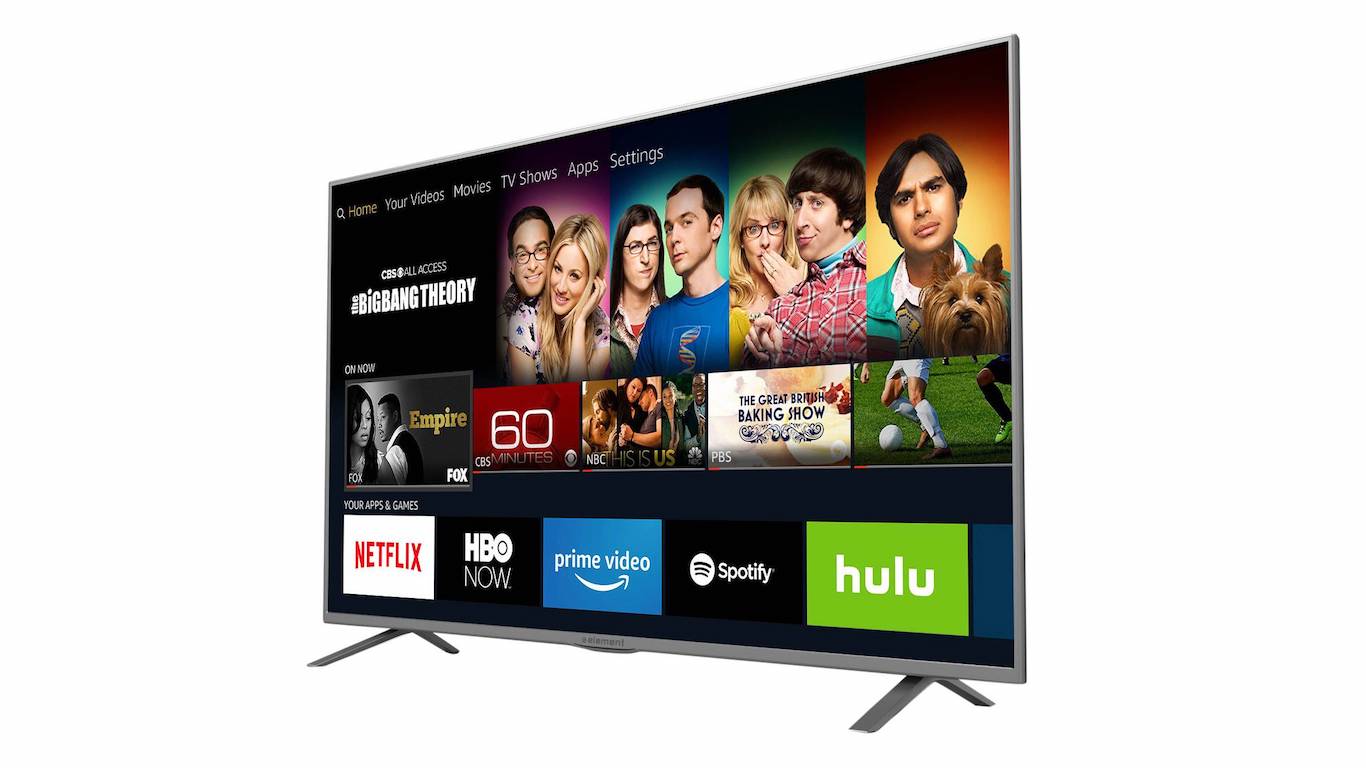
The problem with many of the video content assets AT&T bought is that the consumer is moving away from cable TV and not going to the movies in a traditional theater. However, streaming services, particularly as a new form of pay TV, has built entire businesses. This is particularly true with Netflix, Inc (NASDAQ: NFLX), Amazon.com’s (NASDAQ: AMZN) Prime services, and the Walt Disney Company’s (NYSE: DIS) Disney+.
The long list of competitors shows that AT&T does not have an easy road to a dominant place in the new streaming industry.
Wall Street views streaming media as the next generation of American media consumption. People do not have to be tied to TV sets or expensive home entertainment systems. They can watch video on devices from smartphones to tablets to laptop computer screens.
Will Faster Wireless Help?
There is a horse race for wireless service in the U.S. AT&T has 166 million subscribers. Verizon (NYSE: VZ) has 154 million. The newly combined Sprint and T-Mobile has just over 100 million.
The companies have a problem. The U.S. population is about 325 million. The number of people with wireless subscriptions has maxed out. It may be that the number of people who will buy streaming TV services has not.
[recirclink id=705749]
What moves the wireless industry forward? The new ultrafast 5G service. The new wireless standard will deliver data 20 to 50 times faster than current 4G networks.
This will make video easier to watch, which is an advantage for AT&T. Among the challenges for the company however, is that Netflix, Amazon and others will use the same airwaves. Faster service means, in theory, more consumer demand for video.
AT&T management also hopes that people will pay more for 5G service than 4G. It stands to reason that a better product will command a higher price. That theory could be undermined. There will be competition among the three large telecom companies for the same group of customers.
Plan to Compete With Netflix and Amazon
Because HBO has been the king of pay TV for decades, it has a massive library of video assets. It adds to those every year. AT&T’s plan is to build this vault of content, and use the HBO brand to launch its own premium paid video service — HBO Max.
HBO Max will launch on May 27. Management said it will have over 10,000 hours of programming at launch. Other than HBO programs, it will have TBS, TNT, Turner Classic Movies and Warner Bros. films.
HBO Max will also have some programs from Universal Studios and 20th Century Fox. The monthly teaser subscription price will be $11.99 for new subscribers ahead of the launch date ($14.99 thereafter), which makes it competitive with the other large streaming services.
AT&T is already in the streaming business with a product called AT&T TV. It is meant to help offset attrition to the AT&T satellite TV business.
When investors look at AT&T, they look at the huge success of Disney+, which has over 50 million subscribers in less than a year. Can HBO Max perform the same?
Share Price
Wall Street has been largely negative on AT&T’s prospects so far this year. The stock is down 24% against a drop of 11% by the S&P 500. At least AT&T’s dividend gives it a high yield of 7%. This yield, by itself, will keep AT&T in some portfolios. But the stock will still be dogged by a large pile of debt as the economy is hurled into a recession.
[wallst_email_signup]









 Top Gaining Stocks
 Top Losing Stocks