


One of the most brilliant theories in business is that large companies are destroyed by more nimble competitors. Over time, the small companies become the large ones. The genius and capacity for quick decisions move them to the top of the hill.
The theory works until its doesn’t. What is not taken into account is that the economy itself might eat its own young.
According to the FT, Toyota (TM) will cut its production estimates for the US. The Wall Street Journal writes that GM’s (GM) domestic market share may fall below 20% for the first time since the company was formed by Alfred P. Sloan.
It could be argued that GM sowed the seeds of its own troubles when it moved heavily into the SUV and pick-up markets. The company never planned for really bad years again once it made it out of the cruel 1970s with its skin intact. UAW contracts and pension funds were not set up for lean years.
But, the real problems facing Toyota, GM, and others is the macro trouble of oil prices. The industry is being laid waste not so much by competition as by the broader failure of government and business to find a solution to the huge demand for crude.
The same holds true for the airline industry. Not matter how perverse it sounds carriers are now glad that Boeing (BA) and Airbus are late with their big new planes. It allows companies carriers to keep passenger capacity low and, perhaps, to raise ticket prices. The situation bites back at innovation. Better aircraft are worse of the industry.
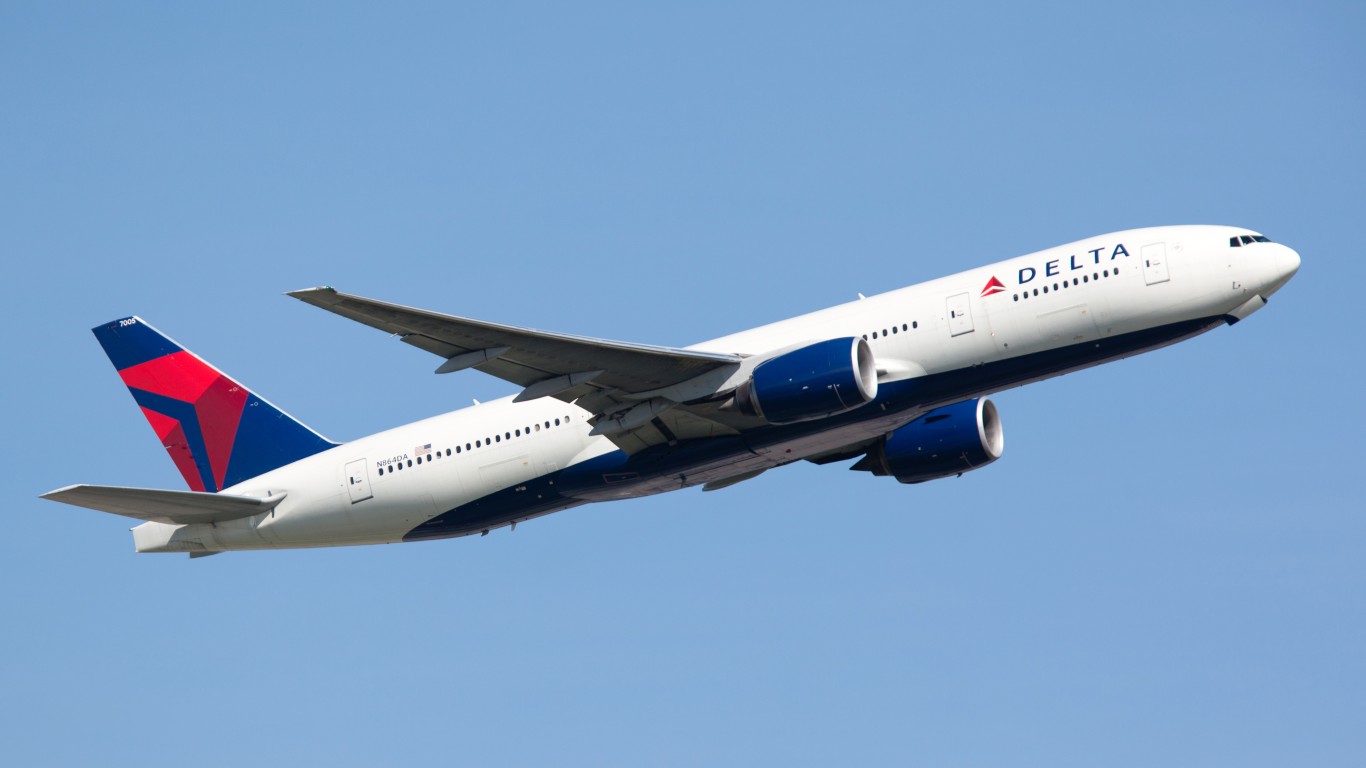
Competition is secondary to the damage done to the airline industry. Oil is primary. Did the carriers prepare for higher fuel costs? Perhaps not to the extent that they might have, but foreseeing a doubling of their key commodity in a year is not part of most short-range planning. The industry leaders like AMR (AMR), Delta (DAL), Continental (CAL), and Northwest (NWA) could lose close to $10 billion this year.
The issue of creative destruction and innovation is put onto it head when industries cannot support new player no matter how ingenious they are. The trend actually work against advancing competition and protects the old guard, not matter how battered it is by circumstances.
It is unfortunate that the historic way for solving sea changes in industries, those that are not are forced by clever new players but by the broader economy, is through bankruptcy. That, at least, allows a reordering of priorities on the most brutal level. It hits the reset button which may let competition begin again in earnest. This is a state of affair which may not have exited since the Depression
Not much of a system.
Douglas A. McIntyre







 Top Gaining Stocks
 Top Losing Stocks