


To put the problem in specific context as the weather and climate experts see it:
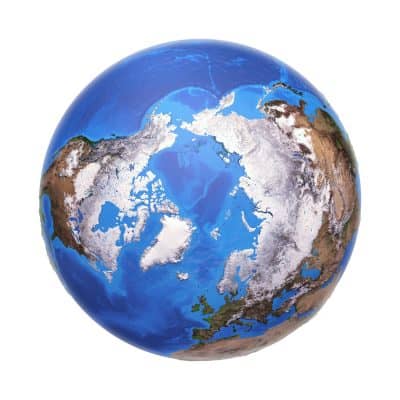
The Arctic continues to warm; sea ice extent reaches record low: The Arctic continued to warm at about twice the rate compared with lower latitudes. Minimum Arctic sea ice extent in September and Northern Hemisphere snow cover extent in June each reached new record lows.
Among other things, some species that live above the Arctic Circle might become extinct. However, it is unlikely that polar bears and seals are critical parts of the worldwide population of animals, which makes the argument in favor of their defense more an emotional one than a practical consideration.
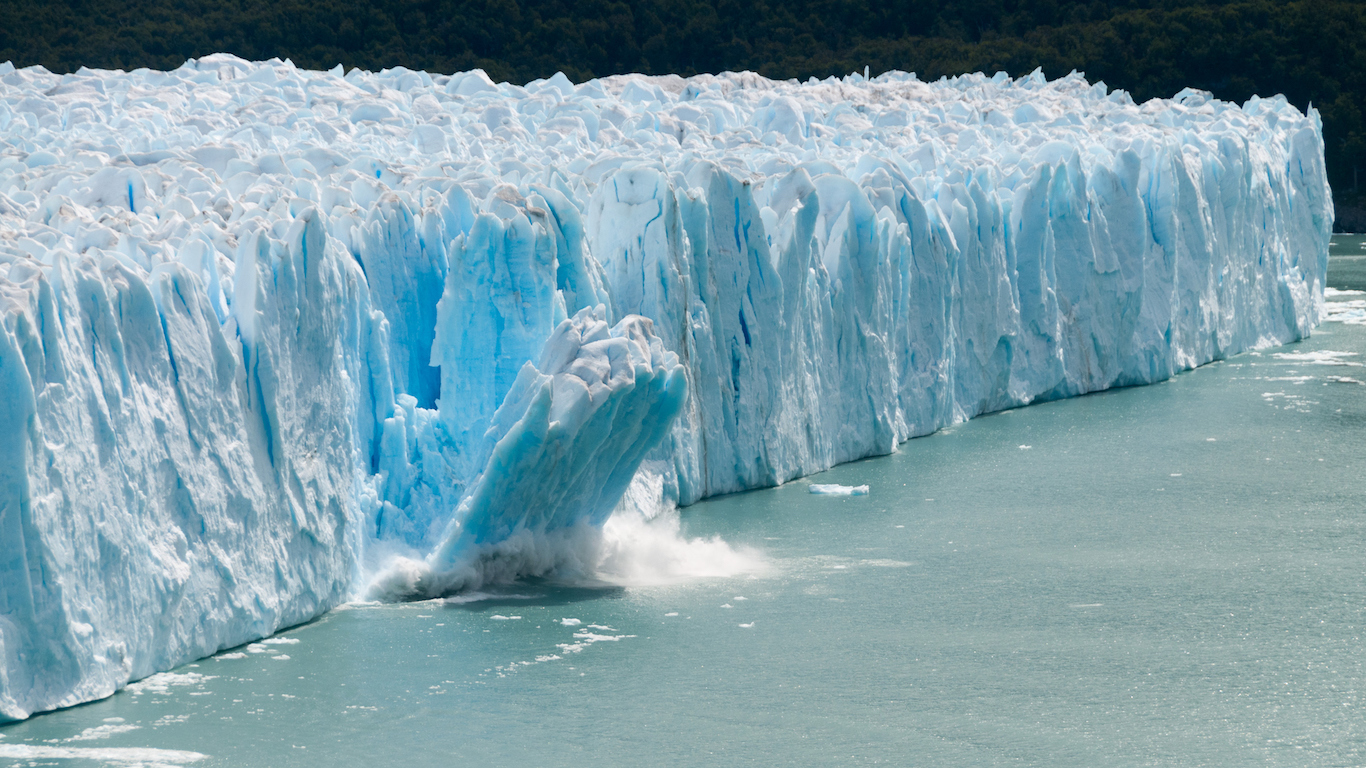
The ice across the regions eventually may be gone almost completely, which would make the areas more like any other ocean — navigable and accessible. Among the two advantages from this most cited by businesses and economists are that ships can sail across the top of the world instead of going around it, and that drilling for oil will be less of a challenge.
One bit of research from UCLA reports ships will be able to sail through most of the Arctic region by 2050. However, the benefits of the Arctic melt for shipping may be realized much sooner than that. News of Iceland says:
Never before have so many ships sailed over the Arctic Ocean, North along the coast of Russia between the Atlantic Ocean and the Pacific Ocean. This year around 200 ships are expected to sail this route, over four times as many as last year. And fifty times more than two years ago.
Ships moving across this route can save 10 to 15 days of travel, compared to the routes available less than a decade ago, the paper adds.
Although the global supply of oil will be increased tremendously by access to shale, big oil companies believe there are never enough places to drill, as long as the effort is cost effective. And the area above the Arctic Circle has about 90 billion barrels of recoverable crude. Some oil companies have started to exploit this availability of the deposits, and in one case the effort is likely to be helped by a national government. The largest political party in Norway has said it would back some form of drilling. According to the Chicago Tribune:
Its sprawling offshore energy sector continuously needs new areas to explore to halt the decline in production and energy firms have argued that they should be allowed to investigate the Lofoten islands.
Norway’s oil production will fall to a 25-year low this year as North Sea fields mature. Even a series of recent big finds, like the giant Johan Sverdrup field, which could hold over 3 billion barrels of oil, will only arrest the decline.
For the sake of profit, many businesses will do whatever they can to take and hold an advantage. In the Arctic, the change of climate is doing most of the work for them.








 Top Gaining Stocks
 Top Losing Stocks