


 U.S. airlines collected $38 billion in fees last year, for everything from luggage handling to changing scheduled flight times. And there is not always a relationship between what the airlines collect for the service and what the cost of the services are to the airlines. This is the case, if people believe research from a report described by Senator Bill Nelson. Likely, carriers would disagree. The airlines say that the services they charge for are ones on which they lost money for years.
Nelson laid out his logic, which was covered by the AP:
The fact that they are charging for checked baggage but also for carry-on baggage, and the charge on the bag is not proportionate to the charge of the ticket.
Also:
Anti-trust. Coordinating with each other. You are not allowed to do that with the anti-trust laws. So as I ask the secretary of transportation, that’s one of the things I want him to look at.
Perhaps the largest carriers in the United States met secretly to brew up their plans.
ALSO READ: The Customer Service Hall of Shame
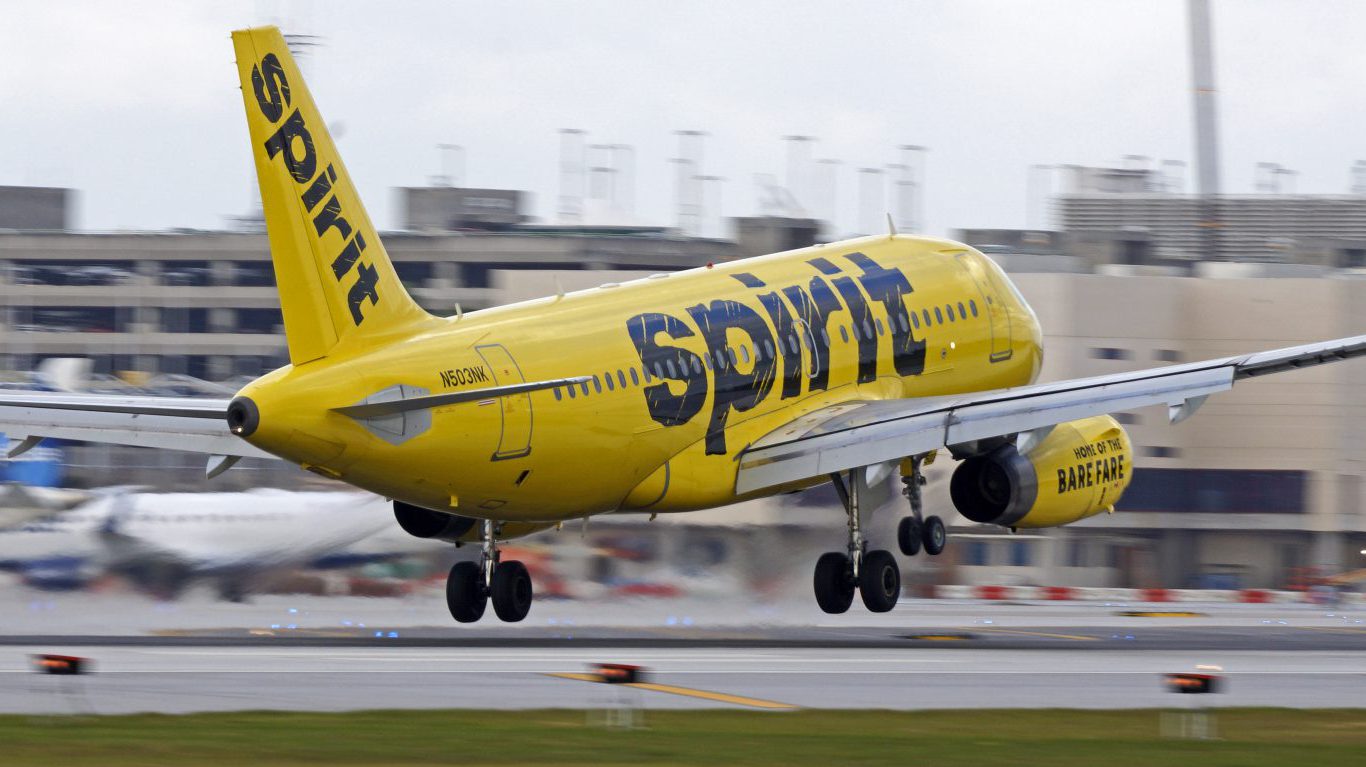
The majority of the analysis was based on a look at five carriers, according to Nelson: American Airlines Group Inc. (NASDAQ: AAL), Delta Air Lines Inc. (NYSE: DAL), United Continental Holdings Inc. (NYSE: UAL), Hawaiian Holdings Inc. (NASDAQ: HA) and Spirit Airlines Inc. (NASDAQ: SAVE). The mix of the carriers is strange and makes little sense. American, Delta and United are the largest carriers in the United States. Hawaiian Airline is barely large enough to qualify are a carrier. Spirit is the deepest discount carrier in the country, and it operates only in certain regions. The high level of its charges has made it one of the most disliked airlines in America.
The selection of the carriers aside, Nelson’s case is based on a premise that is hard to prove without direct access to very detailed financial information of the carriers. The airline industry has argued for years that its thin profits have been based, in part, on their level of passenger service and lack of compensation for these services. These companies say that, without the fees to offset, for example, the cost of handling luggage instead of the passenger doing so, an unacceptable financial burden is put on them.
Airlines recently have done better financially. In an industry plagued by years of bankruptcies, the last one was American’s Chapter 11 filing in November 2011. Although the drop in oil prices has helped carrier financials in part over the past year, fees collected from passengers have as well, carriers would argue.
Nelson may be right, but he has not proven his case. There is still some reasonable doubt.






 Top Gaining Stocks
 Top Losing Stocks