



On June 27, the Monday following the previous Thursday’s U.K. vote to leave the European Union, U.S. airline stocks had their worst day of the past 12 months. All three legacy carriers posted new 52-week lows as investors tried to figure out what Brexit meant for the airlines.
As of Thursday night’s close, all three stocks had bounced back with share prices rising by around 6.3% for Delta Air Lines Co. (NYSE: DAL), by 6.1% for United Continental Holdings Inc. (NYSE: UAL) and by a whopping 20% at American Airlines Group Inc. (NASDAQ: AAL).
Following the horrific Bastille Day attack that killed scores of people on Thursday, airline stocks opened lower and sank lower before bouncing back somewhat. Delta dipped to down 3% and United slipped by nearly 2%.
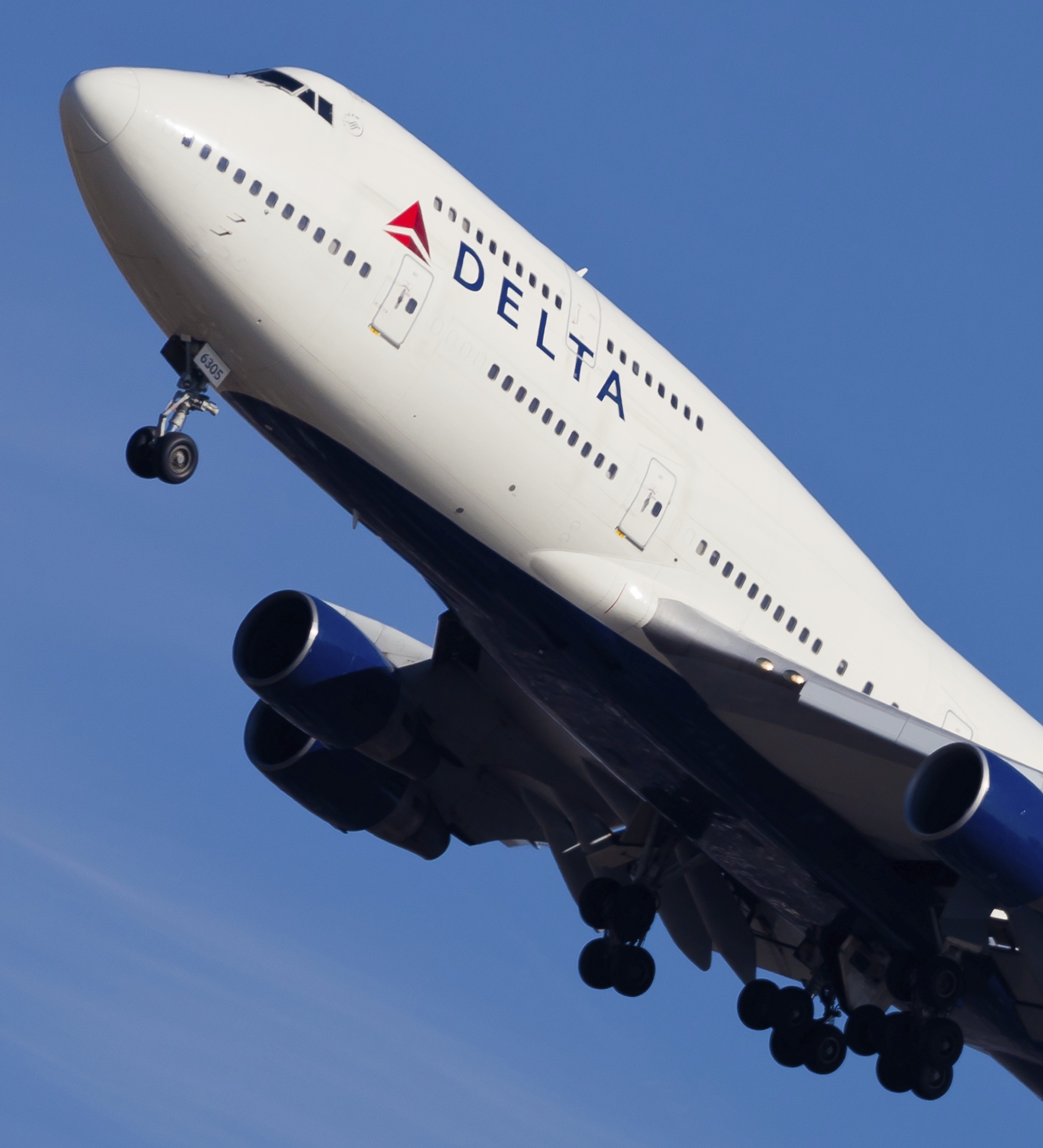
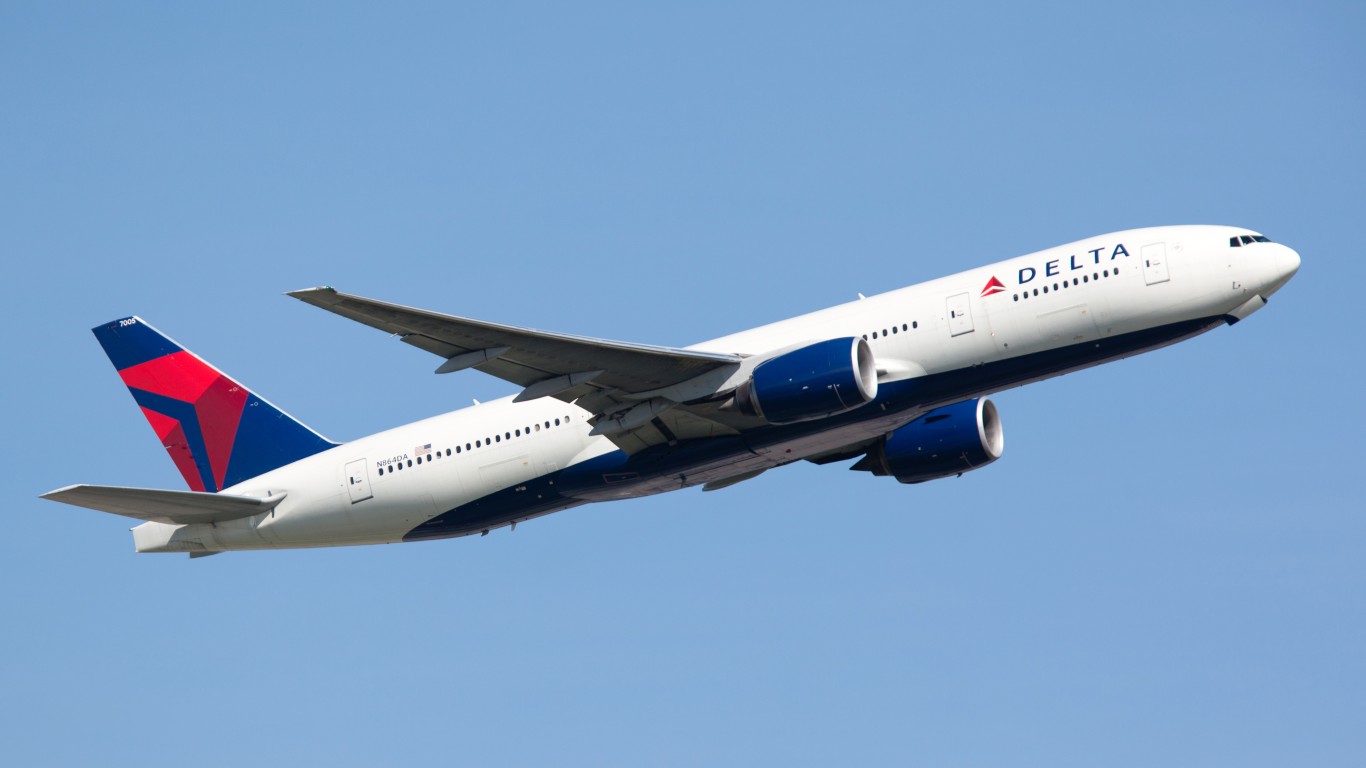
Delta, the only one of the legacy carriers to have reported second-quarter earnings so far, said it was cutting its capacity to the United Kingdom by 6%, cutting in half its previous projection for capacity growth of 2% in 2016. That cut was announced less than two weeks following the Brexit vote.
[nativounit]
Another issue for Delta in the second-quarter was fuel costs that were more than $0.50 a gallon higher than expected. The company also settled its 2016 fuel hedges early, wiping out about $450 million.
A larger issue for most airlines is that planned increases in seating capacity have not been matched by traffic. Delta’s capacity is up 3% year to date, but traffic is up just 0.1%. At Alaska Air Group Inc. (NYSE: ALK) capacity was up 11.7% year over year in June but traffic was up just 10.9%. At American, capacity was up 2.8% and traffic was up 2.2%.
United, JetBlue Airways Corp. (NASDAQ: JBLU) and Southwest Airlines Co. (NYSE: LUV) all posted larger traffic increases than seating capacity increases.
Lower load factors and rising fuel costs are a bigger threat to longer term airline profitability than militant attacks either on passenger planes themselves or earth-bound targets. In the very short term, though, investors simply don’t want to take a chance that an attack’s effects will produce a more than temporary effect on share prices, so they head for the exits.
Shares of Delta closed at $39.98 on Friday, down 2.4% for the day, in a 52-week range of $32.60 to $52.77.
United Continental stock closed down 0.9%, at $47.43 in a 52-week range of $37.41 to $62.21.
American Airlines closed at $35.89, essentially flat for the day, in a 52-week range of $24.85 to $47.09.
Alaska Air shares closed up 0.3%, at $65.04 in a 52-week range of $54.51 to $87.17; JetBlue closed up 0.4%, at $18.64 in a 52-week range of $14.76 to $27.36; and Southwest stock closed at $43.16, also essentially flat on the day, in a 52-week range of $32.94 to $51.34.
[wallst_email_signup]






 Top Gaining Stocks
 Top Losing Stocks