


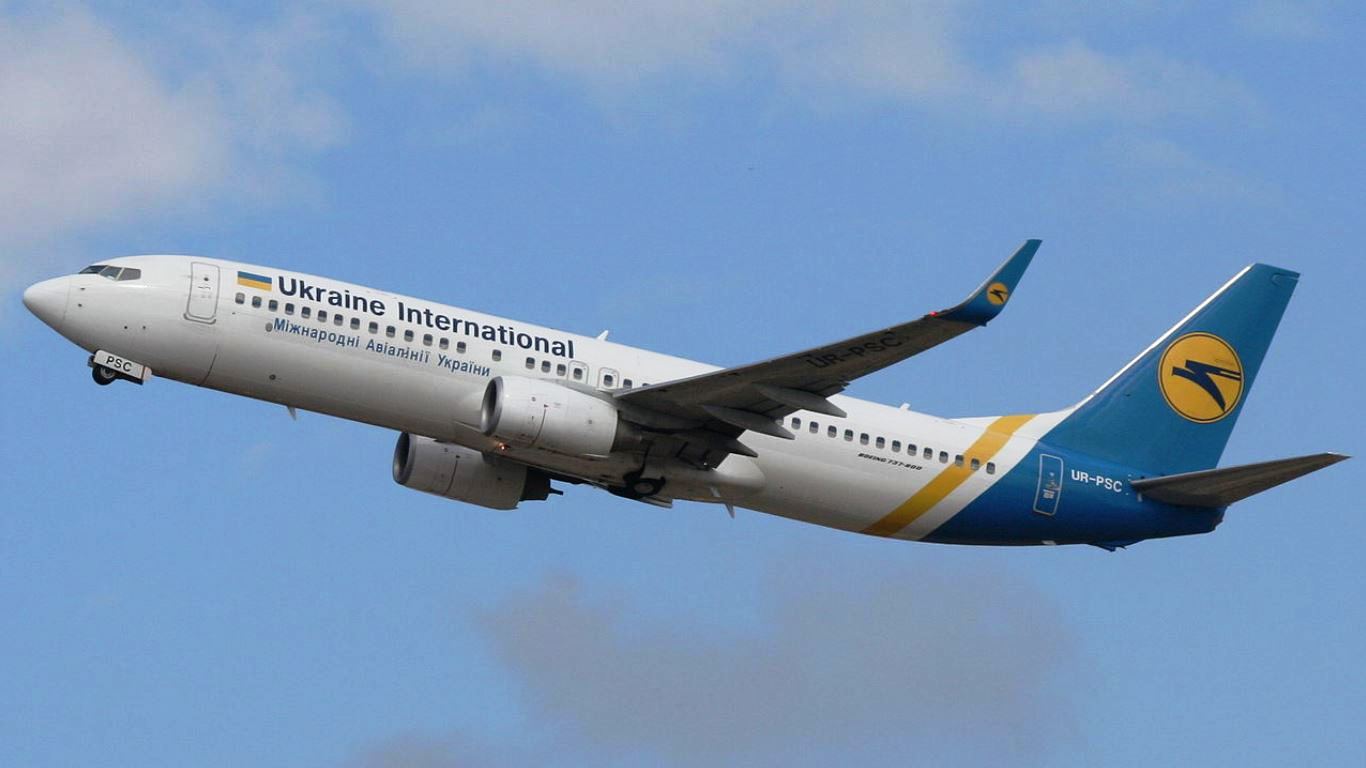
A Boeing Co. (NYSE: BA | BA Price Prediction) 737-800 crashed shortly after takeoff Wednesday morning as it was leaving Tehran. The Ukraine International Airlines jet was destined for Kyiv, and all 176 passengers and crew aboard the plane were killed.
The 737-800 is a member of the so-called Next Generation (NG) of 737 passenger jets that preceded the 737 Max version of the plane that has been grounded since March of 2019.
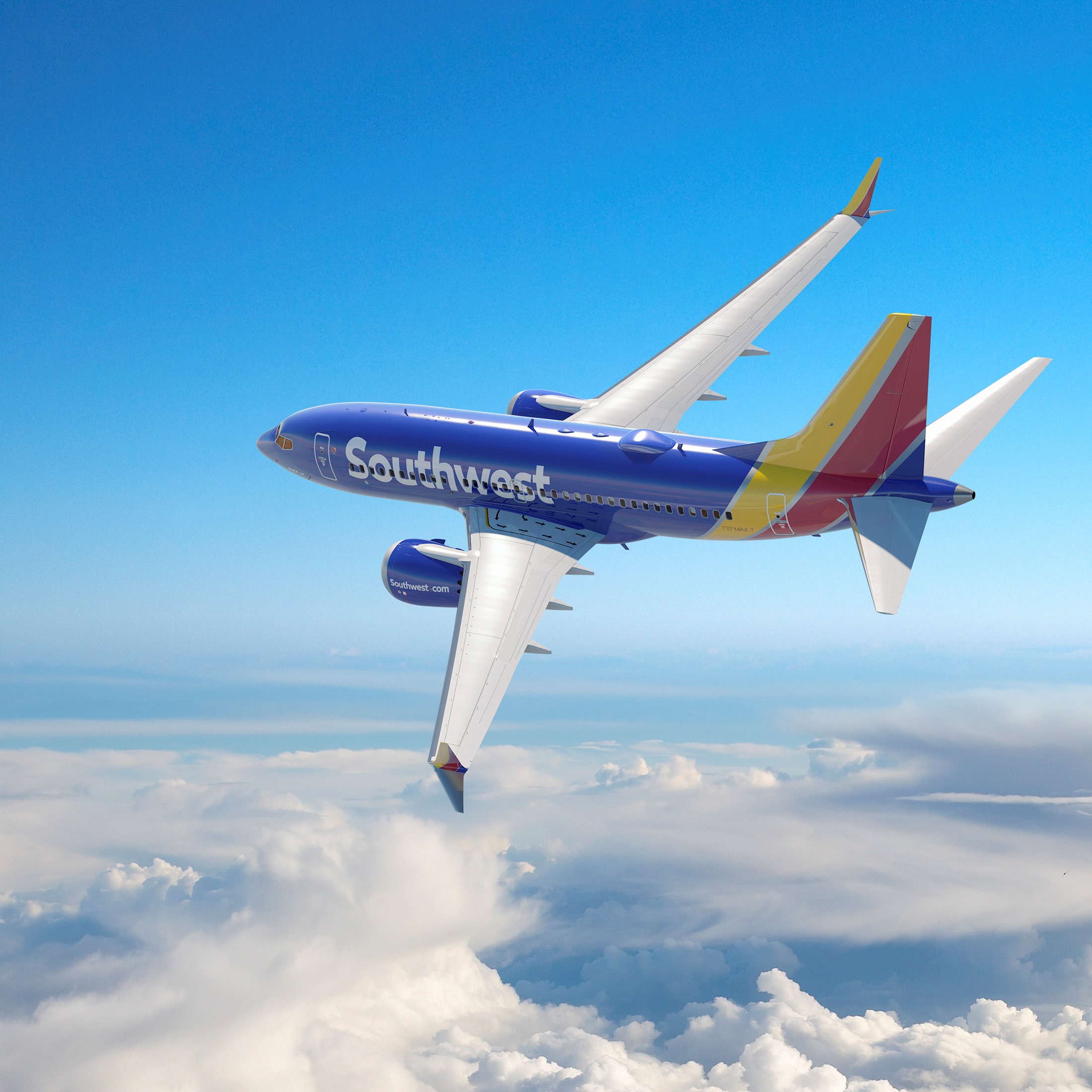
A Southwest Airlines 737-700 crashed after takeoff in April 2018 killing one passenger. The cause of the crash was determined to be a damaged turbine fan blade that broke off. Following a preliminary investigation, the Federal Aviation Administration (FAA) also suggested that there were signs of metal fatigue at the point of breakage.
The agency issued an emergency airworthiness directive requiring ultrasound inspections within 20 days on certain CFM56-7B engines. The engine is manufactured by CFM International, a joint venture between General Electric and Safran Aircraft Engines.
An early report following the Tehran crash indicated that one of the plane’s engines was on fire as it plunged to the ground from an altitude of around 7,800 feet. According to a report in the Financial Times, a spokesman for the airport said the crash was due to “technical failure following a fire.” The Ukrainian embassy in Tehran retracted and deleted a statement it had released earlier citing engine failure. The airplane’s flight recorders have been recovered.
[nativounit]
Boeing’s 737 NG jets came under more scrutiny in 2019 after cracks were discovered in some of the planes’ pickle forks, a fuselage part to which the planes’ wings are attached. Only a “small number” of planes were included in an FAA directive ordering inspections, according to Boeing. The company had discovered the cracks and reported the issue to the FAA while it was converting some 737 NG planes from passenger jets to freighters.
In October, the company said it had inspected 810 of the roughly 6,800 737 NGs in service and found 38 that required pickle fork repairs.
The impact on Boeing’s stock price in Wednesday’s premarket reflects a moderate level of concern among investors. Shares were down about 2% and trading at $331.02, in a 52-week range of $319.55 to $446.01. The 12-month consensus price target on Boeing stock is $360.05.
[recirclink id=606035]
[wallst_email_signup]





 Top Gaining Stocks
 Top Losing Stocks