


A year and a half earlier, General Motors Co. (NYSE: GM) was forced to recall its all-electric Chevy Volt after three of the vehicles caught fire days after being involved in an accident. In testing by federal regulators, the car’s lithium-ion battery caught fire up to three weeks following a crash test, which the car successfully passed.
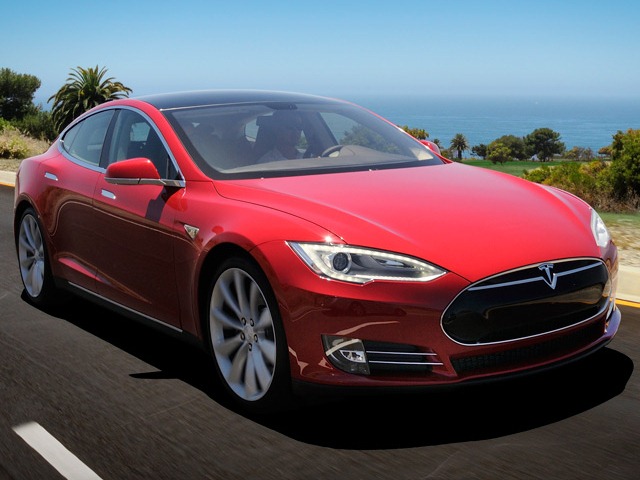
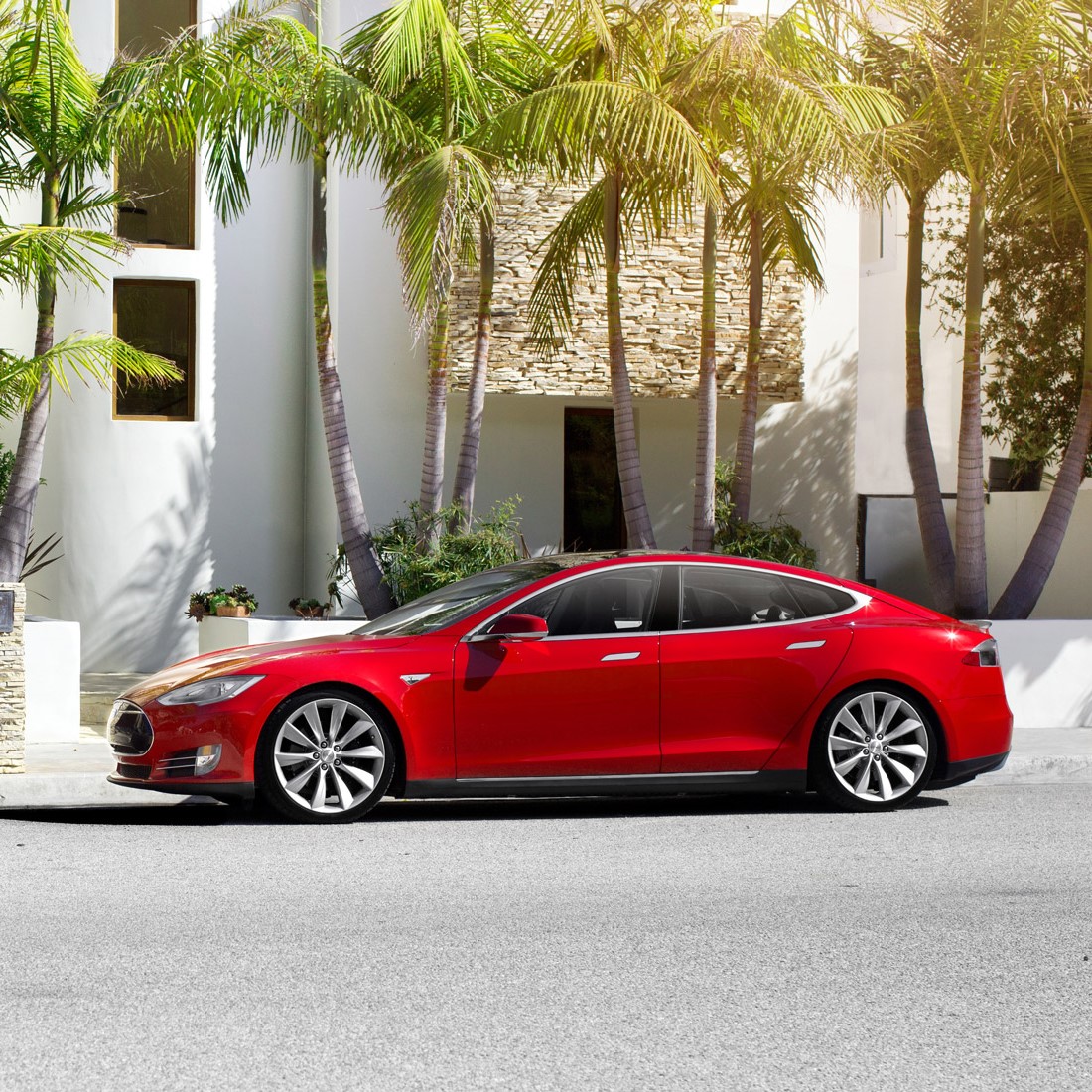
Tesla Motors Inc. (NASDAQ: TSLA) has watched its stock price take a serious hit due to three fires in its Model S sedan after the cars had struck a piece of road debris. No one was injured in the accidents and the company’s CEO said on Monday that he asked the federal highway safety agency to investigate the fires, hoping to circumvent what he called a “false perception about the safety of electric cars.” He got his wish on Tuesday, when the National Highway Traffic Safety Administration (NHTSA) said it would conduct just such an investigation.
The incidents involving lithium and lithium-ion batteries have also tripped up Apple Inc. (NASDAQ: AAPL) which was forced to recall 1.8 million notebook batteries in 2009 after customers complained of overheating. Dell Inc. recalled 4.1 million batteries at about the same time to resolve the same problem.
Lithium is a wonderful material to use in a battery. It is relatively cheap, very lightweight, has a high energy density, and is environmentally very safe. But it’s ability to generate a lot of power also comes with a caveat – the material can spontaneously ignite and may explode if overheated. The overheating, called thermal runaway, can quickly move from one cell to the next inside a battery, creating a fire that burns more fiercely as each cell is ignited.
When Boeing was faced with its lithium battery issue, Tesla CEO Elon Musk told Bloomberg TV:
The 787 batteries have very large cells, the battery cells are very big and they’re quite close together and there’s not enough insulation between the cells. So if one cell goes into thermal runaway and catches on fire, it’s going to cascade into the other cells.
The approach we take at Tesla … is we have smaller battery cells with gaps between them, and we make sure that if there’s a thermal runaway event which creates quite a bit of fire and smoke that it directs that fire away from other cells, so you don’t have this domino effect….
The long term solution for having a battery pack that’s reliable and safe and lasts a long time is to reduce the size of the cells, and have more cells that are smaller and have bigger gaps and better thermal insulation between the cells.
Apparently Tesla’s solution is not fool-proof either, but Boeing apparently did increasing the spacing between battery cells and added more monitoring of individual cell’s temperature and voltage.
The NHTSA has said that it will examine the risks involved with undercarriage strikes on the Tesla cars. Musk, in a blog post, said:
To be clear, this is about reducing the chances of underbody impact damage, not improving safety. The theoretical probability of a fire injury is already vanishingly small and the actual number to date is zero.
He is probably correct in his assessment, but more fires, no matter how vanishingly small the probability, will cast a pall of smoke over his company that all the data in the world can’t blow away.
Tesla’s shares are down nearly 4% again Wednesday, at $121.21 in a 52-week range of $31.52 to $194.50. That high was set on September 30th, just three days before the first fire was reported.





 Top Gaining Stocks
 Top Losing Stocks