


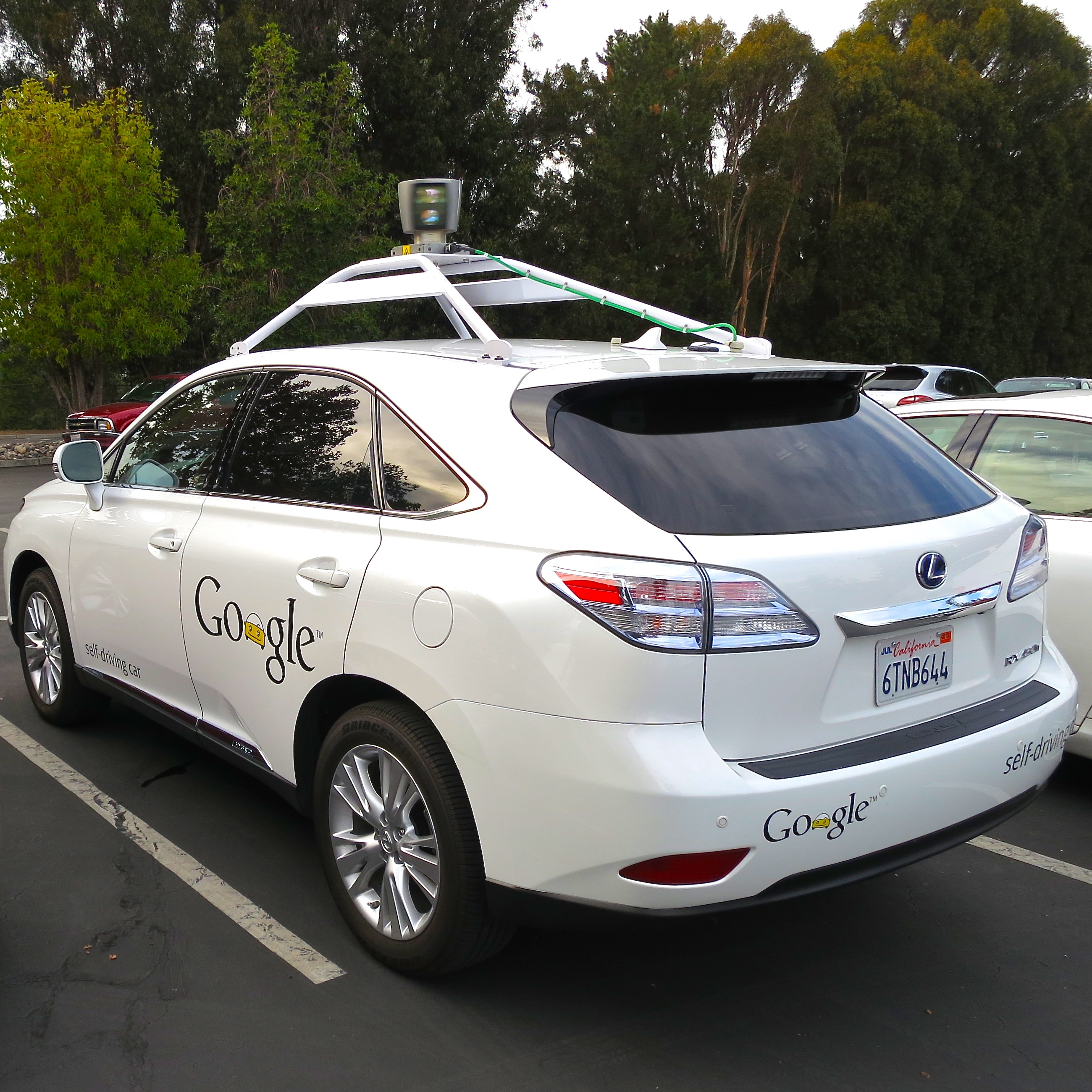
People don’t want self-driving cars. They are, in the view of many drivers, dangerous. As a matter of fact, the majority of drivers would like to continue to drive their cars themselves. This is bad news for Alphabet Inc. (NASDAQ: GOOGL), Tesla Motors Inc. (NASDAQ: TSLA) and many other manufacturers that believe “self-driving” is critical their futures.
Alphabet’s Google is the large company that has made the most progress in driverless technology, and it may have invested the most money. Its Google AV (autonomous vehicle) already has been driven on streets and highways. Tesla has based its future appeal on self-driving cars as much as electric ones.
A new study, “Motorists’ Preferences for Different Levels of Vehicle Automation: 2016” conducted by the University of Michigan Sustainable Worldwide Transportation found the following:
This report builds on our recent series of eight reports addressing public opinion, human
factors, and safety-related issues concerning self-driving vehicles. An identical survey to that used in
2015 was administered. The survey was developed to examine motorists’ preferences among levels of
vehicle automation, including preferences for interacting with and overall concern about riding in self-driving vehicles. The survey yielded completed responses from 618 licensed drivers in the U.S.The main findings are as follows:
- The most frequent preference for vehicle automation continues to be for no self-driving
capability, followed by partially self-driving vehicles, with completely self-driving vehicles
being the least preferred choice.- Concern for riding in self-driving vehicles remains higher for completely self-driving vehicles
than for partially self-driving vehicles.- Respondents still overwhelmingly want to be able to manually control completely self-driving
vehicles when desired.- Preferences were generally divided between touchscreens or voice commands to input route or
destination information for completely self-driving vehicles.- Most respondents prefer to be notified of the need to take control of a partially self-driving
vehicle with a combination of sound, vibration, and visual warnings.- Overall public opinion has been remarkably consistent over the two years that this survey has
been conducted. The general patterns of responses have not changed over the course of these
two surveys, despite the increased media coverage of self-driving vehicles.
[nativounit]
For the time being, Google and Tesla appear to be investing in a future that may not come.







 Top Gaining Stocks
 Top Losing Stocks