Where Does Tesla Go Now?

Photo of Douglas A. McIntyre
By Douglas A. McIntyre Published
This post may contain links from our sponsors and affiliates, and Flywheel Publishing may receive compensation for actions taken through them.

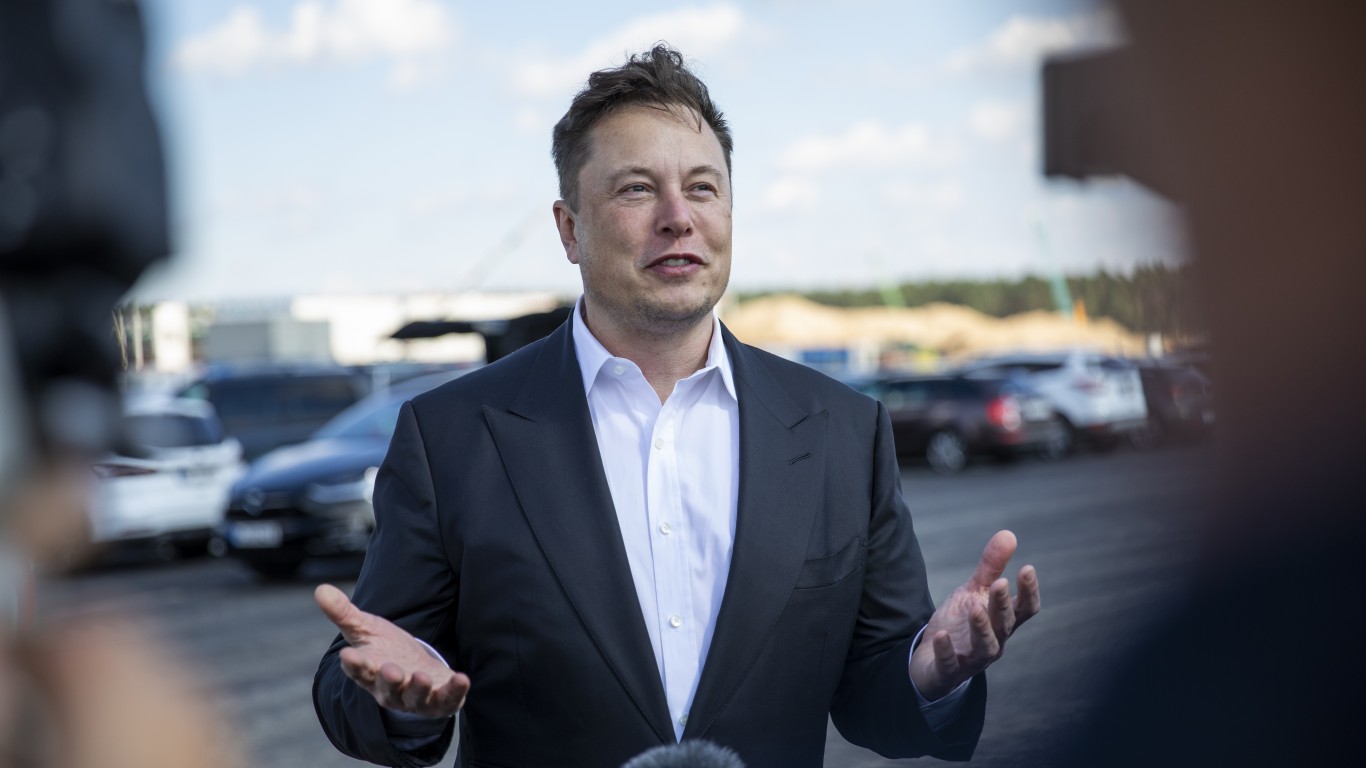
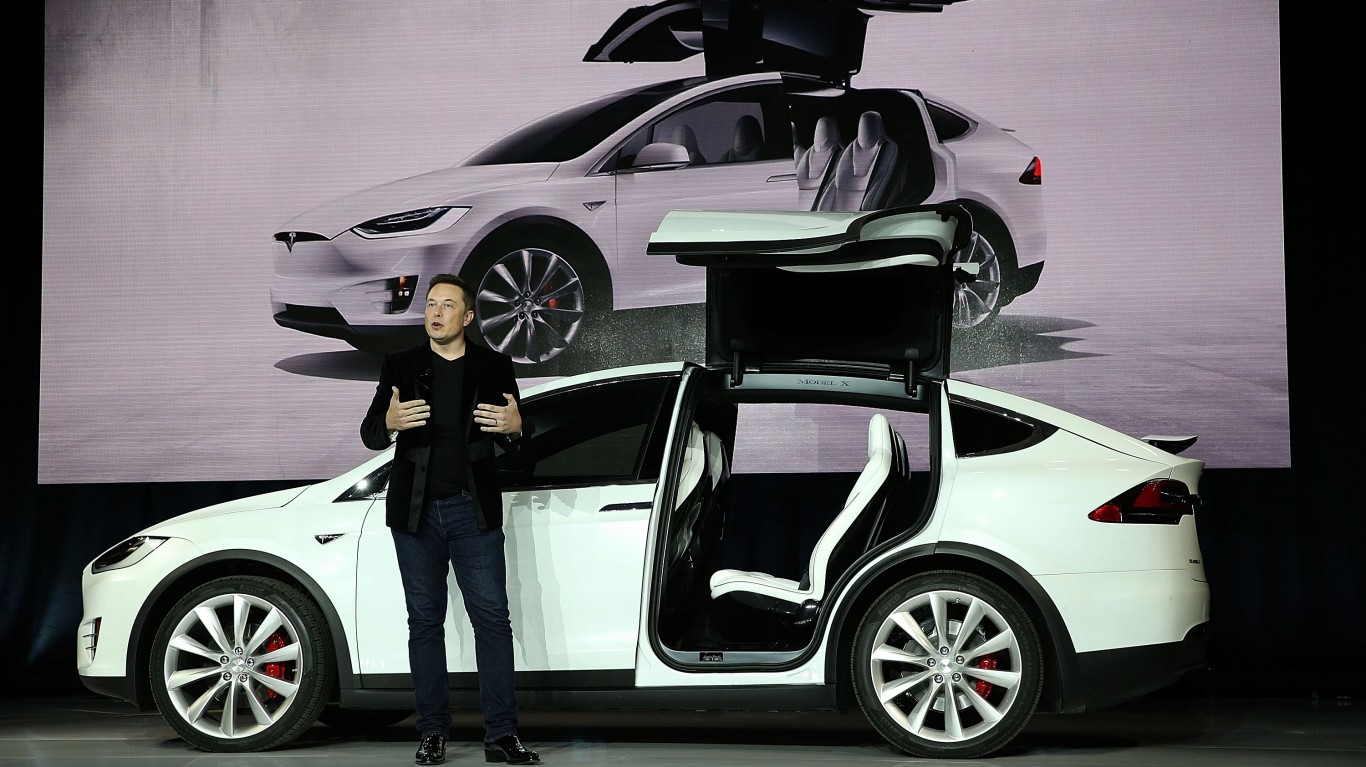
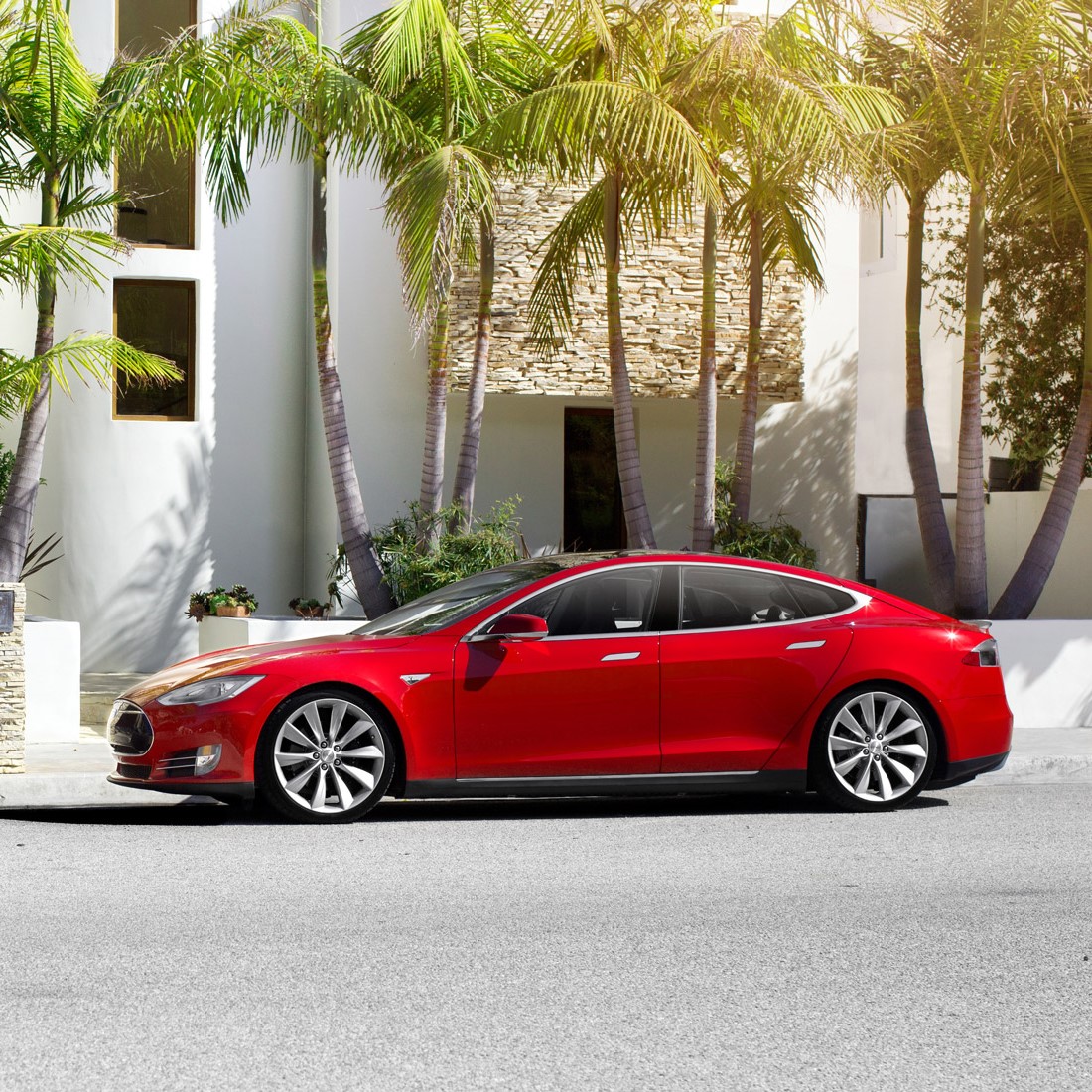
Tesla (NASDAQ: TSLA) shareholders got mostly what they wanted from the company’s third quarter earnings. Perhaps what they heard from founder Elon Musk as he spoke on the earnings call was more important. There is, he said, too much demand for our cars. We don’t have the capacity to build enough of them. Unfortunately, forecasting capacity has been an Achilles Heel of the auto industry since its inception. Musk has to hope that he can get the balance between the number of cars Tesla will sell in the next few years, and the company’s ability to build them

Looking back, earnings for the third quarter show that the promise Tesla said it would deliver has largely been kept, at least in the very short term. Musk is fond of non-GAAP numbers as are most people who find normal accounting procedures make their financials look bad. On a GAAP basis, revenue for the quarter was $431 million, up from $50 million in the same quarter a year ago. That remains at about the level of what a large car company like Ford (NYSE: F) produces each day in sales. But, the markets cannot be convinced Ford’s sales will rise eight or nine fold each year. Tesla lost $38 million which is only a relief in light of the fact that its lost $111 million in the same period a year ago.

Most of the earnings call conversation was about sales outside the U.S. which complicates the manufacturing capacity problem. Making small numbers of cars at small plants around the world gets balanced against making them one or two places and shipping them. The risk with small factories is that a modest drop in demand can make them redundant from a manufacturing standpoint. Large central facilities cost tremendous sums to build–front loading much of the risk.

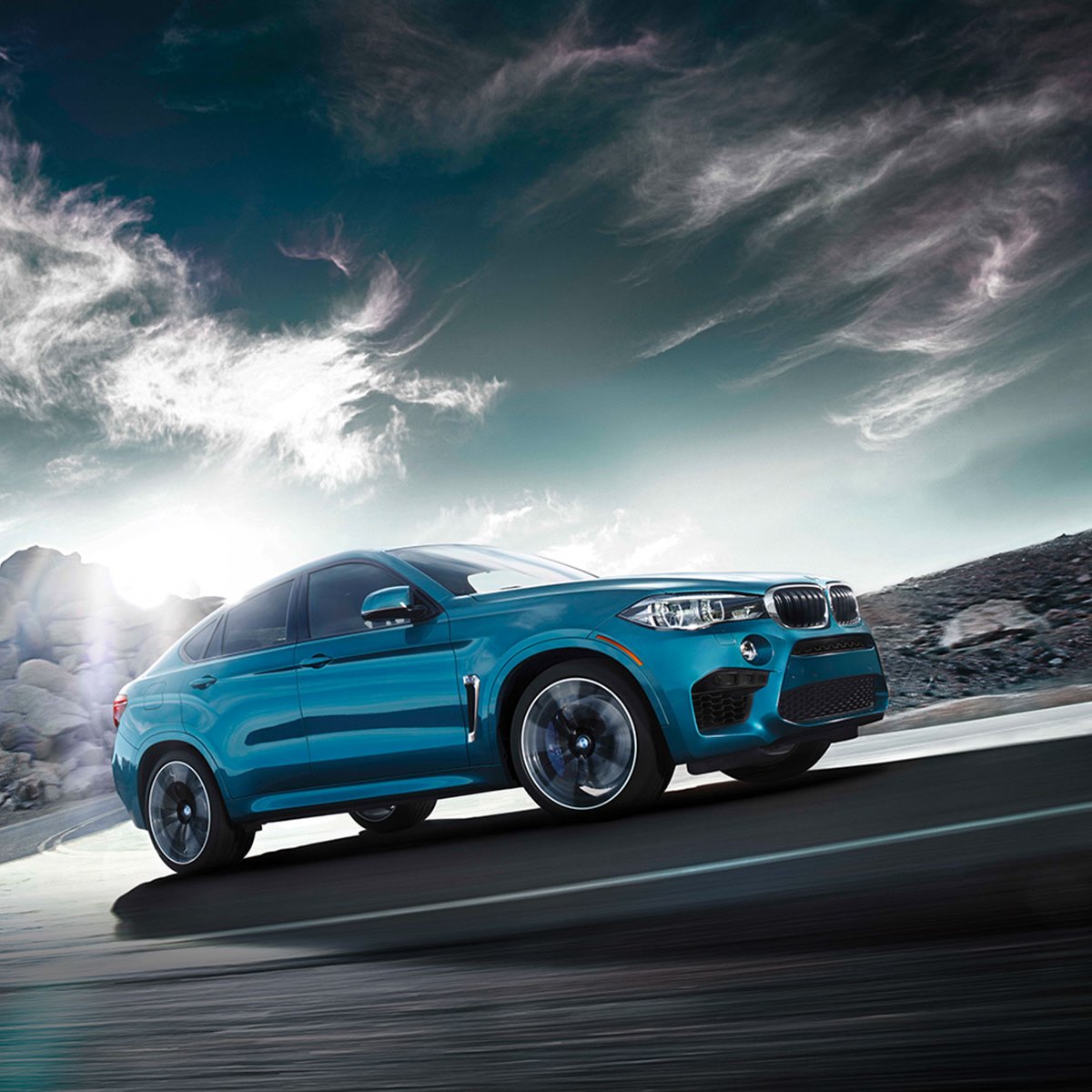
The capacity question also hinges on Musk’s belief that Tesla can become more than a niche car company. He plans a crossover, and less expensive models, which might retail for as little as $30,000. Lower priced cars tend to batter margins. Sometimes it is better to be like Porsche than like Ford. If Musk persists in his plans, he will run directly up against the global luxury monsters–Mercedes, BMW, Lexus, and Audi. Each will launch eventually, or has already said it will launch, direct competition shortly. These companies have decades of brand equity built through remarkable R&D, product planning, and marketing success. Tesla faces higher and higher competitive hurdles as it grows.

Be careful what you wish for…

Photo of Douglas A. McIntyre
About the Author Douglas A. McIntyre →

Douglas A. McIntyre is the co-founder, chief executive officer and editor in chief of 24/7 Wall St. and 24/7 Tempo. He has held these jobs since 2006.

McIntyre has written thousands of articles for 24/7 Wall St. He is an expert on corporate finance, the automotive industry, media companies and international finance. He has edited articles on national demographics, sports, personal income and travel.

His work has been quoted or mentioned in The New York Times, The Wall Street Journal, Los Angeles Times, The Washington Post, NBC News, Time, The New Yorker, HuffPost USA Today, Business Insider, Yahoo, AOL, MarketWatch, The Atlantic, Bloomberg, New York Post, Chicago Tribune, Forbes, The Guardian and many other major publications. McIntyre has been a guest on CNBC, the BBC and television and radio stations across the country.

A magna cum laude graduate of Harvard College, McIntyre also was president of The Harvard Advocate. Founded in 1866, the Advocate is the oldest college publication in the United States.

TheStreet.com, Comps.com and Edgar Online are some of the public companies for which McIntyre served on the board of directors. He was a Vicinity Corporation board member when the company was sold to Microsoft in 2002. He served on the audit committees of some of these companies.

McIntyre has been the CEO of FutureSource, a provider of trading terminals and news to commodities and futures traders. He was president of Switchboard, the online phone directory company. He served as chairman and CEO of On2 Technologies, the video compression company that provided video compression software for Adobe’s Flash. Google bought On2 in 2009.

Continue Reading

Top Gaining Stocks

CBOE Vol: 1,568,143
PSKY Vol: 12,285,993
STX Vol: 7,378,346
ORCL Vol: 26,317,675
DDOG Vol: 6,247,779

Top Losing Stocks

LKQ
LKQ Vol: 4,367,433
CLX Vol: 13,260,523
SYK Vol: 4,519,455
MHK Vol: 1,859,865
AMGN Vol: 3,818,618