


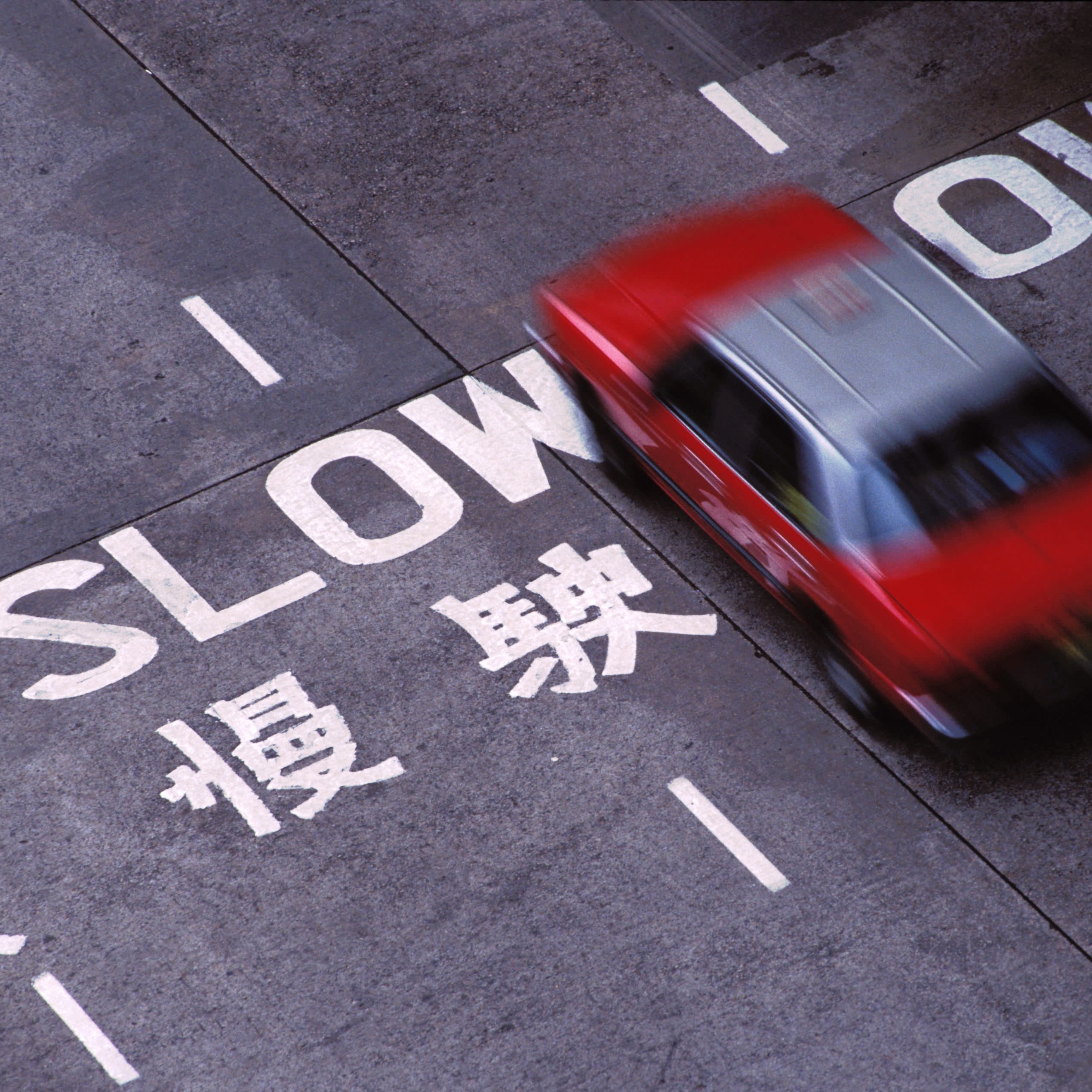
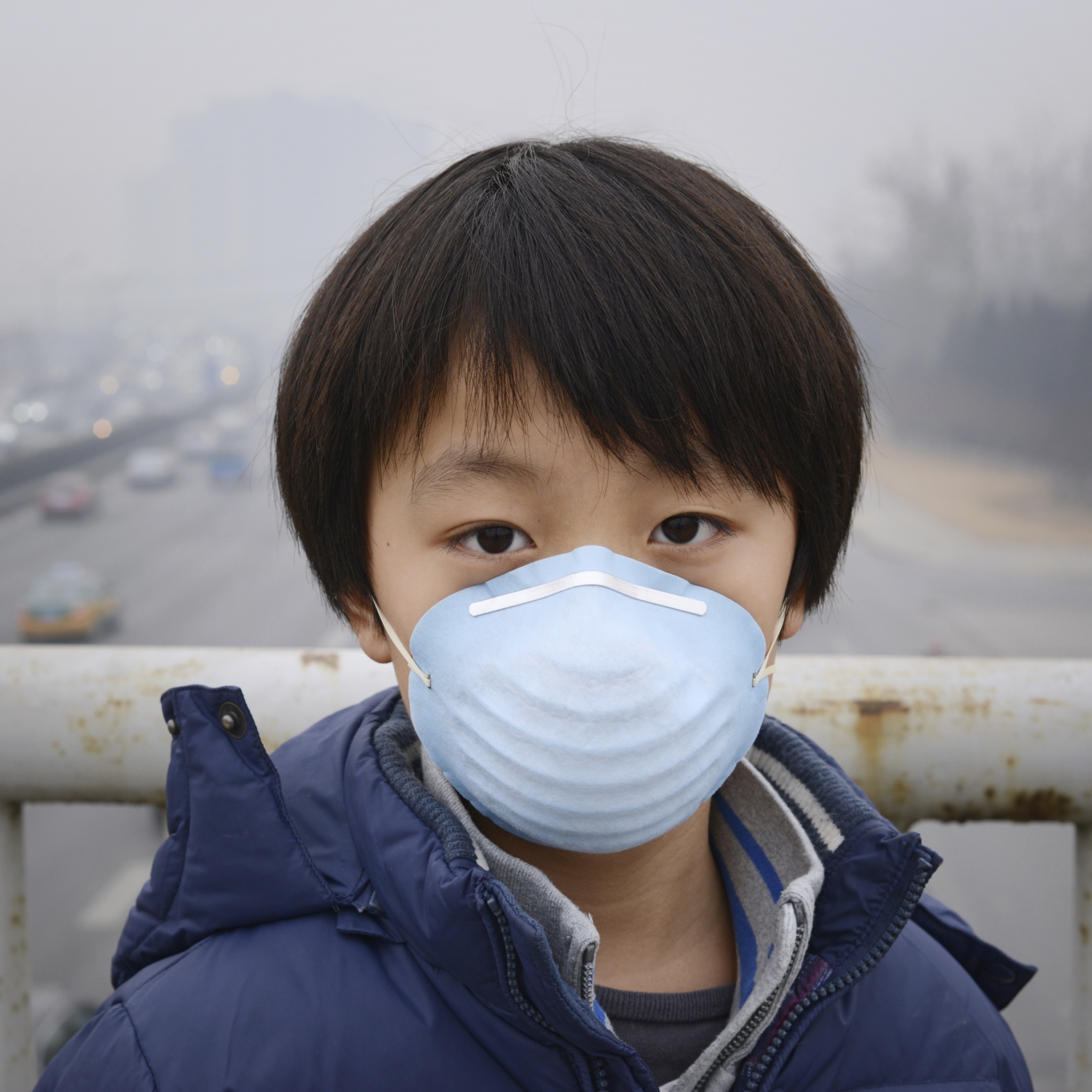
[cnxvideo id=”655246″ placement=”ros”]China has decided to enforce air pollution regulations more aggressively. Among the tactics is will employee is restrictions to use of cars and light trucks in large cities during period when pollution is the worst.
According to the People’s Daily:
Beijing and its neighbors are now intensifying their efforts to ensure a cleaner sky by reducing the daily average density of PM2.5 to around 60 micrograms per cubic meter, a goal set by authorities for 2017.
The officials from the seven regions, namely Beijing, Tianjin, Inner Mongolia Autonomous Region, Hebei, Shanxi, Shandong, Henan provinces, gathered on Tuesday for the ninth meeting to coordinate their solutions to prevent the air pollution.
China’sMinister of Environmental Protection Chen Jining said at the meeting that he had confidence to meet this year’s target as long as pollution alleviation efforts continued.
China started its tougher measures over air pollution years ago. The State Council, in an action plan released in 2013, pledged to reduce the level of inhalable particulate matter in cities above prefecture level by at least 10 percent between 2012 and 2017, and to increase the days with good air quality as well.
More tightened steps will be taken in 2017 to realize the goal, according to the information released at meeting.
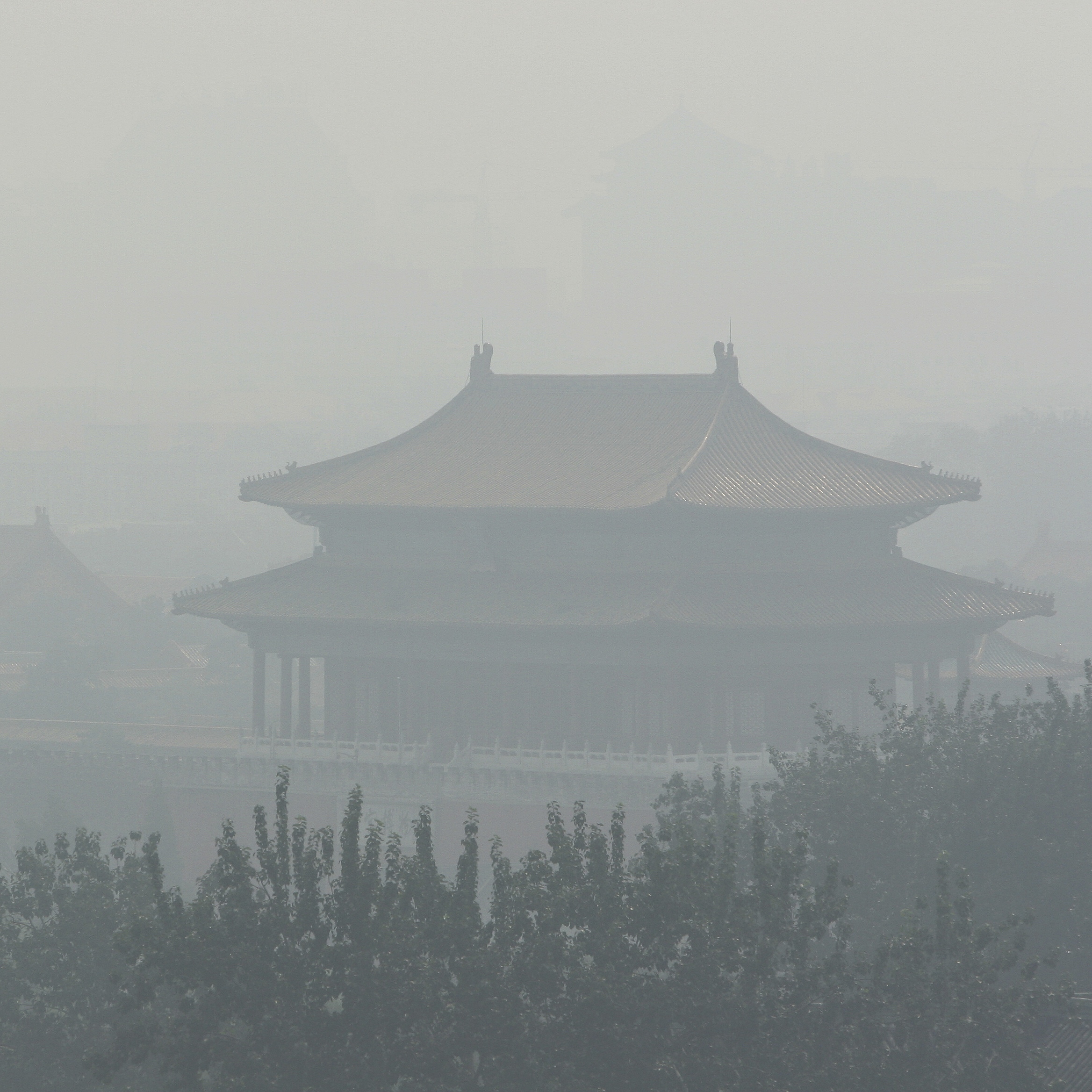
China’s air quality usually deteriorates in winter since the coldness of the months means that more coal and other fossil fuels are burnt by individual homes as well as commercial businesses to keep themselves warm.
In order to lower the emissions in the peak seasons, the seven regions have steeped up efforts to reduce the use of coal, curb vehicle emissions, shut down polluted businesses and plant more trees.
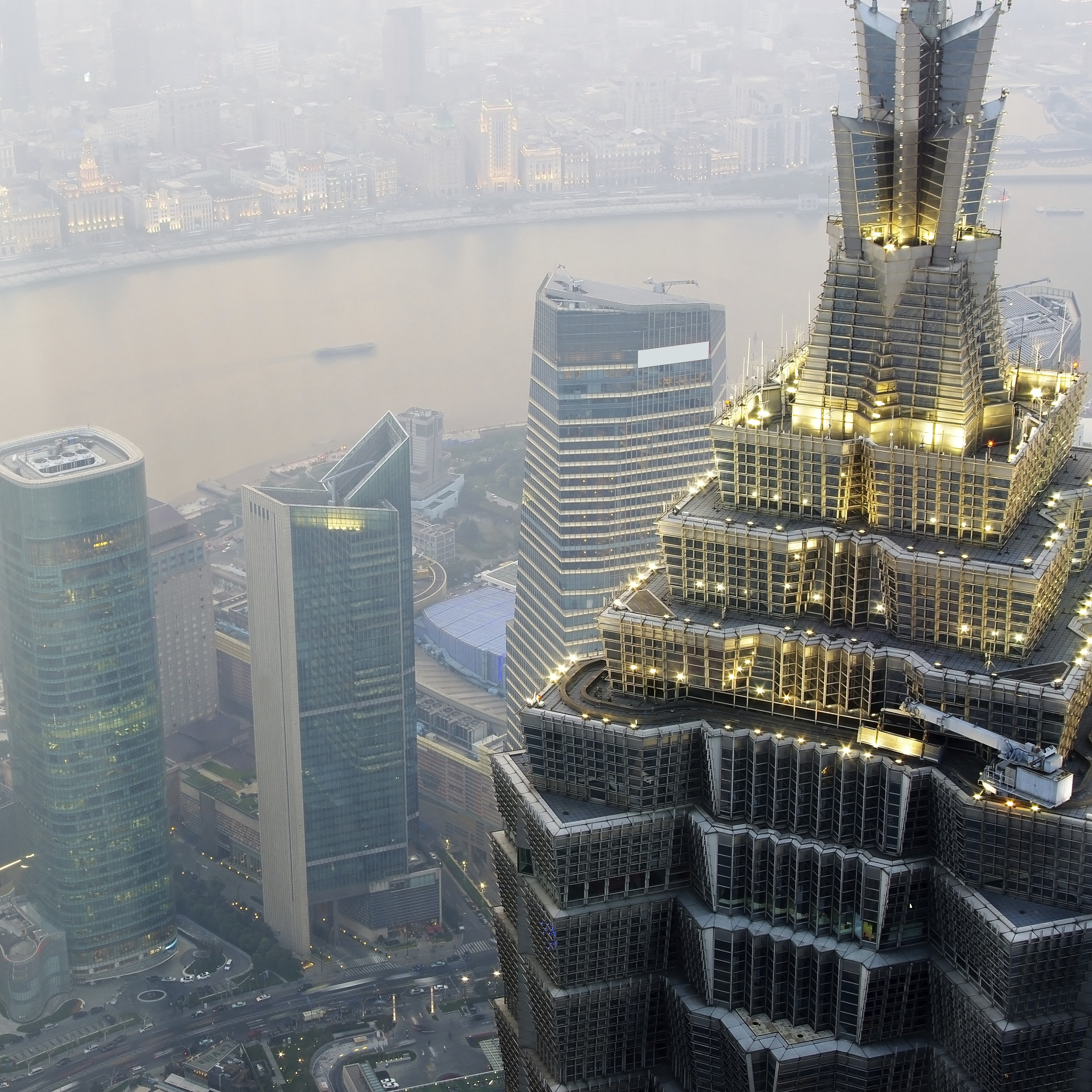
Although not well-known outside China, some of these are huge cities. The province of Shanxi has over 35 million people. Some of the these people do not live in big cities. However, its largest city, Yùnchéng, has 5 million residents. In total, the cities and provinces in question across China have populations into the tens and tens of millions.
[nativounit]
The “curb vehicle emissions” involves restricting the number of cars which come into large cities. And auto manufacturers have becme anxious. According to the FT reporting last August:
But China’s tolerance for polluting vehicles — the market is dominated by cars powered by petrol engines — is now drawing to an end. A rollout of new legislation due to be completed by 2020 aims to tighten China’s rules on cars’ emissions and fuel economy, bringing them into line with western countries and thereby curbing the industry’s contribution to global warming and air pollution.
Just above 24 million cars and light trucks were sold in China last year, which makes it the biggest market in the world by far. The comparable number of sales in the U.S. was 17 million.
It would not take a very large restriction of auto traffic in big cities to dent the size of the China car market.
[wallst_email_signup]







 Top Gaining Stocks
 Top Losing Stocks