China Will Spend $2 Billion To Attack Air Pollution Problem In Beijing

Photo of Douglas A. McIntyre
By Douglas A. McIntyre Updated Published
This post may contain links from our sponsors and affiliates, and Flywheel Publishing may receive compensation for actions taken through them.
China Will Spend $2 Billion To Attack Air Pollution Problem In Beijing

© Thinkstock

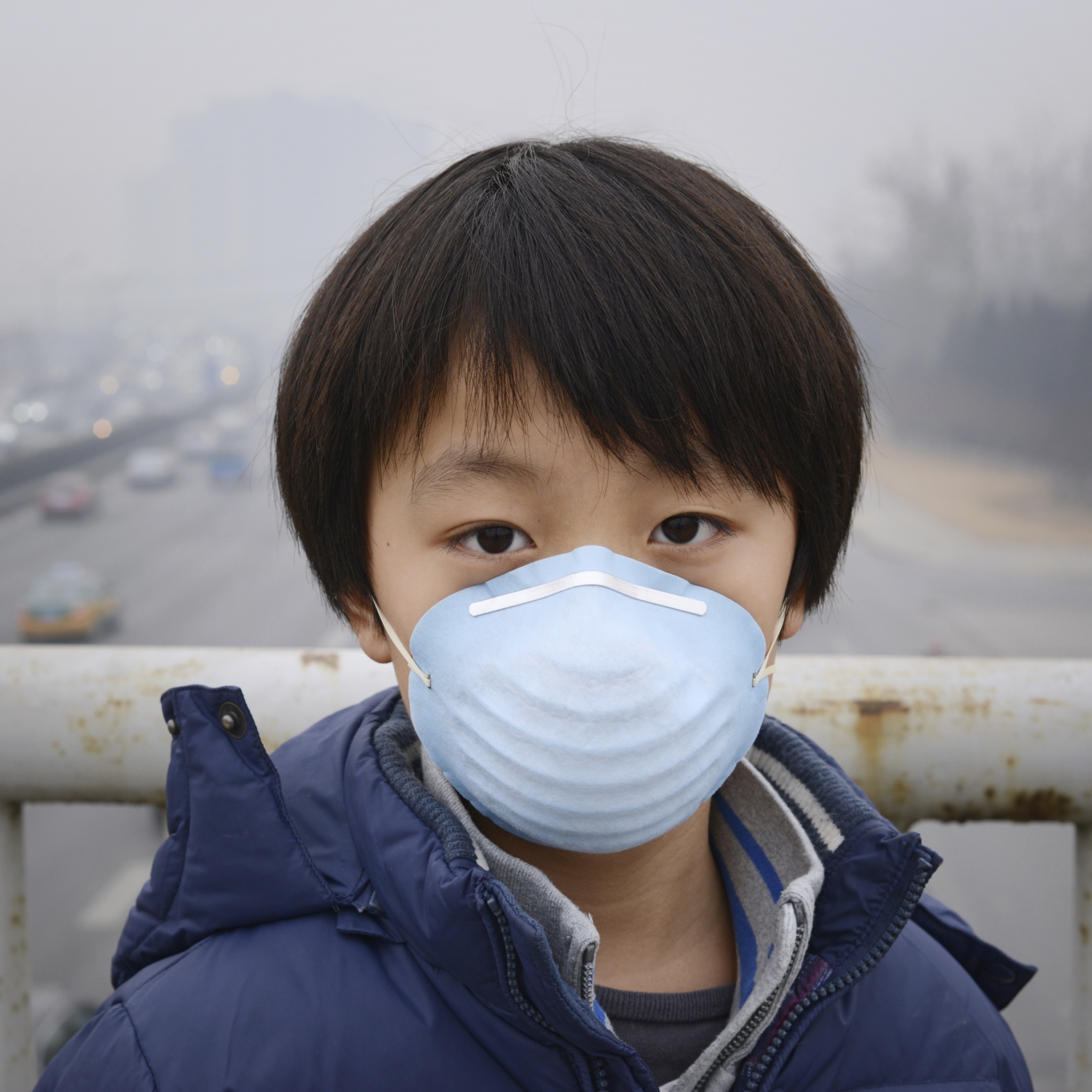
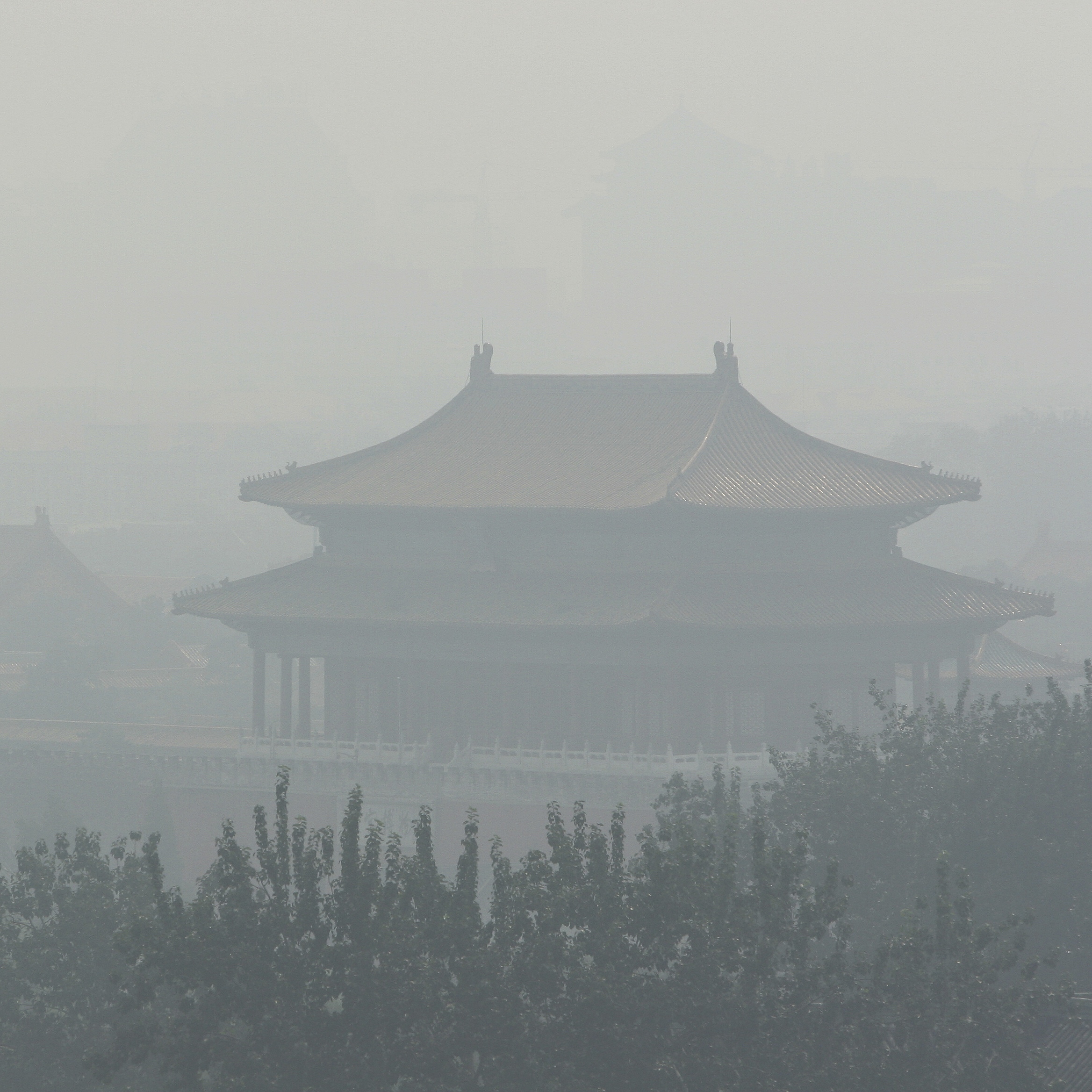
The level of air pollution is so high on certain days that the Beijing’s government has to shutter factories and restrict the number of cars which enter the city. China is taking more extraordinary measures in 2017. According to the People’s Daily, it will spend $2.6 billion to combat air pollution in the nation’s capital.

The editors of the official Chinese paper report:

Beijing aims to control the annual average density of PM 2.5 to around 60 micrograms this year, said Lu Yan, head of the Beijing Municipal Reform and Development Commission.

PM 2.5 are fine particles measuring no more than 2.5 micrometers in diameter.

Average density of PM 2.5 in the Chinese capital was 73 micrograms per cubic meter in 2016, down 9.9 percent from the previous year, Lu said.

Fulfilling the task will not be easy, and could affect the economy of the huge Beijing metro area. Coal is traditionally used to heat homes, of which there are hundreds of thousands. Curtailing factory production to fight air pollution almost certainly has a cost of reduced output. The health of China’s car industry has its foundation on the sale of 24 million cars and light vehicles a year nationwide. Measures to keep cars out of large cities as a means to control air quality would mean a drop in demand among consumers who might buy a car soon

[nativounit]

China continues to be vexed by air pollution which can close everything from schools to businesses. These have a productivity effect of their own

The $2.6 billion is only the tip of the iceberg in terms of costs. Manufacturing and the auto industry could take big hits of the government to reach its goals.

[wallst_email_signup]

Photo of Douglas A. McIntyre
About the Author Douglas A. McIntyre →

Douglas A. McIntyre is the co-founder, chief executive officer and editor in chief of 24/7 Wall St. and 24/7 Tempo. He has held these jobs since 2006.

McIntyre has written thousands of articles for 24/7 Wall St. He is an expert on corporate finance, the automotive industry, media companies and international finance. He has edited articles on national demographics, sports, personal income and travel.

His work has been quoted or mentioned in The New York Times, The Wall Street Journal, Los Angeles Times, The Washington Post, NBC News, Time, The New Yorker, HuffPost USA Today, Business Insider, Yahoo, AOL, MarketWatch, The Atlantic, Bloomberg, New York Post, Chicago Tribune, Forbes, The Guardian and many other major publications. McIntyre has been a guest on CNBC, the BBC and television and radio stations across the country.

A magna cum laude graduate of Harvard College, McIntyre also was president of The Harvard Advocate. Founded in 1866, the Advocate is the oldest college publication in the United States.

TheStreet.com, Comps.com and Edgar Online are some of the public companies for which McIntyre served on the board of directors. He was a Vicinity Corporation board member when the company was sold to Microsoft in 2002. He served on the audit committees of some of these companies.

McIntyre has been the CEO of FutureSource, a provider of trading terminals and news to commodities and futures traders. He was president of Switchboard, the online phone directory company. He served as chairman and CEO of On2 Technologies, the video compression company that provided video compression software for Adobe’s Flash. Google bought On2 in 2009.

Featured Reads

Our top personal finance-related articles today. Your wallet will thank you later.

Continue Reading

Top Gaining Stocks

CBOE Vol: 1,568,143
PSKY Vol: 12,285,993
STX Vol: 7,378,346
ORCL Vol: 26,317,675
DDOG Vol: 6,247,779

Top Losing Stocks

LKQ
LKQ Vol: 4,367,433
CLX Vol: 13,260,523
SYK Vol: 4,519,455
MHK Vol: 1,859,865
AMGN Vol: 3,818,618