


The coronavirus pandemic has put our lives on hold. Searches for new jobs and new homes have been postponed. And of course, major purchases, such as automobiles, have been delayed by many consumers.
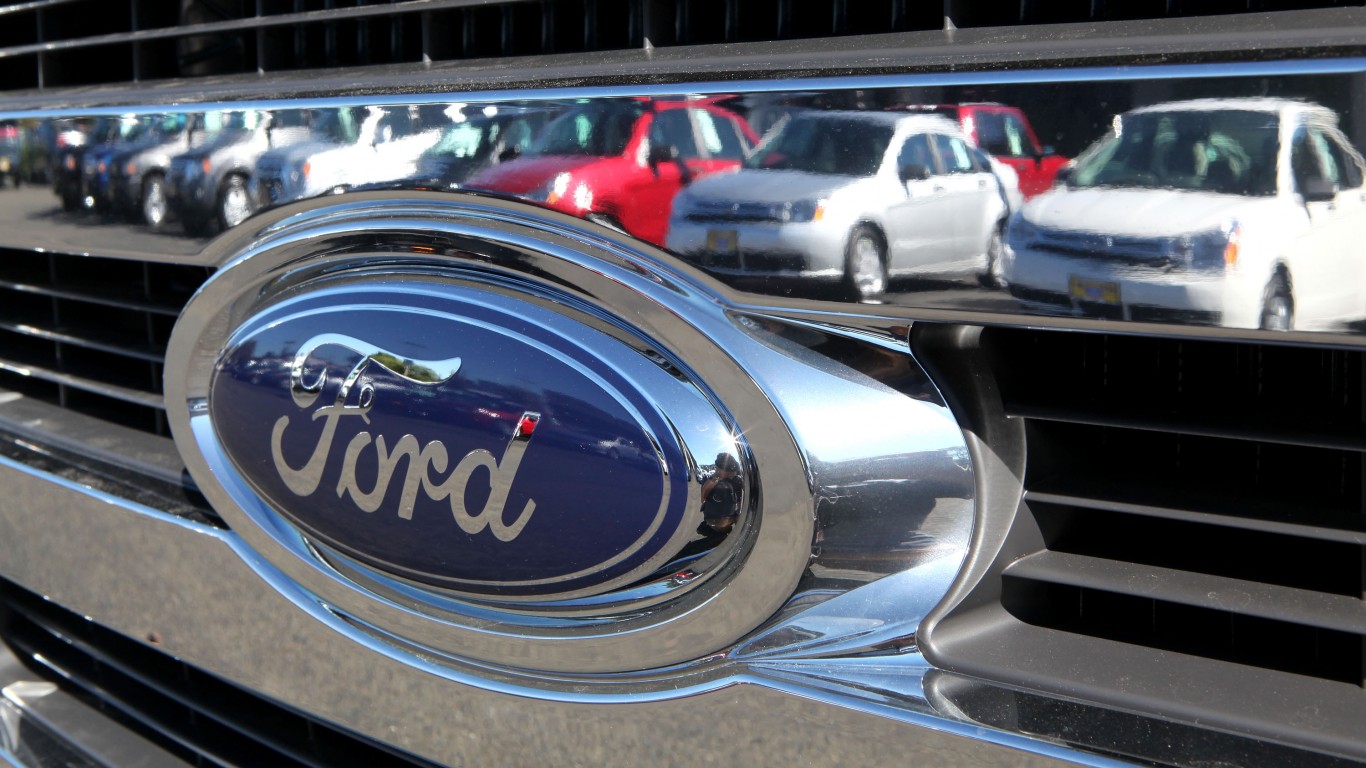
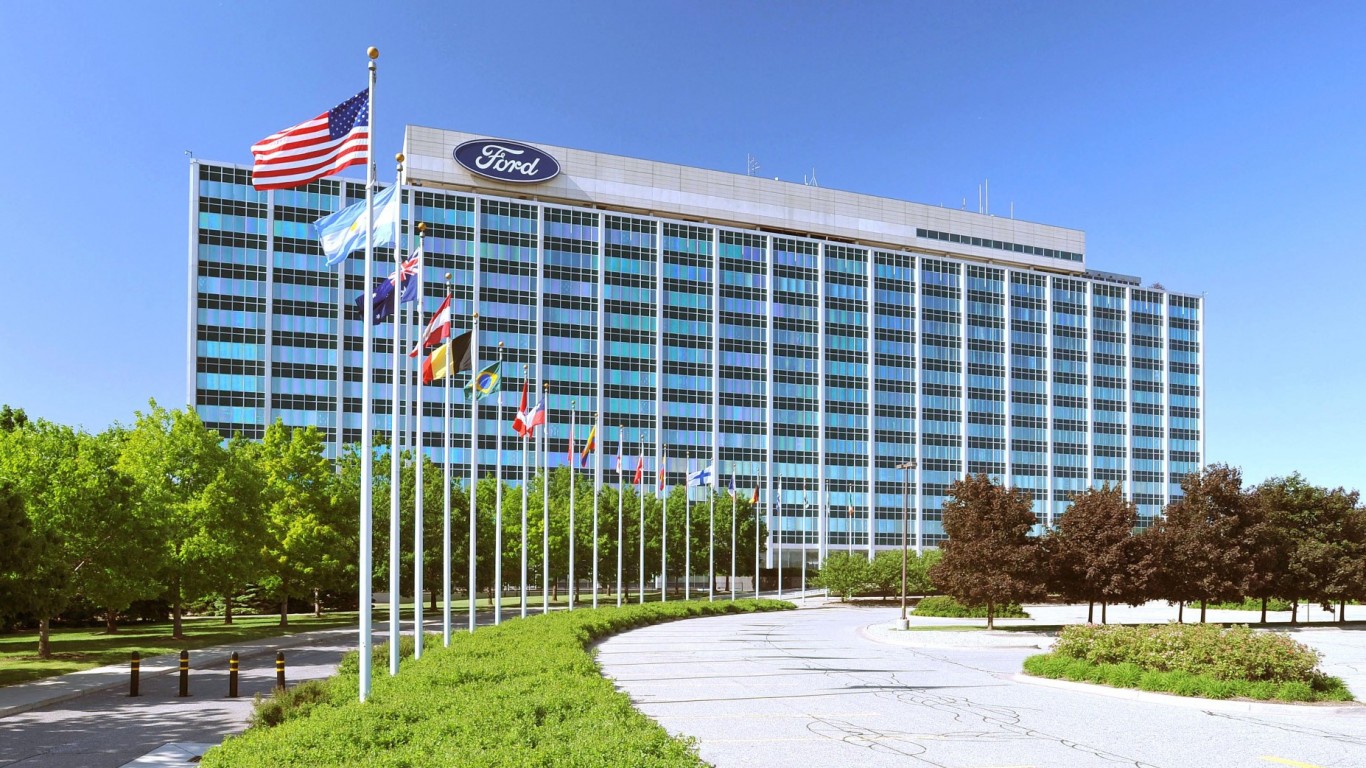
Ford Motor Co. (NYSE: F | F Price Prediction) has reopened its factories, but the Dearborn, Michigan-based company is driving into tricky terrain. The economy is in rough shape, consumer behavior is fluctuating, and supply issues remain.
Ford closed at $5.71 on Friday. The stock is down 38.6% year to date, but Wall Street has viewed the Henry Ford namesake more positively recently. The stock has risen 17.5% in the last month.
The Economy and Consumer Behavior
The global auto industry was in trouble before COVID-19 drove into the picture. Worldwide sales dropped 4% in 2019, according to LMC Automotive, which tracks the industry. Automakers particularly had trouble attracting buyers in China and India, both of which saw sharp drops in economic growth.
[nativounit]
A CNN article earlier this year said some experts think the world has reached “peak car.” In other words, the industry has hit a saturation point, from which sales will only remain steady or even decline.
Before the pandemic started, LMC was already predicting world auto sales for 2020 would drop below 90 million, down 0.3% from the previous year. There’s little doubt that the forecast will be revised in a negative direction.
In March, LMC found that U.S. demand dropped by 38.6% year on year. LMC said the only bigger percentage drop was the 41.4% plunge in February 2009, when America faced another financial crisis. May sales were expected to drop 33% from the year-ago period, according to Cox Automotive.
So what happens for the rest of the year? Well, that depends. This obviously isn’t a very helpful answer, but it reflects the uncertainty impacting all sectors of the economy.
Consumers will adjust their plans for big-ticket purchases based on how the economy recovers, their own state of employment, and their economic confidence for the future.
One survey of global consumers found that 13% had planned to purchase a vehicle this year. These were plans held before the pandemic. “Now, just 58% of people who planned to buy a car still intend to,” according to Brandwatch. The U.K.-based consumer intelligence company asked nearly 7,000 people in the U.S. and six other countries about their long-term shopping plans.
[recirclink id=709893]
Brandwatch discovered that even car enthusiasts are taking a wait-and-see approach. The company monitored the cars group on Reddit, the popular discussion site. Brandwatch found that “intent to purchase mentions were down 13% in March and April compared to January and February.”
Supply Chain Wrinkles
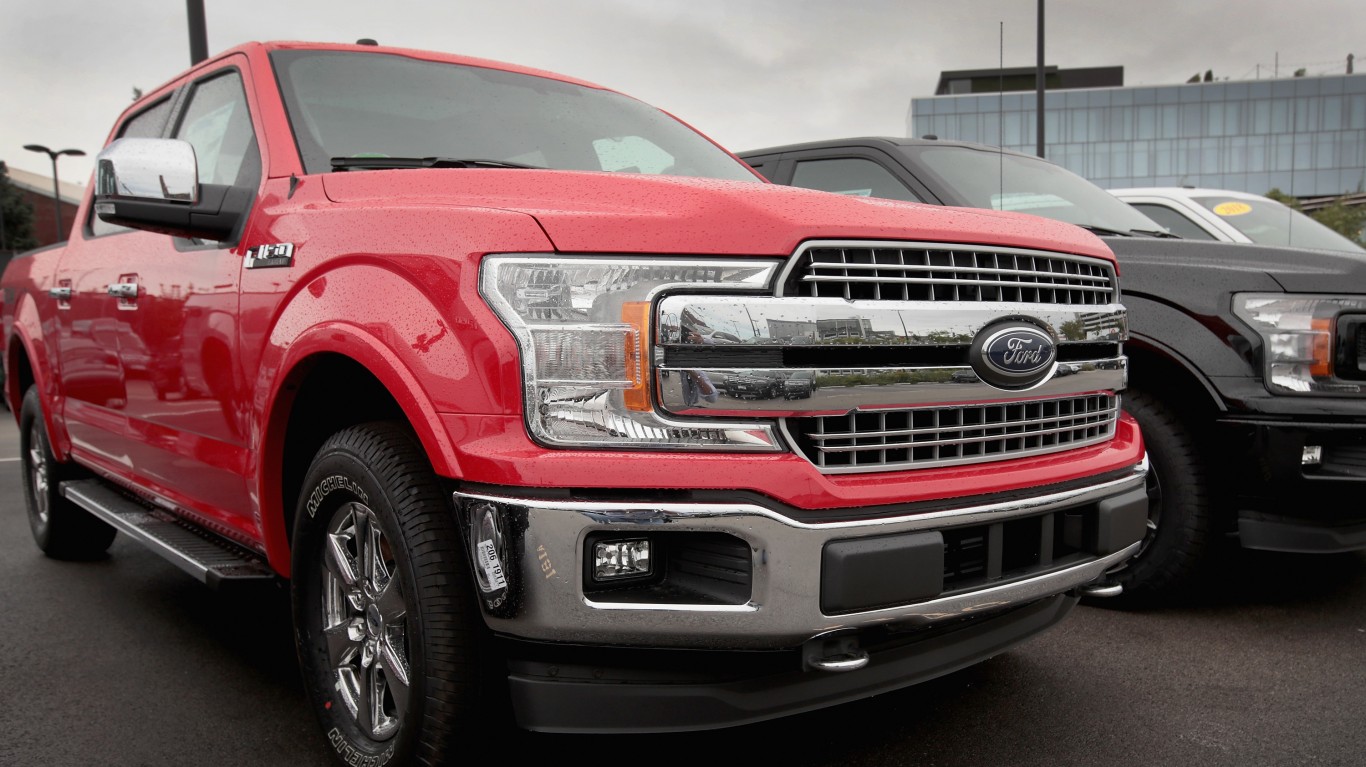
COVID-19 continues to impact the supply chains for automakers. Last week, Ford’s Dearborn truck plant shut down after running out of seats for its bestselling F-150 pickups. A spokesperson told the Detroit Free Press that it expected to reopen this week, and to make up any lost production.
All the big auto companies rely on long supply chains of smaller companies, some of them based in Mexico. Many of these have had uneven restarts after the pandemic shutdown. After closing down in March, Ford restarted its assembly lines on May 18.
Detroit’s hometown newspaper also reported supply issues on dealer lots. The Free Press found that dealers are “now coping with a rapidly shrinking supply of vehicles.” Pickings are slim, the paper said.
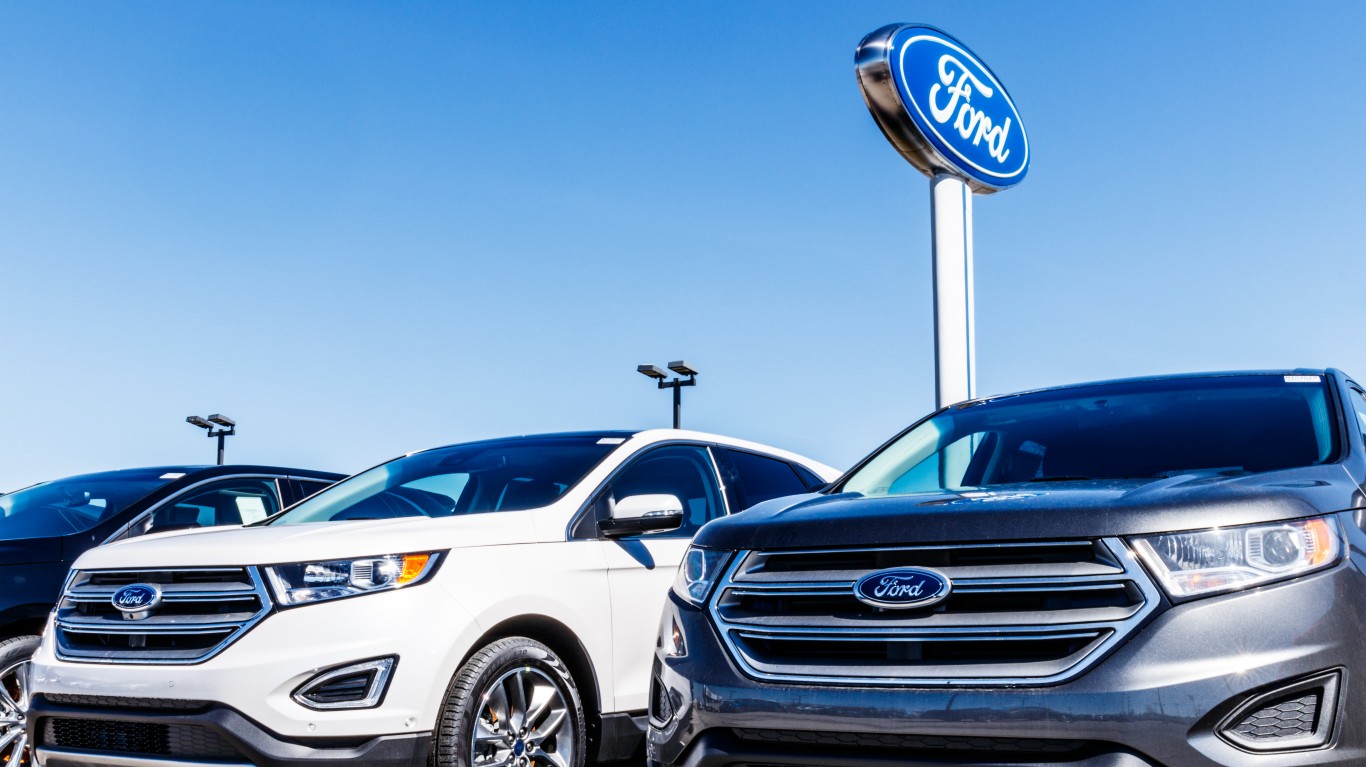
Sam Pack, a Dallas-Fort Worth area dealer, told the paper: “We have back orders on everything. The Ford Edge, Escape, Expedition, Explorer, F-150, Super Duty, Mustang, Ranger. But the Ranger is our shortest availability of all our vehicles. All four of our Ford dealerships have a total of 14 Rangers when we normally would have 100.”
Similar shortages are reported for General Motors (NYSE: GM) and Fiat Chrysler (NYSE: FCAU). Due to the lingering impacts of the COVID-19 shutdowns, some think it could be another 60 to 90 days before dealers see inventory return to normal.
In a way, these inventory shortages are a positive sign. They show consumer demand going into the crucial summer sales period.
Rolling Shutdowns and Restarts?
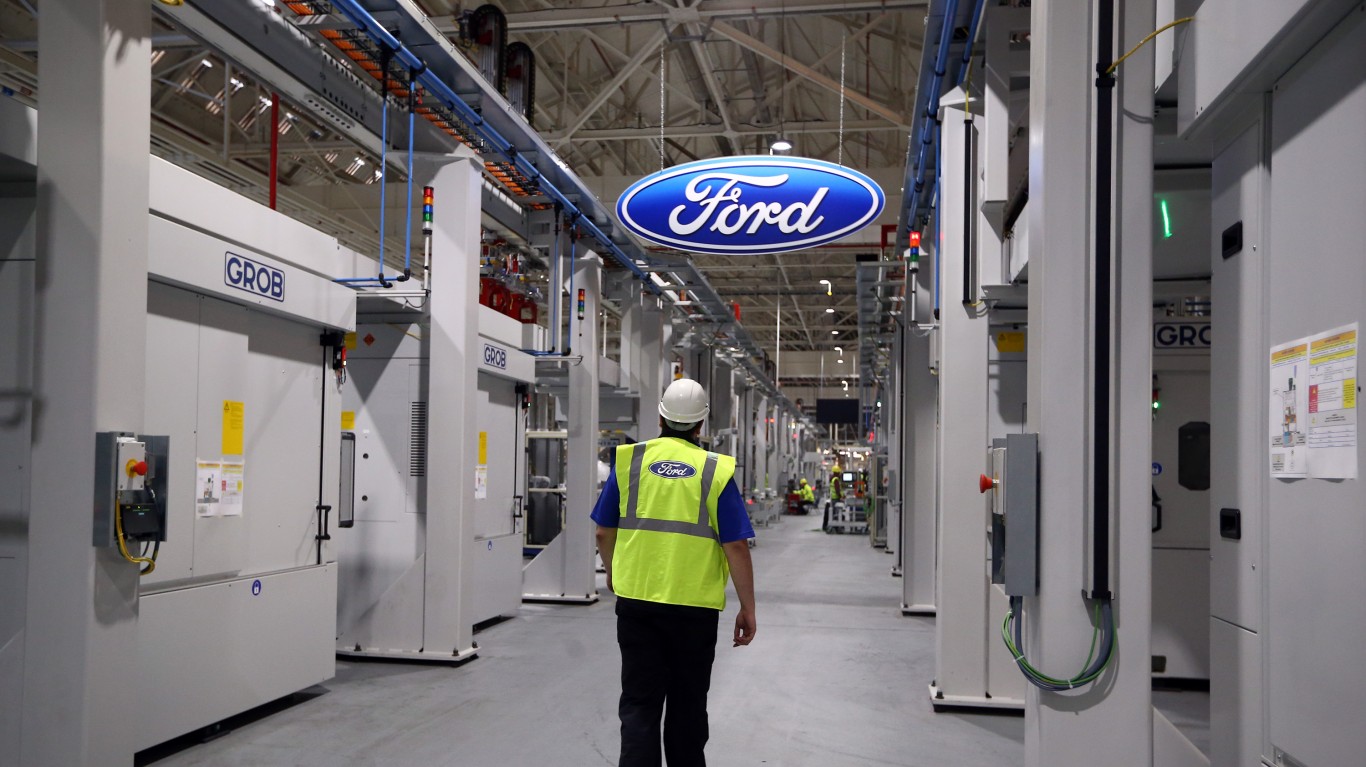
Another wrinkle: Ford has had to temporarily shut down some of its factories after employees tested positive for COVID-19. Two weeks ago Ford closed the same truck plant in Dearborn and another in Chicago. Employees who were exposed to the positive worker were sent home to self quarantine for 14 days, and work areas were deep cleaned.
This could be the new normal for all manufacturers. New safety protocols call for workers to wear personal protective equipment (PPE). At Ford, employees have their temperatures checked before entering the facility, and they fill out daily health self-certifications.
But if anyone tests positive, it means temporarily shutting down. So far, GM and Fiat Chrysler haven’t reported any new COVID-19 shutdowns, according to The Detroit News. For all business owners, it’s one day at a time.
[wallst_email_signup]







 Top Gaining Stocks
 Top Losing Stocks