GM’s Crashing Taxi

Photo of Douglas A. McIntyre
By Douglas A. McIntyre Published
This post may contain links from our sponsors and affiliates, and Flywheel Publishing may receive compensation for actions taken through them.
GM’s Crashing Taxi

© xavierarnau / Getty Images

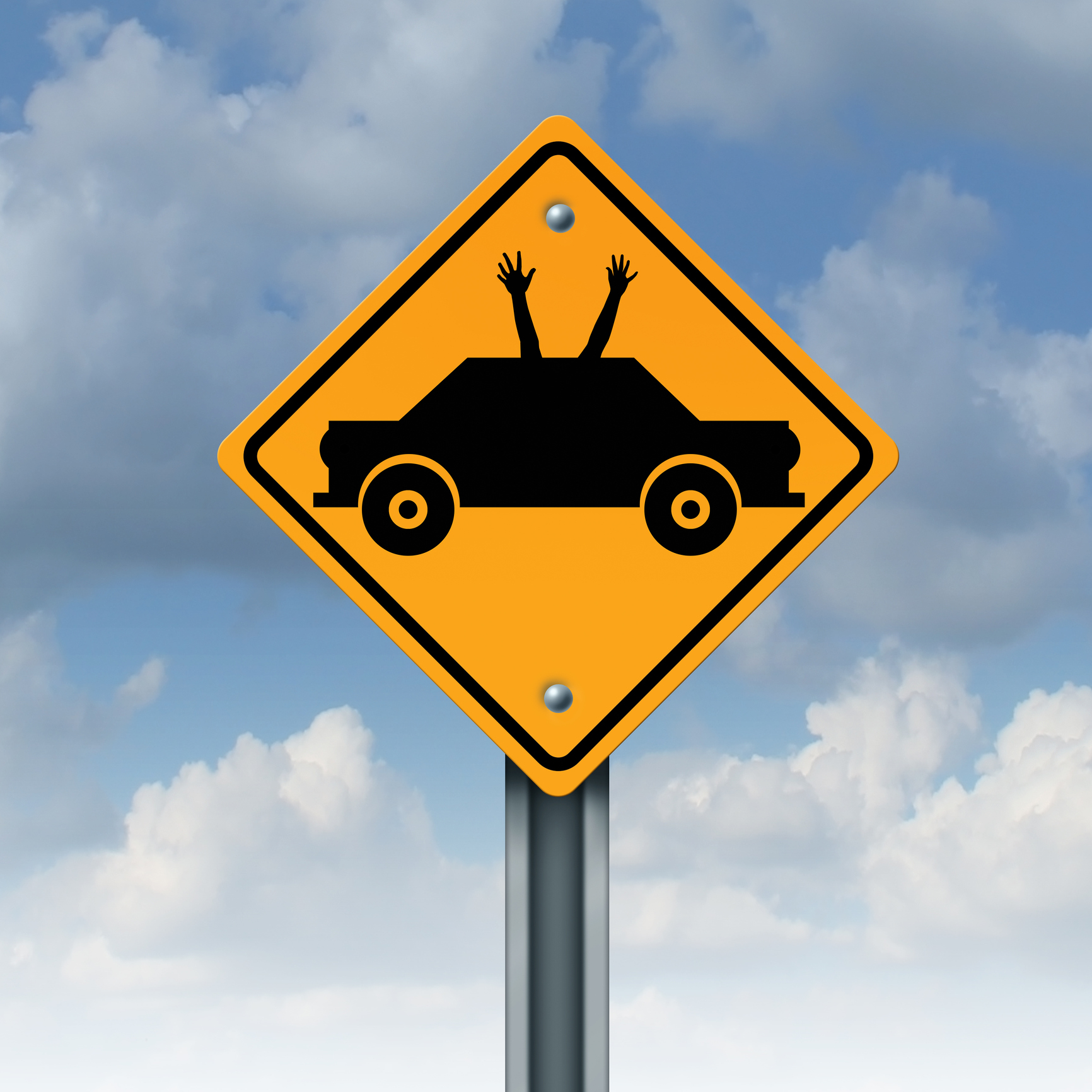
Other than electric vehicles (EVs), the next big thing on its way to revolutionizing the car industry is what is known as autonomous vehicles (AVs). If they work, drivers can sit back, read, sleep or have a cocktail. The trouble is that the early versions of these keep crashing. This threatens their passengers, other drivers, pedestrians and property. (These are the world’s most innovative car companies.)
[in-text-ad]
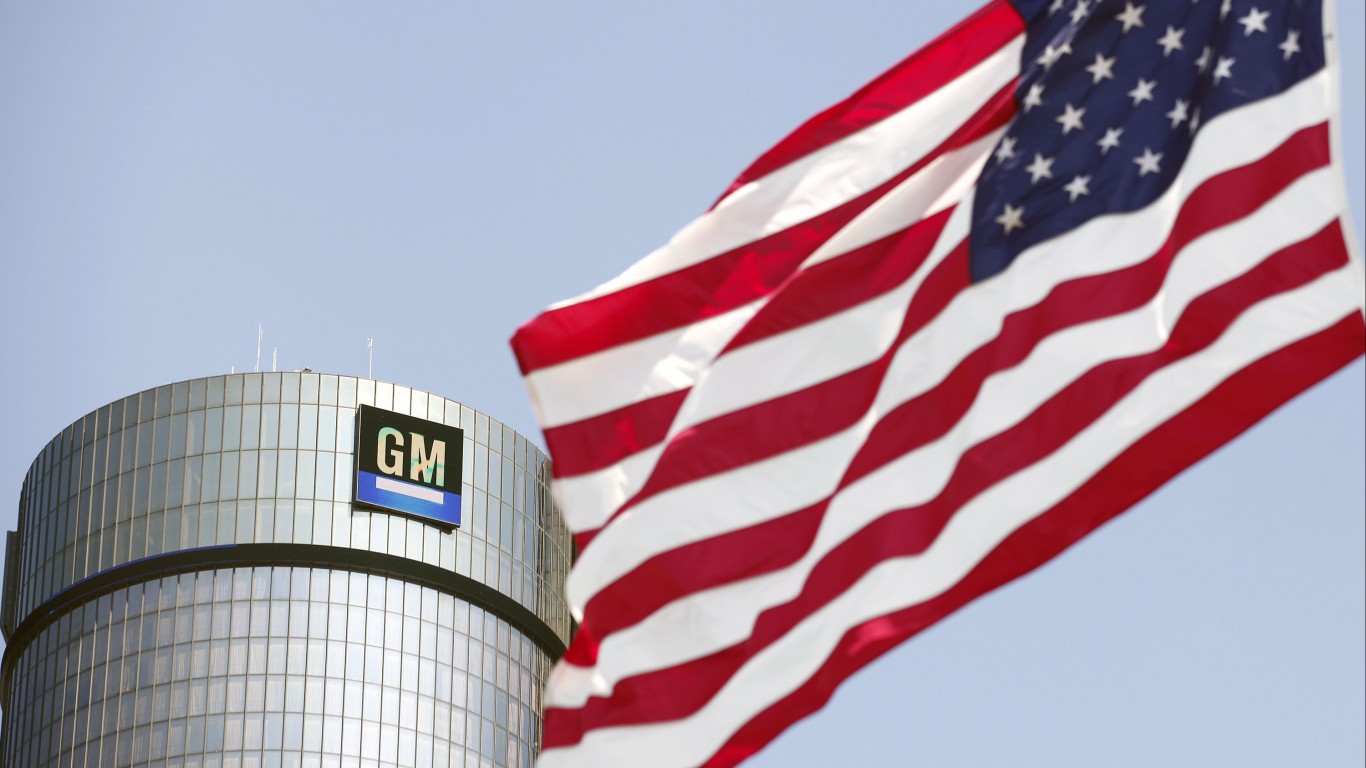
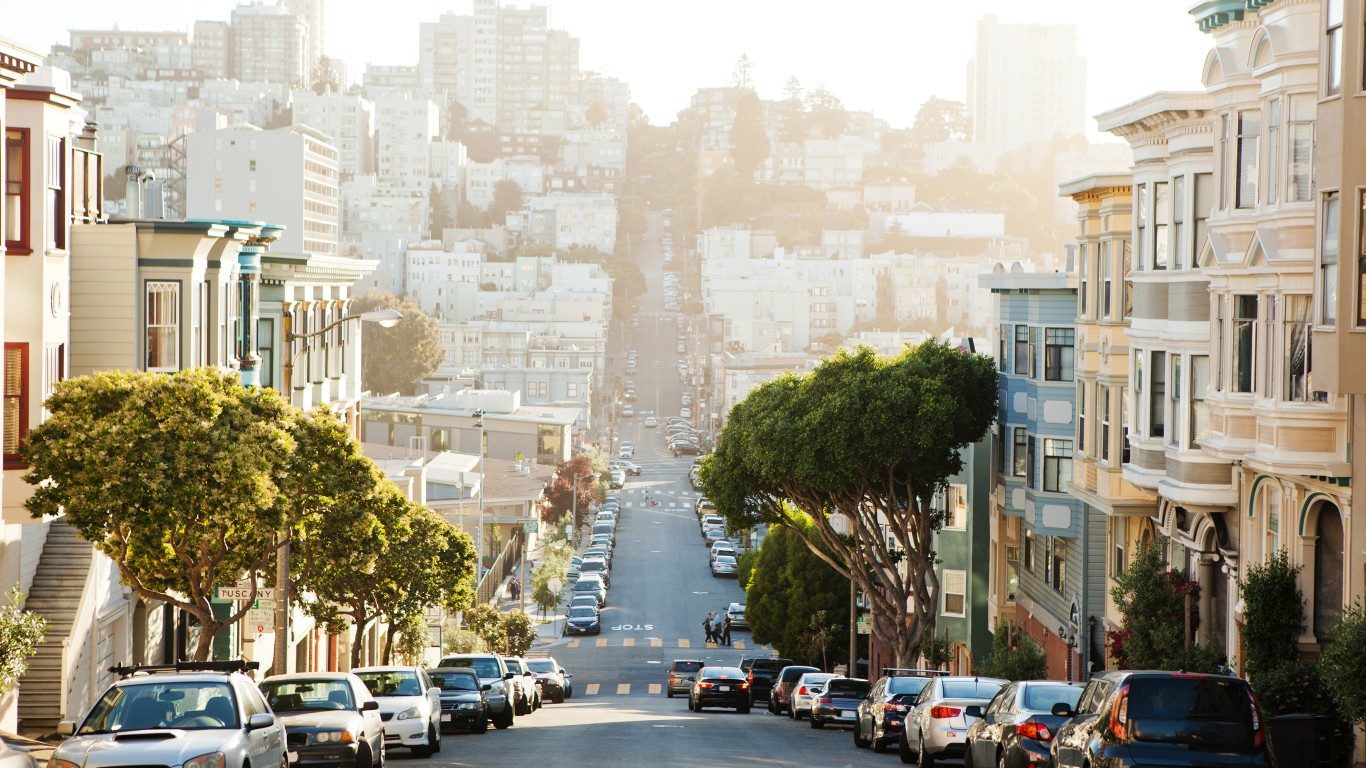
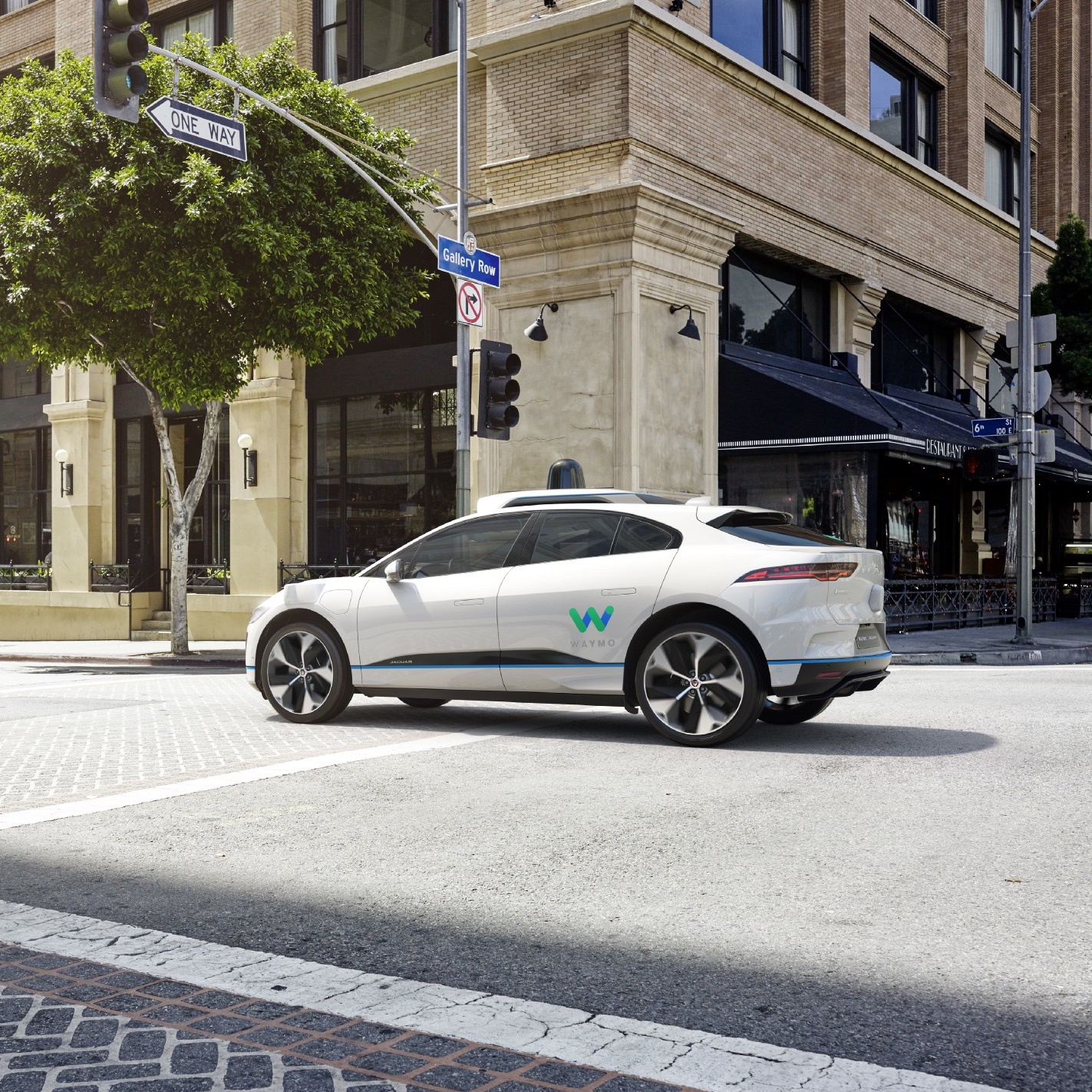
Most of the crashes of AVs have had benign effects. A dented bumper here and there is nothing compared to fatalities. However, regulators have taken serious harm and damage into consideration. GM’s autonomous vehicle operation, called Cruise, had robotaxies operating in San Francisco. One hit a firetruck and injured a passenger in the Cruise vehicle. GM has been ordered to chop its fleet of these cars in half, a blow to the huge American car company’s aspirations.
[nativounit]
The San Francisco Department of Motor Vehicles wants what it calls “corrective action.” According to Bloomberg, one flaw of autonomous cars is that they have trouble detecting emergency vehicles. It is hard to imagine a bigger problem, beyond the vehicles not working entirely.
[wallst_email_signup]
And Americans may shy away from these vehicles for exactly that reason. People are used to driving cars, which allows them to have their fortunes and safety in their own hands, although there are tens of thousands of serious car wrecks each year.
[recirclink id=1100527]
The challenge of adopting driverless cars is a cousin to the resistance to EVs. EVs take a long time to charge compared to gasoline-powered cars. Plus, they have limited ranges between “fill-ups.” Americans may be driving “legacy cars,” but at least they have been driving vehicles similar to those on the country’s roads for decades. People want to risk creating their crashes.

An autonomous car crash raises the specter of more and more of these. Better skip reading and the chance to sleep.

Photo of Douglas A. McIntyre
About the Author Douglas A. McIntyre →

Douglas A. McIntyre is the co-founder, chief executive officer and editor in chief of 24/7 Wall St. and 24/7 Tempo. He has held these jobs since 2006.

McIntyre has written thousands of articles for 24/7 Wall St. He is an expert on corporate finance, the automotive industry, media companies and international finance. He has edited articles on national demographics, sports, personal income and travel.

His work has been quoted or mentioned in The New York Times, The Wall Street Journal, Los Angeles Times, The Washington Post, NBC News, Time, The New Yorker, HuffPost USA Today, Business Insider, Yahoo, AOL, MarketWatch, The Atlantic, Bloomberg, New York Post, Chicago Tribune, Forbes, The Guardian and many other major publications. McIntyre has been a guest on CNBC, the BBC and television and radio stations across the country.

A magna cum laude graduate of Harvard College, McIntyre also was president of The Harvard Advocate. Founded in 1866, the Advocate is the oldest college publication in the United States.

TheStreet.com, Comps.com and Edgar Online are some of the public companies for which McIntyre served on the board of directors. He was a Vicinity Corporation board member when the company was sold to Microsoft in 2002. He served on the audit committees of some of these companies.

McIntyre has been the CEO of FutureSource, a provider of trading terminals and news to commodities and futures traders. He was president of Switchboard, the online phone directory company. He served as chairman and CEO of On2 Technologies, the video compression company that provided video compression software for Adobe’s Flash. Google bought On2 in 2009.

Featured Reads

Our top personal finance-related articles today. Your wallet will thank you later.

Continue Reading

Top Gaining Stocks

CBOE Vol: 1,568,143
PSKY Vol: 12,285,993
STX Vol: 7,378,346
ORCL Vol: 26,317,675
DDOG Vol: 6,247,779

Top Losing Stocks

LKQ
LKQ Vol: 4,367,433
CLX Vol: 13,260,523
SYK Vol: 4,519,455
MHK Vol: 1,859,865
AMGN Vol: 3,818,618