


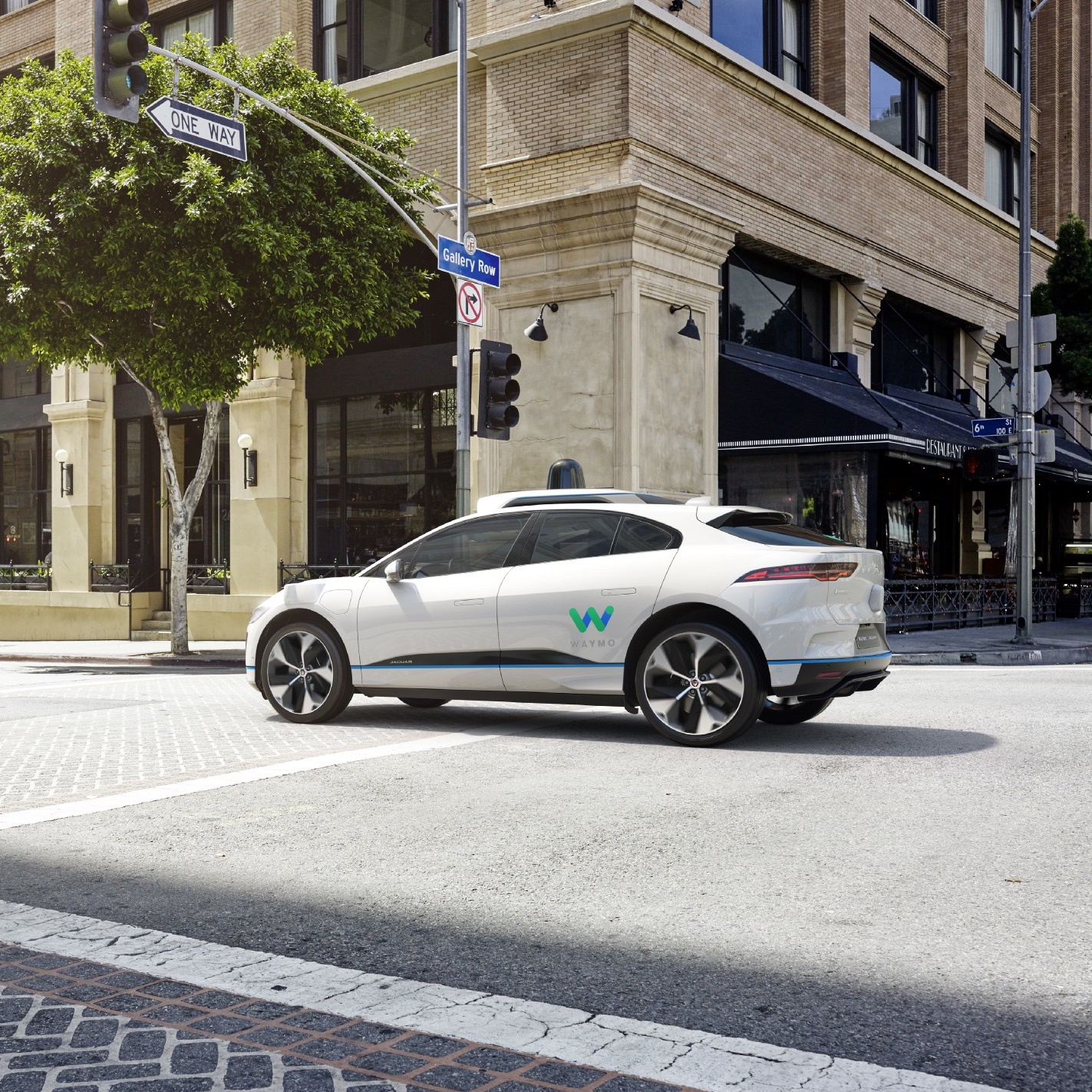
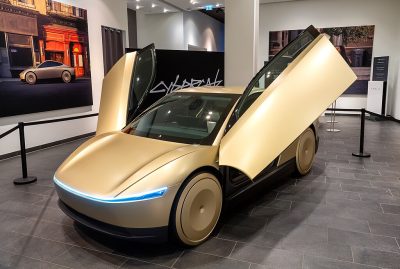
Elon Musk admitted something Tesla bulls didn’t want to hear: the Cybercab and Optimus rollout will be “agonizingly slow.” While Tesla stumbles on promises made years ago, Waymo (NASDAQ:GOOGL | GOOGL Price Prediction) is already operating robotaxis in San Francisco, Phoenix, Los Angeles, and Austin. Tesla’s delay isn’t just a missed deadline. It’s a market share transfer to competitors who moved faster.
The Companies Fighting for Autonomous Dominance
Four companies stand to gain from Tesla’s admission that full autonomy remains distant. Alphabet owns Waymo, the autonomous vehicle subsidiary operating driverless rides today. Uber (NYSE:UBER) partners with Waymo to offer robotaxi rides through its platform without building the technology. Lyft (NASDAQ:LYFT) pursues a similar partnership strategy but with less scale. General Motors (NYSE:GM) owns Cruise, which is relaunching after a 2023 safety incident shutdown.
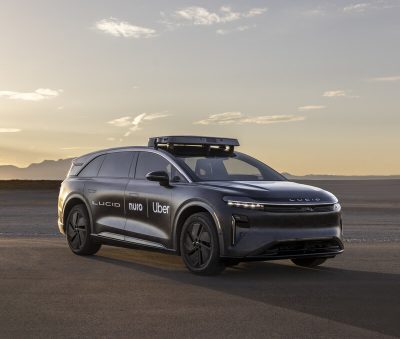
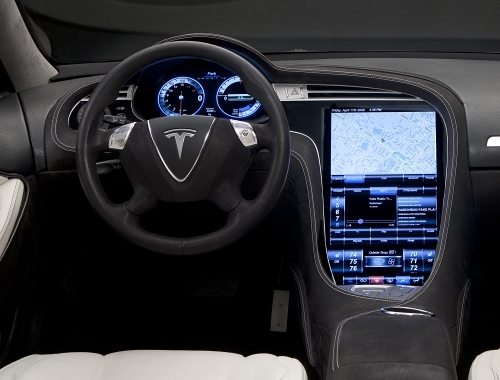
Waymo operates robotaxis using lidar sensors and years of regulatory relationships. They’ve secured permits in multiple cities. Uber and Lyft control the marketplace where riders hail cars, positioning themselves as the customer interface regardless of who supplies the vehicle. GM bet billions on Cruise but faces credibility issues after its pedestrian incident. Tesla uses a vision-only approach without lidar. Musk’s “agonizingly slow” comment suggests that bet isn’t paying off.
How Each Business Is Positioned
Waymo has the clearest path. They’re generating revenue from paying customers in four major markets. No safety driver means no labor cost once the technology scales. First-mover advantage creates a data moat. Every mile driven improves the algorithm, making it harder for competitors to catch up. The challenge is cost. Waymo vehicles are expensive to build and maintain. But Tesla’s delay gives Waymo years to solve unit economics without serious competition.
Uber benefits without taking technology risk. Their Waymo partnership lets them offer autonomous rides through the Uber app. Riders don’t care if a human or robot drives as long as the app works. Uber keeps its marketplace dominance while Waymo handles building self-driving cars. The risk is long-term dependence. If Waymo decides it doesn’t need Uber’s platform, Uber loses its autonomous strategy.
Lyft faces similar dynamics but with weaker positioning. They’re smaller than Uber with less cash to invest in partnerships or technology. Tesla’s delay keeps the human driver model viable longer, which helps Lyft survive. But Lyft is fighting for second place in a market where scale matters.
GM’s Cruise has the most to prove. After shutting down operations in 2023 following a pedestrian incident, Cruise is attempting a relaunch. GM has invested billions but faces public skepticism. Tesla’s delay gives Cruise time to rebuild credibility, but Waymo’s operational lead looks insurmountable.
What the Market Isn’t Pricing In
Alphabet’s profitability gives them unlimited runway to fund Waymo losses while the technology scales. But Waymo’s value doesn’t show up in Alphabet’s stock price. It’s buried in “Other Bets,” the segment that includes moonshot projects.
Uber trades at 21x forward earnings with a $172 billion market cap. The company generates strong free cash flow from its core ride-sharing business. The Waymo partnership is optionality. If autonomous vehicles take longer to scale, Uber’s human driver network remains profitable. If robotaxis arrive faster, Uber is positioned to capture that shift.
Who Actually Benefits Most
Waymo has the strongest position. They’re operating at scale today while Tesla admits its timeline is “agonizingly slow.” Alphabet’s financial strength lets Waymo absorb losses for years while building network effects competitors can’t match. The technology lead is real. Waymo uses lidar and has regulatory approvals Tesla hasn’t even applied for in most cities.
Uber benefits differently. They don’t need to solve autonomy. They need to control the customer relationship, and they do. Their partnership strategy is smart if multiple autonomous providers will exist. Lyft has similar logic but less scale. GM’s Cruise needs to prove it can operate safely before investors should care about its potential.
The Bottom Line
Tesla was supposed to lead the autonomous revolution. Instead, Waymo is operating robotaxis in four cities while Musk admits progress is “agonizingly slow.” That delay creates opportunity. Waymo builds its data moat. Uber maintains marketplace control. The question for investors is whether Alphabet’s stock reflects Waymo’s value. Right now, it doesn’t.





 Top Gaining Stocks
 Top Losing Stocks