


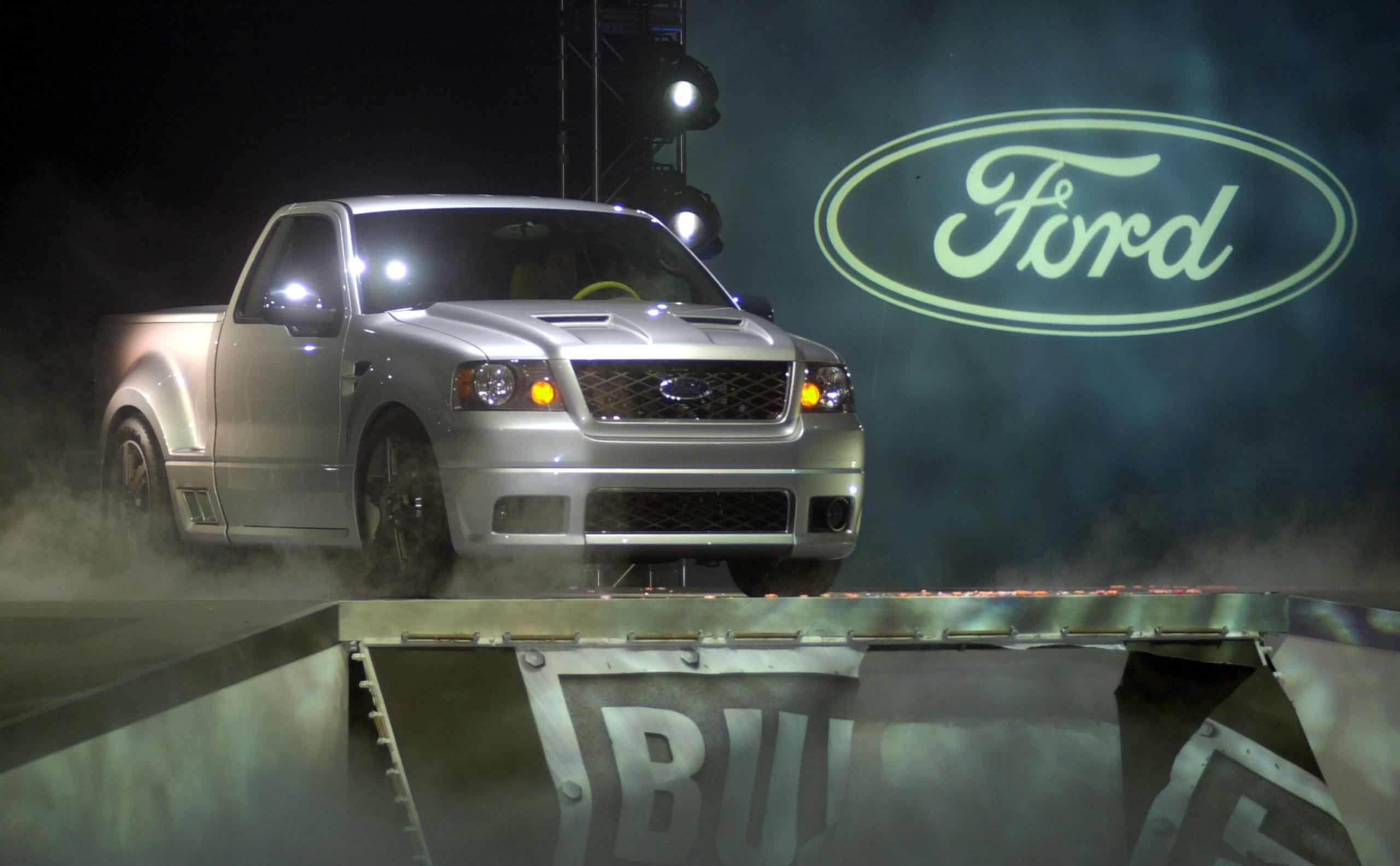
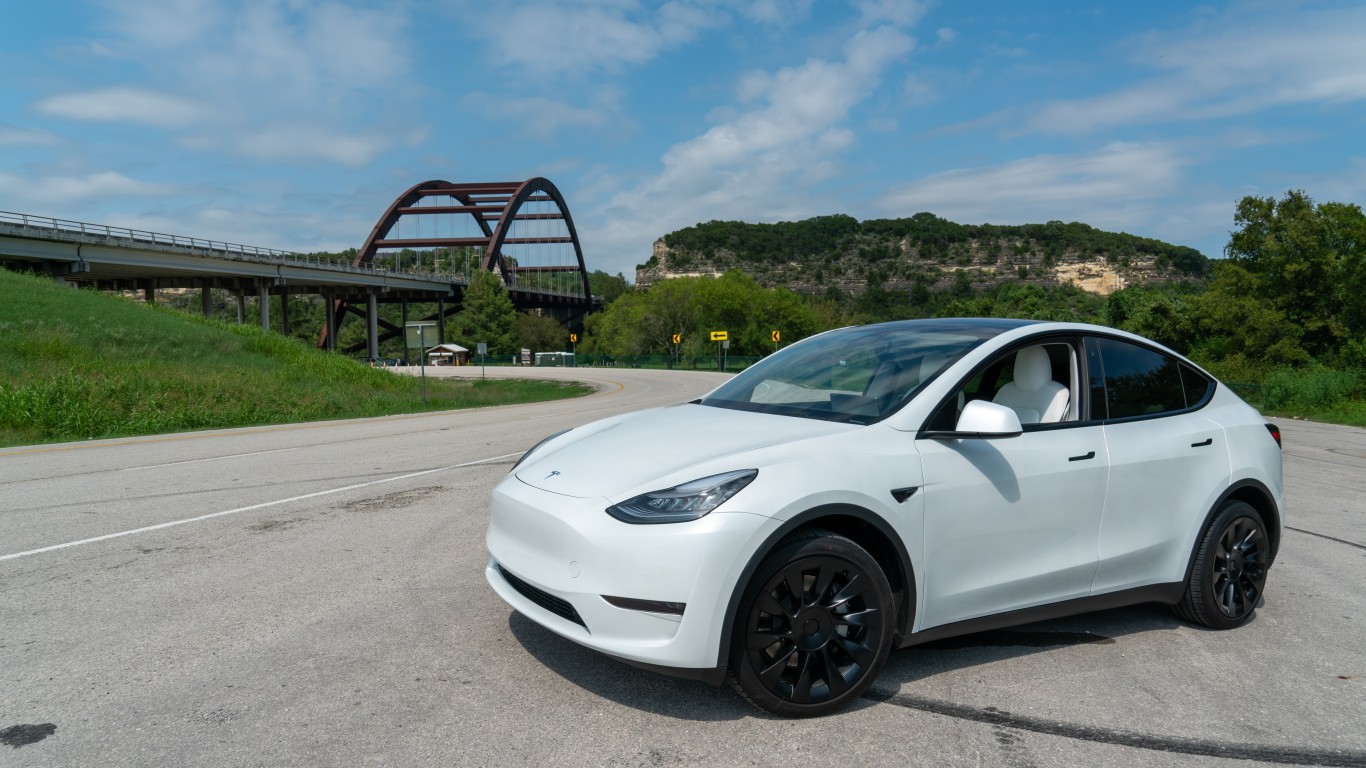
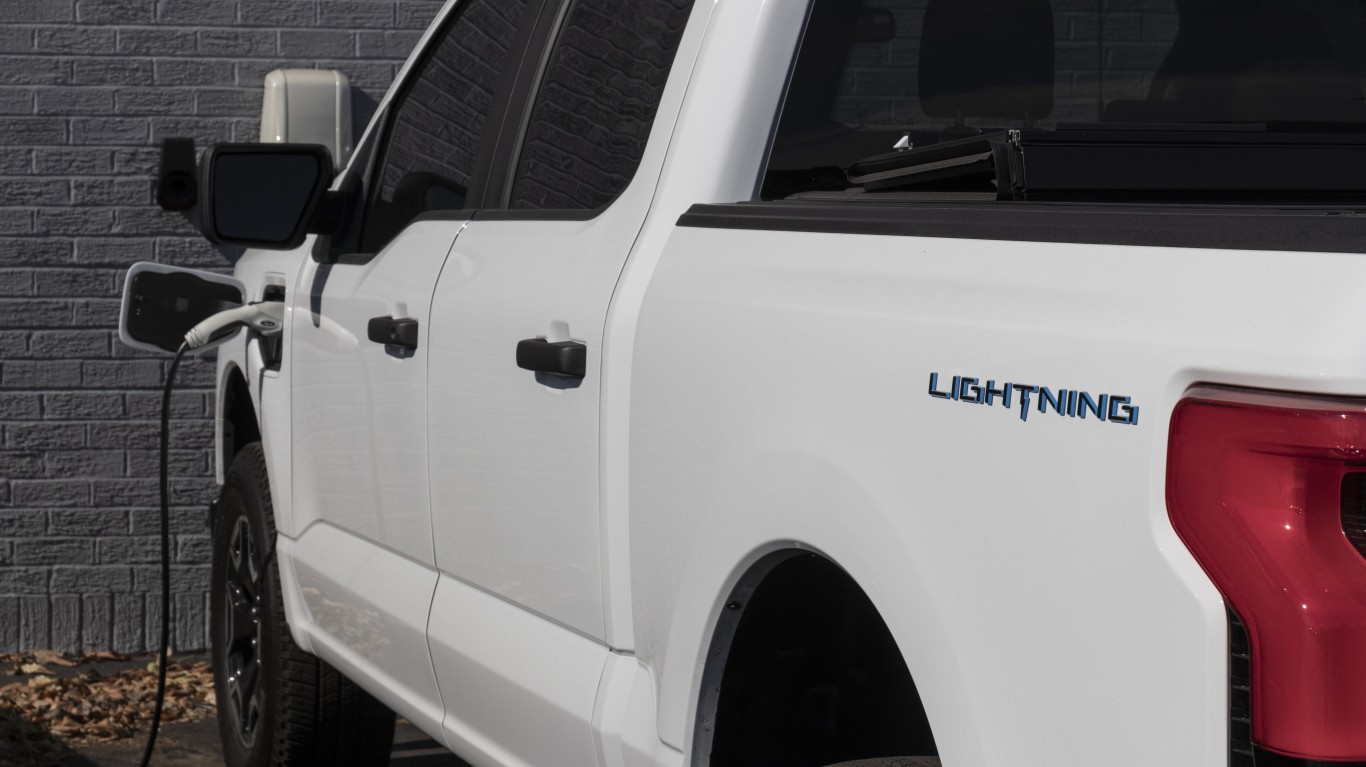
The Ford F-150 Lightning is probably the most significant effort by any automaker to enter the EV market and compete with Tesla (NASDAQ: TSLA | TSLA Price Prediction). It was an EV version of the best-selling vehicle in the nation, a place it has held for four decades. It was as close to a sure thing as possible, chasing the market leader.
The F-150 Lightning won’t be built anymore. Ford (NYSE: F) exited the EV business and took a $19.5 billion charge to do so.
One paper, the F-150 Lightning, should have been a huge winner. It received largely positive reviews. Ford’s marketing machine clicked into full gear. Ford said the Lightning was the best-selling EV pickup in America, which was true, but not impressive.
Ford’s Lightning sales were 647 units in January, down 66%. This is not unusual for a discontinued vehicle. However, in 2021, Ford said its EV production run rate by the end of 2023 would be 600,000. The Lightning was to be central to that success.
At some point, there will be several books written about what happened to Ford’s EV operations. These should view the problem as part of automotive history, showing that Ford simply followed the direction of almost every other large car manufacturer in the world. Tesla was so successful that car companies that really knew the business could catch up to it.
And, Ford, along with the industry, thought it had the wind at its back. The IEA reported in its 2022 Global EV Outlook that “Over 16.5 million electric cars were on the road in 2021, a tripling in just three years.” There were green lights on the highway ahead.
Another part of Ford’s math was that Tesla’s market cap was larger than the combined market caps of all other publicly traded car companies in the world. It would be irresponsible for Ford’s management to pass on the chance to drive its own stock higher.
The F-150 Lightning was too expensive. Full-sized pick-ups were the top-selling vehicles in America, but it turned out people did not want them to run on electric engines. Many people viewed EVs overall as having too short a range and not enough charging stations.
Goodbye to the most ambitious effort by any car company to get into EVs.









 Top Gaining Stocks
 Top Losing Stocks