Canadian Train Explosion Raises Questions on Rail Transport of Crude Oil

Photo of Paul Ausick
By Paul Ausick Updated Published
This post may contain links from our sponsors and affiliates, and Flywheel Publishing may receive compensation for actions taken through them.

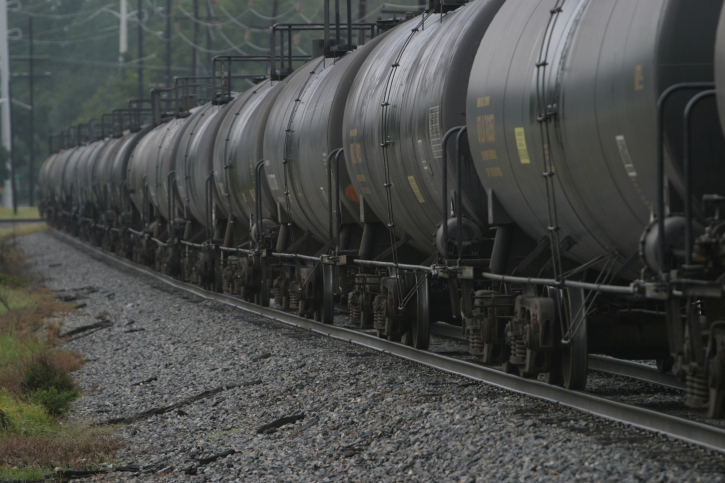
Railroad Oil Tank Cars
Thinkstock
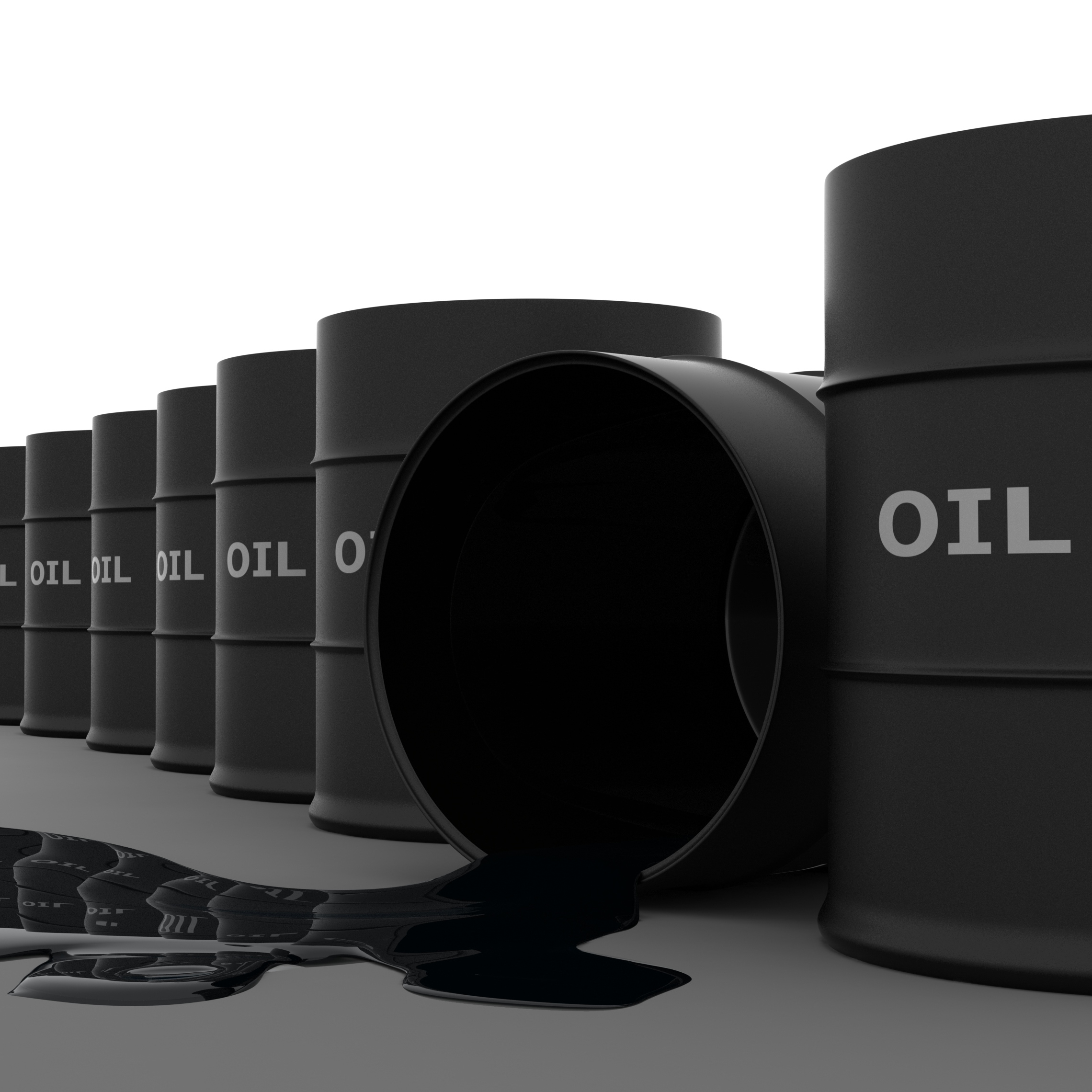
The derailment and subsequent explosion of a 73-car crude oil train in Lac-Megantic, Quebec, in the early hours of Saturday morning has killed at least three people and scores more are reported missing. What caused the disaster will be determined in the days and weeks ahead, but it’s not too early to consider the impact on transporting crude oil by rail.

Measured by the amount of crude spilled, rail transport is much safer than pipeline transport. In the decade up to 2012, rail spills totaled about 95,000 gallons compared with nearly 20 million gallons of crude spilled from pipelines. But, because pipelines often run through unpopulated areas, spills typically cause most of their damage to the environment and not to people or homes and businesses. The recent 200,000-gallon spill in Mayflower, Arkansas, from an Exxon Mobil Corp. (NYSE: XOM) pipeline is an exception.

Trains, including trains hauling crude oil, travel through more populated areas. That’s one of the big attractions to transporting anything, including oil, by rail. Unlike a pipeline which hauls its cargo from point A to point B, trains can carry freight virtually anywhere.

And while it does cost significantly more to transport crude oil by rail than by pipeline, the relative lack of regulation, and the flexibility of moving crude by rail transport has jumped to the point where it moved about 150 million barrels of crude in 2012 in the U.S., and the total continues to rise. A review of how trains move all that crude may be in order now.


Photo of Paul Ausick
About the Author Paul Ausick →

Paul Ausick has been writing for a673b.bigscoots-temp.com for more than a decade. He has written extensively on investing in the energy, defense, and technology sectors. In a previous life, he wrote technical documentation and managed a marketing communications group in Silicon Valley.

He has a bachelor's degree in English from the University of Chicago and now lives in Montana, where he fishes for trout in the summer and stays inside during the winter.

Continue Reading

Top Gaining Stocks

WAT Vol: 2,131,048
INTC Vol: 198,362,091
AKAM Vol: 8,677,900
MU Vol: 64,268,462
QCOM Vol: 34,272,223

Top Losing Stocks

HII Vol: 1,746,810
POOL Vol: 2,311,870
APTV Vol: 10,166,405
LDOS Vol: 2,252,442
PYPL Vol: 39,099,369