


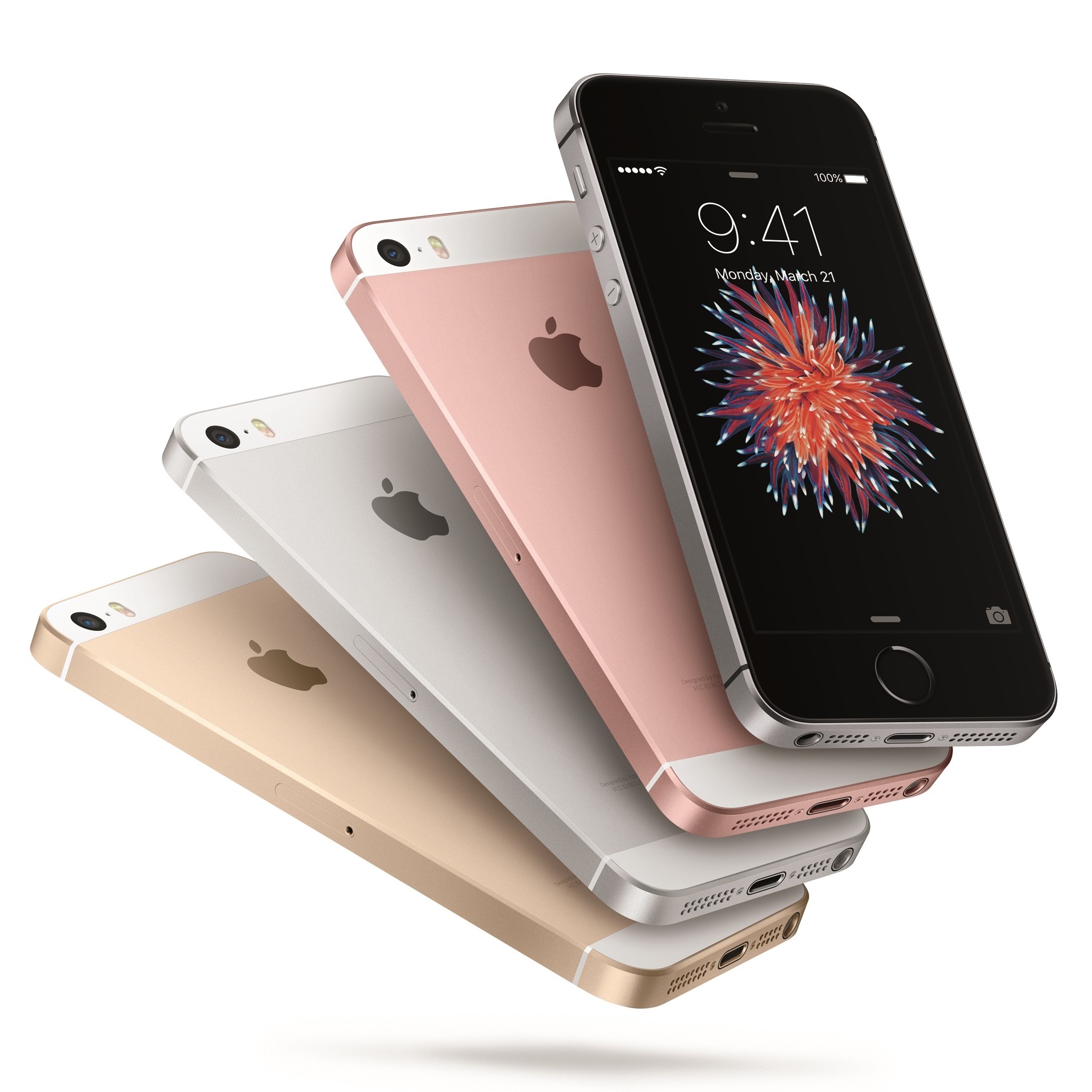
The iPhone 6 is 10 months old and barely will have passed its first birthday when the iPhone 7 is released. By almost any measure, the iPhone 6 has been successful. The first weekend the smartphone was available, over 10 million units were sold. Apple sold more than 61 million iPhones in the most recently reported quarter, up 40% from the same quarter last year. According to Barron’s, Raymond James analysts increased their forecasts for iPhone sales in the quarter about to be announced, plus September, to as many as 50 million units. In the relentless cycle of rapidly updated smartphone models, perhaps Apple management does not want to fall behind. Apple’s share of the smartphone industry profits has reached 92% among the top eight smartphone makers, according to reports of data from Canaccord Genuity, which analyzed first-quarter data. If so, Apple has more than raw market share to defend.
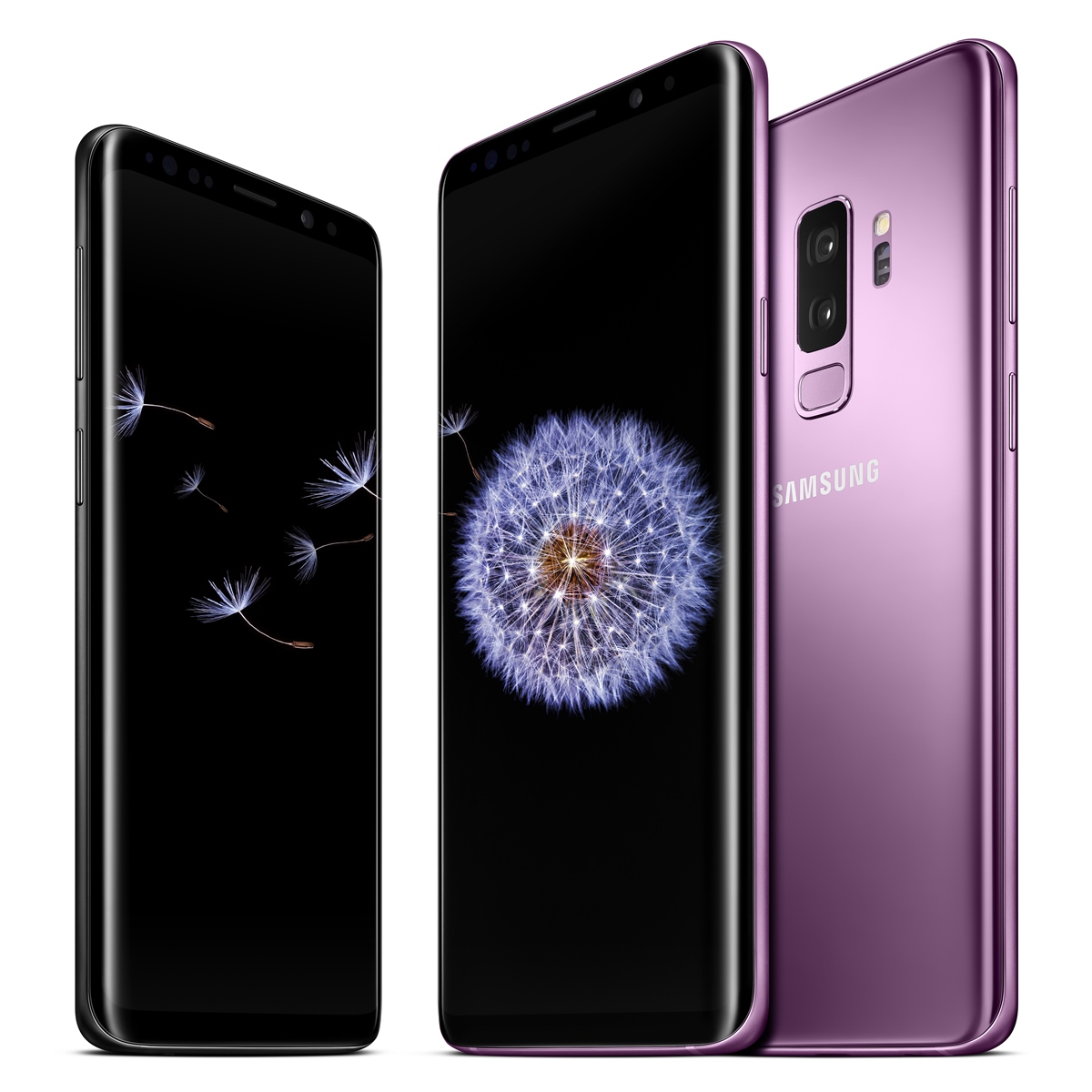
However, what does Apple need to defend itself against? Samsung, Apple’s multiyear rival, released its Galaxy S6 later than Apple did the iPhone 6. It has not sold well enough to challenge the iPhone 6’s dominate position. Samsung has lost its momentum in the smartphone sector. A new version of the Galaxy must be a year away, based on typical upgrade cycles.
ALSO READ: Why Investors and Analysts See AT&T as the Best Carrier Again
Apple management has made a calculated risk, which is that the demand for the iPhone will go on at the levels it posted last quarter. But only if it keeps an aggressive upgrade cycle, they believe. By the end of the year, or early next, the market will tell if Apple acted too quickly while consumers barely have learned how to use their new iPhone 6 models.






 Top Gaining Stocks
 Top Losing Stocks