


The federal minimum wage gets a boost to $7.25 an hour today, a move that may hurt the low-wage earners the Obama administration is trying to help.
The result may help send us back 30 years to the era of stagflation.
The logic in raising the minimum wage is that it will help the people who need it most to keep up with the rising cost of basic life necessities. Prices are rising, and appear likely to go higher, even in a stagnant economy.
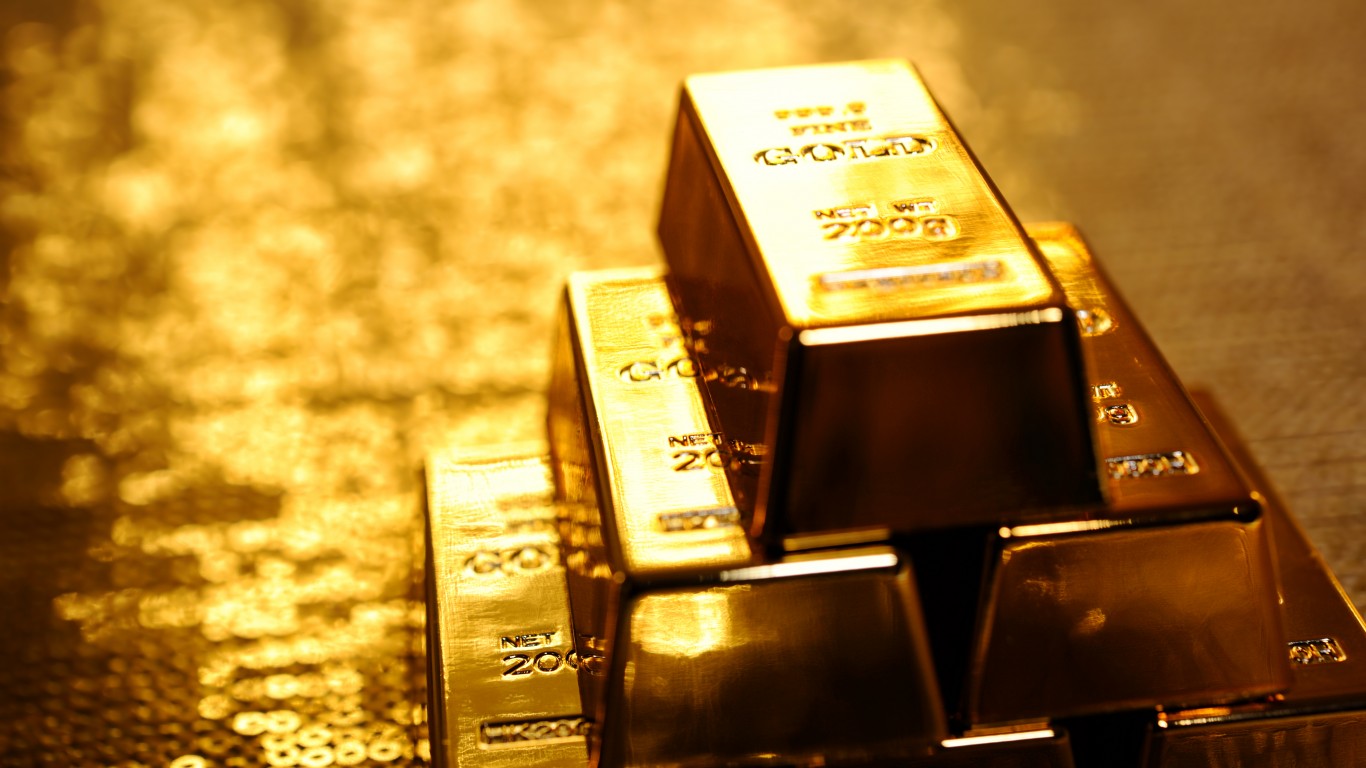
Government stats such as the Chicago Fed’s National Activity Index say inflation is tame, for now. But where is it headed? The biggest reason to believe inflation will take hold is the high demand for gold, measured in both spot prices and TV informercials for your unwanted jewelery. It shows that the market is pricing in inflation expectations. Over the decades, rising gold prices presage weaker dollars, and rising prices for most everything.
Rising commodities quoted in dollars, meanwhile, suggests some inflation is already here. The CRB Spot Index, which measures the price of butter, sugar, steel, and 20 other basic necessities excluding oil and gold, is up 22 percent from the March trough. And the index is poised for a potential technical breakout any day that could send prices much higher.
No wonder people at the low-end of the economic food chain want higher wages.
There is reason to think a rise in the minimum wage could provide some near-term economic stimulus. A study last year by the Federal Reserve Bank of Chicago confirmed that a minimum wage boost provided more economic benefit than a tax cut. The reason is elementary: Low wage-earners live paycheck to paycheck. Provide them with extra dollars, and they are very likely to spend them immediately.
It all comes at a price down the road, though. Raising the minimum wage is by definition inflationary. It adds to the cost of most anything with a basic labor component; the price of thousands of consumer goods made in the U.S., the price of eating out at a low-priced restaurant, and the prices at most every struggling U.S. retailer that counts on low-wage earners to turn the lights on and run the checkout stands.
It’s the lowest wage-earners that can least afford long-term inflation.
The other big price of a higher minimum wage is the toll on small business owners, which are usually first to start hiring again in an economic upswing. If anything, forcing them to pay higher wages could lead to more layoffs — or at minimum, they will do less hiring than they would otherwise. Forcing higher wages on employers does nothing but increase the likelihood of economist predictions of double-digit unemployment later this year.
Put it all together, and the minimum wage hike provides a bit of near-term economic pickup in exchange for the likelihood of higher costs for most everything, and a further hit to the already weak jobs market.
The word for that back in the day was stagflation.
Mike Tarsala








 Top Gaining Stocks
 Top Losing Stocks