


According to the report:
Global natural disaster losses during the first half of 2013 on both an economic and insured basis were each below the recent 10-year (2003-2012) averages. Economic losses were USD85 billion (down 15% from the 10-year average of USD100 billion) and insured losses were USD20 billion (down 20% from the 10-year average of USD25 billion). The flood peril was the costliest disaster type during 1H 2013, comprising 42% of the economic loss and 43% of the insured loss with significant events in Europe, Asia, Canada, and Australia.
The first-half percentage of global economic losses in 2013 that were covered by insurance was roughly 24%, which is slightly below the longer term 10-year average of 28%. The larger disparity between the economic and insured loss is indicative of multiple significant catastrophe events occurring in areas where insurance penetration or specific peril coverage remains low.
Roughly 50% of the insured losses during 1H 2013 were sustained in the United States, which represents a decrease from the 83% seen in 1H 2012. During 1H 2011, U.S. only represented 35% of the insured loss as major events in Asia-Pacific (such as the Japan EQ, New Zealand EQ, Australia Floods) comprised 64%
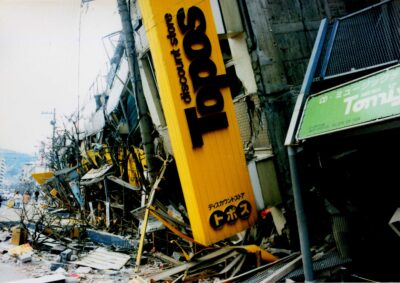
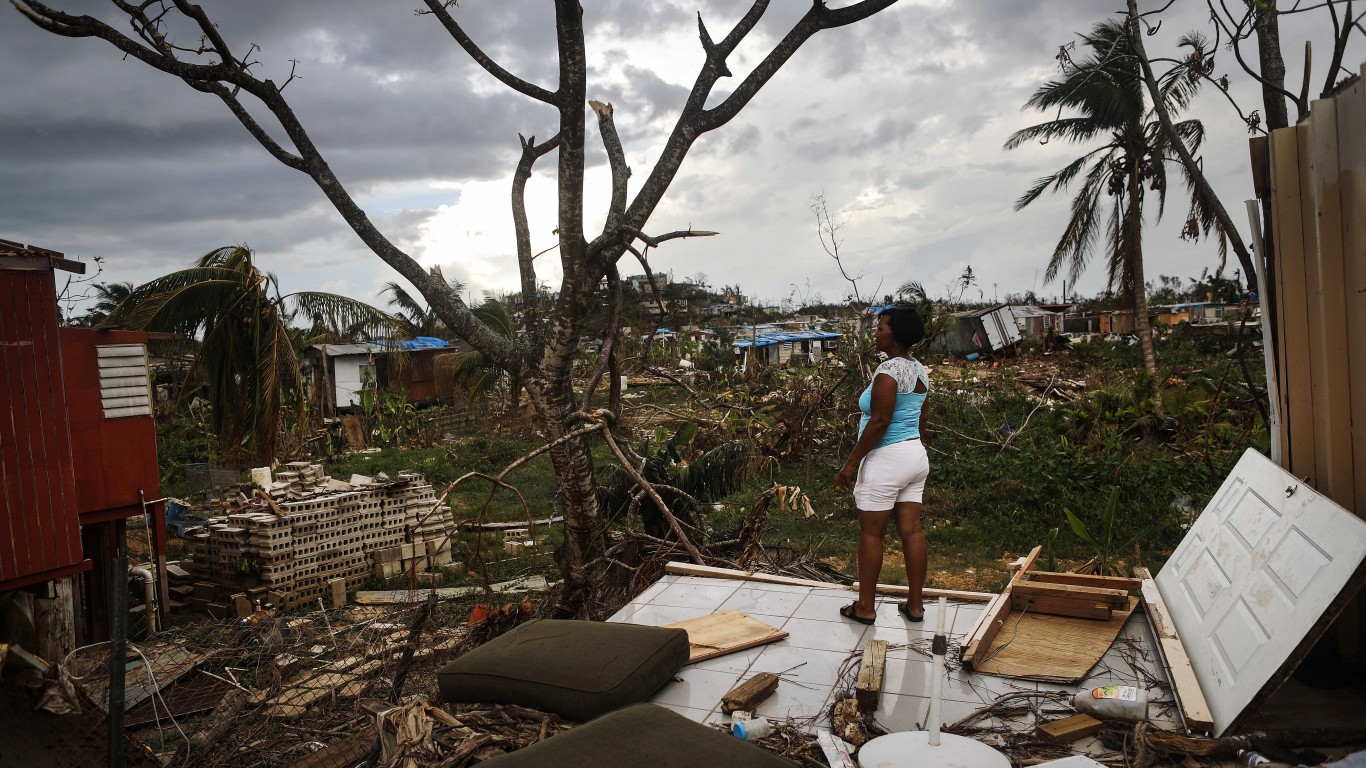
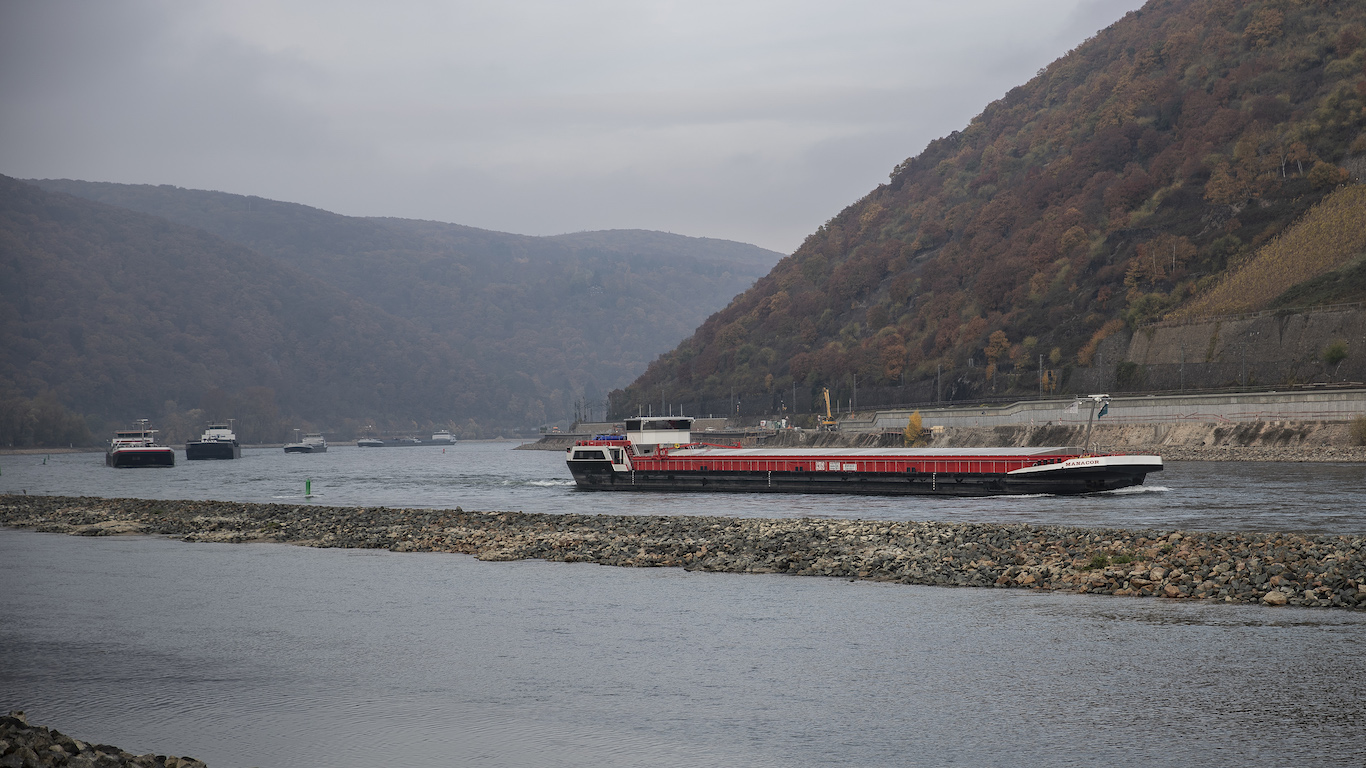
The pain got passed out differently from region to region. In Central Europe, the cause was flooding. In the U.S., tornadoes. And in China, earthquakes.
One conclusion from the report is inescapable. Over the years that it covers, from 2003 to 2013, in the first half of each the massive majority of insured losses have been in the United States. It pays to be insured, it seems. Alternatively, except for the insurance companies.











 Top Gaining Stocks
 Top Losing Stocks