


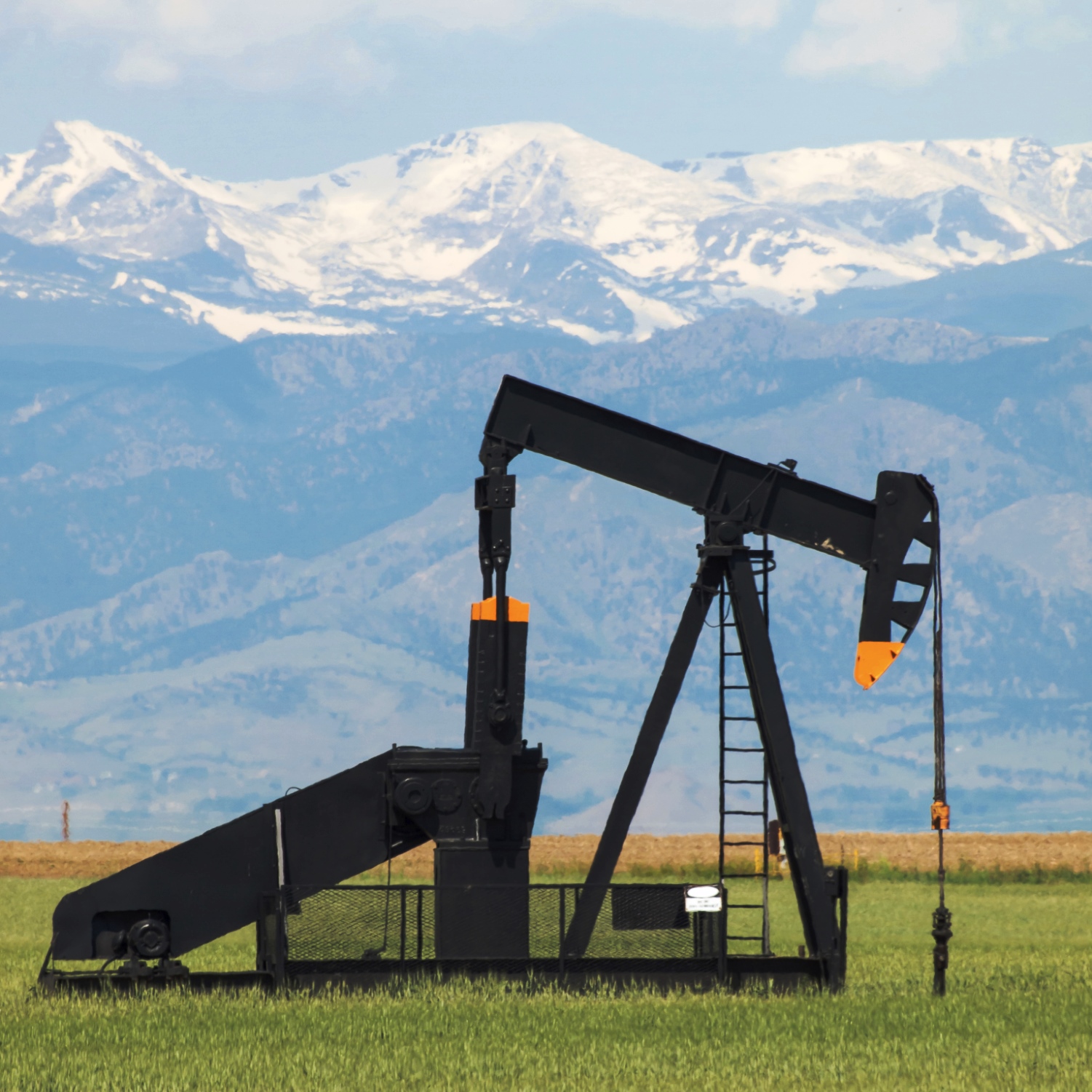
Until about 2008 or so, discussion about the future price of crude oil was directed by the concept of peak oil. That is, when does the world reach peak production, after which the price of crude will skyrocket. In less than a decade, the discussion is now focused on the concept of “peak demand,” the point at which global demand for crude begins to decline.
The recent Oil & Money conference in London sharpened the focus on peak demand. Saudi Arabia’s minister of energy and industry, Khalid Al-Falih, told conference attendees that cutbacks in capital spending on exploration, forced on the industry by low prices for the past two years, could mean that shortfalls in supply are coming.
Exxon Mobil Corp. (NYSE: XOM) CEO Rex Tillerson disagreed:
I don’t necessarily have the view that we are setting ourselves up for some big collapse in supply within the next three, four, five years.
[nativounit]
Both sides have adherents. The International Energy Agency (IEA) notes that investment in new production dropped by 25% in 2015 and a further 24% this year. Further cuts next year would be unprecedented and surely have a greater negative impact on supply.
The World Energy Council (WEC), however, sees the situation playing out more along Tillerson’s line. The WEC said in its 2016 World Energy Scenarios that primary energy demand growth will slow down and per capita energy demand will peak before 2030. Now that’s total demand from all sources, not just oil, but the report goes on to note that demand for coal and oil could “take the world from ‘Stranded Assets’ to ‘Stranded Resources.'”
The WEC’s scenario depends, of course, on finding an alternative to crude oil as a transportation fuel. In two of its three scenarios, demand for oil peaks in 2030: “Despite growing demand for transport fuels, new technologies and competition from alternatives drive diversification and lead demand to slow beyond 2030.”
The implications for big oil companies like Exxon are not in big-ticket, long lead-time projects in ultra-deepwater and harsh environments. The current cycle, according to a Bloomberg report of Tillerson’s comments, has “confirmed the viability of a very large [shale] resource base in North America” that can “serve as enormous spare capacity” to meet future demand.
There are two implications of this. First, prices are very unlikely to reach $100 a barrel again. Second, North American shale has displaced Saudi oil as the “swing producer” and has virtually broken any remaining vestige of power that OPEC holds over global oil markets. An OPEC production cut of half a million barrels a day may raise crude prices to $55 a barrel, but the impact of the cut is probably limited to that or just modestly more.
[wallst_email_signup]





 Top Gaining Stocks
 Top Losing Stocks