



[cnxvideo id=”625445″ placement=”ros”]Clean energy companies support more than 3 million jobs in the United States, according to the recently released second annual U.S. Energy and Employment Report from the U.S. Department of Energy. That is equal to the employment in retail stores across the country, and twice as many jobs as involved in construction of buildings.
Kateri Callahan, president of the Alliance to Save Energy, said:
People often don’t realize that energy efficiency is such a huge jobs creator. It supports about three times as many jobs as the mining industry and unlike that sector it is growing and creating good-paying jobs
According to Lisa Jacobson, President of the Business Council for Sustainable Energy:
The contributions of clean energy jobs to the country’s economy are significant and expanding. The trend lines are clear: energy efficiency, natural gas and renewable energy are creating well-paying jobs and benefitting American consumers, American businesses and American manufacturers. And that adds up to one conclusion: clean energy wins for America.
[nativounit]
The report broke out those 3 million jobs as follows:
- Nearly 2.2 million workers making buildings, appliances and other products more energy efficient, saving money for families and businesses.
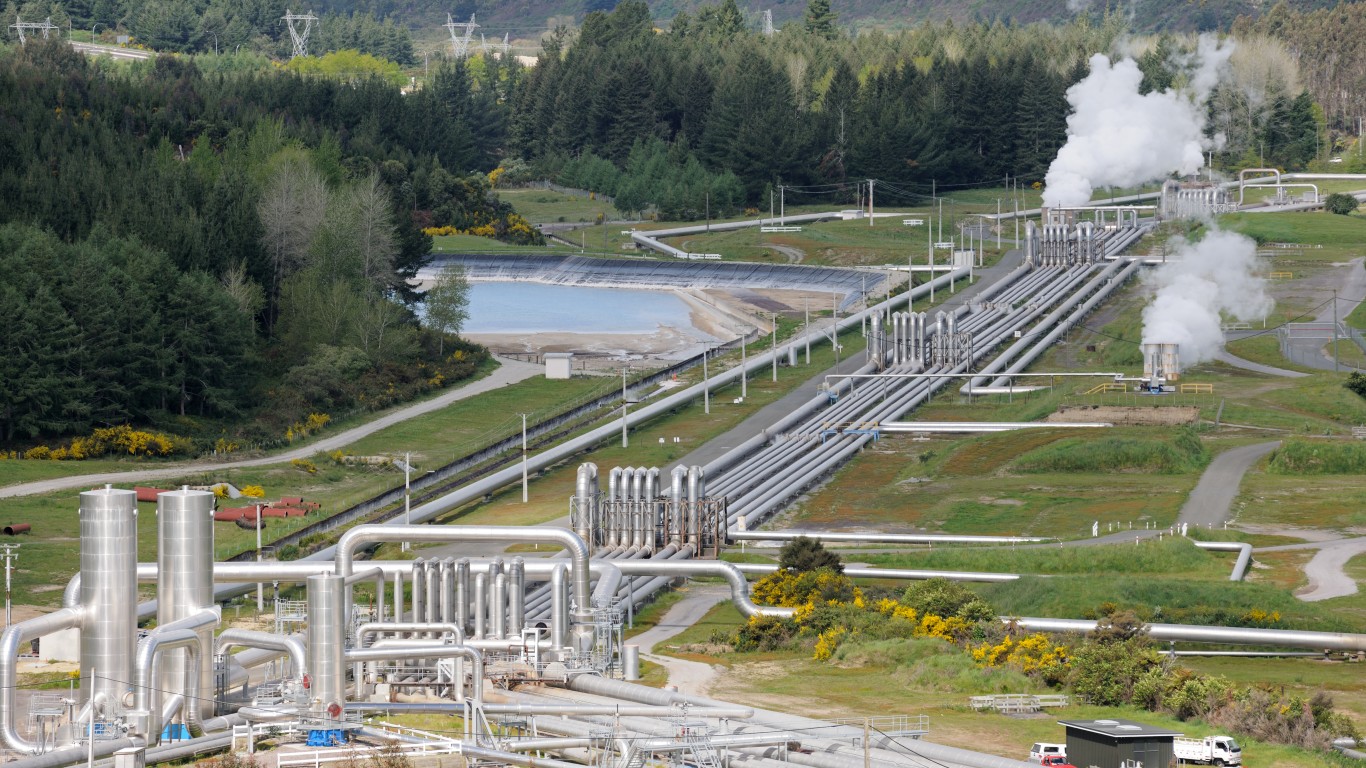
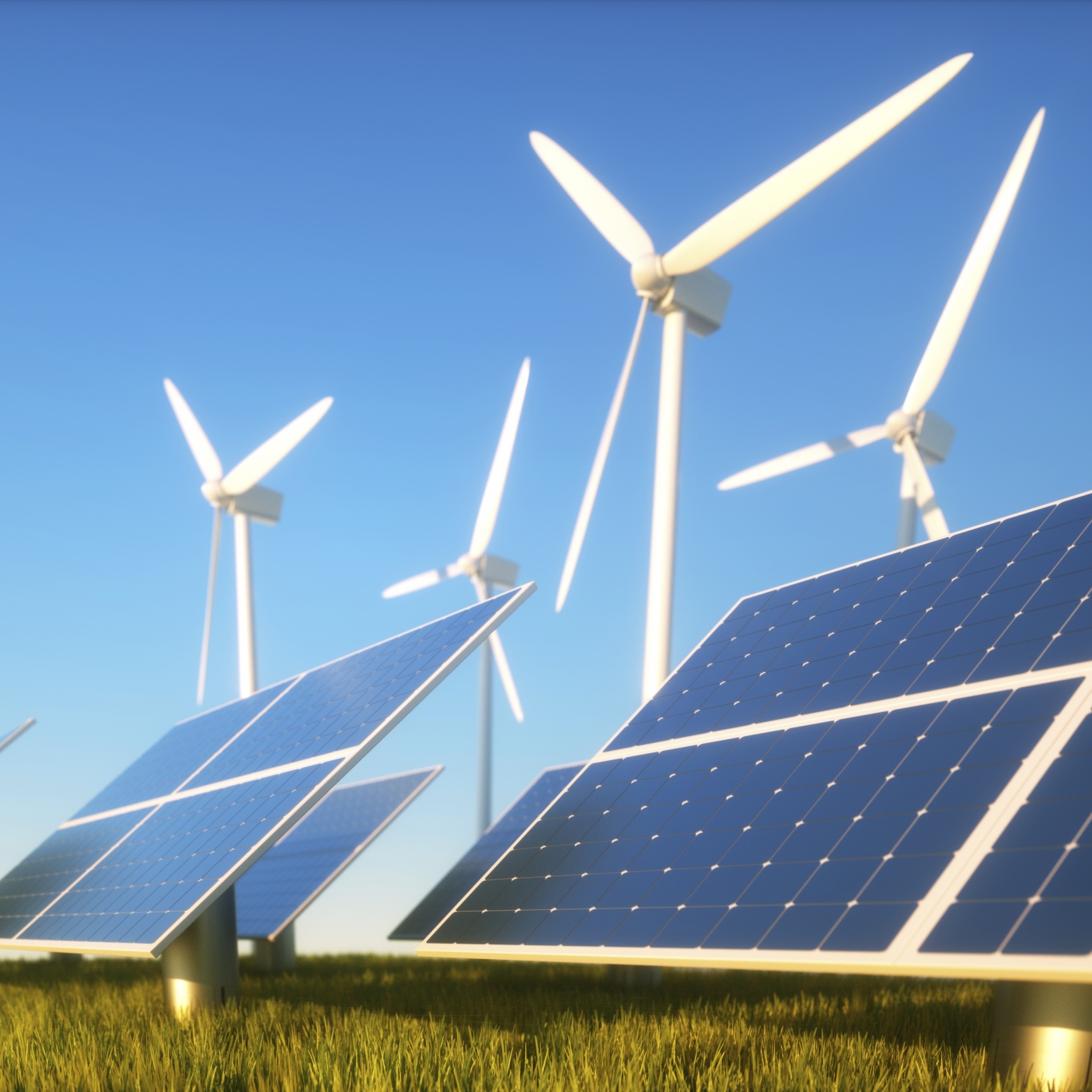
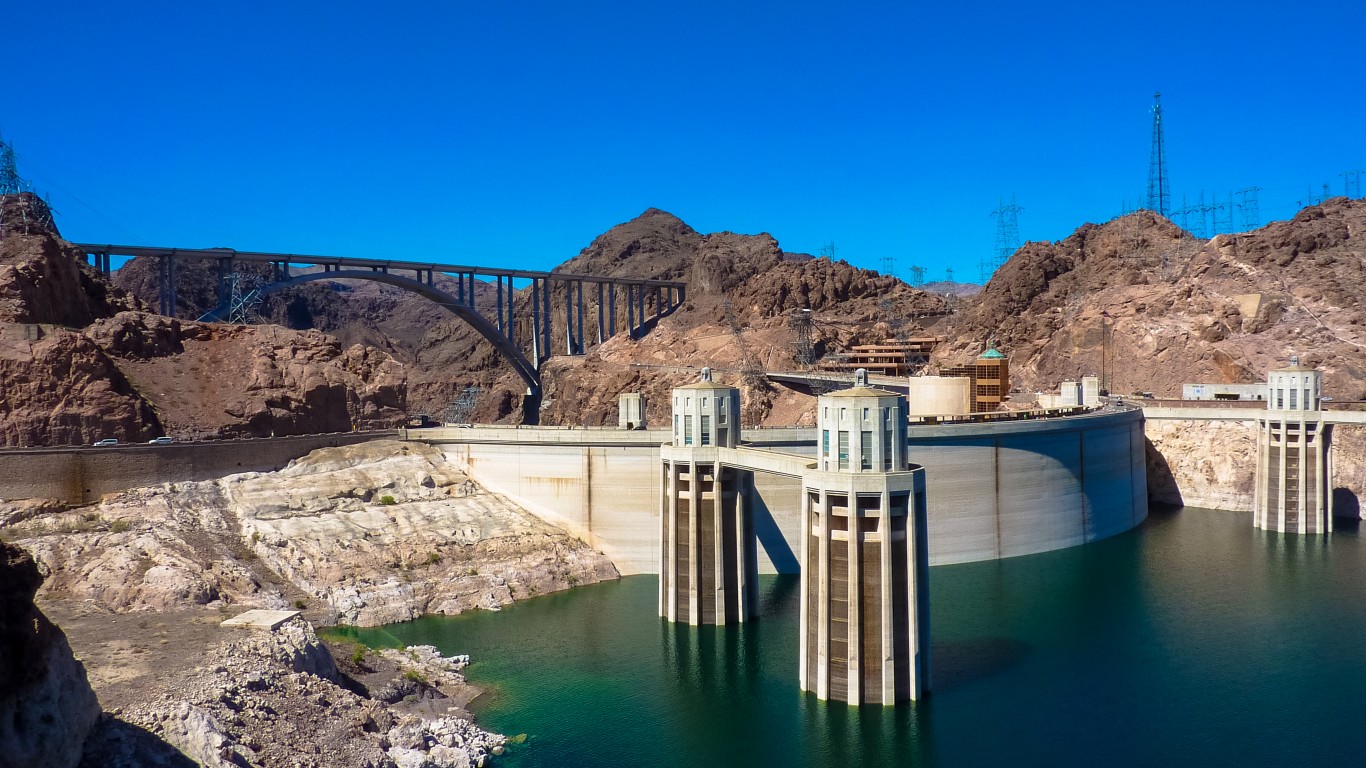
- More than 600,000 workers involved with clean power generation, including biomass, biogas, fuel cells, geothermal, hydropower, nuclear, natural gas, solar, waste-to-energy, and wind.
- 100,000 workers in advanced grid technologies, including energy storage, and another 100,000 workers in biofuels.
- In addition, advanced transportation, including hybrid, electric, and fuel cell vehicles, support 200,000 more jobs.
This comes at a time when the new administration and the current Congress are seen as less friendly to clean energy than in the past. Also a Bloomberg New Energy Finance report shows that the total dollars of new investments into clean energy fell a whopping 18% to $287.5 billion in 2016. While the prior year was a record of $348.5 billion, note that the most recent figure is also 9% lower than the $315 billion invested into clean energy in 2014. The report suggests that the 2016 setback in global investment was partly due to sharp price declines seen in equipment prices, as well as that clean energy spending was lower in China and Japan, which reportedly have cut back on building large-scale projects.
Morgan Stanley recently took a cautious stance on clean energy, citing “heightened uncertainty” for the industry in the year ahead. And short sellers have been betting against the industry too, as short interest in solar and other alternative energy stocks has risen so far this year.
Should the clean energy industries in the United States wither due to headwinds from falling prices and the political climate, up to 3 million jobs lost certainly have an impact on the economy.
[wallst_email_signup]










 Top Gaining Stocks
 Top Losing Stocks