


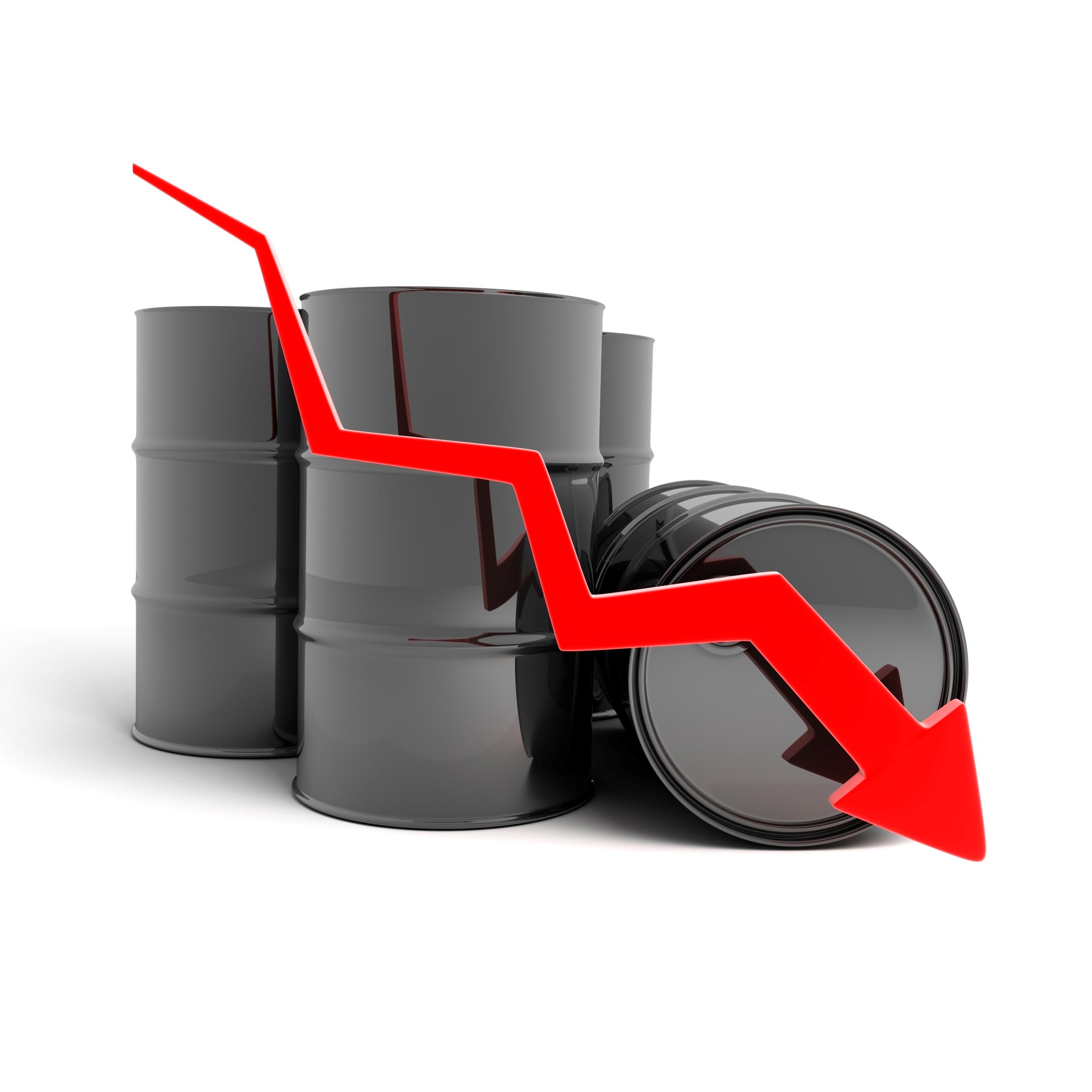
It was only four months ago that several prominent analysts said oil would drop as low as $20 a barrel. The recent run-up in prices had turned them into fools. However, the absence of a decision to freeze oil production at a meeting of some of the world’s largest oil-producing nations has scuttled the most promising chance to push crude prices higher.
A fight between Saudi Arabia and Iran has been blamed for the lack of a deal to freeze prices. This may open the flood gates of oil production as nations decide whether to follow Saudi Arabia and Iran. If several large oil exporters do, probably as a means to keep their global market share, supply may begin to overwhelm demand as it did early in 2016.
Other elements should press oil prices back toward their 52-week low just below $30, and then below that. The growth of China’s gross domestic product slowed to 1.1% in the fourth quarter, compared to the same quarter in 2014, on a seasonally adjusted basis. Worldwide expectations for GDP growth were cut to 3.2% by the International Monetary Fund recently, down from its 3.4% forecast in January. Economic activity in the advanced economies and China were at the core of the revision.
[recirclink id=326420]
According to a Bloomberg report in early January:
Oil could drop below $20 a barrel as the search for a level that brings supply and demand back into balance makes prices even more volatile, Goldman Sachs Group Inc. predicted.
With capacity to store oil exhausted in some places, prices may need to drop low enough to halt crude output that can no longer be stockpiled, said Jeff Currie, Goldman’s head of commodities research.
There is little evidence that this “stockpiling” has ended, which means a shadow supply of crude may still reach the market over the next several months, as it is released into the market.
The primary case for crude to rise back toward $50 has been that oil-producing nations have had their economic growth gutted by falling oil prices, and that many would move prices up to salvage the primary engine for GDP improvement. That theory relied on the belief that all parties would act in their own short-term best interests. The Saudi showdown with Iran proved that is not the case.












 Top Gaining Stocks
 Top Losing Stocks