


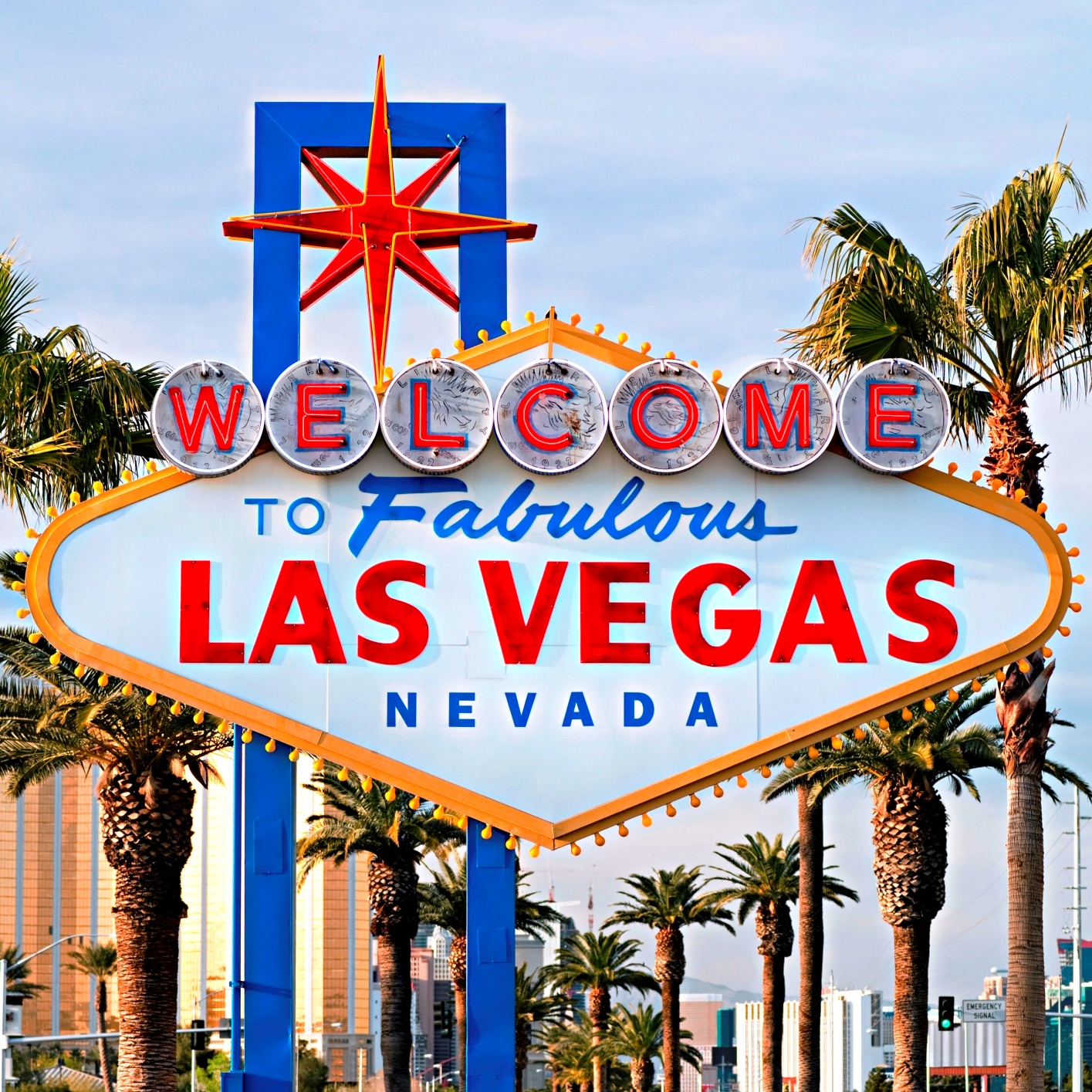
The housing market in Las Vegas was ruined when the housing bubble burst. The same can be said of Detroit. Based on new research, the two cities are now at opposite ends among metro areas based on home flipping activity, with Detroit in last place at 1.1% in the third quarter of last year and Las Vegas in first at 10.4%.
In a new study, real estate research firm Trulia explains how the system works and what it means to housing markets:
House flipping is a unique housing market metric for two reasons. First, it is a speculative undertaking where investors are betting on turning a profit, and has historically occurred at high rates just before a market peaks. Second, flipping usually entails removing a home from a particular price point in the market and moving it to a higher price point through improvement. That movement creates competition for homebuyers who may be looking to build sweat-equity on their own. But flipping activity also provides improvements to the housing stock for buyers who don’t have time or cash to improve a home themselves.
After Las Vegas, several Florida cities make the list of the top 10 for the third quarter of 2015. Once again, these are among those most badly damaged in the housing market collapse. The number in Daytona Beach was 7.3%, in Cape Coral 6.6% and in Tampa 6.6%. Rounding out the top 10 are 7.6% in Fresno, Baltimore at 6.8%, Phoenix at 6.7%, Washington at 6.6%, Los Angeles at 6.6% and Richmond at 6.5%.
[nativounit]
At the other end of the spectrum, after Detroit, are Louisville at 2.4%, Wilmington at 2.8%, Toledo at 2.8%, Pittsburgh at 2.8%, Newark at 2.9%, New York at 3%, Honolulu at 3%, Allentown at 3.2% and San Francisco at 3.3%. Notably, several of these cities are part of the old rust belt.
Flipping may be a sign of trouble in the housing market:
In conclusion, the U.S. housing market isn’t flipping out just yet, but there are signs that some areas are approaching their previous flipping points. While this isn’t of concern in places where flipping activity is low relative to the national average, such as Birmingham there are signs that markets such as Las Vegas may soon reach an historical high level of flipping.
Home prices in some markets are close to their 2006 peaks. Flipping just adds to the anxiety about another bubble.






 Top Gaining Stocks
 Top Losing Stocks