


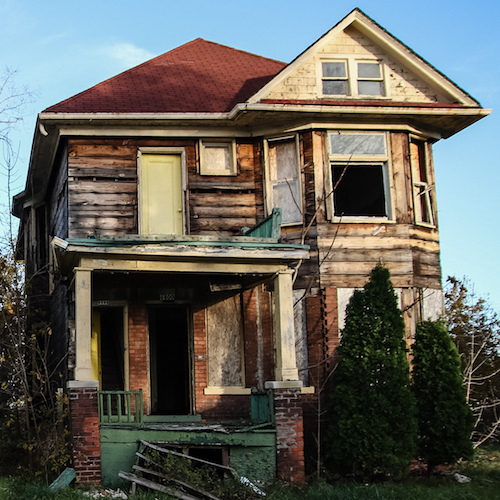
The organization Detroit Future City recently published an analysis of the Detroit’s recovery. The report is entitled “139 Square Miles”. The authors were less optimistic in their assessment of Detroit’s recovery than many local politicians, local residents, and businesses have been
At the conclusion of the report, supported financially by the John S. and James L. Knight Foundation, its authors stated:
Over the past five years there are demonstrable improvements, not only downtown, but in neighborhoods across the city − the return of public services, the installation of 65,000 streetlights, the removal of nearly 12,000 blighted structures, a decrease in the number of vacant housing units, and a decrease in crime. However, it is also clear that there is a long way to go in the city’s revitalization. The decline of Detroit is one that has been well-documented, and occurred over 60 years. It will take some time to reverse a trend that is more than a half century long, but the data prove that Detroit is on its way.
The streetlights are often given as proof of an improvement in the quality of life in Detroit. However, the repairs were made years ago, and can only be counted as the most modest of achievements, although it is an achievement which is still cited constantly. Those who support the recovery of Detroit need to come up with something more impressive.
The report points out that Detroit’s population has dropped by half since 1950, to 672,795. Although the city no longer bleeds people, the drop is both unprecedented in U.S. history and has left a broad range of permanent damage which ranges from an eroded tax base to the fact that there are large parts of the city in which there are essentially no longer residents.
A third of households in Detroit make under $15,000. The poverty rate in Detroit is 40%, and 57% of children live in poverty. The infant mortality rate in Detroit is 14 per 1,000 compared to 9 per 1,000 in the U.S. In Detroit, 18% of residents have diabetes, compared to 9% nationally. Detroit has an HIV infection rate of 800 per 100,000. The national rate is 360.
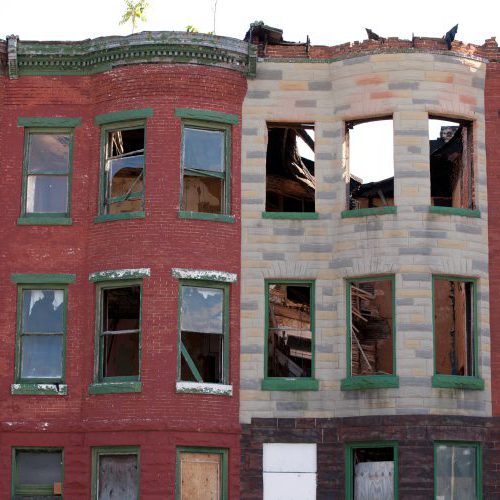
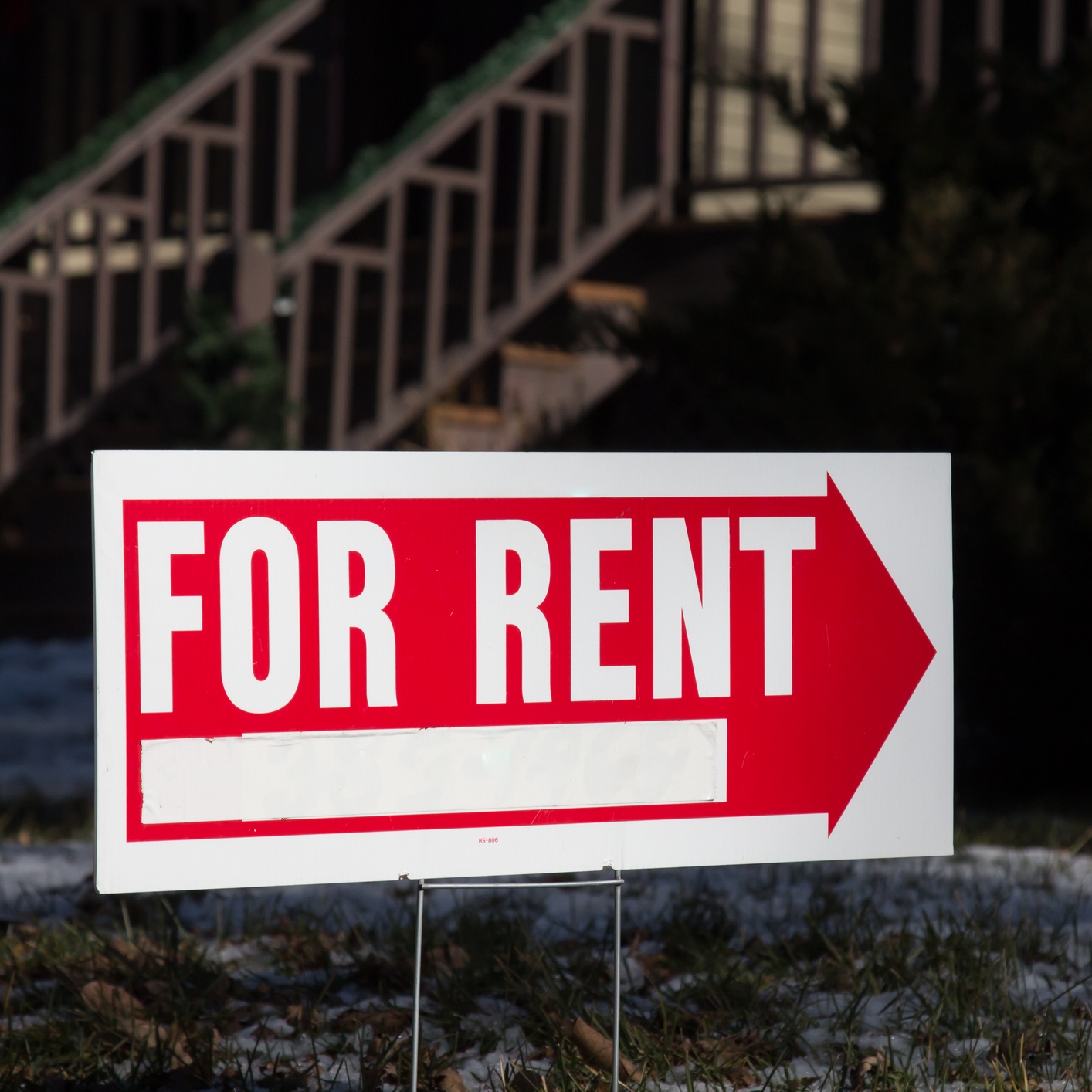
Detroit’s housing vacancy rate is a staggering 30% which represents 109,788 homes. Many people in Detroit can barely afford their rents. The report points out:
Detroiters face serious issues with the affordability of housing. Fifty-eight percent of renters are cost-burdened, spending more than 30% of their income on housing. Thirty-seven percent of renters spend more than 50% of their income on housing
Even in a city with a relatively low cost of living, many people can barely afford to live.
Detroit’s turnaround is far off. Actually, there are so many challenges, that for it to turn into a viable city may be impossible.









 Top Gaining Stocks
 Top Losing Stocks