


 Electric utility Exelon (NYSE:EXC) this morning revised guidance for 2008 to a range of $4.15 – $4.30 per share from $4.00 – $4.40 per share. That’s measured on non-GAAP operating earnings; on GAAP earnings, the company adjusted its guidance from $3.70-$4.10/share to $3.90-$4.30/share. The press release cited mark-to-market adjustments in hedging, asset impairments, and costs associated with rate and litigation settlements. Analysts had been predicting GAAP earnings of $4.36/share. The company also announced a share buyback program that will total $1.5 billion over the next six months. This might just be only the tip of the iceberg in nuclear power during an election year.
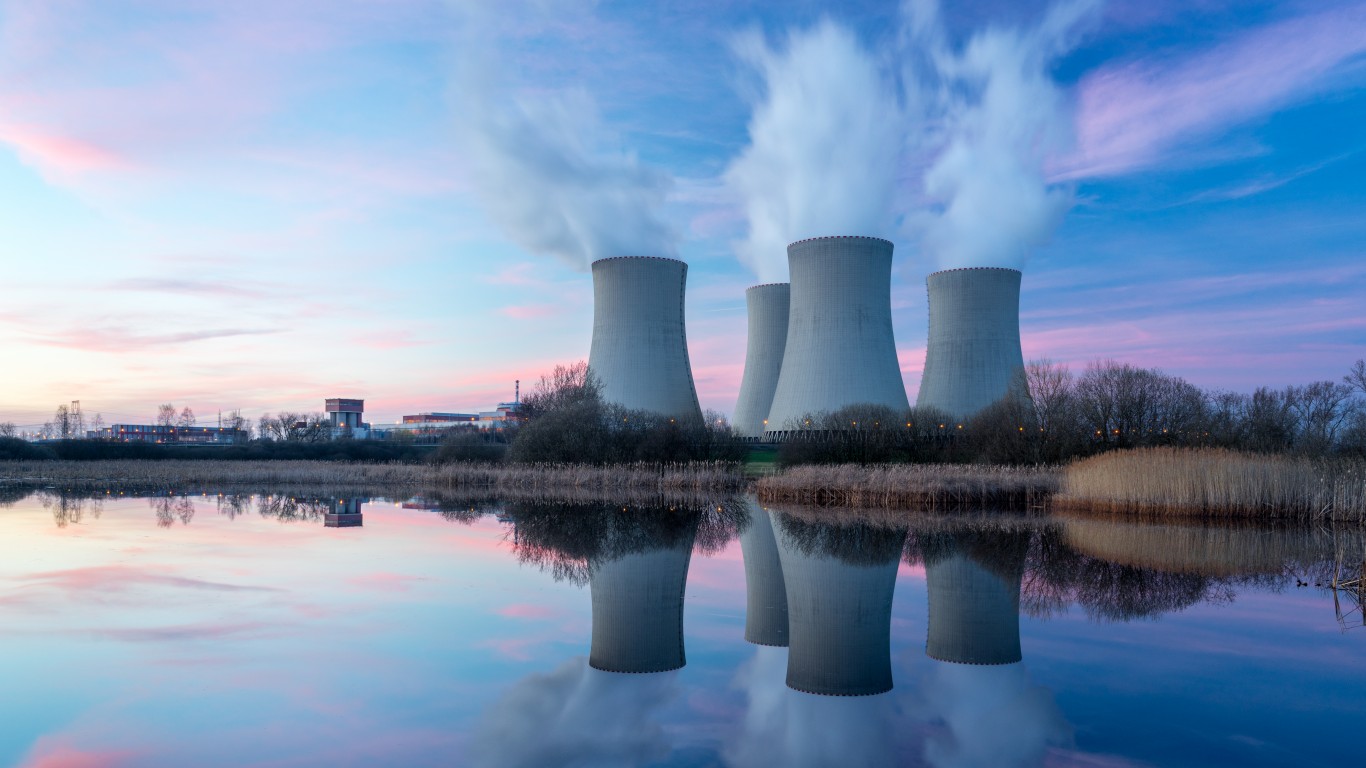
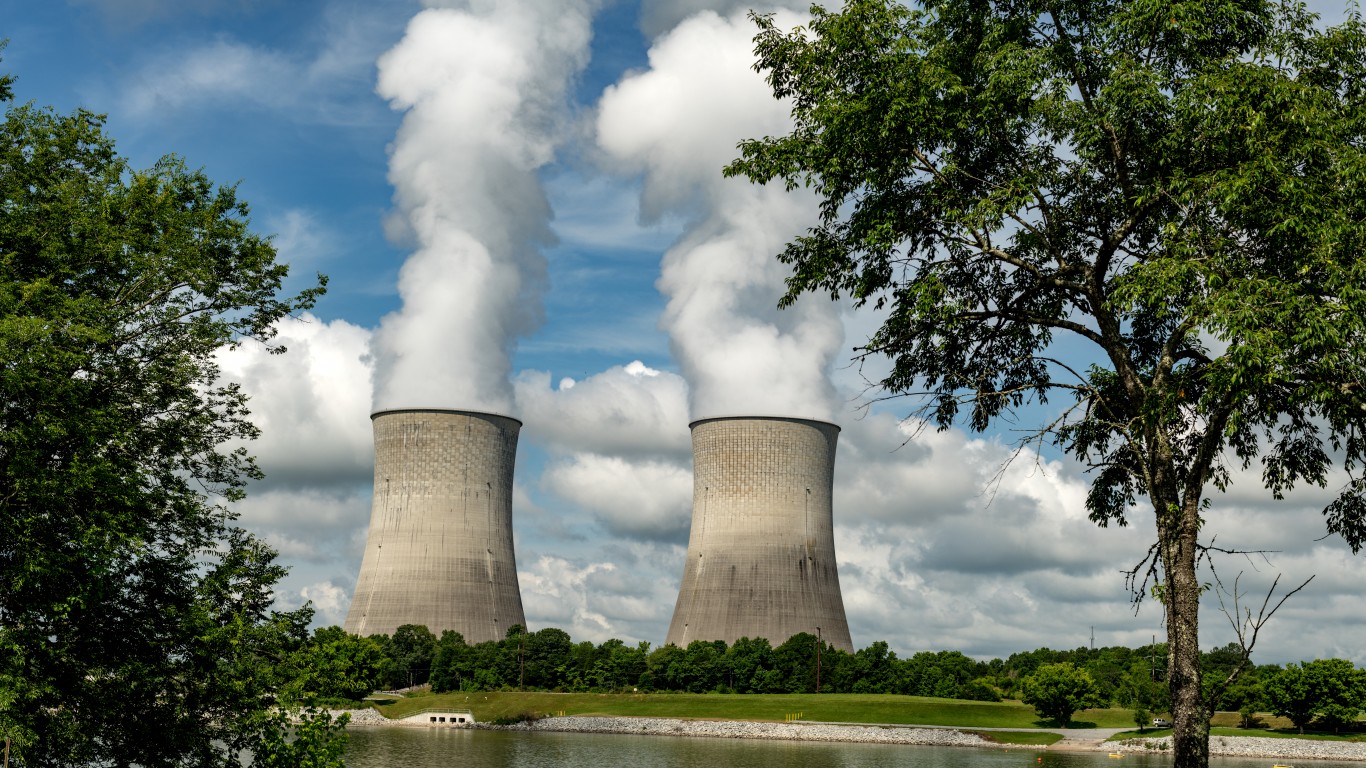
Exelon is joining nine other companies that have filed applications with the NRC to build 29 new reactors in the US. NRG Energy (NYSE:NRG), Dominion (NYSE:D), Duke Energy (NYSE:DUK), Progress Energy (NYSE:PGN), and Ameren Energy (NYSE:AEE) among others have also filed construction and operating license applications with the NRC.
Yesterday, Exelon announced that it had submitted its application tothe US Nuclear Regulatory Commission to build a two-unit nuclear powerplant in Victoria County, Texas, about 130 miles southwest of Houston.The two reactors could produce up to 3,000 MW of electricity, enough tosupply 1.85 million houses annually. The company anticipates that theNRC review will take 3-4 years, and doesn’t expect a decision until2012.
This is a deeply political issue regarding energy policies from bothsides of the aisle in Washington as McCain is pro-nuclear and Obama iscurrently against any new nuclear energy facilities. No new nuclearenergy plants have been built in the US in more than 30 years. The newround of activity follows on the Energy Policy Act of 2005, whichoffered loan guarantees to help construct new plants and a tax break topay for decommissioning of older plants.
The nuclear power industry touts the CO2-free generation ofelectricity, the industry’s safety record, and job creation. But theprimary arguments favoring new nuclear generation are scale and speed.There is simply no other form of non-fossil-fuel generation that cansupply the growing demand for electricity in the same time frame.Nuclear power also supplies base-load, whereas wind and solar areusually considered intermittent sources because the sun is not alwaysshining nor is the wind always blowing.
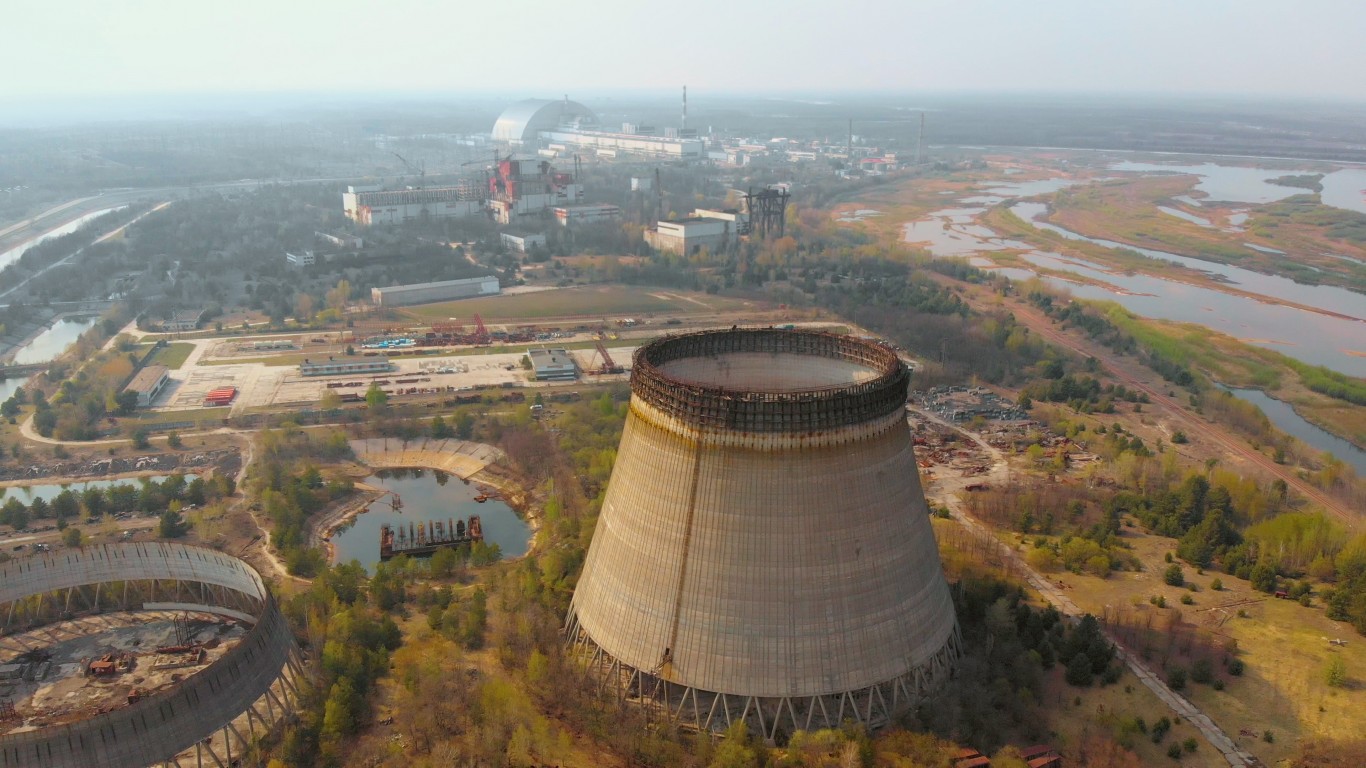
Critics of new nuclear generation have some powerful arguments as well.First, of course, is Chernobyl, and second is Three-Mile Island. Theseare real concerns, but the industry has always derided them, pointingout that Chernobyl was badly designed and poorly built, and that theshut-down at TMI was not a failure but a success. Those answers arelittle comfort to the general public, which equates nuclear power withHiroshima and Nagasaki. Other criticisms include the carbon footprintattributable to the construction of new plants, availability ofuranium, water usage, and waste disposal.
These are all valid issues, and together with the safety issues, willrequire a political solution. As the applications work their waythrough NRC reviews, public discussion and scrutiny will increase. Itis difficult to envision new electricity capacity without nuclearpower, especially over the next 20-30 years. What remains to be seen iswhether politicians and industry leaders are able to reach someagreements. This will remain a political topic of the highest order,so stay tuned.
Paul Ausick
September 4, 2008







 Top Gaining Stocks
 Top Losing Stocks