


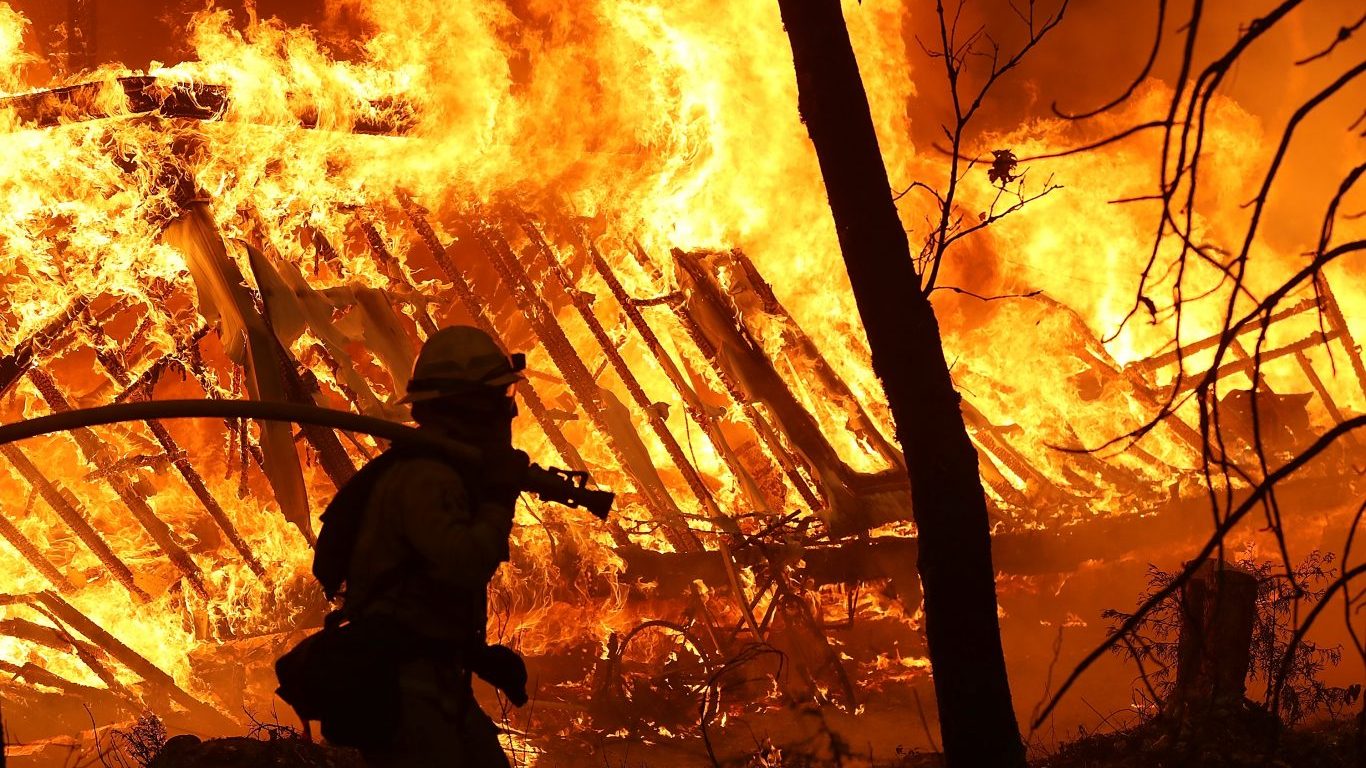
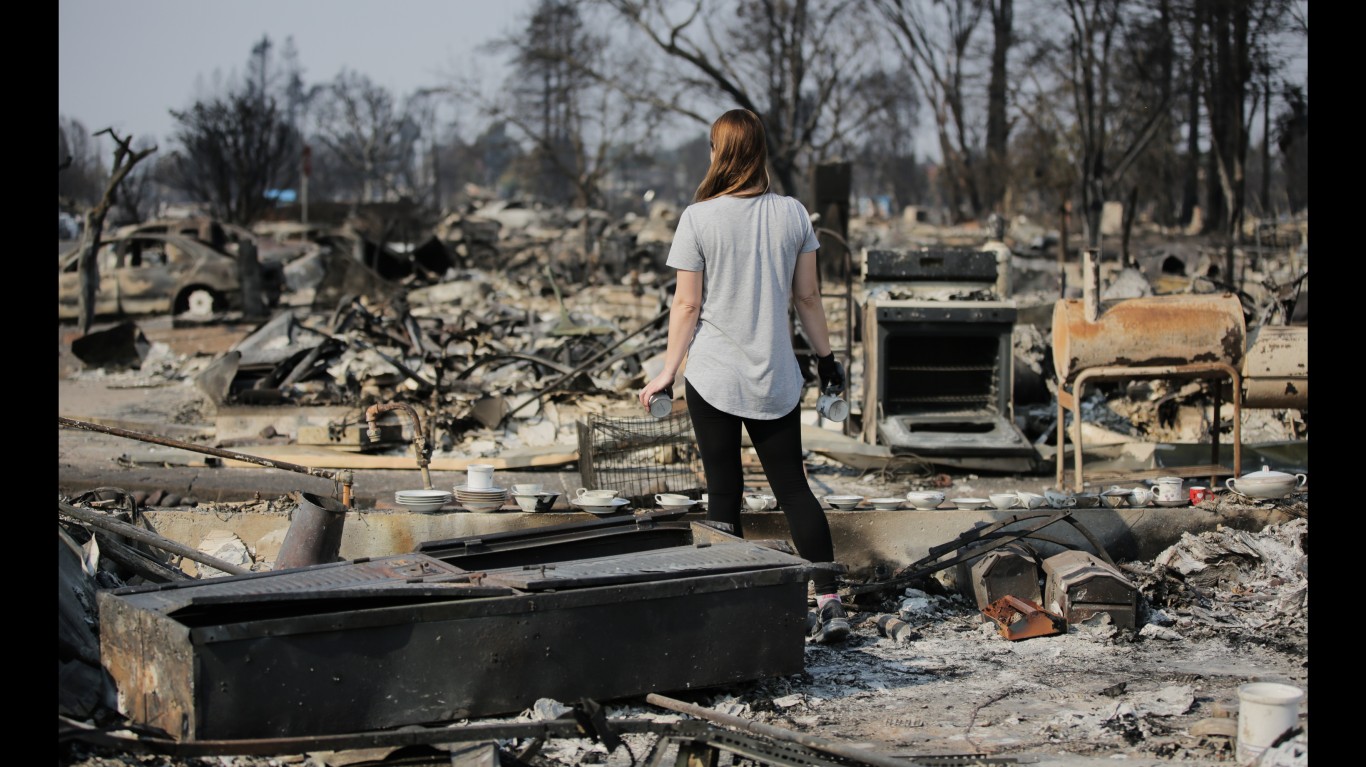
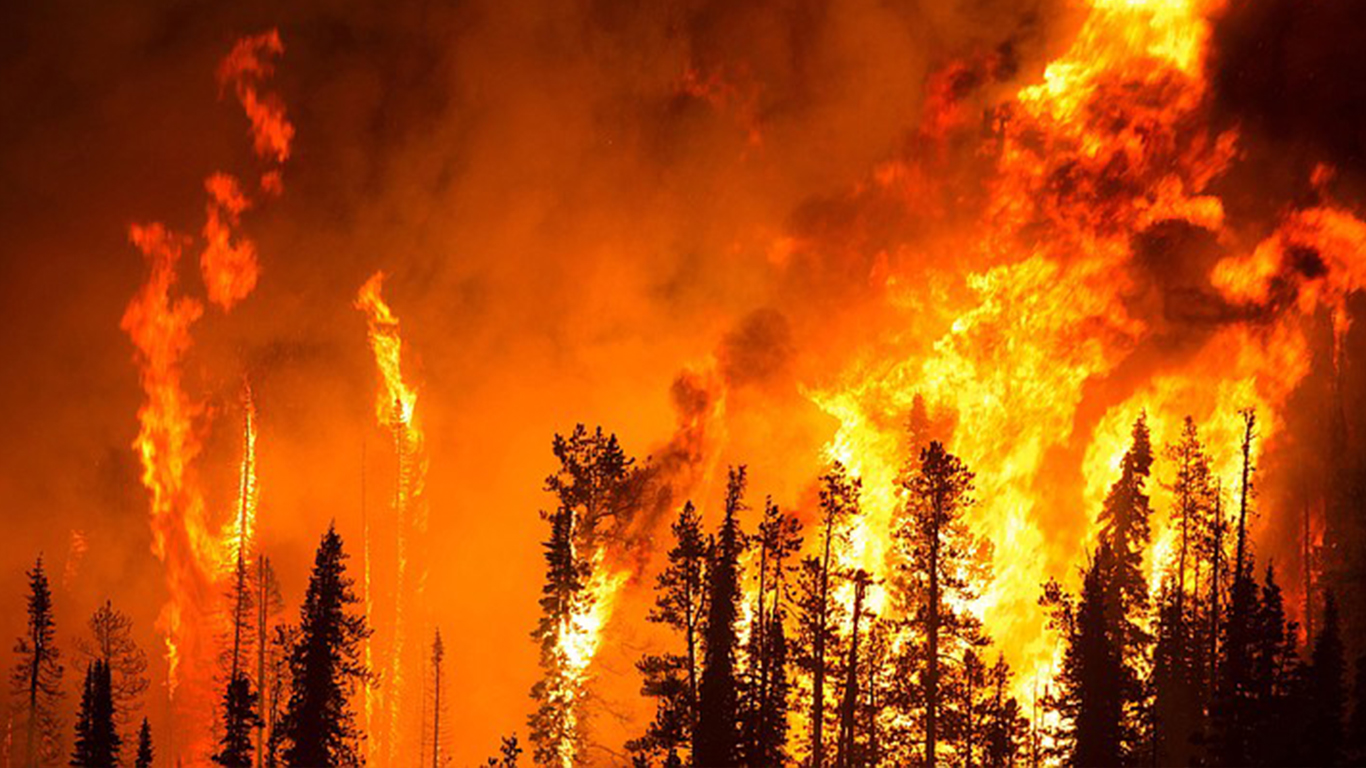
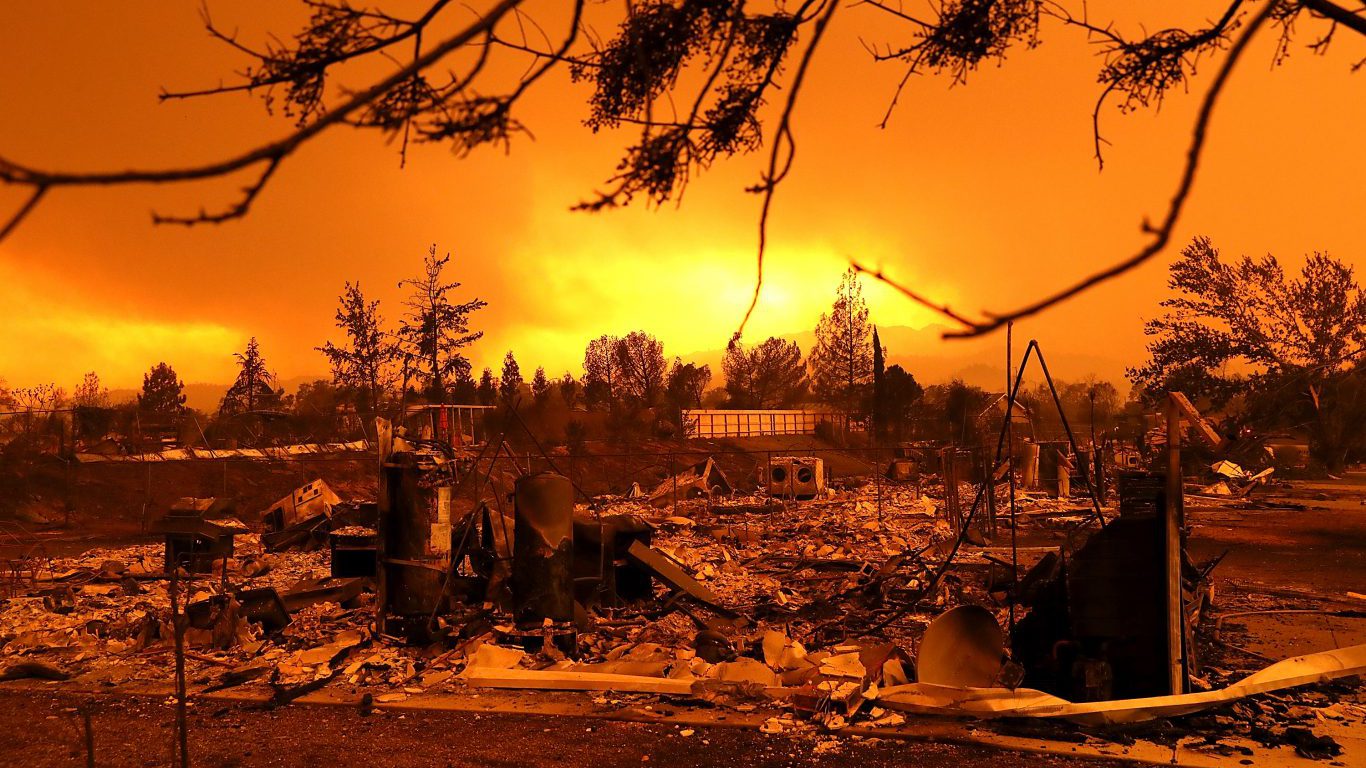
Until last November’s Camp Fire roared through northern California, the most destructive fire in the state’s history was the Tubbs Fire of 2017 that killed 22 people in California wine country and caused an estimated $7.5 billion in damage. On Thursday, the state’s fire investigator’s report cleared PG&E Corp. (NYSE: PCG | PCG Price Prediction) of responsibility for the Tubbs Fire, and PG&E’s stock price jumped 76%.
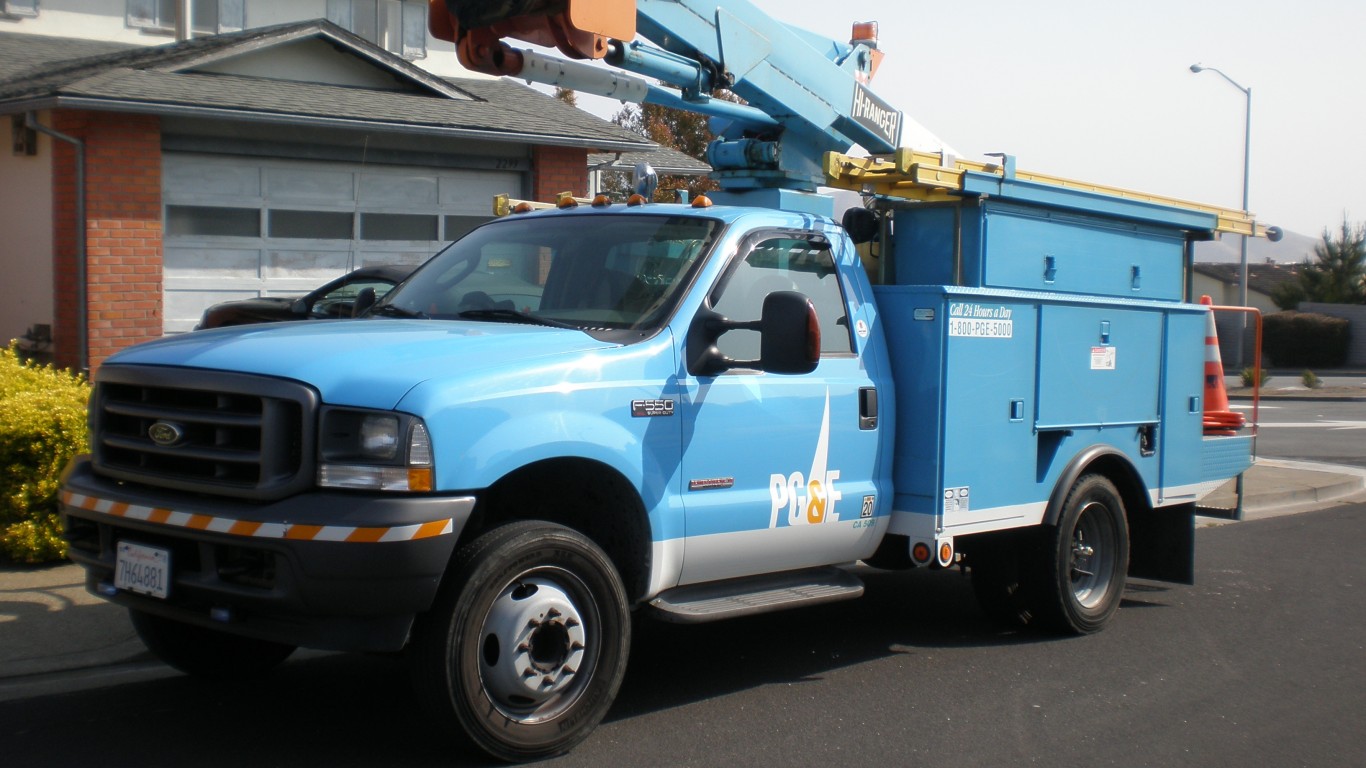
That relieves the natural gas and electricity provider of about a quarter of its own $30 billion estimate (at the low end) liability for wildfires that hit its northern California customers in 2017 and 2018. Will that be enough to forestall the company’s bankruptcy filing planned for next week? Probably not.
New Governor Gavin Newsom has estimated that yesterday’s report could save PG&E some $17 billion and, according to Bloomberg News, said a bankruptcy filing is up to the company, not the state. In other words, Newson is not about to step in and save the company the way former governor Gray Davis did in 2001 with a bailout package that led to his recall and the election of Arnold Schwarzenegger.
Asset management firm and PG&E shareholder Blue Mountain Capital last week sent a letter to the company demanding that it drop its plan for bankruptcy claiming that the company has “ample liquidity” to continue operating without wiping out shareholders. Blue Mountain questioned PG&E’s implied claim of insolvency and the board’s determination that a bankruptcy filing is “in the best interest of all stakeholders.”
[nativounit]
PG&E is solvent according to Blue Mountain, and the board’s duty is to “act in the best interests of the Company and its shareholders, and not in the best interests of all “stakeholders.” A Chapter 11 filing, according to Blue Mountain, “will destroy value for the Company and in particular its shareholders–the only groups to which you owe a duty.”
Environmental activist Erin Brockovich agreed and told CNBC on Wednesday that PG&E should not be able to use bankruptcy “to get out of their responsibilities.”
PG&E is unlikely to change its mind about the bankruptcy filing. In a statement following the investigator’s report Thursday, the utility said that “resolving the legal liabilities and financial challenges stemming from the 2017 and 2018 wildfires will be enormously complex and will require us to address multiple stakeholder interests, including thousands of wildfire victims and others who have already made claims and likely thousands of others we expect to make claims.”
In addition to the massive costs, PG&E faces operational liability claims that could cost the company even more. On Thursday, the federal judge overseeing the company’s probation period for its criminal convictions related to a natural gas pipeline explosion in 2010 was told by the company that his order for vegetation management to help prevent downed power lines would cost the PG&E some $75 billion to $150 billion. A bankruptcy could get the company out from under such an order by forming a new company and leaving the liability behind for the old PG&E to settle with few assets of any value.
Or not. General Motors tried to shed its liability for faulty ignition switches in its 2009 bankruptcy filing but ultimately had to take its medicine and accept liability for the defective devices. From PG&E’s point of view, though, it’s definitely worth a try.
In early trading Friday morning, PG&E stock was down almost 12% at $12.29, after closing at $13.95 last night. That’s well short of its near $48 per share price before the Camp Fire started.
[recirclink id=523333]
[wallst_email_signup]







 Top Gaining Stocks
 Top Losing Stocks