


Antitrust regulators will get a great deal of exercise this spring.
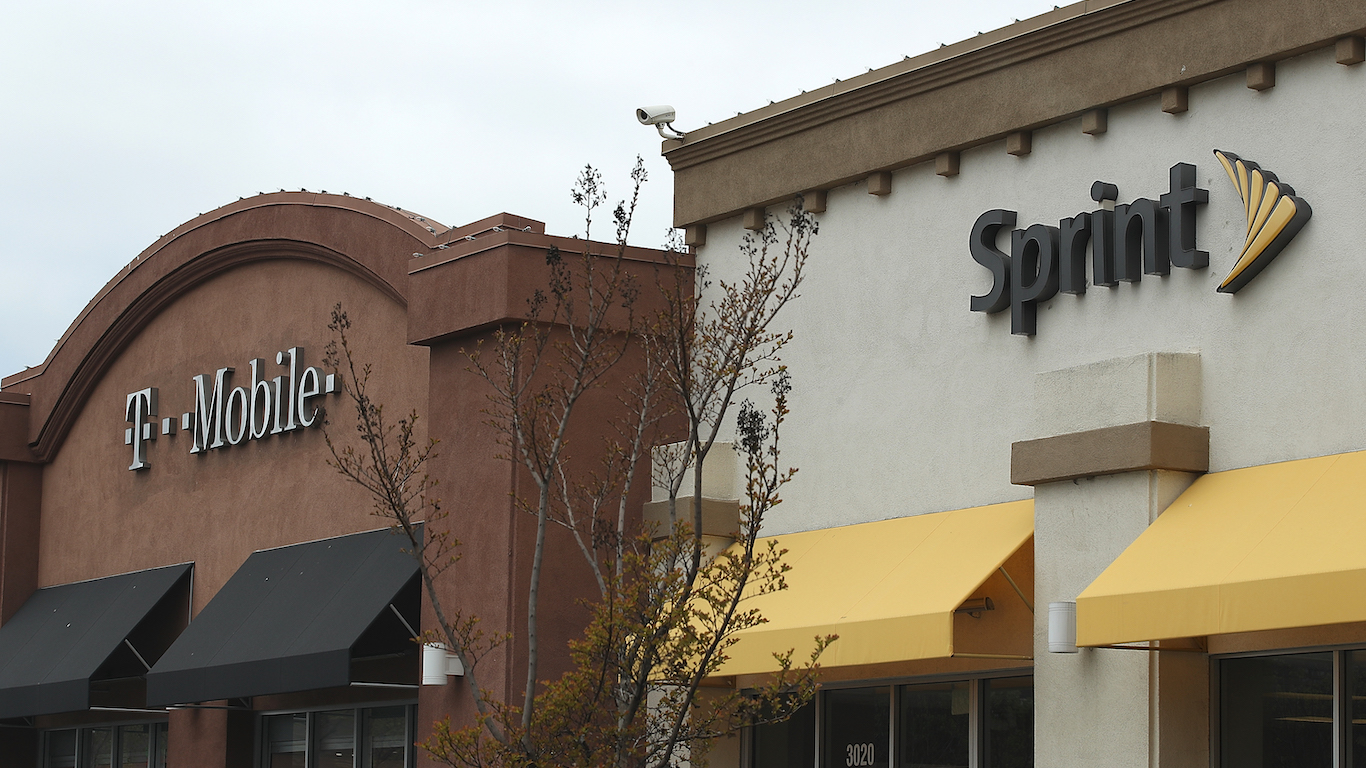
AT&T (NYSE: T) has announced it will buy T-Mobile from Deutsche Telekom. Sprint-Nextel (NYSE: S), the struggling wireless company, will object to the combination. So will a number of regulators. It is not fair, they will say, that one company should have such a large part of the U.S. wireless market.
There is a real chance that Nasdaq (NASDAQ: NDAQ) will bid for rival NYSE: Euronext (NYSE: NYX). That would create one large exchange where stocks listed in the US would trade. A number of deal experts say the merger would completely undermine the market competition for public company listings.
The elements of a new M&A boom are in place. Stock prices are high which makes shares ready capital for deals. Corporate cash balances are at record levels. Shareholders at companies which have large cash balances have agitated managements to put their surplus capital to use. Large corporations which do not have loads of cash can borrow it on the capital markets at extremely low rates.
US regulators recently allowed Comcast (NASDAQ: CMCSA) to purchase a controlling interest in NBCU. Objections to the deal were voiced by content companies that did not want to see one of their competitors in the hands of the largest cable firm in America. Federal regulators saw the situation otherwise. Comcast’s future actions may prove them wrong.
Hungry investment bankers are flocking back to the market as companies seek new ways to deploy their cash. They have had three lean years. Investment banks which have had proprietary trading curbed by Dodd-Frank need a new way to support earnings. The underwriting of debt and equity issues has not been enough to offset that.
The next rounds of consolidation are likely to be in industries dominated by one or two companies that need to add to their existing businesses. This would include the chip industry where Intel (NASDAQ: INTC) has been challenged by firms like ARM which have a strong presence in the mobile processor sector. Should Intel, which has had antitrust problems in the past, be allowed to take a major share of a new market because it has the capital to do so? Smaller rivals will make the case that it does not.
The airline industry is still overcrowded. Delta, United, Northwest, and Continental are not four companies, but two. American (NYSE: AMR) has struggled because it has lost its dominance in the US market and does not have the cost advantages of a merger. The same is true to a lesser extent for Southwest (NYSE: LUV) and JetBlue (NASDAQ: JBLU). Neither has an overseas network which can be fed by its domestic traffic. Every company in the industry has to find ways to cut costs as crude prices rise.
The AT&T deal to buy T-Mobile will receive extensive scrutiny. Regulators will have a new chance to prove they are worthy of their government salaries. The abundance of cash and bankers will soon allow them to prove that case again and again.
Douglas A. McIntyre






 Top Gaining Stocks
 Top Losing Stocks