


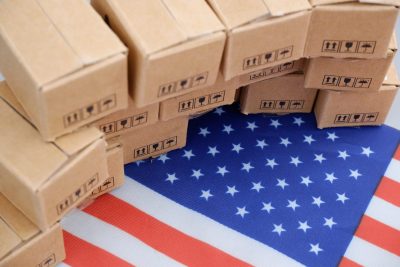
 While the debate rages over whether or not the U.S. should enact legislation aimed to curb currency manipulation — and specifically the Chinese peg to the U.S. dollar — the impact of such legislation has been made abundantly clear by the Chinese government. China has, in effect, said that the enactment of the currency manipulation bill now being debated in the U.S. Senate would lead to an all-out trade war between the U.S. and China, reminiscent of the trade wars following the Smoot-Hawley tariffs of the 1930s.
Which U.S. industries and companies stand to get hit the hardest in the event a trade war gets started? The U.S. Census Bureau provides data on the dollar amounts of U.S. imports from and exports to China that we have looked at to see where the impacts could be the largest.
According the Census Bureau data, in 2010 the U.S. imported goods from China worth about $365 billion, while exporting goods worth about $92 billion. If the U.S. were to implement tariffs on imports, the likeliest targets would be the goods with the largest dollar value. These imports include computer, semiconductors and telecom gear worth about $88 billion in 2010, clothing and other household goods worth an aggregate of about $71 billion, toys and similar items worth about $27 billion, televisions and other video equipment worth about $15 billion.
If all that sounds like the stuff you can buy at Wal-Mart Stores (NYSE: WMT) or Target (NYSE: TGT) or any number of other U.S. department stores, then be prepared to pay more for these items. Because comparatively little clothing or TVs or toys are manufactured in the U.S. any longer, an import duty on these items would hurt U.S. consumers without providing a lot of help to U.S. manufacturers. Hopes that a new manufacturing segment might spring up are not likely to be realized among large companies but smaller manufacturers could gain some benefit.
However, if China responds with import tariffs of its own, several major U.S. industries could get seriously hurt. Raw materials exports such as coal, copper, iron ore, lumber, and other metals are particularly vulnerable. So are agricultural products like soybeans, cotton, and corn. Industrial and agricultural machinery exports could also face penalties. Another substantial U.S. export is automobiles.
Coal miners like Peabody Energy (NYSE: BTU) and Arch Coal (NYSE: ACI) could get hit, as could copper miners Freeport-McMoran Copper & Gold (NYSE: FCX) and Rio Tinto (NYSE: RIO). Lumber companies Weyerhaeuser (NYSE: WY) and Plum Creek Timber (NYSE: PCL) could face higher duties on log exports.
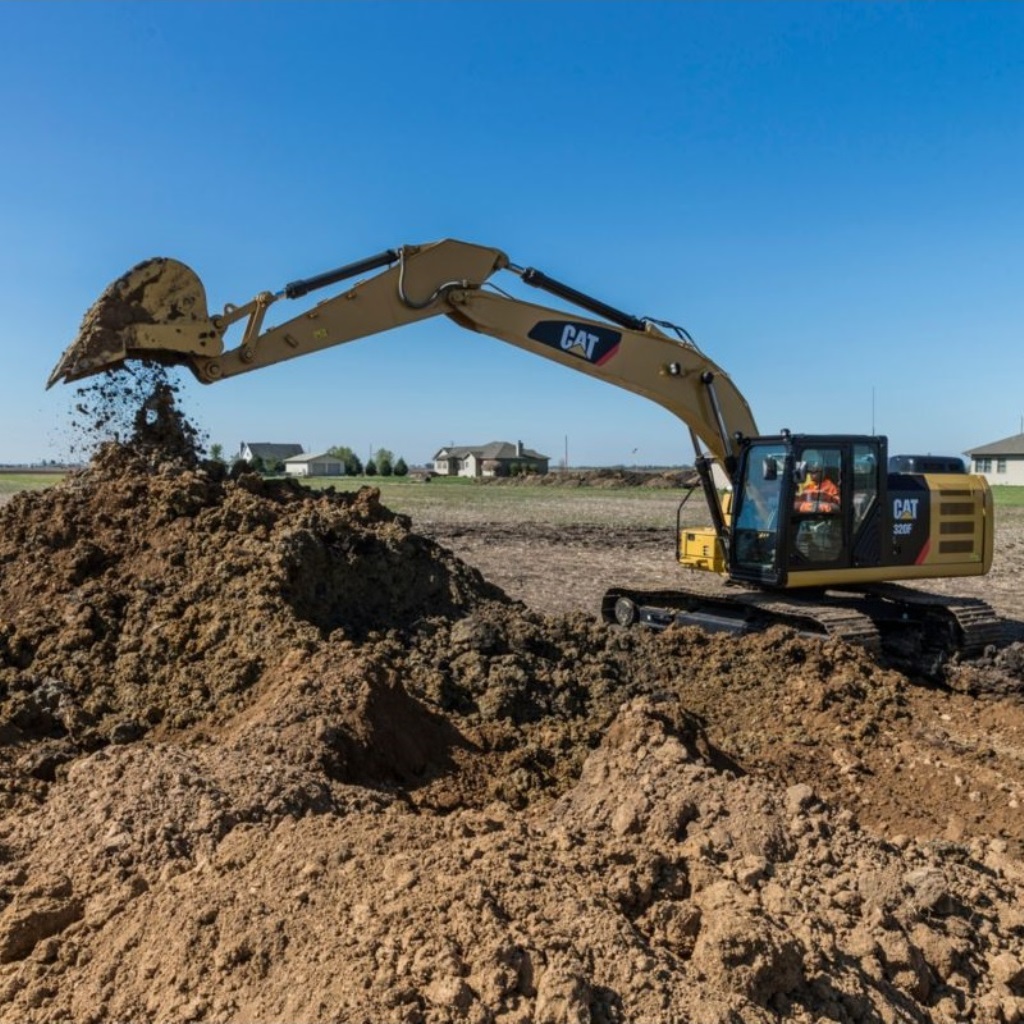
Agricultural products companies such as Archer Daniels Midland (NYSE: ADM) and Bunge (NYSE: BG) could be in China’s sights if duties are applied to food exports. Caterpillar (NYSE: CAT) and Deere & Co. (NYSE: DE) are likely to see prices for their equipment rise with a concomitant loss of sales to competitors from Japan and Korea.
General Motors (NYSE: GM) and Ford Motor (NYSE: F) both look to China as a growth opportunity. In 2010 U.S. car sales in China totaled more than $3 billion. Slapping a tariff on U.S. cars could really chill the hopes of the U.S. automakers. General Electric (NYSE: GE) could also face tariffs on industrial engines and parts, as well as aircraft parts and other equipment.
China has been fighting inflation for most of this year by restricting bank lending and raising interest rates. Absent a significant currency adjustment, this does little good for the global economy and not much long-term good for China’s domestic economy. If the yuan were allowed to float freely, it could appreciate by as much as 30%. That would quickly eliminate the inflation threat in China, bringing the cost of the country’s goods more into line with foreign costs, slowing the country’s exports, and giving other economies a chance to fill the gap and begin growing again.
But that outcome does not appear likely. Instead, China appears willing to fight the Senate legislation with a trade war. The war of words is likely to last well into next year, but the first real shot is already being primed.
Paul Ausick








 Top Gaining Stocks
 Top Losing Stocks