


By Gene Munster of Loup Ventures
- According to Bloomberg, of the 54 projects they have tracked since Tesla’s inception, Musk has been late on 21 (or 40%).
- These continual misses fuel an inaccurate narrative that the company can’t execute and may not survive.
- In our view, Musk misses expectations because he publicly sets the same targets for all four of the company’s stakeholders: customers, investors, employees, and suppliers.
- Most public companies have the luxury of sending different messages to each of their stakeholders.
- Our rule of thumb to translate Musk’s targets into reality is to add 3-9 months.
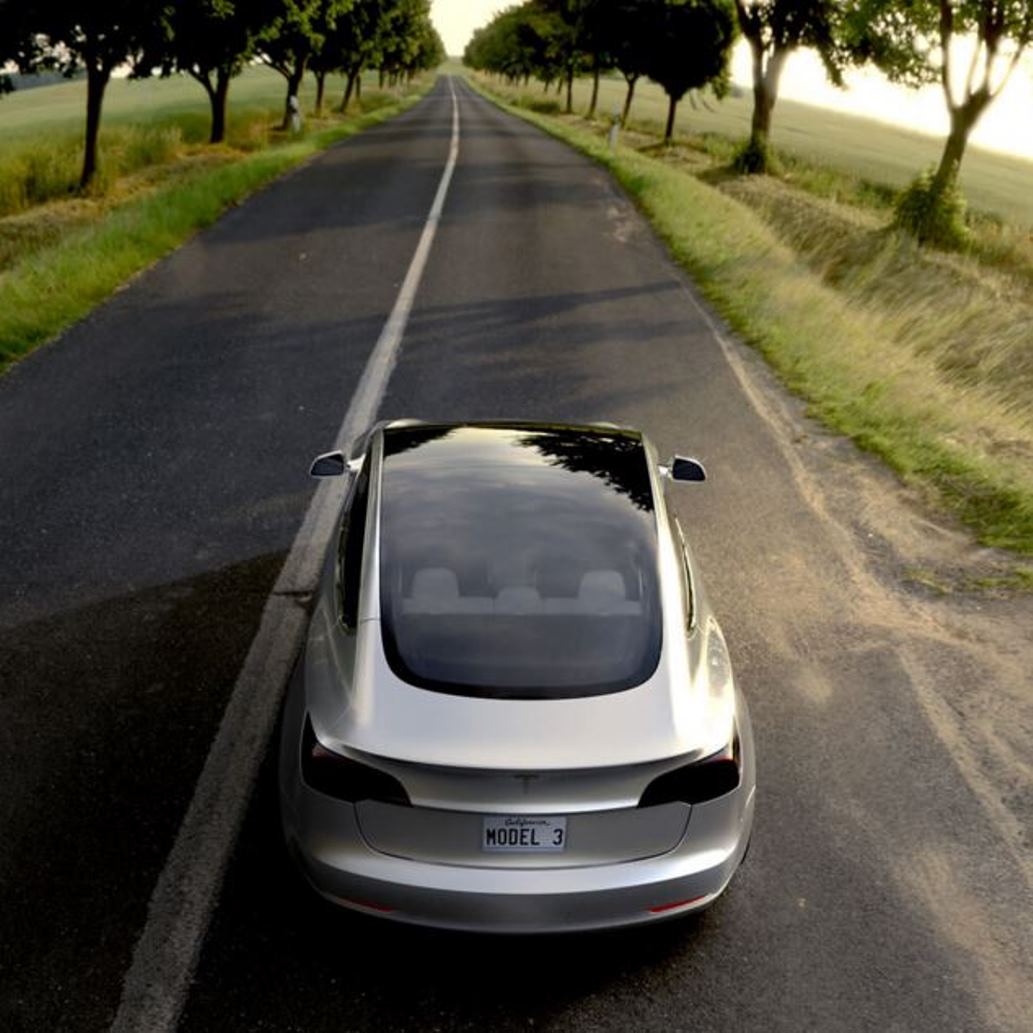
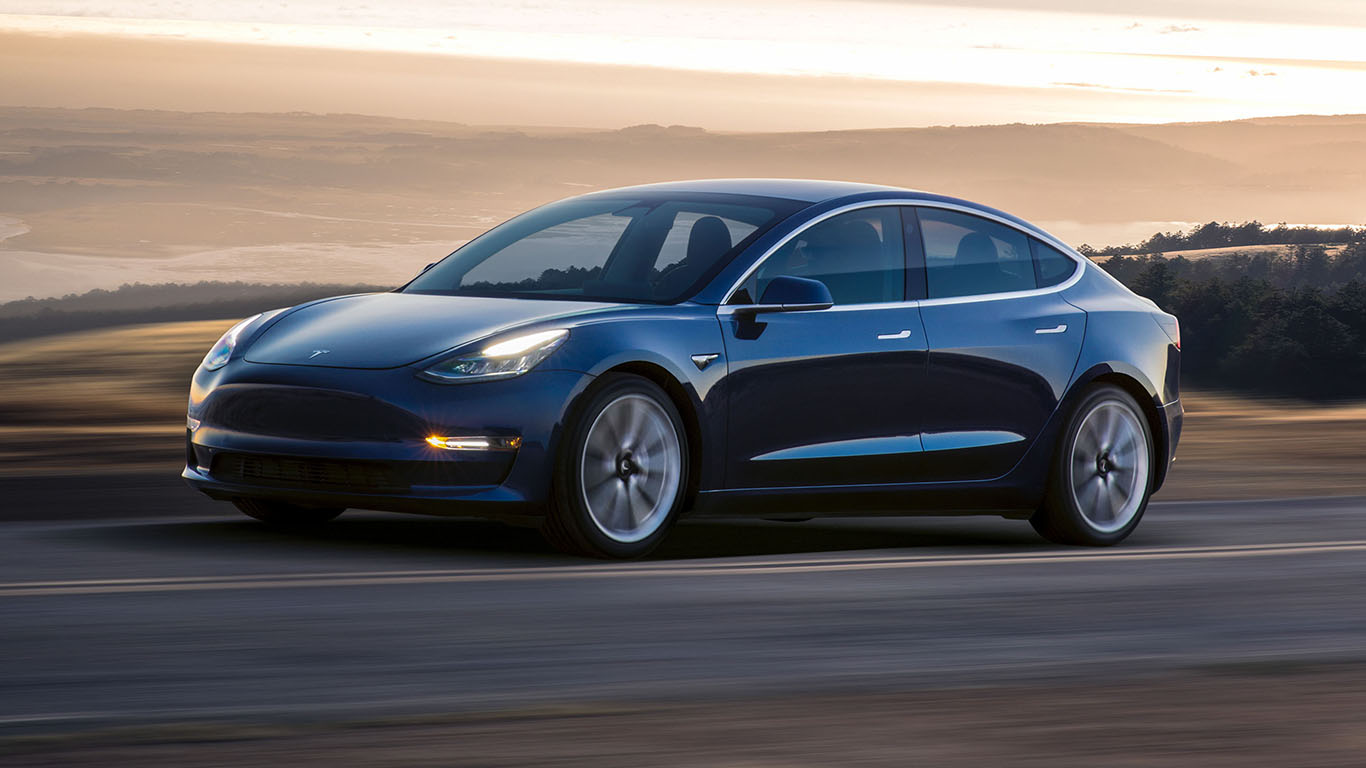
- We continue to expect the Model 3 to mark a pivotal moment in the world’s adoption of EVs.
Why does Elon Musk have to give the same target to all of Tesla’s stakeholders? Tesla is in a unique stage of its growth. A typical company thinks of each stakeholder as a group, Tesla has to think of each one as a cog. To survive, the company has to advance each cog in unison with a consistent message to each of its stakeholders.
To illustrate, let’s look at Tesla’s target of producing 5,000 Model 3s per week by the end of June 2018. That target is eventually publicly communicated to investors, but only after it has been communicated to suppliers and employees.
The first cog to move is the supplier. Tesla needs to pressure suppliers to promptly deliver parts. If the company tells those suppliers that they need to have parts to produce 5,000 Model 3’s per week by the end of June, and tells investors that they expect 5,000 by the end of September, that may cause some of its many suppliers to believe they have wiggle room in what Tesla has asked them to deliver. If one supplier misses its target, the entire production line misses its target. As Musk wrote in an internal letter, “actual production will move as fast as the least lucky and least well-executed part of the entire Tesla production/supply chain system.”
The next step is assembly. Employees need to be held to the same goal as the suppliers to assemble the Model 3 on target. Like the supplier, if the employees think there’s wiggle room in the target, they will likely fall short.
Customers are notified via email when to expect delivery of their vehicle. Those communications to customers are also picked up by suppliers, investors, and employees.
If any one of the stakeholder groups senses wiggle room, they’ll slow down; it’s human nature. And speed of production is a critical element to Tesla’s success. The company needs to ramp Model 3 to generate cash to stay in business.
Most public companies have the luxury of sending different messages to each of their stakeholders. By comparison, most other public companies don’t have to carefully balance these groups for 3 reasons: 1. they can source parts from multiple suppliers; 2. they have a broader product line; 3. they have a more favorable cash position.
Take Apple for example. The company can set a supplier goal of 70m iPhones in a quarter and suggest to investors through its earnings guidance to expect 60m phones in that same quarter. If a group of suppliers senses wiggle room and misses its target, Apple typically can source the part from a backup supplier, a luxury Tesla does not have. Sometimes, both the primary and secondary suppliers fail to meet Apple’s goal, and, for example, iPhone X production was slow out of the gate. The downside is that consumers get frustrated with longer iPhone X lead times (~ 30% of revenue). But that negative is more than offset by the positive that Apple is still generating revenue from sales of previous generation iPhones. Even if suppliers never ramped production of the latest iPhone, the company has the cash to sustain itself until the next iPhone. Tesla can’t afford to wait for the Model Y.
Disclaimer: We actively write about the themes in which we invest: virtual reality, augmented reality, artificial intelligence, and robotics. From time to time, we will write about companies that are in our portfolio. Content on this site including opinions on specific themes in technology, market estimates, and estimates and commentary regarding publicly traded or private companies is not intended for use in making investment decisions. We hold no obligation to update any of our projections. We express no warranties about any estimates or opinions we make.
[recirclink id=466279]
[wallst_email_signup]







 Top Gaining Stocks
 Top Losing Stocks