


Tesla Inc (NASDAQ:TSLA | TSLA Price Prediction) made a bold move this week, during the company’s Q4 2025 earnings call: CEO Elon Musk unveiled a vision where Tesla owners can loan their vehicles to the company’s robotaxi network, turning every Model 3 or Model Y into a revenue-generating asset. The Model S sedan and Model X SUV are being discontinued to free up factory space for Optimus humanoid robots. Tesla isn’t just pivoting toward autonomy—it’s betting the farm on it.
The Transportation-as-a-Service Gambit
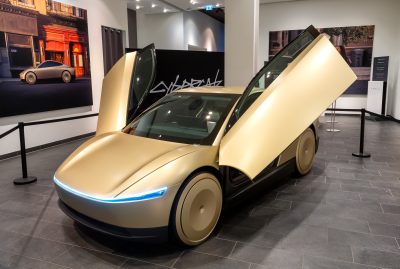
Musk laid out the thesis with characteristic confidence. Tesla has logged over 6 billion miles of supervised Full Self-Driving (FSD) data and more than 250,000 miles without a safety driver in Austin alone. The company expects to remove safety drivers entirely in parts of Austin within months and expand to 8 to 10 metro areas by end of 2026. The Cyber Cab, a vehicle designed without steering wheels or pedals, enters production in Q2 2026.
If you tell someone, yes, the car is now so good, you can be on your phone and text the entire time […] anyone who can buy the car will buy the car. End of story.
—Elon Musk, Q4 2025 Earnings Call
That’s the demand thesis. The economics hinge on cost per mile. The Cyber Cab is optimized for autonomous operation, stripping out features needed for human drivers. Tesla owners who lend their cars to the robotaxi fleet would earn passive income while the company captures margin on rides. It’s Uber without the driver, AirBnB without the host.
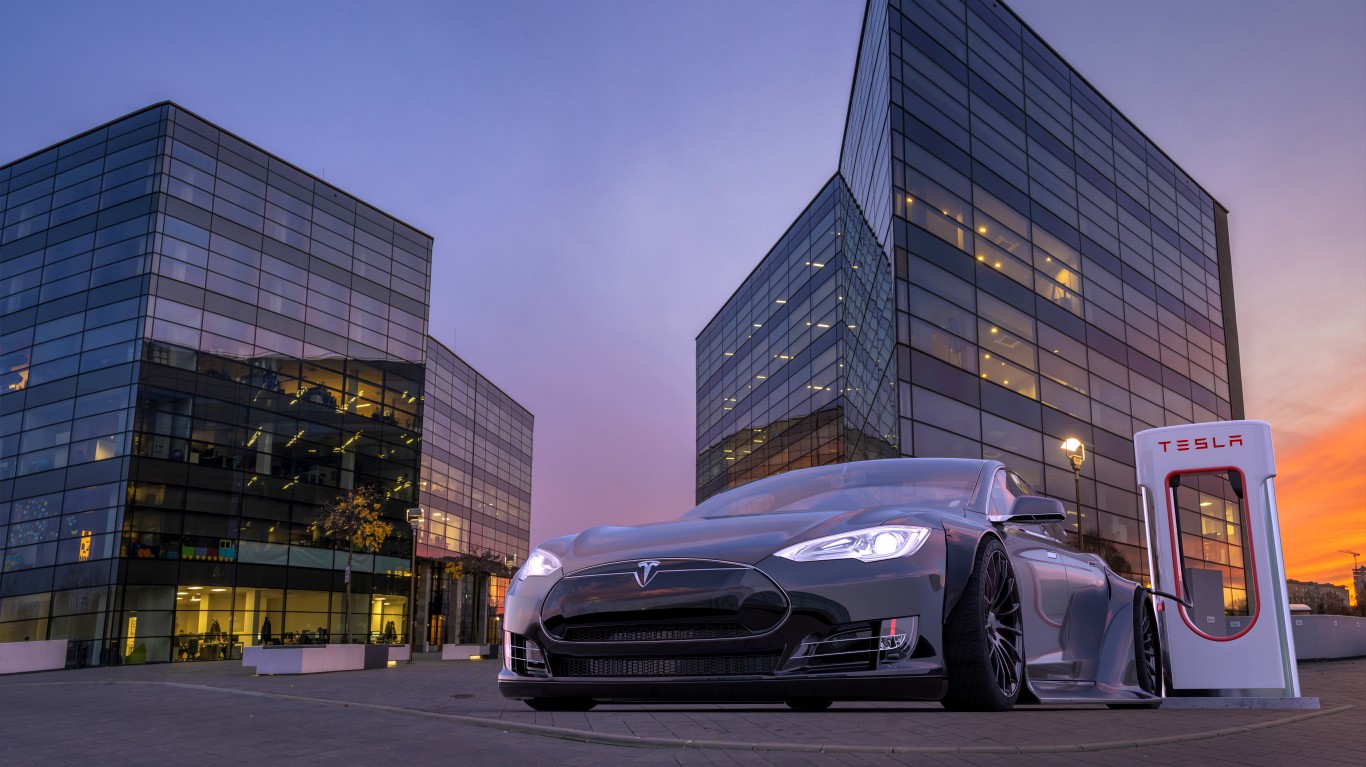
What Happened to the Model S?
The discontinuation of the Model S and Model X isn’t just product rationalization—it’s a signal. These vehicles represented Tesla’s premium tier, the halo products that established the brand. Killing them to make room for Optimus robots suggests Musk believes future value lies in physical AI, not luxury sedans. Fremont’s factory space is now earmarked for humanoid robot production, with a 1 million unit production line targeted for late 2026.
Reddit investors noticed immediately. Sentiment on r/stocks and r/wallstreetbets collapsed from bullish (62 to 72 scores) on January 22 to bearish (17 to 37) by January 28. One post titled “Tesla to End Production of Model S, Model X vehicles to focus on Optimus” drew 1,871 upvotes and 459 comments within 24 hours. The concern is execution risk. Tesla’s trailing P/E ratio sits at 293x, pricing in transformational growth that hasn’t yet materialized. Q4 2025 net income dropped 61% year over year.
The Investment Thesis Rewired
Tesla is no longer an auto manufacturer with tech ambitions. It’s a robotics and AI company that happens to make cars. The $20 billion capex plan for 2026, more than double 2025’s spending, funds autonomous vehicle infrastructure, semiconductor manufacturing, and Optimus scaling. Musk framed it as building toward “sustainable abundance,” but the near-term reality is margin compression and execution uncertainty.
The robotaxi network could work if FSD achieves true autonomy and regulatory approvals materialize. But if it doesn’t, Tesla just killed two profitable product lines to chase a market that doesn’t yet exist. That’s the bet investors are weighing at a $1.43 trillion valuation.








 Top Gaining Stocks
 Top Losing Stocks