


Defense at Core of Landmark U.S.-EU Trade Deal
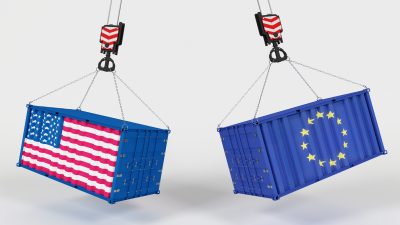
President Donald Trump announced a sweeping U.S.-EU trade deal yesterday, a pivotal agreement aimed at reshaping transatlantic economic ties. The deal includes a pledge for increased EU investment in the U.S. and more purchases of American military equipment, signaling a robust boost for American defense contractors.
This commitment is paired with the elimination of retaliatory tariffs on U.S. steel and aluminum, critical inputs for defense manufacturing, enhancing cost efficiencies. Rather than tariffs, the metals are expected to fall under a quota system, with only exports in excess of the quota to be subject to tariffs.
Beyond defense, the agreement includes $600 billion in EU investments in U.S. infrastructure, particularly in AI, semiconductors, and advanced manufacturing, alongside tariff exemptions on aircraft and parts and a 15% baseline tariff on EU auto imports. Europe will also purchase $150 billion worth of U.S. energy.
While these provisions stabilize trade and spur growth across sectors, the defense sector stands out as a primary beneficiary. Two standout defense stocks are poised to capitalize on this historic deal, promising significant upside for investors.
Lockheed Martin (LMT)
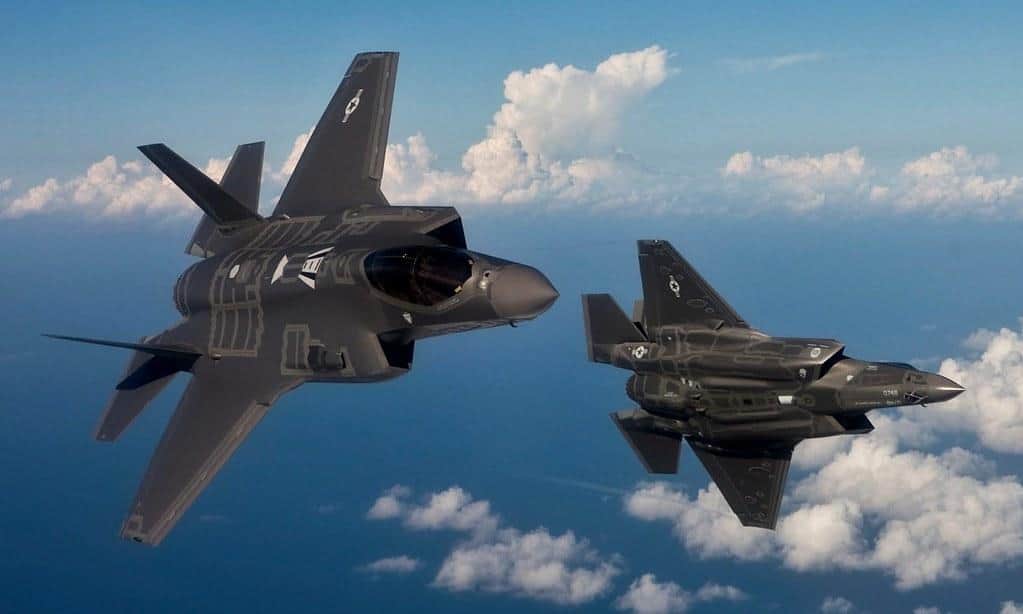
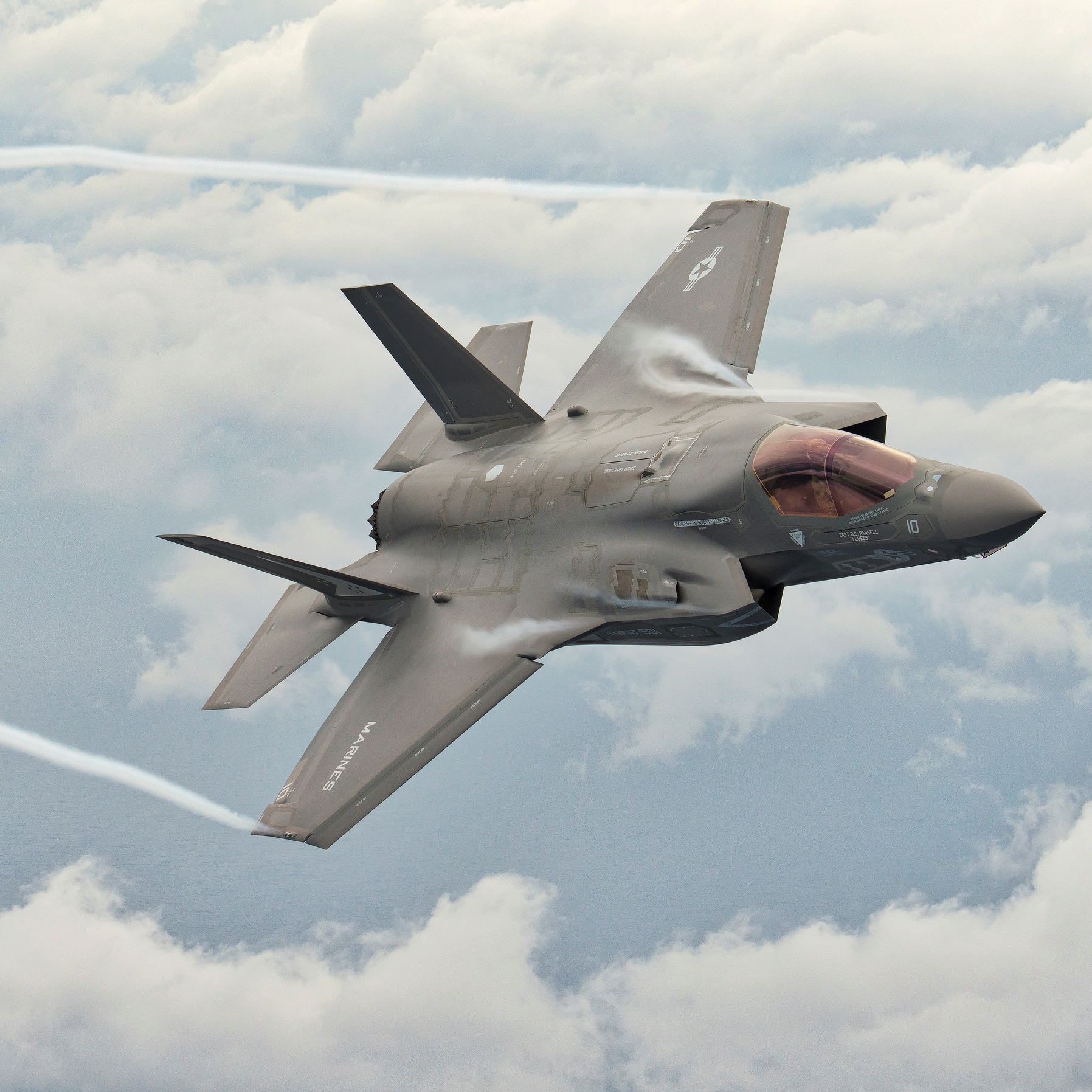
Lockheed Martin (NYSE:LMT | LMT Price Prediction) is a global leader in aerospace and defense, and is exceptionally well-positioned to benefit from the U.S.-EU trade deal. The EU commitment to procure U.S. military equipment will likely directly fuel demand for Lockheed’s flagship products, including F-35 fighter jets, missile defense systems, and advanced radar technologies.
The company’s extensive international order backlog, which includes significant EU contracts, is set to expand as European nations bolster their defense capabilities amid geopolitical uncertainties.
The removal of steel and aluminum tariffs further reduces production costs for Lockheed’s manufacturing processes, improving margins. Analyst sentiment underscores Lockheed’s dominance in high-demand systems, with its diversified portfolio offsetting risks from market volatility.
Lockheed’s focus on innovation, such as hypersonic weapons and cybersecurity solutions, aligns with the EU’s strategic priorities, making it a prime beneficiary of increased transatlantic defense cooperation.
RTX (RTX)
RTX (NYSE:RTX) is the world’s second-largest defense contractor behind Lockheed-Martin and also stands to gain significantly from the trade deal’s provisions. The EU’s spending pledge is also a direct tailwind for RTX’s portfolio, particularly its missile defense systems like the Patriot and advanced radar technologies.
European nations, facing heightened security concerns, are likely to prioritize these systems, driving order growth. The tariff exemptions on steel and aluminum lower input costs for the defense contractor’s manufacturing, enhancing profitability. Its global supply chain and established EU partnerships position it to efficiently meet rising demand.
Analyst reports highlight RTX’s strong fundamentals, with a robust backlog and diversified revenue streams from both defense and commercial aerospace. The trade deal also opens up the potential to secure large-scale contracts, solidifying its status as a top investment choice.
Key Takeaways
The U.S.-EU trade deal marks a significant victory for the defense sector, with the EU military spsending commitment and tariff reductions creating a fertile ground for growth. However, risks remain.
The deal is not finalized and the granular details still need to be hammered out. Moreover, Trump essentially got everything and more that he wanted, and gave up essentially nothing in return. It’s seen as a tremendous win for Trump, but EU politicians may grouse about getting virtually no concessions.
Trump was dealing from a strong position, because of the massive imbalance in trade, and now European markets will be open to U.S. goods with no tariffs — a feat many pundits, including politicians in Trump’s own party, who didn’t think it could be done.
Still, market volatility driven by broader economic uncertainties or shifts in EU defense budgets could impact stock performance, though there Trump previouly got NATO to boost defense spending from about 1.5% of member GDP to 5% by 2035, also a defense sector boost.
The significance of the deal for the U.S. should not be understated, and it provides the two largest defensse contractors with a strong tailwind that will power them forward to deliver substantial returns.












 Top Gaining Stocks
 Top Losing Stocks