


The Trump administration owns part of MP Materials Corp. (NYSE: MP), the rare earth provider, and Intel Corp. (NASDAQ: INTC | INTC Price Prediction), once the chip giant. Both stocks have risen recently. He wants a cut of Nvidia Corp.’s (NASDAQ: NVDA) Chinese sales. Nvidia’s fortunes would improve if the trade war with China settles down. The government also owns Lithium Americas Corp. (NYSE: LAC), Trilogy Metals Inc. (NYSE: TMQ), and a “golden share” in U.S. Steel Corp. The golden share helps Trump control the U.S. Steel marriage with Nippon Steel. This, in turn, gives the government leverage to keep steel jobs in the United States.
There is government-investment precedent now, and there is no reason to think it will change. The Trump administration is starting to look like Warren Buffett’s Berkshire Hathaway Inc. (NYSE: BRK-B).
The administration says these ownerships are part of a plan to increase the prospects of the companies it owns and to help them with strategic interests, which often means their businesses outside the U.S. They also allow the federal government to help the companies keep strong supply chains.
What’s Next?
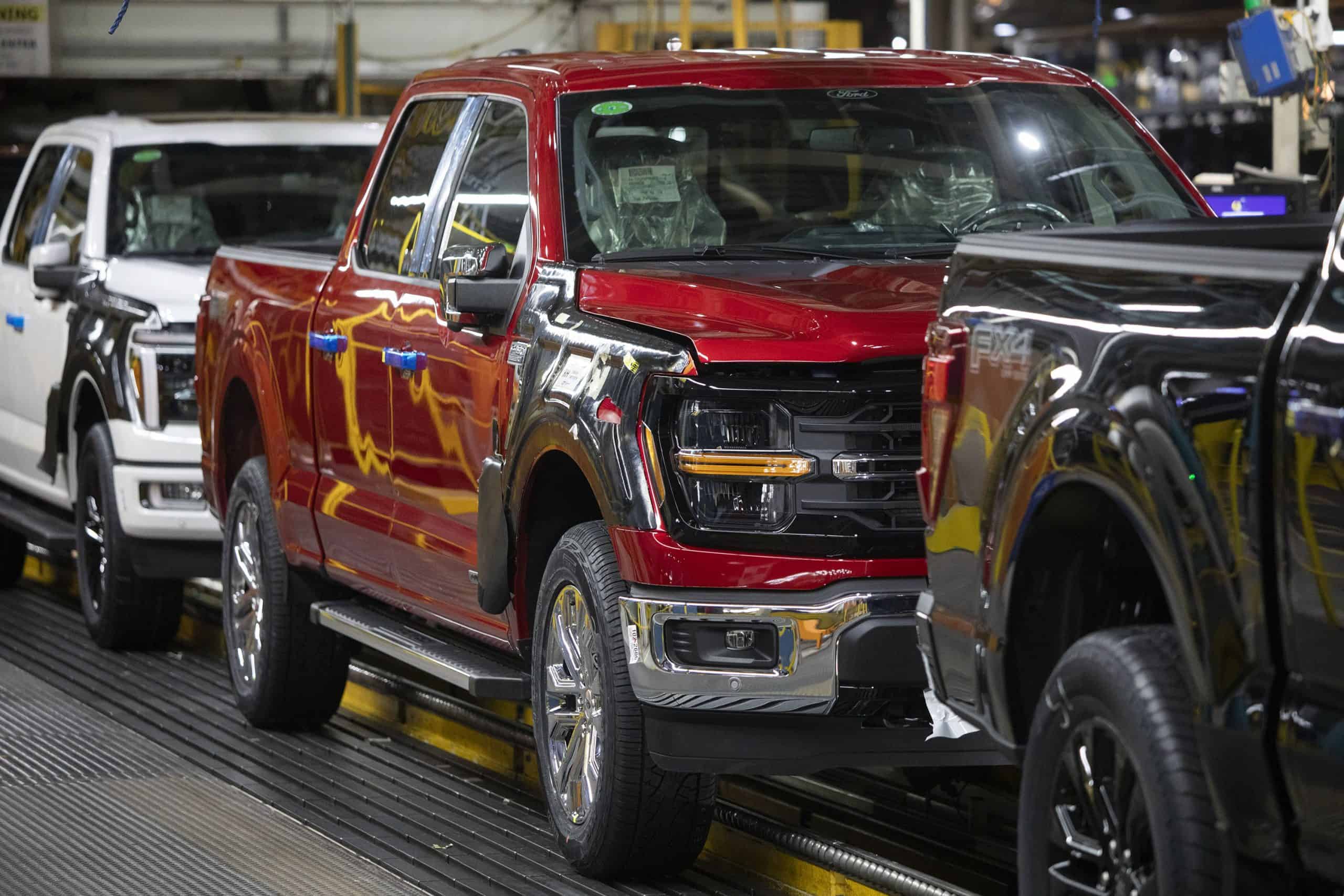
There are a few educated guesses about what’s next. Tariffs on Chinese electric vehicles (EVs) could help General Motors Co. (NYSE: GM) and Ford Motor Co. (NYSE: F) stay in business. Chinese EVs are better than U.S. ones, as even Ford’s CEO Jim Farley concedes. The Chinese EV tariffs help Ford and GM improve their own products instead of being overwhelmed.
Companies like Starbucks Corp. (NASDAQ: SBUX) and Walmart Inc. (NYSE: WMT) have huge footprints in China. In a trade war, China might use the chess piece of undermining their operations in the world’s largest nation by population. Government ownership is a way for Trump to protect the Chinese operations of some of America’s largest retailers.
The Trump administration has encouraged European Union companies to buy U.S. weapons as part of the investment these countries will make in their militaries. Trump has squeezed these nations to move their investment in defense to 5% of gross domestic product. In some, the number is closer to 2%. Between 2022 and 2024, the U.S. accounted for 43% of all weapons exports. The U.S. sold about 60% of the weapons imported by the EU. The U.S. could insist on its own pieces of Lockheed Martin Corp. (NYSE: LMT) and Northrop Grumman Corp. (NYSE: NOC), as it increases their prospects.
In fact, the administration has the leverage to ask for equity stakes in American companies if it increases their businesses or protects them from overseas competition. The process is already underway.
Trade Wars Could Push Market Down 20%











 Top Gaining Stocks
 Top Losing Stocks