


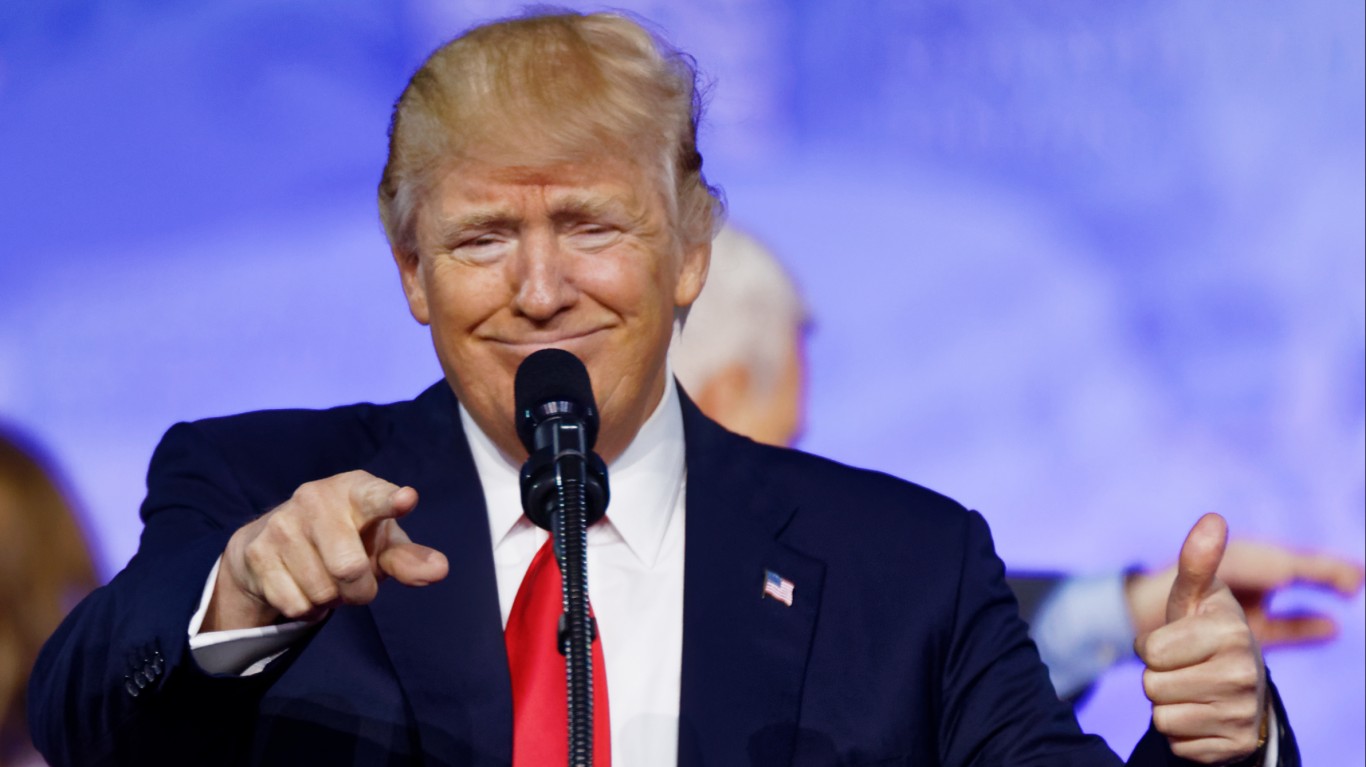
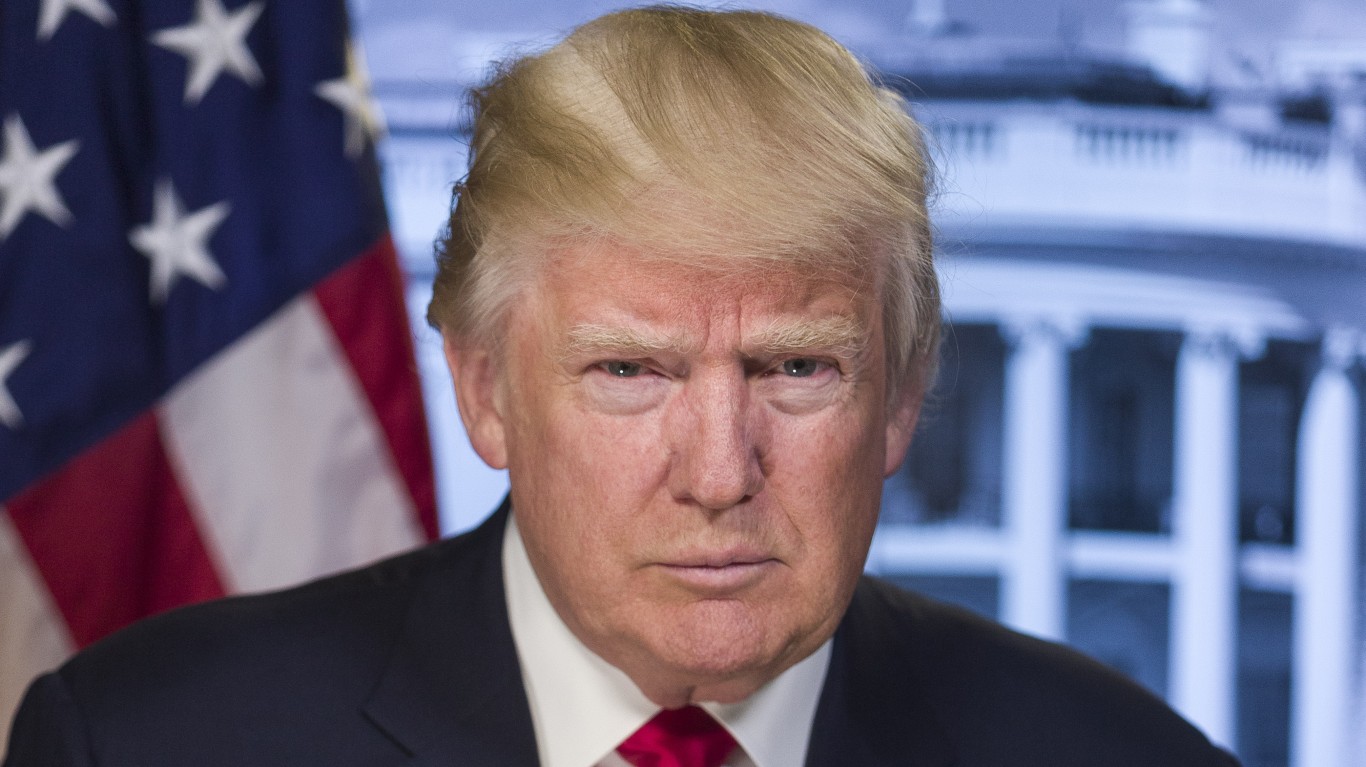
President Trump’s reciprocal tariff policy has turned the international trade world on its head for any nation reliant on the US market. The televised revelations exposed how much of a disadvantage US companies have been working under for their exports. President Trump’s tariffs are an attempt to level the playing field, and based on the revenues that have come into the US Treasury so far according to Treasury Secretary Scott Bessent, it has been an unequivocal success.
However, President Trump left an out – companies that established manufacturing facilities in the US that would create investment and jobs on US soil would have zero tariff levies on those US made goods in the US market. As a result, a number of major US companies began reshoring US manufacturing from various foreign nations. But foreign companies also made the decision to use US labor, though not all in the same manner. Two of the more unique situations are Swiss company Roche Holding AG (OTC: RHHBY) and Softbank Group Corp (OTC: SFTBY) from Japan.
Roche Holding AG
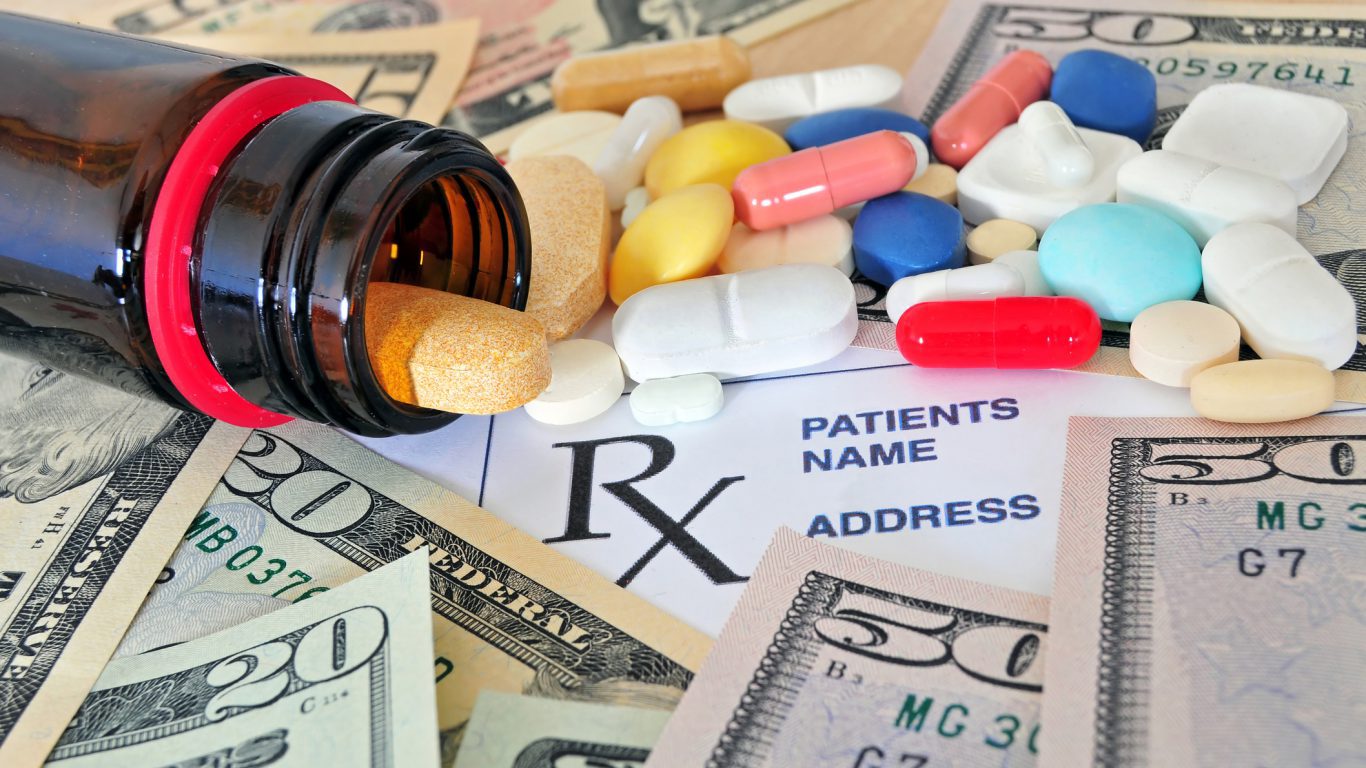
President Trump’s national security concerns over the 90% of prescription drugs made abroad launched EO initiatives to boost US pharma manufacturing, and Roche capitulated.
On April 14, 2025, President Trump declared that US reliance on foreign manufactured medicines was a potential national security threat. He would go on to re-emphasize the point in August by signing:
- Executive Order 13944, titled “Ensuring Essential Medicines, Medical Countermeasures, and Critical Inputs Are Made in the United States,” which aimed to boost domestic production of essential medicines and medical supplies, implicitly linking it to national security concerns.
- Executive Order 14336, to fill the Strategic Active Pharmaceutical Ingredients Reserve (SAPIR). The E.O.’s fact sheet noted that only 10% of APIs for U.S. prescription drugs are manufactured domestically, leaving the nation vulnerable to supply chain disruptions framed as a national security issue.
Roche, based in Basel, Switzerland, is a major multinational pharmaceutical firm that has been in operation since 1896. Among its top selling treatments in the US are:
- Ocrevus (ocrelizumab): A multiple sclerosis drug that has been Roche’s highest-selling product, driven by both new and retained patients.
- Vabysmo (faricimab): An ophthalmology drug that has shown increased uptake for treating wet age-related macular degeneration and diabetic macular edema.
- Xolair (omalizumab): A drug for chronic spontaneous urticaria and asthma, with significant growth due to the launch of a new food allergy indication.
- Hemlibra (emicizumab): A treatment for hemophilia A that has consistently been a top performer.
Given that Roche’s US sales amount to over $35 billion annually, it came as no surprise that the company made a US investment commitment of $50 billion, specifically for manufacturing and R&D. Among the key points of the investment plan are:
- A new factory earmarked for next-generation metabolic medicines like obesity treatments will be established in Holly Springs, North Carolina.
- A diabetes monitoring factory in Indianapolis, Indiana.
- A gene therapy facility in Pennsylvania.
- The overall investment is anticipated to create over 12,000 new jobs across three states.
The Roche investment was a clear response to potential U.S. tariffs on imported pharmaceuticals from its Scandinavian and other locations. The investment was a signal to the administration that it was making a long-term commitment to U.S. research, development, and manufacturing.
Softbank Group Corp.
Mobile device chip designer Arm is 90% owned by Softbank.
Unlike the other multi-billion dollar foreign company investments in the US, Softbank Group’s $500 billion commitment is not for a migration of current foreign manufacturing to the US. Rather, it is a commitment for current and future manufacturing and R&D support on US soil.
Softbank’s Masayoshi Son is a maverick investor with an impressive record for picking tech companies at an early stage. His early positions in Alibaba and Yahoo! built the Softbank foundation from $20 million to what has grown to a roughly $198 billion market cap. Among Softbank’s better known investments include:
- Coupang
- DiDi Global
- Bytedance (parent of TikTok)
- T-Mobile
- Deutsche Telekom
- Microsoft
- Uber
- Slack
- The Abu Dhabi national wealth fund
- The Saudi Arabian sovereign wealth fund
Ironically, his biggest mistake has been a $14 billion loss on real estate company WeWork, which became the subject of the Apple TV+ movie, WeCrashed (2022), starring Anne Hathaway and Jared Leto.
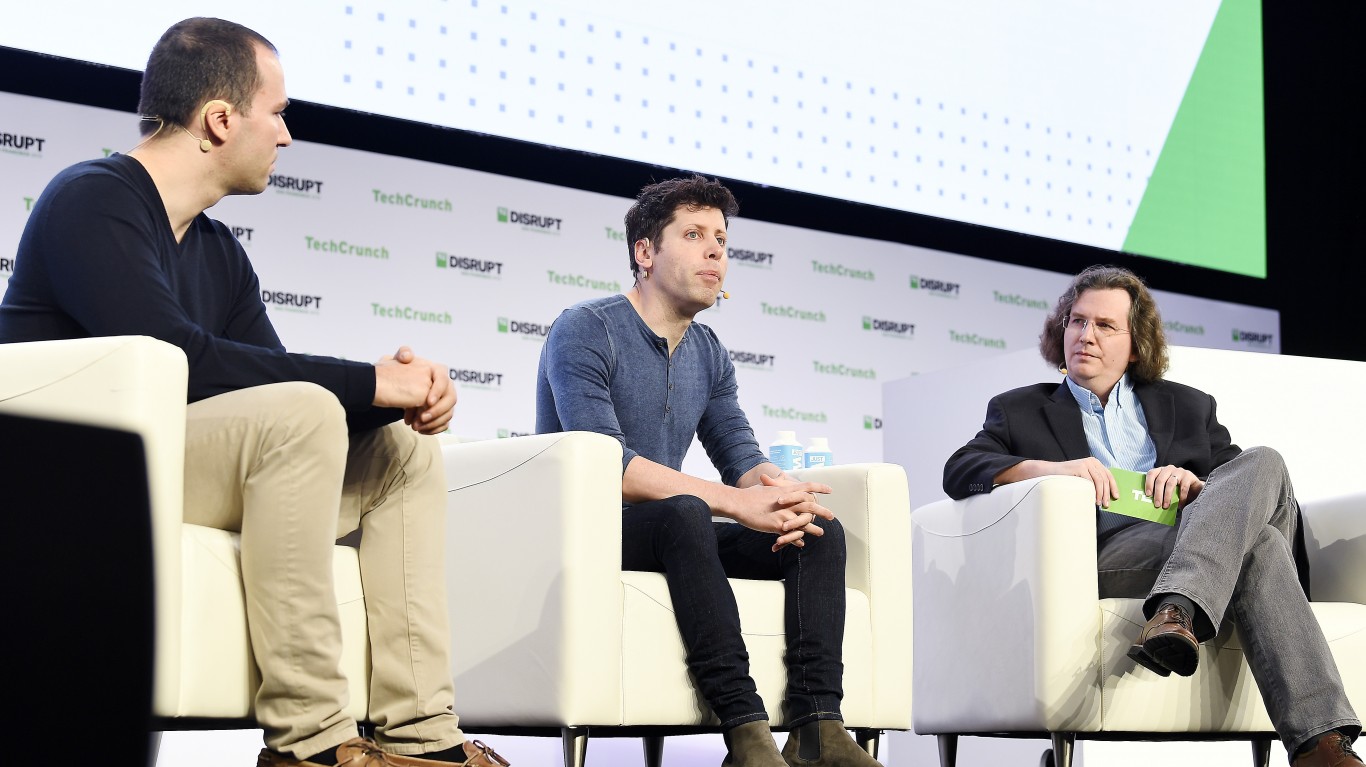
A significant portion of Softbank’s $500 billion US commitment will likely be allocated to its Stargate Project, an AI collaboration with OpenAI and Oracle. Its goal is to develop national-scale AI infrastructure with a total capacity of around 10 gigawatts.
Son’s multinational holdings will likely benefit from Stargate in numerous interconnected ways, such as with his UK-based chip design company Arm (Softbank owns 90%), which makes chips for mobile devices and will be on the cutting edge for handling mobile AI. Son is also keeping his investments in tech nimble. He sold Softbank’s entire Nvidia stake in October for $8.2 billion, and has begun investing in Intel. It also doesn’t hurt that Japan’s new prime minister, Sanae Takaichi, is also a conservative politician whose recent meeting with President Trump was a huge success.
“Generally speaking, I believe expansion of investment through steady accumulation of efforts between Japanese and U.S. companies would help further strengthen Japan-U.S. economic ties, so I find it delightful,” said Yoji Muto, Japan’s Trade and Industry minister, in reference to Softbank’s US investment pledge.








 Top Gaining Stocks
 Top Losing Stocks